


Why Lenders Scrutinize HOAs for DSCR Loans in Reno
When you're using a Debt Service Coverage Ratio (DSCR) loan to purchase an investment property in a Reno condominium or planned unit development (PUD), the lender isn't just underwriting you and the property's cash flow. They are also underwriting the homeowners association (HOA). An HOA's rules and financial health can directly impact your ability to rent the property and, therefore, your ability to repay the loan. A mismanaged or restrictive HOA represents a significant risk to the lender's collateral.
Lenders are strict because the HOA holds immense power. It can:
- Restrict Rentals: An HOA can impose rules that limit your ability to rent the unit, such as rental caps or seasoning periods, which directly undermines the entire purpose of a DSCR loan.
- Levy Special Assessments: A financially unhealthy HOA might impose a large, unexpected special assessment to cover major repairs. This sudden expense could strain your property's cash flow, making it harder to cover the mortgage payment.
- Devalue the Property: Poor maintenance, ongoing litigation, or a bad reputation can negatively affect property values in the entire community, reducing the value of the lender's security interest.
- Initiate Foreclosure: An HOA can place a lien on your property and even foreclose for unpaid dues, potentially taking priority over the mortgage lien in some cases.
For these reasons, lenders view the HOA as a silent partner in your investment. Its stability and rules are just as critical as the property's rental income.
The Lender's HOA Questionnaire: A Deep Dive
The HOA questionnaire is the lender's primary tool for investigating the community's health. This standardized form is sent to the HOA board or management company for completion. While the exact questions can vary slightly, they all aim to uncover the same critical information about the association's financial, legal, and operational status.
Key Areas Covered in the Questionnaire
- Project Information: This includes the total number of units, the number of units sold and closed, and the number of units rented.
- Rental Restrictions: The lender will ask directly about any rules that could impede your investment strategy. This includes rental caps, minimum lease terms (e.g., no short-term rentals), and seasoning requirements.
- Owner Occupancy: They want to know the ratio of owner-occupied units versus tenant-occupied units. A high concentration of renters can sometimes be a red flag for instability.
- Financial Health: The questionnaire demands details about the HOA's budget, including monthly dues, delinquencies, and the amount held in reserve funds.
- Insurance: Lenders verify that the HOA carries adequate master insurance policies, including liability, hazard, and fidelity bond coverage.
- Litigation: The HOA must disclose any pending or active litigation it is involved in, whether as a plaintiff or defendant.
This document is non-negotiable. An incomplete or uncooperative response from the HOA can halt your loan application entirely.
Can HOA Rental Caps Kill Your Incline Village Loan Approval?
Absolutely. For an investor eyeing a property in a sought-after area like Incline Village, an HOA's rental restrictions are one of the biggest deal-breakers for a DSCR loan. These rules come in several forms, and lenders scrutinize them carefully.
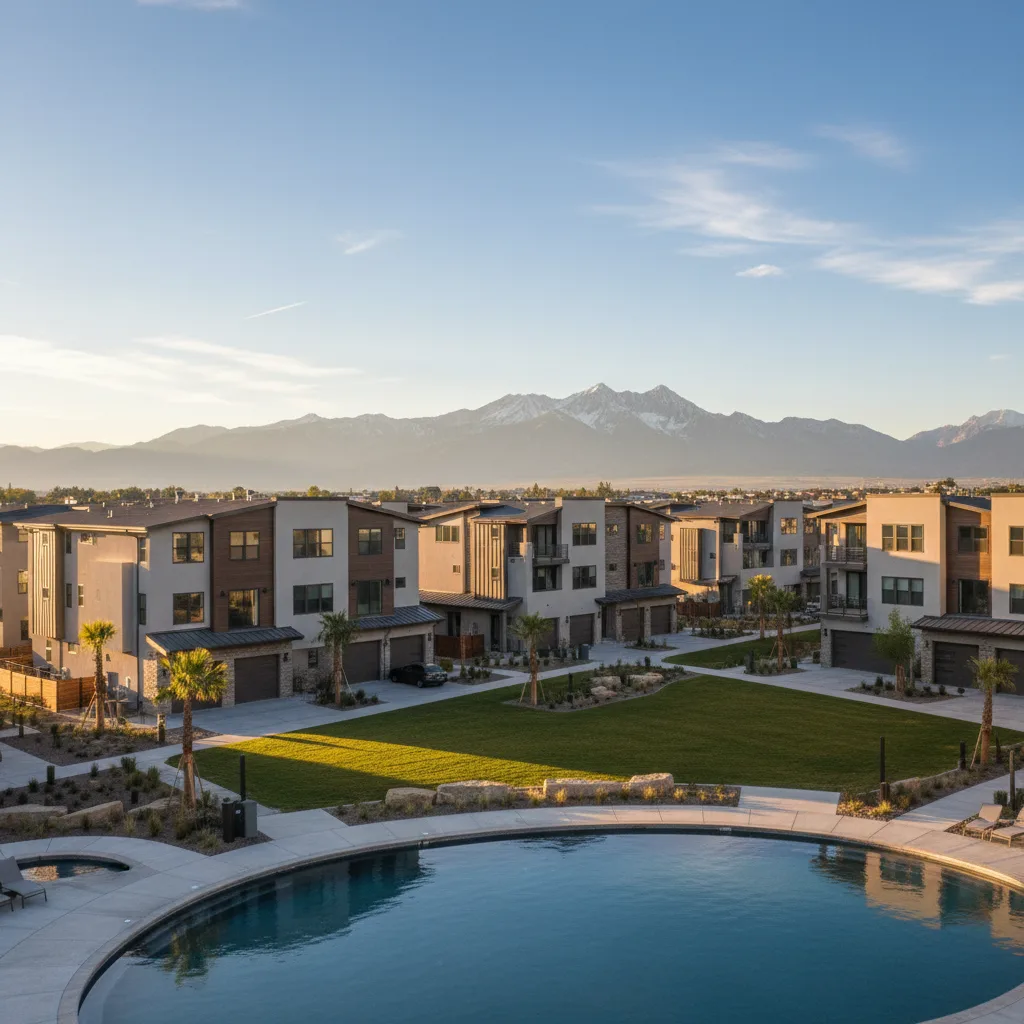
Rental Caps
A rental cap limits the total percentage of units within a community that can be leased at any given time. For example, if a 100-unit building has a 30% rental cap, only 30 units can be rented. If the cap is already met, you would be placed on a waiting list, unable to rent your unit until a spot opens up. This completely invalidates the cash-flow basis of a DSCR loan, leading to an automatic denial.
Seasoning Rules
Some HOAs have a 'seasoning' requirement, which mandates that an owner must occupy the property for a specific period, often one year, before they are allowed to rent it out. This is another immediate roadblock for a DSCR loan. The loan is underwritten on the premise of immediate rental income, and a seasoning rule makes that impossible.
Lenders will verify this information through the HOA questionnaire and by reviewing the Covenants, Conditions, and Restrictions (CC&Rs). If these types of rules exist, the property is generally ineligible for DSCR financing.
How Lenders Check for Active HOA Litigation
Active litigation is a massive red flag for lenders. Lawsuits can be expensive, leading to special assessments, increased dues, or even bankruptcy. They also create uncertainty about the property's title and the community's future stability.
Lenders uncover litigation through several channels:
- The HOA Questionnaire: This is the most direct method. The form explicitly asks if the HOA is a party to any pending lawsuits. Lying on this form can have serious legal repercussions for the HOA management.
- Review of HOA Meeting Minutes: Lenders or their designated review service will often request the last 6-12 months of HOA meeting minutes. These documents can reveal discussions about ongoing legal disputes, complaints from residents that could lead to litigation, or special meetings held to discuss legal matters.
- Title Report: A preliminary title report can sometimes show liens or judgments against the HOA, which could be related to a lawsuit.
Not all litigation is a deal-killer. A minor slip-and-fall case that is fully covered by the HOA's insurance policy is less concerning than a major construction defect lawsuit against the original developer, which could cost millions and impact the structural integrity of the buildings.
What Is the Minimum HOA Reserve Fund Requirement?
Lenders want to see that an HOA is financially prepared for the future. The reserve fund is a savings account specifically for major repairs and replacements of common elements, such as the roof, elevators, or paving. A poorly funded reserve means that when a major component fails, the HOA will have to impose a large special assessment on all owners.
The industry standard is that at least 10% of the HOA's annual operating budget must be allocated to the reserve fund. (The data, information, or policy mentioned here may vary over time.)

For example, if a Reno HOA has an annual operating budget of $500,000, the lender will expect to see that at least $50,000 is being contributed to the reserves that year. They will verify this by reviewing the HOA's annual budget, which you must provide as part of the loan application. If the contribution is below this 10% threshold, the lender may decline the loan or require a 'limited review' project approval, which is harder to obtain.
Can I Get a DSCR Loan If One Owner Controls Too Many Units?
This is a common issue known as single-investor concentration. Lenders become wary when a single individual or entity owns a large percentage of units in a community. This concentration creates risk.
- Financial Risk: If that one investor defaults on their HOA dues for multiple units, it could cripple the association's budget overnight.
- Control Risk: A single entity with significant ownership can exert undue influence over the HOA board, potentially making decisions that benefit them at the expense of other owners.
To mitigate this risk, lenders typically impose a single-investor concentration limit of 20%. (The data, information, or policy mentioned here may vary over time.) This means that no single owner, including the developer, can own more than 20% of the total units in the project. For smaller projects with 2-4 units, the limit is often just one unit per investor. This rule is checked on the HOA questionnaire and through a review of the project's ownership records.
Warning Signs to Look for in HOA Meeting Minutes
Reading through the last six months of HOA meeting minutes is one of the most powerful due diligence steps you can take. These documents provide an unfiltered look into the community's day-to-day reality. A lender's underwriter will scan them for red flags, and you should too.
Key warning signs include:
- Discussions of Special Assessments: Repeated mentions of needing a special assessment suggest poor budgeting and underfunded reserves.
- Deferred Maintenance: Look for notes about pushing back important repairs, like 'roof repair postponed to next year' or 'elevator modernization tabled'. This is a sign of financial trouble.
- Resident Complaints: A high volume of complaints about security, maintenance, noise, or rule enforcement can indicate poor management and a dysfunctional community.
- Board Member Turnover: Constant resignations or contentious board elections can signal instability and infighting.
- Mentions of 'Litigation' or 'Legal Counsel': Even if not explicitly detailed, these words are a clear signal that a legal issue is brewing.
How to Perform Due Diligence Before Making an Offer
Waiting for your lender to uncover a fatal HOA issue is a recipe for wasted time and money on appraisals and inspections. As a savvy investor, you can perform much of this due diligence upfront, even before you submit an offer on a property in Reno or Incline Village.
Your Pre-Offer Checklist
- Request HOA Documents Immediately: Ask the seller's agent for a full package of HOA documents as soon as you express interest. This should include the CC&Rs, bylaws, budget, and the last 6-12 months of meeting minutes.
- Scan for Key Restrictions: Immediately read the CC&Rs and bylaws, specifically searching for terms like 'rental', 'lease', 'cap', and 'seasoning'. If you find restrictive language, you may want to move on to another property.
- Analyze the Budget: Look at the most recent budget. Is the HOA allocating at least 10% to reserves? Are delinquencies high (typically over 15% is a red flag)? (The data, information, or policy mentioned here may vary over time.)
- Read the Meeting Minutes: Skim the minutes for the warning signs listed above. Pay close attention to the overall tone. Is it professional and productive, or full of arguments and unresolved issues?
- Talk to People: If possible, talk to residents or even a board member. Ask them about their experience living there and if there are any major issues or upcoming projects you should know about.
By identifying these red flags early, you can avoid properties that would never qualify for a DSCR loan, saving you thousands of dollars and weeks of frustration. Understanding the complexities of HOA regulations is crucial for the success of your real estate investment. If you're considering a property in a Nevada HOA and need a DSCR loan, partnering with a mortgage expert who understands these nuances is key. A specialist can help you analyze the HOA's health and connect you with lenders who are comfortable with your chosen property.
Ready to navigate the complexities of an HOA for your next investment property? Our experts can guide you through the DSCR loan process. Apply now to see what you qualify for.
Author Bio
David Ghazaryan is the expert mortgage strategist and founder behind iQRATE Mortgages. With a mission to fund home loans that traditional banks won't touch, David specializes in helping clients with unique financial situations, including those recovering from foreclosure or bankruptcy. He expertly crafts smart, strategic, and stress-free mortgages by leveraging a vast network of over 100 lenders to secure competitive rates for investors and homebuyers alike. Praised for exceptional customer service, David has helped hundreds of families with a 97% satisfaction rate, guiding them to the mortgage they deserve.
References
Fannie Mae - Condominium Project Eligibility
Consumer Financial Protection Bureau - What are homeowners association (HOA) fees?









