

Key Differences Between FHA and Conventional Appraisals in Fresno
When you're buying a home in Fresno, the appraisal seems like just another step. However, the type of loan you choose—Federal Housing Administration (FHA or conventional)—dramatically changes what the appraiser looks for. The core difference isn't just about the home's value; it's about its condition. An FHA appraisal acts as a consumer protection measure, while a conventional appraisal primarily protects the lender's investment.
The Purpose Behind the Process
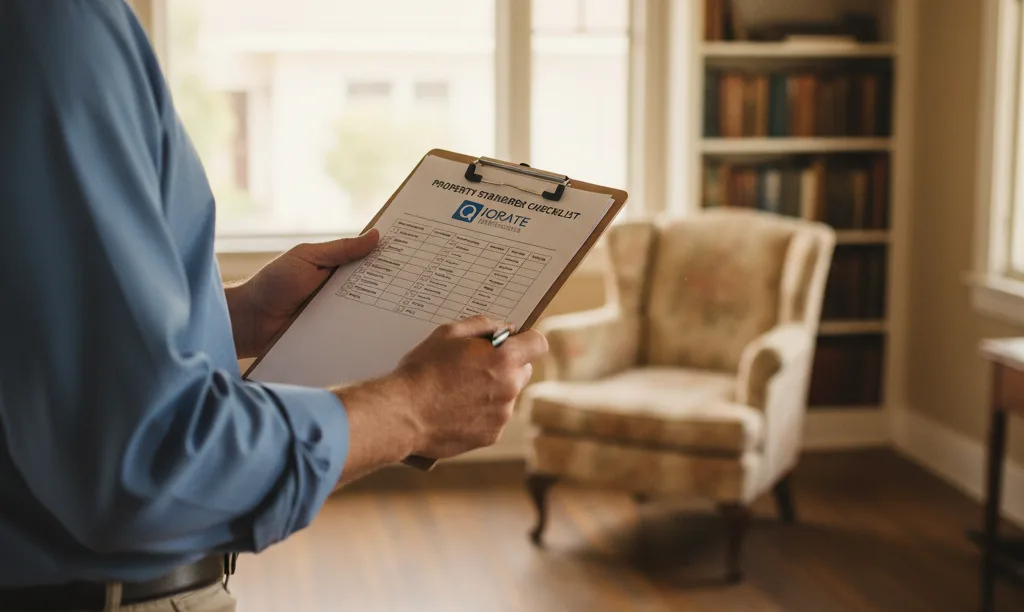
FHA Appraisal: This process is governed by the Department of Housing and Urban Development (HUD) and has a dual purpose. First, it determines the home's market value, just like a conventional appraisal. Second, and more critically, it ensures the property meets HUD's Minimum Property Standards (MPS). These standards are designed to ensure the home is safe, secure, and structurally sound. The appraiser is essentially checking to make sure the government isn't insuring a loan on a property that is unsafe or in major disrepair.
Conventional Appraisal: A conventional loan appraisal has one primary goal: to confirm that the property is worth at least the amount the lender is lending. The appraiser focuses on the home's market value by comparing it to similar, recently sold properties ('comps') in the area. While they will note significant issues that affect value, like a failing roof, they are not enforcing a strict checklist of safety and soundness requirements like their FHA counterparts.
A direct comparison highlights the differences. An FHA appraisal focuses on both value and safety, adhering to HUD's strict standards, which often leads to a more in-depth property inspection. This means repairs for safety issues are mandatory and can require action before closing. In contrast, a conventional appraisal's primary goal is value confirmation through market analysis. It notes repairs mainly if they impact value and is less likely to require them before the loan can close. Due to the expanded scope, an FHA appraisal can sometimes cost slightly more than a conventional one. (The data, information, or policy mentioned here may vary over time.)
Specific Conditions Causing FHA Appraisal Failure
Because the FHA insures your loan, it wants to minimize its risk. An FHA appraiser is required to call out any condition that compromises the health, safety, or structural integrity of the home. These are not suggestions; they are mandatory repairs that must be completed and re-inspected before the loan can close.

Common FHA deal-breakers include:
- Peeling or Chipping Paint: In homes built before 1978, this is a major red flag for potential lead-based paint hazards.
- Inadequate Safety Features: Missing or broken handrails on stairways, especially those with more than three steps, are an automatic flag.
- Roof and Attic Issues: A roof with less than two years of life remaining or evidence of active leaks will fail.
- Foundation and Structural Defects: Any signs of significant foundation cracks, water damage in the crawlspace, or structural instability must be addressed.
- Faulty Mechanical Systems: The electrical, plumbing, and HVAC systems must be in working order. Exposed wiring or a non-functional water heater are common failure points.
- Pest Infestation: Evidence of termites or other wood-destroying insects will require professional treatment and repair of any damage.
- Blocked Egress: Windows in bedrooms must be operable and large enough to serve as a fire escape route.
Are Conventional Appraisers More Lenient on Bakersfield Fixer-Uppers?
Yes, conventional appraisers are generally more lenient on homes that need work, particularly cosmetic updates. This makes a conventional loan a more flexible option for buying a fixer-upper in Bakersfield that is structurally sound but outdated.

A conventional appraiser assesses the property's value in its 'as-is' condition. They will note deferred maintenance, like an old HVAC unit or a worn-out carpet, and adjust the home's value accordingly. However, they are not obligated to demand repairs for these items before the loan closes.
For example, consider a home in Bakersfield with an outdated kitchen and peeling exterior paint. An FHA appraiser must require the peeling paint to be scraped and repainted due to safety guidelines. A conventional appraiser will simply note the condition and might lower the appraised value slightly to reflect the cost of future painting, but the loan can still proceed without the repair being done first.
This leniency is why buyers specifically seeking a project home often prefer conventional financing. It allows them to purchase the property and handle repairs on their own timeline and budget.
Who Pays for Appraisal-Required Repairs?
If an FHA appraisal on your prospective Fresno home calls for mandatory repairs, the question of who pays becomes a critical negotiation point. There is no single rule, but here are the common scenarios:
- The Seller: This is the most common outcome. To keep the deal alive, the seller often agrees to pay for the required repairs before closing. They have a strong incentive to do so, as the FHA-required repairs will likely be flagged for the next FHA buyer if the current deal collapses.
- The Buyer: A buyer can offer to pay for repairs, but this is risky. If you pay for a new roof and the sale falls through for another reason, you have lost that money.
- A Shared Cost: Buyers and sellers can negotiate to split the cost of repairs. This is often a good compromise to save a transaction.
- The Lender (via Escrow Holdback): In some cases, a lender may allow the loan to close with an 'escrow holdback'. An amount of money, typically 1.5 times the estimated repair cost, is held from the seller's proceeds in an escrow account. (The data, information, or policy mentioned here may vary over time.) The repairs are completed after closing, and the funds are then released.
Using a Renovation Loan if a Bakersfield Home Fails Appraisal
What if the required repairs are too extensive for the seller to cover? This doesn't have to be the end of the deal. A renovation loan is an excellent tool that combines the purchase price of the home and the cost of repairs into a single mortgage.
Two popular options are:
FHA 203(k) Loan: This is specifically designed for properties that need significant work. If your Bakersfield home appraisal requires $15,000 in foundation work, a FHA 203(k) loan allows you to borrow the purchase price plus the $15,000 for repairs. The loan closes, you get the keys, and a licensed contractor begins the work, paid from funds held in escrow.
Fannie Mae HomeStyle® Loan: This is the conventional loan equivalent. It can be used for any type of repair or renovation, from structural fixes to purely cosmetic upgrades, and the costs are rolled into your main loan balance.
Renovation loans are a powerful solution for turning a failed appraisal into a successful purchase, allowing you to buy a home with 'good bones' and finance the necessary improvements.
How to Challenge a Low Appraisal for Either Loan Type
Receiving a low appraisal—where the value comes in below your offer price—can jeopardize your financing. Whether it's an FHA or conventional loan, you have a right to challenge the valuation through a process called a 'Reconsideration of Value' (ROV).
Follow these steps through your lender:
- Get the Report: Request a complete copy of the appraisal report.
- Check for Errors: Scrutinize the report for any factual mistakes. Does it list the wrong square footage, an incorrect number of bedrooms, or miss a significant feature like a newly remodeled bathroom?
- Find Better Comps: Your real estate agent can help you find three to five more recent, more relevant comparable property sales that the appraiser may have overlooked.
- Submit the ROV: Package the identified errors and new comps into a formal request and submit it to your lender. The lender will forward it to the appraiser for review.
Success is not guaranteed, but if you can provide compelling evidence of an error or oversight, an appraiser may revise the value.
Best Loan for a Home Needing Cosmetic Work
For a home that is safe and structurally sound but needs cosmetic updates, a conventional loan is almost always the better choice. Conventional appraisals are not concerned with outdated aesthetics. Things like 1980s wallpaper, worn-out flooring, or old kitchen cabinets do not violate any lending standards as long as they are functional.
An FHA loan, while great for buyers with lower down payments, can create unnecessary hurdles for a home that just needs a facelift. The focus on minor details, like ensuring every window opens and closes perfectly, can slow down the process for a property that is otherwise in good shape.
Does an FHA Appraisal 'Stick' to a Fresno Property?
Yes, and this is a crucial detail for both buyers and sellers in Fresno to understand. When an FHA appraisal is completed, it is assigned an FHA Case Number. That appraisal report, including its valuation and any required repairs, is logged in HUD's system under that case number and remains valid for 120 days.
This means if your FHA purchase falls apart, the next buyer who wants to use an FHA loan for that same property within the 120-day window must use your original appraisal. The seller cannot simply switch to a new FHA buyer and hope for a different appraisal outcome. They must either complete the required repairs, find a conventional or cash buyer, or wait for the appraisal to expire.
In contrast, a conventional appraisal is specific to the transaction and the lender. If the deal fails, the appraisal becomes void, and the next buyer starts fresh. Navigating appraisal requirements can be complex. If you're unsure which loan best fits the Bakersfield or Fresno home you're eyeing, a strategic mortgage advisor can help you prepare for a successful closing and explore all your financing options, including renovation loans.
Navigating the complexities of FHA and conventional appraisals is much simpler with an expert guide. If you're ready to find the right mortgage for your specific situation and property, take the next step. Apply for a Mortgage to begin your personalized consultation.
Author Bio
David Ghazaryan is the expert mortgage strategist and founder behind iQRATE Mortgages. With a mission to fund home loans that traditional banks won't touch, David specializes in helping clients with unique financial situations, including those recovering from foreclosure or bankruptcy. He expertly crafts smart, strategic, and stress-free mortgages by leveraging a vast network of over 100 lenders to secure competitive rates for investors and homebuyers alike. Praised for exceptional customer service, David has helped hundreds of families with a 97% satisfaction rate, guiding them to the mortgage they deserve.
References
HUD Single Family Housing Policy Handbook 4000.1









