


Federal Housing Administration's Minimum Property Standards Explained
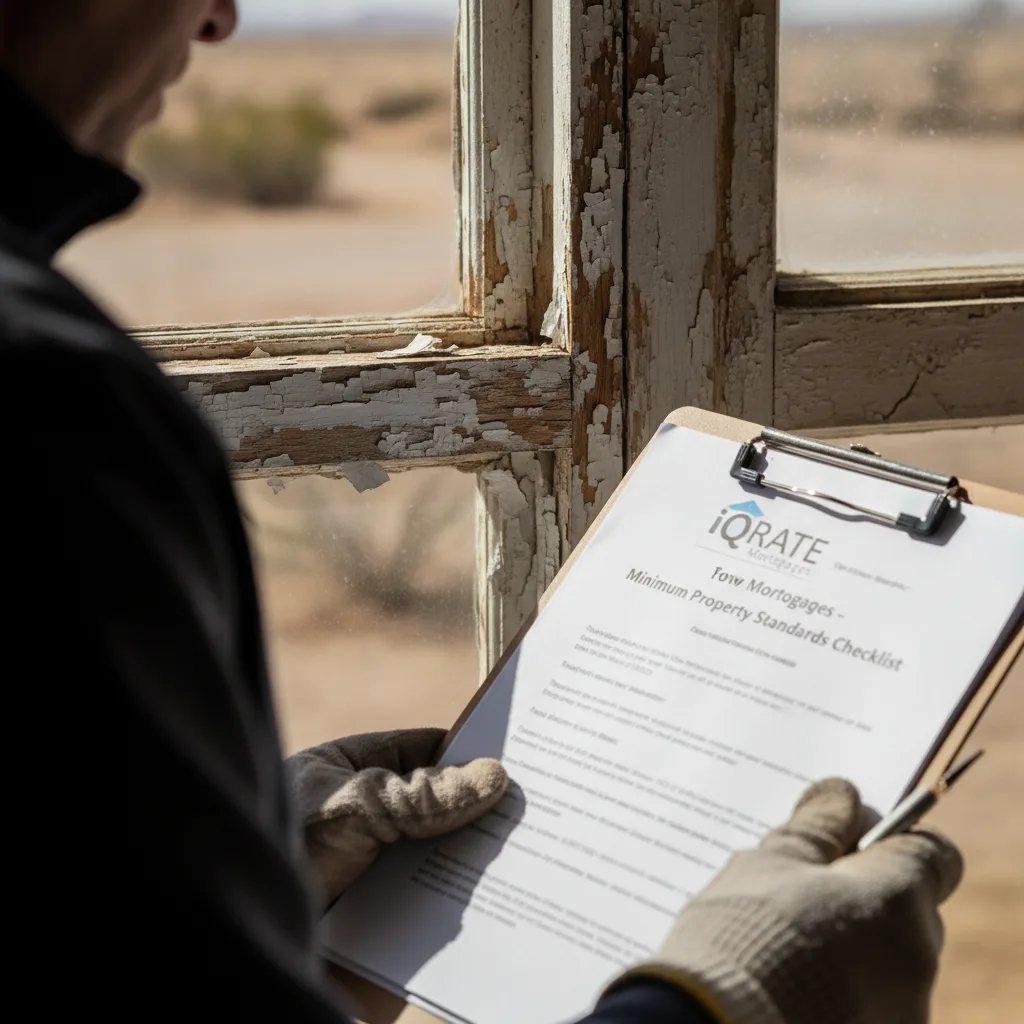
When you apply for a Federal Housing Administration (FHA) insured loan, the property itself must meet a specific set of criteria known as the 'Minimum Property Standards' (MPS). These standards are set by the U.S. Department of Housing and Urban Development (HUD) and are designed to protect both the borrower and the lender. The core focus of an FHA appraisal is not just determining the home's value, but also ensuring it is safe, secure, and structurally sound. This is a critical distinction from a conventional appraisal, which is more heavily weighted toward market value.
The FHA appraiser acts as the eyes for HUD, verifying that the home doesn't have issues that could jeopardize the health and safety of its occupants or threaten the structural integrity of the building. These standards are non-negotiable and apply uniformly across the country, from a historic home in Reno to a mid-century ranch in Sparks.
Key areas of focus for FHA's MPS include:
- Safety: The property must be free from hazards that could harm the occupants. This includes issues like exposed electrical wiring, broken or missing stairs, lack of required handrails, and evidence of toxic materials like asbestos.
- Security: The home must be a secure and insurable asset. This means having functional locks on doors and windows and being in a condition that a standard insurance company would cover.
- Soundness: The structural integrity of the home must be intact. The FHA appraiser will look for significant foundation cracks, evidence of termite damage, water damage, and a roof that is in good condition with an adequate remaining lifespan.
Any condition that fails to meet these standards must be repaired before the loan can close. This is why FHA appraisals are often seen as 'stricter', as their guidelines can trigger mandatory repairs that a conventional loan might not require.
Are Conventional Loan Appraisals More Flexible in Reno?
Yes, generally speaking, conventional loan appraisals offer more flexibility, particularly concerning cosmetic and minor repair issues. (The data, information, or policy mentioned here may vary over time.) Conventional loans are not insured by the government; instead, they are bought and guaranteed by Government-Sponsored Enterprises (GSEs) like Fannie Mae and Freddie Mac. While these entities have their own property standards, their primary concern is the home's marketability and ensuring its value adequately collateralizes the loan.
A conventional appraiser's main job is to determine the fair market value of the property by comparing it to similar recently sold homes in the area, a process that is just as rigorous in Reno as anywhere else. However, they are less likely to mandate repairs for issues that don't affect the home's safety, structural integrity, or marketability.
For example, consider a 1970s home in Sparks with peeling paint on an exterior shed, a cracked tile in the guest bathroom, and worn-out carpeting.
- An FHA appraiser would almost certainly require the peeling paint to be scraped and repainted (especially if the home was built before 1978 due to lead paint concerns).
- A conventional appraiser, on the other hand, would likely note these items as signs of deferred maintenance but would probably not make their repair a condition of the loan, as they don't compromise the home's fundamental structure or safety.
This flexibility makes a conventional loan a potentially better option for buyers purchasing an older home that is structurally sound but needs some cosmetic updating they'd prefer to handle themselves after closing.
Problems an FHA Appraiser Will Always Flag
While every property is unique, certain issues are virtually guaranteed to be flagged by an FHA appraiser, leading to a 'subject-to' appraisal. This means the property must be repaired to FHA standards before the lender will fund the loan. If you're looking at older homes, keep an eye out for these red flags:

- Peeling or Chipping Paint: In any home built before 1978, this is the most common FHA-mandated repair. The concern is the potential presence of lead-based paint, which is a serious health hazard. All surfaces with peeling, chipping, or flaking paint—both interior and exterior—must be scraped and repainted.
- Roofing with Limited Remaining Life: An FHA appraiser will require the roof to have at least two to three years of remaining economic life. (The data, information, or policy mentioned here may vary over time.) A roof with active leaks, missing shingles, or excessive wear will need to be repaired or replaced.
- Major Structural Defects: Any sign of a compromised foundation, such as large cracks, water intrusion in the basement or crawlspace, or significant settling, will bring the process to a halt. Evidence of active termite infestation or unrepaired damage from past infestations is also a deal-breaker.
- Safety Hazards: This is a broad category that includes broken windows, non-functional doors, missing handrails on stairways (typically any stairs with three or more risers), and any exposed electrical wiring or unsafe electrical panels.
- Inadequate or Non-Functional Systems: All major systems must be in working order. This includes the heating system (it must be able to heat the home adequately), the plumbing system (with safe, clean water), and the electrical system.
- Poor Drainage: The property must have proper grading to ensure water drains away from the foundation. An appraiser in Sparks will note any evidence of water pooling against the home, as this can lead to future foundation damage.
Financing Repair Costs from a Sparks Appraisal
What happens when an appraisal on your desired Sparks home comes back with a list of required repairs that neither you nor the seller can afford to pay for out-of-pocket before closing? Fortunately, you have options specifically designed to finance these costs directly into your mortgage.
FHA 203(k) Renovation Loan: This is the FHA's primary tool for financing fixer-uppers. It allows you to roll the cost of repairs and renovations into your total loan amount. There are two types:
- Limited 203(k): For non-structural repairs totaling up to $35,000. (The data, information, or policy mentioned here may vary over time.) This is perfect for fixing appraisal-flagged items like a new roof, paint, or updated electrical.
- Standard 203(k): For major renovations exceeding $35,000, including structural work. This requires a HUD consultant to oversee the project.
Fannie Mae HomeStyle® Renovation Loan: This is the conventional loan equivalent. It is often more flexible than the 203(k) and can be used for a wider range of projects, from necessary repairs to luxury upgrades. The loan amount is based on the after-repaired value of the home.
For example, if a home is under contract for $400,000 but the FHA appraisal requires a $15,000 roof replacement, a buyer could use a Limited 203(k) loan. The loan would cover the $400,000 purchase price plus the $15,000 for the new roof (and related costs), and the work would be completed by a licensed contractor shortly after closing.
How to Know if an 'As-Is' Property Will Qualify
The term 'as-is' in real estate simply means the seller will not be making any repairs or offering any credits for issues discovered during inspections. However, it does not mean the property is exempt from the lender's appraisal standards. An 'as-is' home must still meet FHA Minimum Property Standards or conventional lender guidelines to qualify for financing.
This creates a potential conflict. If you're using an FHA loan to buy an 'as-is' home in Reno and the appraiser mandates $5,000 in repairs, you're in a tough spot. The seller has already stated they won't pay, so the responsibility falls to you. Your options are:
- Pay for the repairs yourself before closing (lenders have strict rules about this).
- Switch to a renovation loan like the FHA 203(k) to finance the repairs.
- Terminate the contract if you have an appraisal contingency.
Because of this risk, it is highly advisable to conduct a thorough home inspection before making an offer on an as-is property. An experienced inspector can often identify issues that are likely to be flagged by an FHA appraiser, giving you a clear picture of potential mandatory repair costs upfront.
Which Loan Is Better for Peeling Paint or an Old Roof?
Let's break down these two common older-home issues:
For Peeling Paint (Pre-1978 Home):
- FHA: This is a non-negotiable health and safety issue. The appraiser will require all peeling, chipping, and flaking paint to be professionally scraped, primed, and repainted. The loan cannot close until a final inspection confirms the work is done.
- Conventional: An appraiser is far less likely to mandate repairs for peeling paint unless it is so extensive that it severely impacts the home's marketability or there is clear evidence of wood rot underneath. Minor peeling is typically just noted in the report.
- Verdict: Conventional is almost always the better, more flexible choice if peeling paint is the primary concern.
For an Old Roof:
- FHA: The appraiser must certify that the roof is in good condition and has at least 2-3 years of remaining life. If not, a repair or full replacement will be required before closing.
- Conventional: The standard is similar—the roof must be functional and prevent moisture intrusion. However, lenders may be more flexible on the remedy. They might accept a seller credit for a future roof replacement or proof that the buyer has the funds set aside for the repair after closing, rather than demanding it be done beforehand.
- Verdict: It's a tie, but with different solutions. FHA is stricter on the requirement but offers the 203(k) loan as a built-in solution. Conventional financing may offer more flexible ways to satisfy the lender without having to do the work pre-closing.
What Happens with a Low Appraisal on Either Loan?
A low appraisal—where the appraised value comes in below the agreed-upon purchase price—can happen with any loan type and creates a financing gap. Lenders will only finance a percentage of the appraised value, not the contract price. If your Reno home is under contract for $500,000 but appraises for $485,000, you have a $15,000 gap to close. The options are the same for both FHA and Conventional loans:
- The Seller Lowers the Price: The seller agrees to reduce the sale price to the appraised value of $485,000.
- The Buyer Pays the Difference: You bring an additional $15,000 in cash to closing to cover the gap.
- Both Parties Compromise: The seller might lower the price to $492,500, and you bring an extra $7,500 to closing.
- Challenge the Appraisal: You can request a 'Reconsideration of Value' from the lender. This is rarely successful and requires providing strong evidence, such as factual errors in the report or better comparable sales the appraiser missed.
- Cancel the Contract: If your purchase agreement includes an appraisal contingency, you have the legal right to walk away from the deal and have your earnest money deposit returned. Navigating appraisal requirements for an older home in Reno or Sparks requires a strategic approach. The right loan choice depends on the property's specific condition and your financial flexibility. To create a plan that avoids appraisal pitfalls and secures your financing, consult with a mortgage expert who understands both loan programs in depth.
Navigating appraisal requirements for an older home is complex. Ensure you're making the right financial choice by getting expert advice tailored to your situation. Ready to explore your mortgage options? Apply now.
Author Bio
David Ghazaryan is the expert mortgage strategist and founder behind iQRATE Mortgages. With a mission to fund home loans that traditional banks won't touch, David specializes in helping clients with unique financial situations, including those recovering from foreclosure or bankruptcy. He expertly crafts smart, strategic, and stress-free mortgages by leveraging a vast network of over 100 lenders to secure competitive rates for investors and homebuyers alike. Praised for exceptional customer service, David has helped hundreds of families with a 97% satisfaction rate, guiding them to the mortgage they deserve.
References
HUD Handbook 4000.1 - Property Acceptability Criteria









