

FHA Appraisal Standards: More Than Just Value
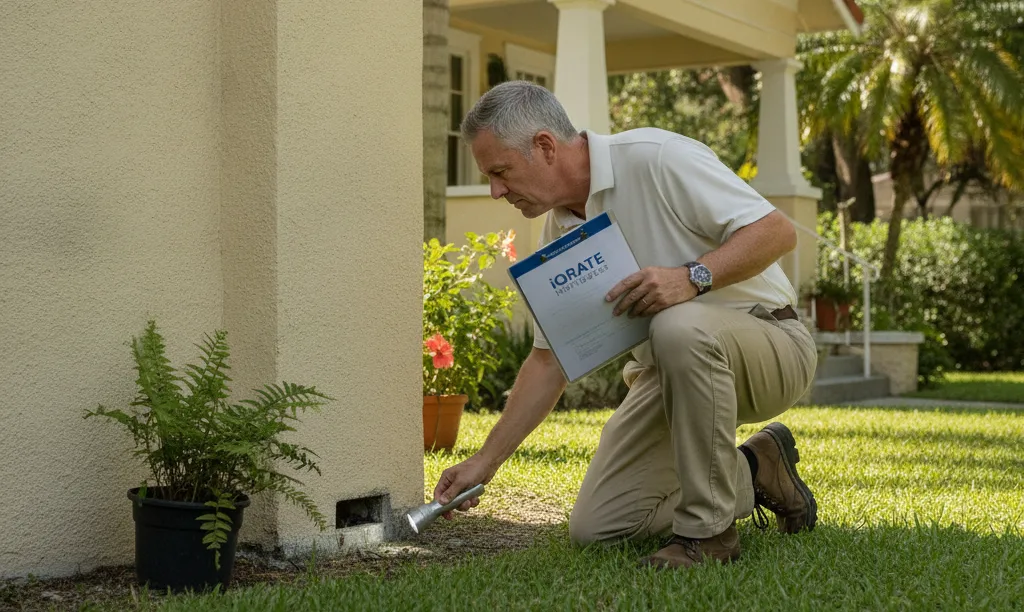
When you apply for a Federal Housing Administration (FHA) loan, the appraisal process serves a dual purpose. First, it determines the home's market value to ensure the loan amount is justified. Second, and just as importantly, it verifies that the property meets the U.S. Department of Housing and Urban Development's (HUD) Minimum Property Standards (MPS). These standards are in place to protect the homebuyer and the FHA by ensuring the home is safe, sanitary, and structurally sound.
An FHA appraiser acts as HUD's eyes on the ground. They are trained to identify issues that could pose a risk to the occupants or threaten the long-term viability of the property. This is why an FHA appraisal is often considered 'stricter' than a conventional one, especially for vintage properties.
Health and Safety Requirements
The FHA's primary concern is the well-being of the homeowners. The appraiser will meticulously check for any potential hazards. Key items on their checklist include:
- Peeling or Chipping Paint: In any home built before 1978, this is a major red flag due to the potential for lead-based paint. Any surface with deteriorated paint—both inside and out—must be scraped and repainted.
- Adequate Utilities: All mechanical systems must be in working order. This includes the electrical system, plumbing, and heating. The appraiser will test light switches, run water to check for pressure and leaks, and verify the HVAC system functions correctly.
- Safe and Accessible Property: There must be safe access to the home. This includes having handrails on all stairways with three or more risers and ensuring there are no trip hazards on walkways.
- Functional Kitchen and Bathrooms: All appliances that are considered fixtures (like a stove or dishwasher) must be operational. Toilets must flush properly, and there should be no significant leaks.
Structural Soundness Checks
Beyond immediate safety, the FHA wants to ensure the home is a sound long-term investment. The appraiser will evaluate the property's core components.
- Roof Condition: The roof must be in good condition and have a remaining economic life of at least two to three years. (The data, information, or policy mentioned here may vary over time.) Any evidence of active leaks or a need for imminent replacement will be flagged for repair.
- Foundation Integrity: The appraiser will look for significant foundation cracks, water damage in the basement or crawl space, or signs of settling that could compromise the home's stability.
- Proper Drainage: The property must have adequate grading to divert water away from the foundation. Standing water or poor drainage can lead to long-term structural issues.

Conventional Appraisal Focus: Market Value First
A conventional loan appraisal, underwritten to standards set by Fannie Mae or Freddie Mac, has one primary goal: to confirm the property's market value is equal to or greater than the sale price. The lender needs to know that if you default on the loan, they can sell the property and recoup their investment.
While a conventional appraiser is not explicitly enforcing HUD's MPS, they are still required to note any conditions that negatively impact the property's safety, soundness, or marketability. A home with a collapsing roof or a severely cracked foundation is poor collateral for any lender, regardless of the loan type.
How Lenders View Property Condition
Think of it this way: the FHA has a standardized, non-negotiable checklist. Conventional lenders have more discretion. If a conventional appraiser flags an issue, like a leaky water heater or a broken window, the lender's underwriter will decide if it needs to be repaired before closing. This is often noted on the appraisal with the phrase 'subject to repair'.
However, a conventional appraisal is less likely to flag cosmetic issues or minor problems that don't immediately affect the home's livability. A small area of peeling paint on an exterior shed, for example, would almost certainly be ignored on a conventional appraisal but would need to be addressed for an FHA loan.
Common FHA-Mandated Repairs for Older Tampa Homes
Older homes in cities like Tampa often have charm and character, but they can also come with a history of deferred maintenance. When seeking an FHA loan for a 1950s bungalow or a 1970s ranch in this area, be prepared for the appraiser to potentially flag these common issues:
- Outdated Electrical Panels: Many older Florida homes have Federal Pacific or Zinsco electrical panels, which are now considered fire hazards by many insurers and inspectors. FHA appraisers often call for their replacement.
- Lack of Handrails: Porches, decks, and interior staircases without proper handrails are one of the most frequently cited FHA repair items.
- Evidence of Termites: Florida's climate makes it a hotspot for termites. The FHA requires a pest inspection in many areas, and any evidence of active infestation or significant prior damage must be treated and repaired.
- Deteriorated Siding or Stucco: Any wood rot, significant cracking in stucco, or other exterior damage that exposes the home to moisture intrusion will need to be fixed.
- Improperly Vented Attics: Poor ventilation can lead to moisture buildup and roof deterioration. The appraiser will check for proper soffit and roof vents.

Navigating Repair Requests in an Orlando Market
What happens when an FHA appraiser identifies required repairs on a home you're trying to buy in Orlando? This is where negotiations become critical. A seller is never legally obligated to perform any repairs, FHA-mandated or otherwise.
Seller's Options When FHA Repairs Are Required
- Agree to Complete Repairs: In a balanced market, many sellers will agree to make the required repairs to move forward with the sale. The work must be completed before closing, and the appraiser often has to return to verify it was done correctly.
- Refuse to Make Repairs: A seller can refuse, especially in a competitive market. If this happens, the deal will likely fall through unless the buyer can switch to a different loan program or pay for the repairs themselves (which is rarely advisable).
- Negotiate: A common solution is for the seller to provide a credit to the buyer at closing to cover the cost of repairs. However, for FHA loans, the repairs themselves must typically be finished before the loan can close. The negotiation might instead involve adjusting the sale price downward.
Does a Conventional Loan Bypass All Condition Issues?
This is a common misconception. Choosing a conventional loan reduces the likelihood of a property condition roadblock, but it doesn't eliminate it. If a conventional appraiser inspecting that same Orlando property finds a significant issue—say, the air conditioning unit is completely non-functional—the lender will almost certainly make the loan 'subject to' its repair. No lender wants to issue a mortgage on a home in Florida without working AC, as it directly impacts marketability and value.
Handling a Low Appraisal on Any Loan Type
A low appraisal—where the valuation comes in below the agreed-upon sale price—can happen with any loan type. If your Tampa home contract is for $400,000 but the appraisal is only $385,000, the lender will only finance based on the lower value. You have several options:
- Review the Report: Carefully check the appraisal for any factual errors regarding square footage, number of rooms, or features.
- File a Reconsideration of Value (ROV): Your lender can submit an ROV to the appraiser with new, more relevant comparable sales that may have been missed.
- Renegotiate the Price: The most common solution is to go back to the seller and renegotiate the sale price down to the appraised value of $385,000.
- Cover the Difference: You can choose to pay the $15,000 difference in cash at closing, in addition to your down payment and closing costs.
- Walk Away: If your contract includes an appraisal contingency, you can cancel the purchase and get your earnest money deposit back.
Unpermitted Additions and Appraisal Impact
Unpermitted additions, like a converted garage or an enclosed patio, are common in Florida. An FHA appraiser must follow strict guidelines. If the addition was not built to code or is structurally unsound, they typically cannot include its square footage in the home's total value, which can drastically lower the appraisal.
A conventional appraiser has more flexibility. If the work is of good quality and typical for the neighborhood, they may assign value to it, but they will note that it is unpermitted, leaving the final decision to the lender's risk department.
Financing Repairs into Your Mortgage
What if you find the perfect home but it needs work to pass an FHA appraisal? You don't necessarily have to walk away. Renovation loans are designed for this exact scenario.
FHA 203(k) Renovation Loans
The FHA 203(k) loan program allows you to finance both the purchase of the home and the cost of its necessary repairs and desired upgrades into a single mortgage. There are two types:
- Limited 203(k): For non-structural repairs up to $35,000.
- Standard 203(k): For major renovations, including structural work, with a minimum repair cost of $5,000.
Conventional Renovation Loan Options
Conventional loans have similar products. The Fannie Mae HomeStyle and Freddie Mac CHOICERenovation loans also let you roll renovation costs into your mortgage. These can be great alternatives if you have a stronger credit profile and want to avoid the FHA's mortgage insurance premiums. Navigating appraisal requirements can be complex, especially with older Florida homes. If you're unsure which loan program best fits your target property, a strategic mortgage advisor can help you weigh the pros and cons and explore options like renovation financing.
Understanding the nuances of FHA and conventional appraisals is a critical step in your homebuying journey. When you're ready to move forward with confidence, you can start your application here to see which mortgage options are the best fit for you.
Author Bio
David Ghazaryan is the expert mortgage strategist and founder behind iQRATE Mortgages. With a mission to fund home loans that traditional banks won't touch, David specializes in helping clients with unique financial situations, including those recovering from foreclosure or bankruptcy. He expertly crafts smart, strategic, and stress-free mortgages by leveraging a vast network of over 100 lenders to secure competitive rates for investors and homebuyers alike. Praised for exceptional customer service, David has helped hundreds of families with a 97% satisfaction rate, guiding them to the mortgage they deserve.
References
HUD Minimum Property Standards Overview
CFPB: What is a home appraisal?
Fannie Mae: Appraisal Report Review, Property Eligibility and Condition









