


Should I Buy an Orlando Investment Property in My Own Name or an LLC?
Deciding how to hold the title to your Orlando investment property is one of the most critical decisions you will make as a foreign investor. The structure you choose affects your liability, taxes, financing, and what happens to the property when you pass away. The two most common options are purchasing in your personal name or through a Limited Liability Company (LLC).
Buying in Your Personal Name
- Simplicity: This is the most straightforward path. The process is identical to how a U.S. citizen would buy property. The deed is in your name, and you report rental income and expenses on your personal U.S. tax return.
- Financing: Obtaining a mortgage is generally easier and may come with more favorable terms. Lenders are most comfortable lending to an individual because your personal credit history and assets are directly tied to the loan.
- Major Drawback: This structure offers zero liability protection. If a tenant is injured on your property and sues, your personal assets worldwide, including your primary home, savings, and other investments, could be at risk.
Buying Through a Limited Liability Company (LLC)
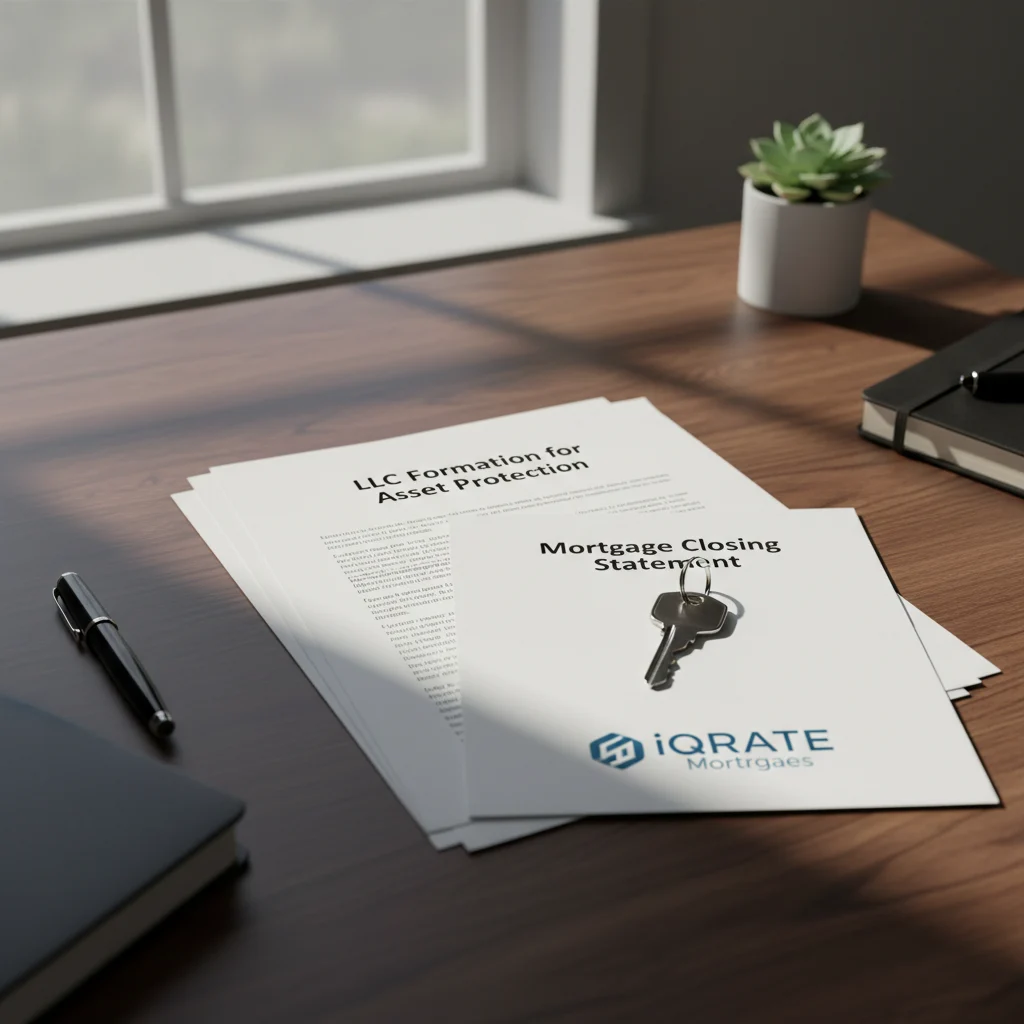
- Asset Protection: An LLC creates a legal barrier, or a 'corporate veil', between your business assets (the rental property) and your personal assets. If a lawsuit arises from the property, legal action is typically limited to the assets held within the LLC.
- Anonymity: Holding property in an LLC can provide a layer of privacy, as the owner of public record is the company, not you personally.
- Financing Complexity: Securing a mortgage for an LLC, especially one owned by a non-U.S. citizen, is more complex. Lenders view it as a commercial loan, often requiring a larger down payment (typically 25-30% or more), a higher interest rate, and a personal guarantee from you, the owner. (The data, information, or policy mentioned here may vary over time.)
For a first-time investor buying a single-family rental in a community like Celebration near Kissimmee, the simplicity of personal ownership might seem appealing. However, for those planning to build a portfolio of properties, the asset protection of an LLC is almost always the superior long-term strategy.
What Are the Benefits of a Limited Liability Company for Asset Protection?
The primary reason foreign investors choose an LLC is for robust asset protection. An LLC is a separate legal entity. When it owns the property, it is the LLC, not you, that is responsible for debts and liabilities related to that property.

Consider this realistic example: You own a rental townhome in the Lake Nona area of Orlando under an LLC. A guest of your tenant slips on a wet tile floor, sustains a serious injury, and decides to sue for medical expenses exceeding your insurance coverage.
- With an LLC: The lawsuit is filed against the LLC. The potential damages are limited to the assets owned by the LLC, which is primarily the equity in the townhome itself. Your personal bank accounts, your home in your native country, and other personal investments are shielded from the lawsuit.
- Without an LLC (Personal Name): The lawsuit is filed against you personally. If the judgment exceeds your insurance limits, the court can pursue your personal assets globally to satisfy the debt. This could be financially devastating.
The LLC acts as a firewall. This protection is crucial for investors who have significant personal wealth they wish to protect from the unforeseen risks associated with being a landlord.
How Does Purchasing Within a Trust Impact Mortgage Options in Kissimmee?
A trust is another legal structure for holding assets, often used for estate planning purposes. While it offers benefits for inheritance, it introduces significant hurdles for mortgage financing, particularly for foreign nationals.
Lenders are cautious about lending to trusts for several reasons:
- Complexity: Trust documents can be long and complex. Underwriters must carefully review them to understand the trustee's powers, the beneficiaries, and any restrictions on mortgaging the property. This adds time and cost to the loan process.
- Type of Trust: Lenders strongly prefer revocable living trusts, where you as the grantor retain control and can make changes. They are far less likely to finance a property held in an irrevocable trust, as the terms cannot be easily changed, and the grantor has given up control of the assets.
- Lender Overlays: Many lenders simply have internal policies, known as 'overlays', that prohibit lending to trusts, especially those with non-U.S. citizen trustees or beneficiaries. Finding a lender who is willing and able to navigate this is a specialized task.
If you're considering buying a vacation rental in Kissimmee with a mortgage, the typical process might involve purchasing the property in your personal name first to secure financing. After closing, you can consult with an attorney to transfer the title into a trust through a 'quitclaim deed'. However, you must check your loan documents for a 'due-on-sale' clause, which could be triggered by such a transfer.
What Are the United States Tax Implications for Different Ownership Structures?
Your ownership structure directly dictates how you are taxed in the United States. This is a complex area where you must consult a Certified Public Accountant (CPA) specializing in international tax law.
- Personal Ownership: You will file a U.S. Nonresident Alien Income Tax Return (Form 1040-NR). You'll report rental income and can deduct expenses like mortgage interest, property taxes, insurance, and depreciation. The net income is taxed at U.S. income tax rates.
Single-Member LLC: By default, the IRS treats a single-member LLC as a 'disregarded entity'. This means the tax treatment is identical to personal ownership. All income and expenses flow through to your personal 1040-NR tax return. This offers the liability protection of an LLC with the tax simplicity of sole proprietorship.
Multi-Member LLC: An LLC with two or more owners is typically taxed as a partnership. The partnership files an informational return (Form 1065), and each partner receives a Schedule K-1 detailing their share of the income or loss, which they then report on their individual 1040-NR.
Trust: Tax implications for trusts are highly complex and depend on whether it's a revocable or irrevocable trust and its specific terms. Generally, a revocable trust is a 'grantor' trust, and income is taxed to the grantor (you) just like personal ownership. Irrevocable trusts are separate taxable entities and have their own tax rates, which can be higher than individual rates.
Is It Harder for a Non-US Citizen to Get a Loan for a Property in an LLC?
Yes, it is definitively harder. A loan to a foreign national is already a specialized product, often called a 'foreign national loan'. Placing that loan into an LLC adds another layer of complexity that many lenders are not equipped to handle.
Here are the challenges you can expect:
- Fewer Lenders: The pool of lenders who offer foreign national loans to an LLC is very small. You will need to work with a mortgage broker or a bank that has a specific program for this.
- Higher Down Payment: While a foreign national loan to an individual might require a 25% down payment, a loan to an LLC may require 30-40%. (The data, information, or policy mentioned here may vary over time.)
- Higher Interest Rates and Fees: The perceived higher risk often translates to a higher interest rate and potentially higher origination fees compared to a personal loan.
- Personal Guarantee: You will be required to sign a personal guarantee. This means if the LLC defaults on the loan, the lender can still pursue your personal assets to repay the debt, which somewhat negates the asset protection benefit as it relates to the lender.
Despite these challenges, it is not impossible. A knowledgeable mortgage strategist can connect you with portfolio lenders or private banks that have experience with these specific scenarios.
What Is FIRPTA and How Does My Ownership Structure Affect It?
FIRPTA, the Foreign Investment in Real Property Tax Act of 1980, is a critical regulation for every foreign investor to understand. Its purpose is to ensure the U.S. government collects capital gains tax when a non-U.S. person sells property.
Under FIRPTA, when you sell your Orlando property, the buyer is required by law to withhold 15% of the gross sales price and send it to the IRS. This happens regardless of whether you made a profit or a loss.
Example: You sell your Kissimmee rental home for $500,000. The buyer must withhold $75,000 (15% of $500,000) and remit it to the IRS.
To recover any portion of this withholding that exceeds your actual capital gains tax liability, you must file a U.S. tax return the following year. This can mean a significant amount of your money is tied up for months.
Your ownership structure generally does not help you avoid FIRPTA, but it changes the mechanics. If the property is owned by an LLC taxed as a partnership, the withholding rules can apply to the disposition of the partnership interest. The rules are complex, and there are some potential exemptions or applications for reduced withholding, but they require careful planning with a tax advisor well in advance of a sale.
Which Structure Makes It Easier to Pass the Property to My Heirs?
Estate planning is a major concern for international investors. U.S. probate laws can be complex and costly, and your ownership structure plays a huge role in avoiding them.
Personal Name: If you own the property in your name, it will be subject to probate in a Florida court upon your death. This is a public, time-consuming, and expensive legal process that your heirs will have to navigate from another country.
Limited Liability Company (LLC): Ownership of an LLC is determined by 'membership interests'. These interests can be passed to your heirs through your will, much like shares of stock. While this may still involve a legal process, it is often simpler than real estate probate. An operating agreement can also specify what happens upon the death of a member, smoothing the transition.
Revocable Living Trust: This is often the most efficient structure for estate planning. You name a successor trustee who can take control of the trust's assets upon your death without any need for probate court. The property can be managed or sold immediately according to the instructions you left in the trust document. This offers the most seamless and private transfer of assets to your heirs.
What Legal and Financial Professionals Should I Consult Before Deciding?
Assembling the right team of professionals before you make an offer on a property is non-negotiable. Attempting to navigate U.S. real estate, tax, and lending laws on your own is a recipe for costly mistakes. Your team should include:
- A Real Estate Attorney: Choose one with specific experience in representing foreign investors. They will review contracts, advise on the best ownership structure for your situation, and form the LLC or trust correctly.
- A Certified Public Accountant (CPA): Your CPA must have expertise in international taxation and FIRPTA. They will advise on the most tax-efficient structure and ensure you remain compliant with all IRS filing requirements.
- A Mortgage Strategist: A mortgage professional who specializes in foreign national loans is essential. They will have access to the limited pool of lenders who finance properties for non-U.S. citizens and can guide you through the complex documentation required, whether you buy personally or in an LLC. Deciding on the right ownership structure is a critical first step. Before you start viewing properties in Orlando, connect with a mortgage professional who understands the unique financing challenges foreign investors face with LLCs and trusts.
Navigating the financing for an LLC or a personal purchase can be complex. If you're ready to explore your specific mortgage options, we can help clarify the path forward. Take the first step and apply now.
Author Bio
David Ghazaryan is the expert mortgage strategist and founder behind iQRATE Mortgages. With a mission to fund home loans that traditional banks won't touch, David specializes in helping clients with unique financial situations, including those recovering from foreclosure or bankruptcy. He expertly crafts smart, strategic, and stress-free mortgages by leveraging a vast network of over 100 lenders to secure competitive rates for investors and homebuyers alike. Praised for exceptional customer service, David has helped hundreds of families with a 97% satisfaction rate, guiding them to the mortgage they deserve.
References
Consumer Financial Protection Bureau - Buying a House
U.S. Small Business Administration - Limited Liability Company (LLC)









