


The Stages of a Construction Loan From Start to Finish
Financing a custom-built home is fundamentally different from buying a pre-existing property. Instead of a single transaction, you are embarking on a phased project that requires a specialized financial product: the construction loan. This journey has a clear, structured path designed to protect you, the lender, and the builder.
- Mortgage Pre-Approval: The first step is to determine your budget. A lender will review your credit, income, assets, and debt to establish the total loan amount you qualify for. This figure must cover the land purchase (if not already owned), all construction costs, and a contingency fund.
- Builder Selection and Vetting: You choose a builder, but your lender must also approve them. Lenders need to ensure the builder is financially stable, properly insured, and has a proven track record of completing projects on time and on budget.
- Project Approval: You will submit your finalized building plans, a detailed budget (line-item cost breakdown), and the construction contract to the lender. The budget should include everything from foundation work and framing to fixtures and landscaping.
- Appraisal: The lender orders an appraisal based on the 'as-completed' value of the home. The appraiser evaluates the plans, materials, and location to estimate what the property will be worth once it is finished. The loan amount cannot exceed a certain percentage of this future value.
- Closing the Loan: You will attend a closing for the construction phase of the loan. This is where you sign the initial loan documents and provide your down payment. Unlike a standard mortgage closing, you don't receive a lump sum. Instead, the funds are set aside to be disbursed during construction.
- The Construction Phase and Draws: As your home is built, your builder requests funds in stages according to a pre-agreed draw schedule. Before releasing each payment, the lender sends an inspector to the site to verify that the work for that phase is complete and up to standard.
- Final Inspection and Conversion: Once construction is complete, a final inspection is performed, and a Certificate of Occupancy is issued by the local municipality. At this point, the construction loan is closed out. With a single-close loan, it automatically converts or modifies into a permanent mortgage, and you begin making principal and interest payments. With a two-close loan, you would go through a second closing to secure your final mortgage.
Lender Approval for Your Builder in The Woodlands
In competitive real estate markets like The Woodlands, lenders are particularly meticulous when vetting builders. They are not just lending you money; they are investing in a project and need assurance that their investment is in capable hands. A builder who cannot secure lender approval cannot build your home with financing.
To approve a builder, lenders typically require a comprehensive package of documents, including:
- Builder's Resume and Project History: A detailed list of homes they have built, especially any recent projects in The Woodlands or surrounding Houston areas.
- Proof of Licensing and Insurance: This includes state licenses, general liability insurance, and workers' compensation insurance. The coverage amounts must meet the lender's minimum requirements.
- Financial Statements: The lender will analyze the builder's business and personal financial health, including bank statements and balance sheets, to confirm they are solvent and can manage cash flow effectively.
- Supplier and Subcontractor References: A list of key partners the builder works with. Lenders may contact these references to ensure the builder pays their bills on time and maintains good professional relationships.
- Client References: Contact information for several recent clients. Lenders want to hear directly from past homeowners about their experience with the builder's communication, quality, and adherence to timelines.
Lenders prefer builders with an established local presence. A builder with deep roots in the Houston metro area understands local building codes, has reliable relationships with subcontractors, and has a verifiable reputation for quality work in communities like The Woodlands.
Understanding the Construction Draw Schedule
The draw schedule is the payment plan for your construction project. It is an itemized timeline that outlines specific construction milestones and the amount of money the builder can 'draw' from the loan after each milestone is successfully completed. This prevents the builder from getting paid too far ahead of the work and protects the lender's investment.
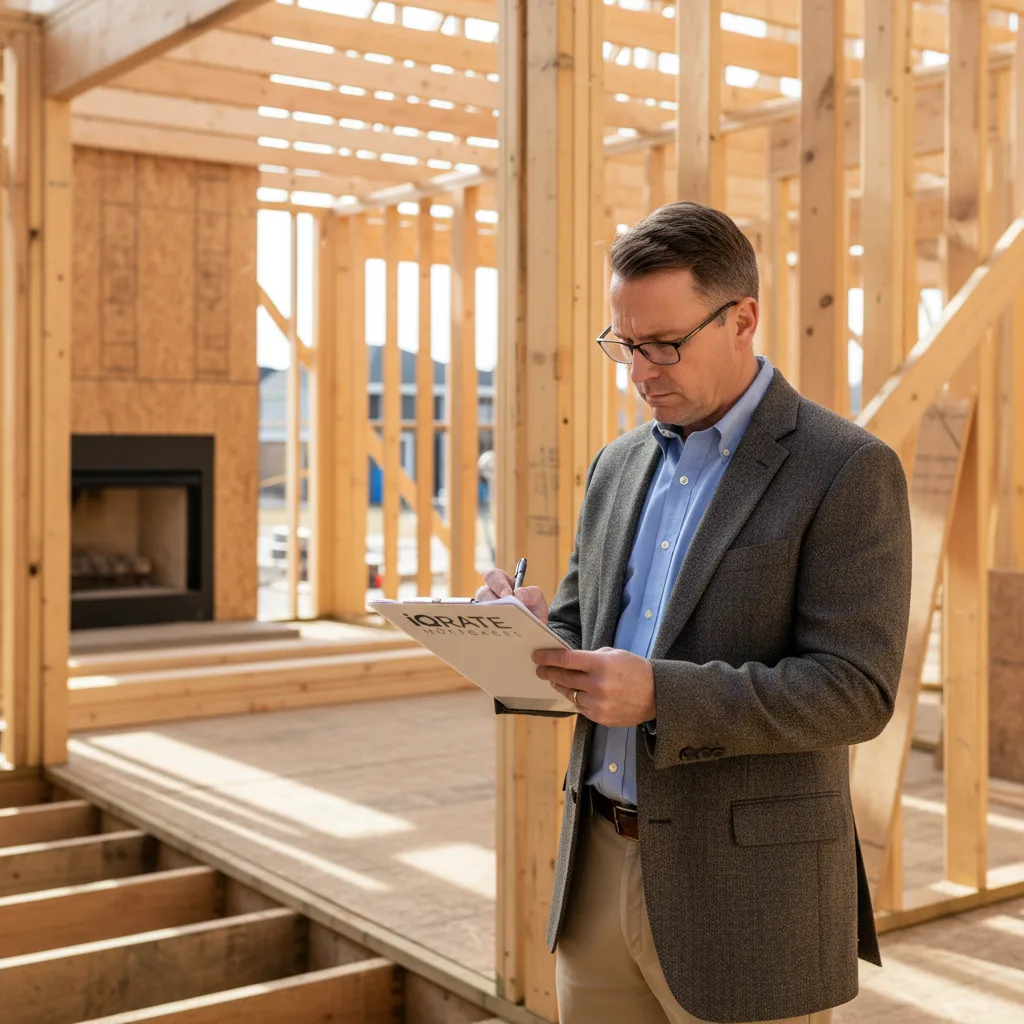
The schedule is negotiated between you, your builder, and the lender before the loan closes. Each draw request triggers an inspection to verify progress.
How Draws Get Paid Out
Imagine you have a total construction cost of $700,000 for a new home in Sugar Land. A simplified draw schedule might look like this:
- Draw 1: Foundation (10% - $70,000): Released after the lot is cleared, forms are set, and the concrete foundation is poured and cured.
- Draw 2: Framing and Roofing (20% - $140,000): Paid after the home's structural frame, walls, and roof are completed.
- Draw 3: Exterior and Rough-ins (20% - $140,000): Released once windows, doors, and exterior siding are installed, and the initial plumbing, electrical, and HVAC systems are in place.
- Draw 4: Interior Finishes (25% - $175,000): Paid after insulation, drywall, and initial painting are done.
- Draw 5: Flooring and Fixtures (15% - $105,000): Released upon installation of cabinets, countertops, flooring, light fixtures, and plumbing fixtures.
- Final Draw: Punch List (10% - $70,000): The final payment is held until after the final inspection, the Certificate of Occupancy is issued, and any minor fixes on the 'punch list' are completed to your satisfaction.
This phased disbursement system ensures that money is only paid for work that has been verifiably finished.
Locking a Permanent Rate in Sugar Land
One of the biggest questions for borrowers building a home is how and when to lock in their permanent mortgage interest rate. Given that construction can take anywhere from 9 to 18 months, interest rates can fluctuate significantly from start to finish. This is especially important for budgeting in a high-value area like Sugar Land.
You generally have two options, defined by the type of construction loan:
- Single-Close Construction-to-Permanent Loan: This is the most popular option. It combines the construction financing and the permanent mortgage into one loan with a single closing. With this loan, you can often lock in your permanent interest rate before construction even begins. Some products also offer a 'float-down' option, allowing you to take advantage of lower rates if they become available near the project's completion. This provides rate security and peace of mind throughout the build.
- Two-Close Loan: This structure involves two separate loans. The first is a short-term, interest-only loan to finance construction. When the home is complete, you must apply for and close on a second, permanent mortgage to pay off the construction loan. You cannot lock a rate on the permanent mortgage until construction is nearly finished. This means you are exposed to interest rate risk during the build and must fully re-qualify for the second loan, which can be risky if your financial situation changes.
For most buyers, the single-close loan is the safer, more streamlined choice.
Down Payment Requirements for Construction Loans
Down payment requirements for construction loans are typically higher than for standard mortgages. Lenders see building a home as a riskier venture, so they require more 'skin in the game' from the borrower. While some government-backed programs may allow for lower down payments, most conventional construction loans require 20% to 25% down. (The data, information, or policy mentioned here may vary over time.)
Crucially, the down payment is calculated based on the total project cost, which includes both the cost of the land and the hard costs of construction.
Total Project Cost = Land Value + Total Construction Costs
However, if you already own the land, you can use the equity in your land toward the down payment. For example:
- Construction Budget: $800,000
- Lot Value (already owned outright): $250,000
- Total Project Cost: $1,050,000
- Required 20% Down Payment: $210,000
In this scenario, because your $250,000 in land equity is greater than the required $210,000 down payment, you would likely not need to bring any additional cash to closing for your down payment.
How Are Cost Overruns Handled During the Building Process?
Despite careful planning, cost overruns can happen. The price of materials might increase, or you might decide to make changes or upgrades mid-project (known as change orders). It is vital to understand how these are handled.
Lenders approve a loan for a specific amount based on the initial budget. They will not automatically increase the loan amount to cover overruns. The responsibility for covering any costs above the approved budget falls squarely on the borrower.
This is why most lenders require a contingency fund to be included in the original loan amount, typically 5-10% of the construction cost. This fund is reserved specifically for unexpected expenses. If costs exceed the budget, you will be required to pay the difference out of pocket before the lender will release the next draw. You cannot wait until the end of the project to settle the difference; it must be paid as it occurs to keep the project on track.
What Happens When the Construction is Complete?
Completing construction is a major milestone, but it's not the final step. A few key events must occur to transition from a building project to a home.
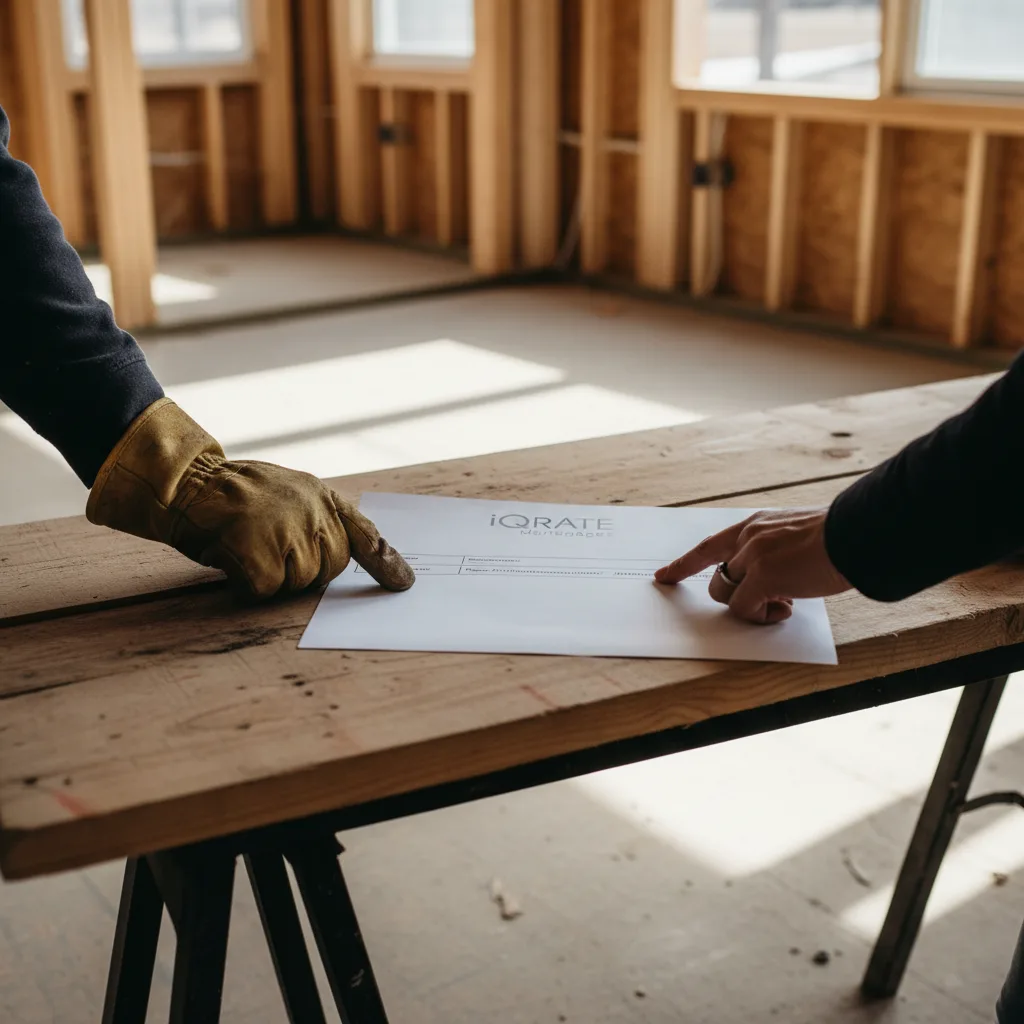
First, the builder will schedule a final inspection with the local building authority. Upon successful inspection, the city or county will issue a Certificate of Occupancy (CO), which legally certifies that the home is safe to live in.
Next, the lender will conduct its own final inspection to confirm the home was built according to the approved plans. Once the CO is issued and the lender's inspection is complete, the loan can be finalized. If you have a single-close loan, your loan automatically modifies into a permanent mortgage. The construction period ends, and you will begin making regular monthly payments of principal and interest. Any remaining funds in the construction loan account, including unused contingency funds, are typically applied to the principal balance of your new mortgage.
Can I Finance the Land Purchase and Construction With One Loan?
Yes, absolutely. This is one of the primary benefits of a construction-to-permanent loan. If you have found the perfect lot in Houston or a suburb like The Woodlands but don't own it yet, you can finance both the land acquisition and the construction of your new home within a single loan.
This process is highly efficient because it consolidates everything into one transaction. You have one application, one underwriting process, and one closing. The funds to purchase the lot are disbursed at the closing, and the construction funds are placed in escrow to be paid out via the draw schedule. This integrated approach saves you time, paperwork, and potentially thousands of dollars in closing costs compared to securing separate loans for the land and the construction. Building a custom home is an exciting journey, but the financing can be complex. To navigate the process smoothly and ensure your project is set up for success, it's wise to partner with a mortgage expert who specializes in construction loans. A specialist can help you prepare your finances, get your builder approved, and structure a loan that fits your budget and timeline.
Building your dream home is a major milestone, and securing the right financing is the foundation of your project's success. To navigate the process with confidence and partner with an expert in construction loans, take the first step. Apply now to get started.
Author Bio
David Ghazaryan is the expert mortgage strategist and founder behind iQRATE Mortgages. With a mission to fund home loans that traditional banks won't touch, David specializes in helping clients with unique financial situations, including those recovering from foreclosure or bankruptcy. He expertly crafts smart, strategic, and stress-free mortgages by leveraging a vast network of over 100 lenders to secure competitive rates for investors and homebuyers alike. Praised for exceptional customer service, David has helped hundreds of families with a 97% satisfaction rate, guiding them to the mortgage they deserve.
References
CFPB - What is a construction loan?









