


What is a Reconsideration of Value and When Should I Use It?
A 'Reconsideration of Value', or ROV, is the formal process of asking an appraiser to revise their valuation of a property. This is not simply a complaint that you disagree with the number; it is a structured rebuttal backed by specific evidence that suggests the initial appraisal was inaccurate. You are presenting a logical case for a higher value based on data the appraiser may have overlooked or misinterpreted.
You should only initiate an ROV when you have a strong, fact-based argument. Simply wanting a higher value is not enough. The ideal time to request a reconsideration is when you or your real estate agent identify one or more of the following issues:
- Clear Factual Errors: The report lists the wrong square footage, an incorrect number of bedrooms or bathrooms, or inaccurately describes the property's condition.
- Inappropriate Comparables: The appraiser used 'comps' (comparable properties) that are not truly similar, such as distressed sales, homes from a different neighborhood, or properties sold more than six months ago.
- Missed Upgrades: The appraisal report fails to account for significant recent improvements, like a new roof, a remodeled kitchen, or a finished basement.
Common Reasons for a Low Appraisal in the Houston Market
The real estate markets in Houston and its surrounding areas like Katy can be fast-paced and complex. This dynamism can sometimes contribute to appraisal discrepancies. An appraiser, even a skilled one, might miss key details under pressure or when dealing with a high volume of reports.
Here are some of the most common reasons a property might receive a low appraisal:
- Use of Outdated Comps: In a rapidly appreciating market, a sale from six months ago might not reflect today's values. An appraiser using old data can undervalue a home.
- Appraiser Unfamiliarity: An appraiser from outside the immediate area might not understand the specific nuances of a particular neighborhood in Katy. They may not realize one school district boundary or subdivision commands a premium over another just a few blocks away.
- Overlooking Key Features: Unique features like a custom-built patio, high-end smart home technology, or extensive landscaping might not be given adequate value if the appraiser is not familiar with their local market appeal.
- Distressed Sales as Comps: Using a foreclosure or short sale as a comparable property is a major red flag. These sales are not arms-length transactions and do not reflect true market value, yet they can sometimes be mistakenly included.
- Simple Clerical Errors: Mistakes happen. An appraiser might accidentally transpose numbers for square footage or misread public records, leading to a significant and incorrect reduction in value.
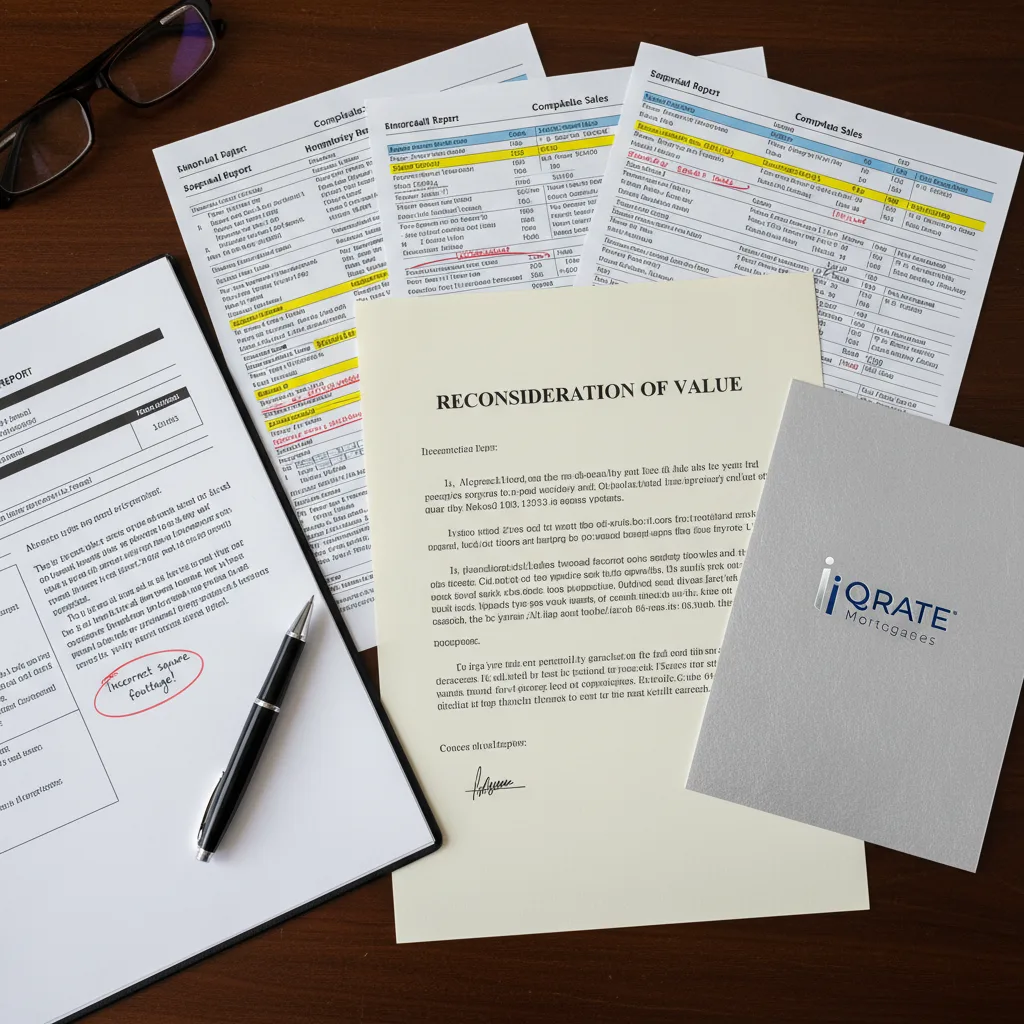
Evidence Needed to Build a Strong Rebuttal Case
Your challenge will only be as strong as the evidence you provide. Your goal is to give the lender and appraiser a clear, undeniable reason to adjust the value. Vague complaints will be dismissed. Your rebuttal package should be professional, organized, and data-driven.
Factual Errors in the Report
This is often the easiest type of challenge to win. Scrutinize every line of the appraisal report. Look for quantifiable errors such as:
- Incorrect gross living area (square footage).
- Wrong bedroom or bathroom count.
- Inaccurate lot size.
- Failure to note a finished basement, a garage, or a pool.
- Listing the wrong school district or misstating property taxes.
For each error, provide the correct information along with its source, such as a copy of the property tax record or building permits.

Inappropriate Comparable Sales
Analyze the comparable properties the appraiser selected. Are they truly comparable? Argue against a comp if it:
- Is a foreclosure, short sale, or other distressed property.
- Is located more than a mile away or in a clearly different neighborhood.
- Was sold over 6 months ago, especially in a rising market.
- Is significantly different in size, age, condition, or features.
Better Comparable Sales You've Found
This is the core of most successful rebuttals. Work with your real estate agent to identify 3-5 better, more relevant comparable sales that the appraiser missed. These are your 'suggested comps'.
Documentation of Upgrades
If you believe the appraiser did not give adequate credit for recent improvements, provide proof. This includes:
- Dated invoices and receipts for materials and labor.
- Copies of building permits for major renovations.
- Before-and-after photos of the project.
- A detailed list of the upgrades, the date they were completed, and their cost.
How to Find Better Comparable Properties in Katy
Finding superior comps is a collaborative effort, primarily led by your real estate agent who has direct access to the Multiple Listing Service (MLS). Simply finding homes with higher sales prices is not the goal; you need to find homes that are more accurate comparisons.
Here is a step-by-step process for identifying stronger comps for a home in a market like Katy:
- Define a Tight Geographic Radius: Start by searching within a half-mile of the subject property. Only expand the search if you cannot find enough recent sales in that tight radius.
- Filter by Recency: Look for properties that have closed within the last 90 days. In a stable market, you might go up to 180 days, but fresher data is always better.
- Match Key Characteristics: Filter the results to match your property's primary features:
- Square Footage: Within 10-15% of your home's size.
- Age: Built within 5-10 years of your home.
- Features: Same number of bedrooms, bathrooms, and garage spaces.
- Style: Compare a two-story home to other two-story homes.
- Analyze the Details: Once you have a list, dig into the photos and property descriptions. A comp is weak if the subject property has a fully updated kitchen and the comp has its original 1980s cabinets. Make notes of these key differences.
Example: The appraiser for your Houston home valued it at $480,000, using a comp that sold for $475,000 six months ago and is located across a major freeway. Your agent finds three homes within your same subdivision that sold in the last 60 days for $490,000, $495,000, and $500,000. These are much stronger indicators of current value and form the foundation of your rebuttal.
Who Submits the Appraisal Challenge?
This is a critical point that often causes confusion. You, the borrower, cannot contact the appraiser directly. Federal regulations require appraiser independence to prevent undue influence. All communication must go through the proper channels.
The process works like this:
- You and your real estate agent gather all your evidence into a single, organized document.
- You submit this rebuttal package to your loan officer or mortgage broker.
- The lender reviews the package. If they agree it has merit, they will formally submit the Reconsideration of Value request to the Appraisal Management Company (AMC) or directly to the appraiser who performed the original valuation.
- The appraiser then reviews the new information and decides whether to amend the report.
Your loan officer is your central point of contact throughout this process. They will manage the official submission and update you on the status.
What are the Chances of a Successful Value Increase?
It's important to set realistic expectations. Getting an appraisal value changed is challenging, but not impossible. Success largely hinges on the quality of your evidence.
- High Chance of Success: Your case is based on objective, verifiable data. For example, you provided proof that the appraiser listed the home's square footage as 2,200 when it is actually 2,500. This is a clear, factual error that is hard to dispute.
- Moderate Chance of Success: Your case is built around providing significantly better comparable sales that the appraiser missed. If your suggested comps are undeniably more relevant than the ones in the report, you have a solid argument.
- Low Chance of Success: Your case is based on subjective opinions. Arguing that the appraiser didn't appreciate the 'feel' of the home or that your view is 'better' than the comp's view is unlikely to succeed.
While there are no official public statistics, a well-documented rebuttal based on facts and superior data stands a reasonable chance of resulting in a value adjustment.
Other Options if the Appraisal Value Isn't Changed
If your ROV is denied and the appraisal value remains firm, the deal isn't automatically dead. You still have several paths forward, which typically depend on the terms of your purchase contract.
- Renegotiate the Price: You can go back to the seller, present the appraisal, and ask them to lower the sales price to match the appraised value. In a buyer's market, sellers are often willing to do this to save the deal.
- Cover the Appraisal Gap: If you have the extra cash, you can pay the difference. For example, if the price is $500,000 and the appraisal is $485,000, you would need to bring an additional $15,000 to closing on top of your planned down payment.
- Meet in the Middle: A common solution is for the buyer and seller to split the difference. In the example above, the seller might reduce the price by $7,500, and you would bring an extra $7,500.
- Request a Second Appraisal: Some lenders may be willing to order a completely new appraisal from a different appraiser. However, the borrower usually has to pay for it, and there is no guarantee the second value will be higher. It could even be lower. (The data, information, or policy mentioned here may vary over time.)
- Cancel the Contract: If your purchase agreement includes an appraisal contingency, you have the contractual right to walk away from the deal and have your earnest money deposit returned. This is your ultimate safety net. If you're facing a low appraisal in Houston, the first step is a calm, strategic conversation with your mortgage advisor. They can review the report with you and help determine if a Reconsideration of Value is your best path forward.
Navigating an appraisal challenge requires expertise and a strategic approach. Whether you're facing a valuation issue or just beginning your homebuying journey, our mortgage advisors are here to provide clear guidance. Let's review your options and ensure you're on the best path forward. Ready to take the next step? Apply now to connect with an expert.
Author Bio
David Ghazaryan is the expert mortgage strategist and founder behind iQRATE Mortgages. With a mission to fund home loans that traditional banks won't touch, David specializes in helping clients with unique financial situations, including those recovering from foreclosure or bankruptcy. He expertly crafts smart, strategic, and stress-free mortgages by leveraging a vast network of over 100 lenders to secure competitive rates for investors and homebuyers alike. Praised for exceptional customer service, David has helped hundreds of families with a 97% satisfaction rate, guiding them to the mortgage they deserve.
References
Consumer Financial Protection Bureau - What to do if your home appraisal comes in low









