


The Hidden Liability in Your Agent's Lender Choice
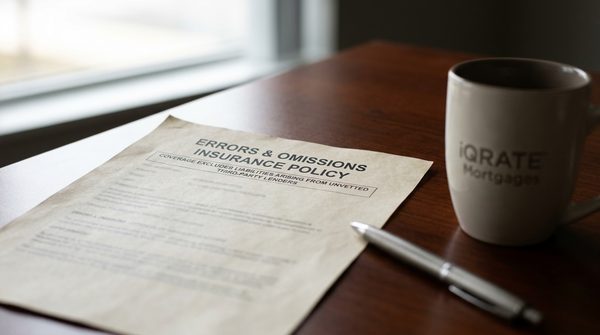
As a brokerage owner or team lead in Texas, you oversee dozens, if not hundreds, of transactions each year. You’ve invested heavily in building a brand known for professionalism and success. Yet, a significant and often overlooked risk lurks within every single deal: your agent's choice of a mortgage lender. While you empower your agents to build relationships, you retain the ultimate responsibility for the outcome. When an unvetted lender drops the ball on a deal in Austin, it isn't just the agent who fields the angry call; the negative review names your brokerage, and the potential lawsuit targets your E&O (Errors and Omissions) insurance policy. This concept, known as vicarious liability, means your business is accountable for the actions and errors of your agents, including their referral partner recommendations. A single agent’s misstep with a lender can unravel years of hard work, jeopardizing your company’s financial health and market standing.
How One Poor Lender Choice Triggers a Cascade of Risks
Choosing a lender based on a slick marketing email or a hollow promise of a fast closing can backfire spectacularly. For a brokerage, the consequences extend far beyond a single lost commission. They manifest as tangible financial, legal, and reputational damages that can impact your entire operation.

E&O Insurance at Risk: The Financial Fallout
Your E&O insurance is your financial safety net, but it's not invincible. Every claim filed against your brokerage can lead to a significant increase in your annual premiums or, in severe cases, non-renewal of your policy. Lender incompetence is a common catalyst for these claims. Imagine this scenario in the competitive Dallas market: your agent refers a client to a lender for a $850,000 home. The lender provides a pre-approval letter without proper vetting. Two weeks before closing, after the buyer has paid for an inspection and appraisal and their rate lock is about to expire, the lender denies the loan due to an 'internal underwriting overlay' they failed to disclose upfront. (The data, information, or policy mentioned here may vary over time.) The client loses their $8,000 earnest money deposit and the house. They are furious, and their first target is often the brokerage whose agent recommended the incompetent lender. The subsequent legal action becomes a direct claim against your E&O policy, impacting the profitability of your entire team for years to come.
Reputational Damage in the Austin & Houston Markets
In today's digital world, your brokerage’s reputation is its most valuable asset. A steady stream of five-star reviews builds trust and attracts top talent and high-value clients. A single negative review stemming from a mortgage fiasco can halt that momentum. Consider a homebuyer in Austin's fast-moving market. They rely on their agent's guidance completely. The agent suggests a lender who is unresponsive, misses deadlines, and causes a two-week closing delay, forcing the client to pay for temporary housing and storage. The deal eventually closes, but the client’s experience is ruined. Their review won't just criticize the lender; it will state, "My agent at [Your Brokerage Name] recommended a lender who was a nightmare and cost us thousands. I would never trust this brokerage again." That one comment poisons the well for countless prospects searching for a reliable real estate partner in Austin or Houston, directly impacting your lead generation and brand equity.
Navigating the Compliance Minefield: RESPA and Beyond
The regulatory landscape for real estate and mortgage lending is complex. Laws like the Real Estate Settlement Procedures Act (RESPA) and the Truth in Lending Act (TILA) carry strict rules about referrals and communication. When an agent works with an unvetted lender, they might unknowingly step into a compliance trap. For instance, a lender might offer an agent 'co-marketing' funds that are disproportionate to the actual marketing cost, which could be interpreted as an illegal kickback for referrals. Or a lender may fail to provide proper loan disclosures within the legally mandated timeframe, and the agent's failure to notice or act could be seen as complicity. Federal regulators like the CFPB do not accept ignorance as a defense. A RESPA violation can result in fines up to $10,000 and even jail time, with the brokerage often held liable for failing to provide adequate training and oversight.
The 'Brokerage Shield': A System for Defensible Operations
The solution isn't to micromanage your agents or forbid them from making referrals. The solution is to create a structured, defensible system that protects them and your business. This 'Brokerage Shield' is a set of standardized protocols for vetting partners, managing communication, and ensuring consistency. It establishes a 'safe harbor' of trusted, high-performing lenders, empowering your agents to make smart choices while insulating your brokerage from unnecessary risk.
Step 1: Standardized Financial Vetting for Lenders
A preferred lender list should be a mark of excellence, not a random collection of business cards. Implementing a formal vetting process ensures every lender you recommend meets a minimum standard of quality and reliability. This goes far beyond just looking at interest rates.
- Licensing and History: Verify their NMLS license is active and in good standing. Check for a history of public complaints or disciplinary actions.
- Communication Infrastructure: Do they have a dedicated team, including a processor and closer, assigned to each file? What is their documented process for weekly updates? Who is the point of contact for escalations?
- Product and Underwriting Knowledge: Can they handle complex financial situations, such as loans for self-employed individuals in Dallas or clients with unique income streams in Houston? A great lender has a broad product mix and understands underwriting guidelines inside and out.
- Performance Metrics: Ask for their track record. What is their average closing time? What percentage of their pre-approvals result in a successful closing? A reliable partner will have this data readily available.
Step 2: Implementing Ironclad Communication Protocols
Miscommunication is the root of most closing disasters. A Brokerage Shield establishes clear expectations for how and when information is shared. This creates a transparent and accountable process for everyone involved.
- Centralized Introduction: When an agent introduces a client to a vetted lender, the introduction should be documented via a group email that includes the agent, lender, and client, outlining the next steps and key contacts.
- Mandatory Weekly Updates: Require lenders on your preferred list to provide a written weekly status update every Tuesday to both the agent and the client. This simple step prevents files from falling through the cracks and ensures everyone is aware of progress and potential hurdles.
- Defined Escalation Path: If a lender becomes unresponsive or an issue arises, your agents need a clear, pre-defined path to resolve it. This could be a direct line to a branch manager or a regional vice president, ensuring problems are addressed before they derail a transaction.
Step 3: Enforcing Consistent Documentation and Handoffs
Consistency across your team is key to mitigating risk. By creating a standardized 'lender handoff package,' you ensure that every client file is set up for success from day one. This checklist-driven approach reduces errors and provides a clear record of due diligence.
- Borrower Intake Form: A standardized form that captures all critical client information, from contact details to a summary of their financial picture.
- Document Checklist: A simple checklist for agents to review with clients, ensuring all necessary initial documents (pay stubs, tax returns, bank statements) are gathered and ready for the lender. This minimizes the back-and-forth that causes so many delays.
- Signed Referral Disclosure: A simple, compliant document acknowledging that the agent is recommending a lender but that the client has the right to choose any lender they wish. This is a crucial piece of documentation for compliance purposes.
By implementing this three-step shield, you create a defensible, repeatable system. If a deal does go south, you have a clear paper trail demonstrating that your brokerage followed a prudent, professional, and compliant process, which is invaluable when dealing with E&O carriers or regulators.
Empower your agents with a reliable mortgage process that protects your brokerage and elevates your clients' experience. When you're ready to see how a streamlined, vetted lending partnership can benefit your team, begin the process by applying now.
Author Bio
David Ghazaryan is the expert mortgage strategist and founder behind iQRATE Mortgages. With a mission to fund home loans that traditional banks won't touch, David specializes in helping clients with unique financial situations, including those recovering from foreclosure or bankruptcy. He expertly crafts smart, strategic, and stress-free mortgages by leveraging a vast network of over 100 lenders to secure competitive rates for investors and homebuyers alike. Praised for exceptional customer service, David has helped hundreds of families with a 97% satisfaction rate, guiding them to the mortgage they deserve.
References
CFPB: Real Estate Settlement Procedures Act (RESPA)
National Association of REALTORS®: Errors and Omissions (E&O) Insurance









