


Why Most Lenders Reject Properties with Unpermitted Additions
Traditional lenders operate on a risk-avoidance model. When an appraiser flags an unpermitted addition, a 'cloud' on the title, or significant deferred maintenance, it creates a cascade of red flags for the underwriting department. The core issue is that the property, in its current state, may not be adequate collateral for the loan. Lenders see unpermitted work as a major liability for several reasons:
- Safety and Code Compliance: The work may not be up to local building codes, posing a safety risk. This is a common concern with older homes in Los Angeles that have had garage conversions or patio enclosures done without proper city oversight.
- Insurability: An insurance company might refuse to cover damage originating from the unpermitted section of the home, leaving the lender's investment unprotected.
- Legal Ramifications: The local municipality could require the homeowner to tear down the unpermitted structure, drastically reducing the property's value.
- Valuation Problems: An appraiser cannot legally include the square footage of an unpermitted addition in the home's official value. This often creates a gap between the contract price and the appraised value, causing the financing to fail.
Because of these risks, most conventional and even government-backed loan programs will automatically deny financing, leaving the seller with a property that is nearly impossible to sell to a financed buyer.
The 'Financing Solution Available' Marketing Angle
Instead of hiding a property's known flaws, the most effective strategy is to solve them before you even list the home. This allows you to market the property from a position of strength. By partnering with a specialized mortgage strategist who can pre-underwrite the property itself, you can confidently advertise it with a powerful message: 'Financing Solution Available'.
This approach fundamentally changes the dynamic. You are no longer just selling a house with problems; you are selling a house with a clear, pre-vetted path to ownership. This angle achieves several key objectives:
- Eliminates Buyer Fear: It removes the uncertainty and anxiety buyers feel when they see 'unpermitted' or 'needs work' in a listing description.
- Attracts Serious Offers: It signals to buyers and their agents that the seller is proactive and has already cleared the biggest hurdle.
- Widens the Buyer Pool: You are no longer limited to cash buyers or investors looking for a steep discount. Financed buyers can now compete for the property.
- Prevents Lowball Offers: The justification for a low offer, the 'problem', has already been solved, protecting your client's equity.

How Pre-Underwriting Title Issues Prevents Closing Delays
A clouded title is one of the most common reasons for a delayed or canceled closing. Issues like old liens from previous owners, boundary disputes, or unresolved inheritances can take weeks or even months to resolve. In a fast-moving market like San Jose, these delays can kill a deal as buyers move on to other properties.
Pre-underwriting a listing with a known title issue means a mortgage provider's legal and title experts review the preliminary title report before the home is listed. They identify the specific problem and map out the exact steps needed to clear it. This could involve tracking down heirs, negotiating a lien settlement, or filing a quiet title action.
By doing this work upfront, you can provide potential buyers with a clean title report or a clear action plan and timeline for resolving the issue. This transparency transforms a deal-killing problem into a manageable item on a closing checklist, ensuring a predictable and timely transaction.
Specific Loan Programs for Homes with Known Defects
When a home has known flaws that require repair, specific loan programs are designed to finance both the purchase and the renovation costs in a single mortgage. These are the tools that make the 'financing solution' angle possible.
FHA 203(k) Renovation Loan
This is a government-insured loan that allows buyers to finance the purchase price of a home plus the estimated cost of repairs. It is ideal for properties that need significant work to be habitable or meet FHA's minimum property standards.
- Example: A buyer in San Diego wants to purchase a home for $750,000, but it needs a $50,000 kitchen and bathroom remodel to qualify for financing. An FHA 203(k) loan could potentially be structured for around $800,000, plus financing costs, allowing the buyer to close on the home and then begin the renovations using the escrowed funds. (The data, information, or policy mentioned here may vary over time.)
Fannie Mae HomeStyle® Renovation Loan
This is a conventional loan product that serves a similar purpose to the FHA 203(k) but often offers more flexibility. It can be used for a wider range of repairs and upgrades, including 'luxury' improvements that an FHA loan might not cover. It typically requires a higher credit score and a larger down payment than an FHA loan. (The data, information, or policy mentioned here may vary over time.)
How to Create an 'Objection Handling' Package for Buyers
To effectively market a property with known flaws, you must anticipate and neutralize every potential buyer objection. The best way to do this is with a comprehensive 'Property Solution Package' that you can provide to interested parties and their agents. This package should be a clear, professional presentation demonstrating that you have solved the financing puzzle.
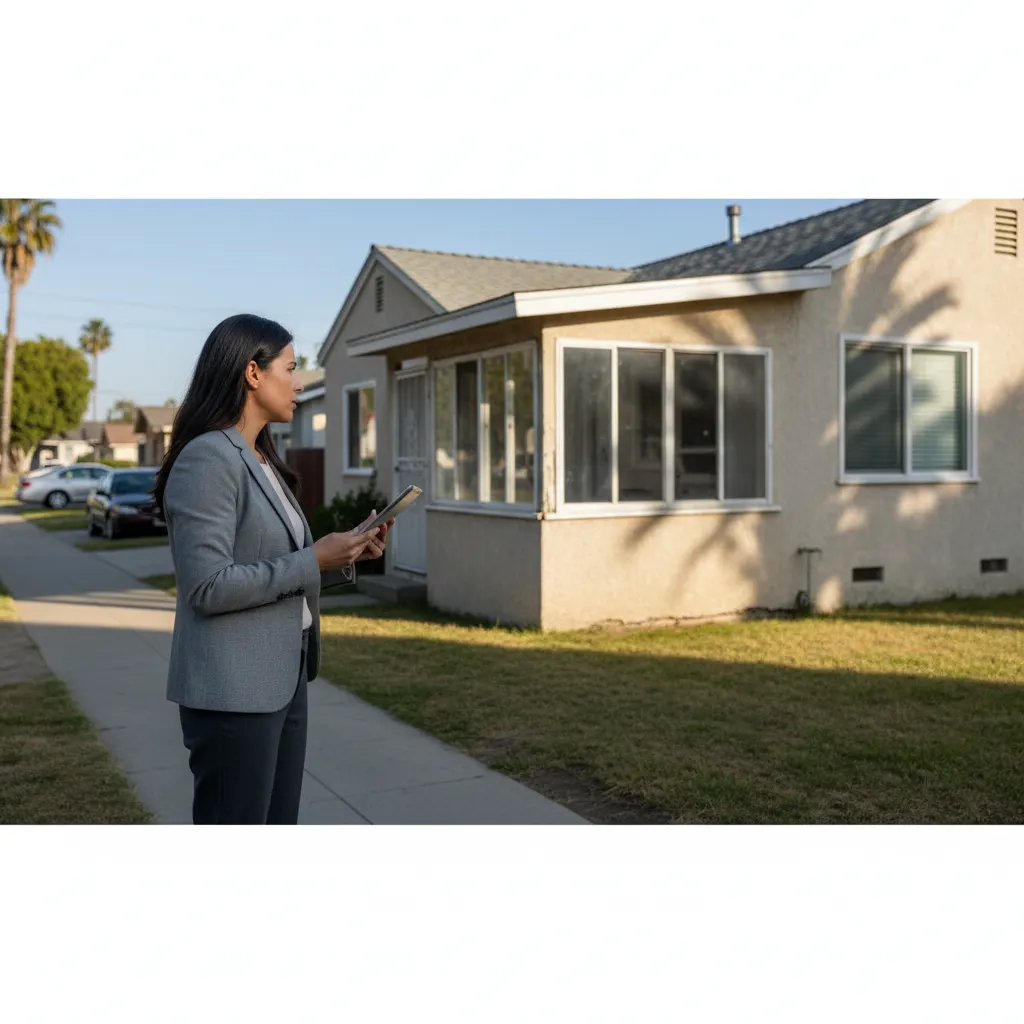
Your package should include:
- Lender's Property Analysis Letter: A letter from the mortgage provider stating they have reviewed the property's specific issues (e.g., unpermitted ADU, title cloud) and have a viable loan program to finance it for a qualified buyer.
- Contractor Bids: At least two detailed bids from licensed contractors outlining the scope of work and cost to remedy any physical defects.
- Financing Explanation: A simple, one-page summary of the proposed financing solution, such as an escrow holdback or a renovation loan.
- Supporting Documents: Copies of the preliminary title report, a pre-listing inspection report, and any available permits or architectural plans.
Presenting this package upfront builds immense credibility and turns a difficult conversation about property flaws into a positive discussion about a turnkey solution.
What Is an Escrow Holdback and How Does It Work?
An escrow holdback is a powerful tool for homes that need repairs that can be completed after closing. It is not a loan, but an agreement where a portion of the seller's proceeds is held in an escrow account until specific, pre-defined repairs are finished by the buyer.
This solves a critical problem for lenders. They can close the loan with confidence, knowing the funds to fix the property's defects are guaranteed and controlled by a neutral third party.
Here’s a typical scenario:
- The Issue: A home in Los Angeles is under contract for $900,000, but the appraiser requires a $30,000 foundation repair as a condition of the loan.
- The Agreement: The buyer and seller agree to an escrow holdback. The lender requires 1.5 times the bid amount to be held, so $45,000 ($30,000 x 1.5) is set aside from the seller's funds at closing.
- Closing: The sale closes on time. The seller receives their proceeds minus the $45,000 holdback. The buyer gets the keys and title to the home.
- Repairs & Release: The buyer has an agreed-upon timeframe (e.g., 60 days) to complete the foundation repair. Once done, an inspector verifies the work, and the $45,000 is released to the seller. (The data, information, or policy mentioned here may vary over time.)
Justifying a Higher List Price with Lender Pre-Certification
Sellers often assume they must discount a flawed property to attract a buyer. This is only true if the flaw remains an unsolved problem. By securing a lender's pre-certification or 'Property Solution Underwriting', you have removed the single biggest element of risk and cost for the buyer: uncertainty.
A property with an unpermitted room and a pre-approved financing plan is fundamentally more valuable than the exact same property without that plan. The solution itself has tangible value. You are no longer asking a buyer to take a gamble; you are offering them a clear path forward. This allows you to list the property at a price that reflects its true post-repair market value, minus the documented cost of the repair, rather than an arbitrary 'headache' discount of 10-20%.
The Right Level of Property Analysis Before Listing
To successfully market a non-standard home, preparation is everything. A thorough pre-listing analysis is not optional; it is essential. This process goes beyond a standard home inspection.
- Identify the Core Issues: Commission a comprehensive pre-listing inspection from a reputable inspector to get a full picture of the property's condition.
- Quantify the Solution: Obtain written bids from licensed contractors for every major issue identified in the inspection report.
- Vet the Paperwork: Pull the full property title report, check for any open permits or code violations with the city, and review all HOA documents and bylaws.
- Engage a Mortgage Strategist: The most critical step is to partner with a lender or broker who specializes in complex properties. They can perform the 'Property Solution Underwriting' to analyze all the data you've collected and engineer the specific financing vehicle that will make the deal possible. Don't let property flaws devalue your listing. A proactive financing strategy can unlock its true potential. Contact a mortgage strategist to analyze your property's unique challenges and engineer a solution before you list.
If you're facing a complex property scenario and need a clear path to financing, we're here to help. See what's possible and apply for a specialized mortgage solution today.
Author Bio
David Ghazaryan is the expert mortgage strategist and founder behind iQRATE Mortgages. With a mission to fund home loans that traditional banks won't touch, David specializes in helping clients with unique financial situations, including those recovering from foreclosure or bankruptcy. He expertly crafts smart, strategic, and stress-free mortgages by leveraging a vast network of over 100 lenders to secure competitive rates for investors and homebuyers alike. Praised for exceptional customer service, David has helped hundreds of families with a 97% satisfaction rate, guiding them to the mortgage they deserve.
References
HUD FHA 203(k) Rehab Mortgage Insurance









