
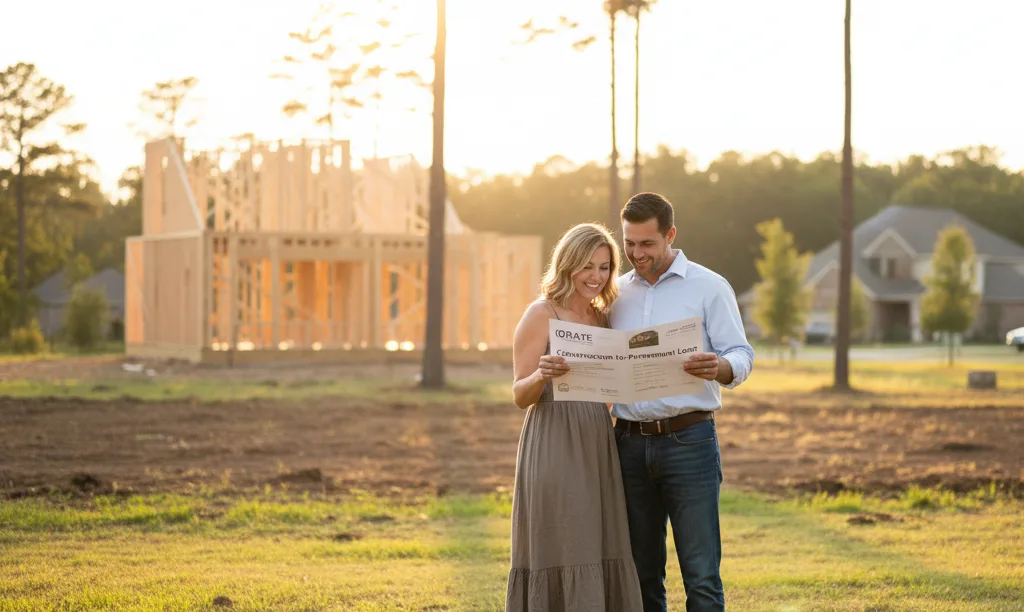

Construction-to-Permanent vs. Traditional Mortgages
When you buy an existing home, you apply for a standard mortgage. The lender appraises the finished property, approves the loan, and you get the keys at closing. Financing the construction of a new home is fundamentally different. There is no finished property to appraise, only a set of plans, a plot of land, and a contract with a builder. This introduces more variables and risk, which is why specialized financing is required.
A construction-to-permanent loan, often called a C2P loan, is a hybrid financial tool designed specifically for this purpose. It functions in two distinct phases:
- The Construction Phase: During this period (typically 9-12 months), the loan acts as a line of credit. Your builder receives funds in stages, known as 'draws', as they complete specific milestones. During this time, you typically only pay interest on the amount of money that has been drawn.
- The Permanent Phase: Once construction is complete and a certificate of occupancy is issued, the loan automatically converts into a standard, permanent mortgage. You then begin making principal and interest payments, just like you would with any traditional home loan.
The key advantage is that this entire process is handled with a single application and a single closing, which is why it's also called a 'one-time close' loan.
One-Time Close vs. Two-Time Close Construction Loans
When seeking financing to build your dream home, you'll encounter two primary structures: the one-time close and the two-time close. While they achieve the same goal, their processes and risks are significantly different.
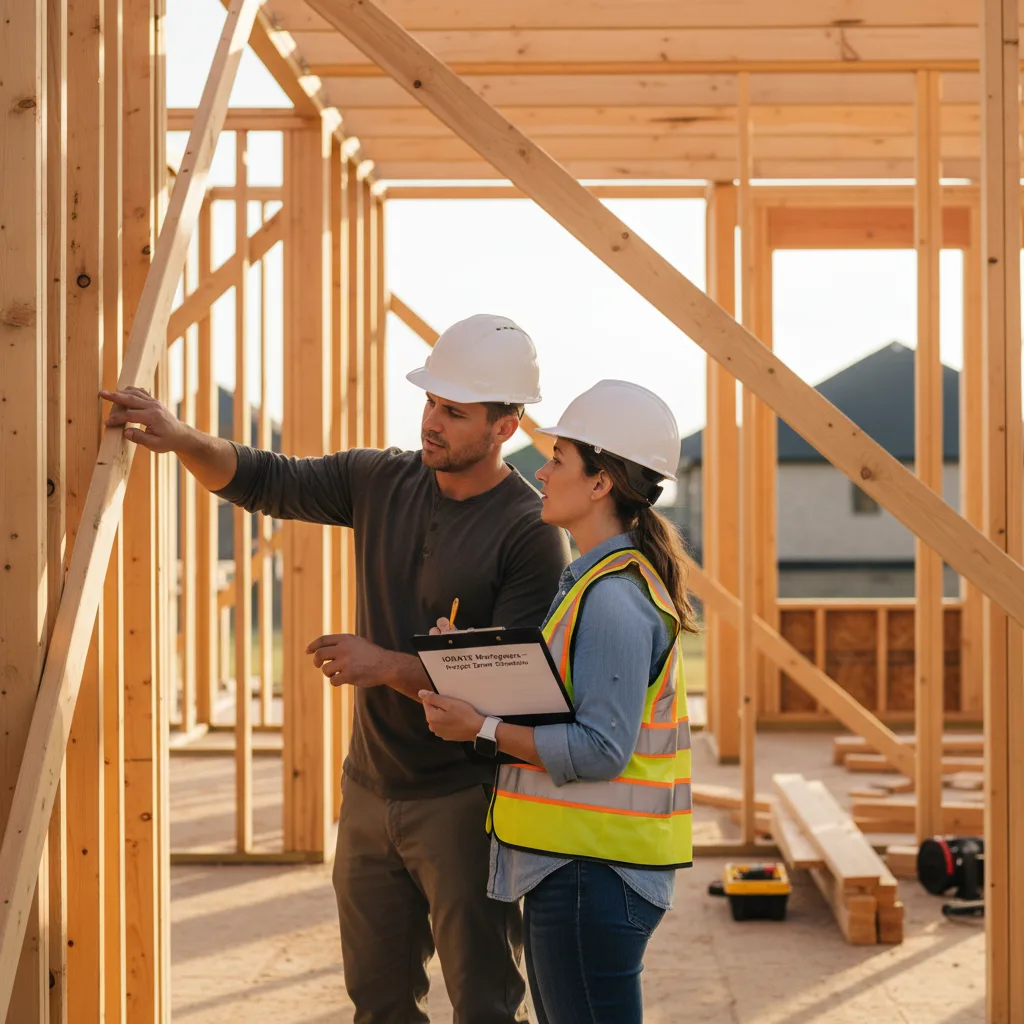
Understanding the One-Time Close (Construction-to-Permanent) Loan
This is the most popular and streamlined option. As the name implies, you go through the underwriting and closing process only once. Before any ground is broken on your lot in The Woodlands, you secure the financing for the entire project—from land purchase and construction draws to the final 30-year fixed-rate mortgage.
Pros:
- Rate Security: You lock in your permanent mortgage interest rate before construction begins, protecting you from rate hikes during the lengthy build process.
- Cost Savings: With only one set of closing costs, you save thousands on lender fees, title policies, and appraisals.
- Simplicity: One application, one underwriting process, and one closing day reduce paperwork and stress.
- Qualification Certainty: You are fully qualified for the permanent mortgage from day one. There's no risk of failing to qualify for a second loan after the home is built.
The Two-Time Close Loan Process
A two-time close involves two separate transactions. First, you secure a short-term, interest-only loan to finance the construction. Once the home is built, you must then apply for a brand-new, separate mortgage to pay off the construction loan.
Cons:
- Interest Rate Risk: You are fully exposed to market fluctuations. If rates rise during the 12-month build, your permanent mortgage will be more expensive.
- Double Closing Costs: You pay for two full closings, which can add significant expense to your project.
- Re-qualification Risk: Your financial situation could change during construction (e.g., job change, new debt). You must go through the entire underwriting process again and risk not being approved for the final mortgage, leaving you in a difficult position.
Down Payment Rules for New Home Construction in Texas
Down payment requirements for construction loans are generally more stringent than for purchasing an existing home because the lender is taking on more risk. The specific amount depends on the loan type and total project cost.
- Conventional Loans: Typically require a 10-20% down payment. For high-value projects, especially in desirable areas like Sugar Land, lenders may lean closer to 20%.
- FHA Construction Loans: Allow for a down payment as low as 3.5%, making them an accessible option. However, they come with stricter loan limits and mortgage insurance requirements.
- VA Construction Loans: For eligible veterans, it's possible to secure a VA construction loan with 0% down, a significant advantage.
Your down payment is calculated based on the total project cost, which includes the land purchase price (if applicable) and the total construction contract amount. (The data, information, or policy mentioned here may vary over time.)
Example: Let's say you plan to build a home in The Woodlands.
- Cost of the Lot: $150,000
- Total Construction Cost: $600,000
- Total Project Cost: $750,000
With a 20% down payment requirement, you would need to bring $150,000 in cash to closing. However, if you already own the land free and clear, you can often use the equity in your land to meet the down payment requirement.
How Lenders Vet Your Builder in Sugar Land
A lender will not fund a project without first approving your choice of builder. The builder’s reputation, financial stability, and experience are critical to ensuring the project is completed on time, on budget, and to code. This vetting process is non-negotiable and protects both you and the lender.

A lender's builder approval process in Sugar Land typically involves verifying:
- Licensing and Insurance: The builder must hold all necessary state and local licenses and carry sufficient general liability and workers' compensation insurance.
- Financial Health: Lenders review the builder's business credit, financials, and relationships with suppliers to ensure they are solvent and can manage project cash flow.
- Track Record: They will look at a portfolio of recently completed homes, especially those similar in scope and value to your proposed project.
- Client and Supplier References: The lender will contact past clients and key suppliers to confirm the builder's professionalism, communication, and history of paying their bills on time.
It's crucial to select a reputable builder who has experience with financed construction projects, as they will be familiar with the draw process and lender documentation requirements.
The Draw Schedule: How Your Builder Gets Paid
Your builder doesn't receive the full loan amount upfront. Instead, funds are disbursed according to a pre-approved payment plan called a 'draw schedule'. This schedule links payments to the completion of specific construction milestones.
A typical draw schedule is broken into 5-10 phases. Here is a simplified example:
- Draw 1: Foundation (10%): Released after the lot is cleared, forms are set, and the foundation is poured and cured.
- Draw 2: Framing and Roofing (20%): Released once the house is fully framed, sheathed, and the roof is installed.
- Draw 3: Rough-ins (15%): Released after plumbing, electrical, and HVAC systems are installed within the walls.
- Draw 4: Exterior and Interior Finishes (30%): Released after windows, siding, drywall, and initial paint are complete.
- Draw 5: Final Finishes (20%): Released after flooring, cabinets, countertops, fixtures, and final paint are done.
- Final Draw (5%): Released after the final inspection, receipt of the Certificate of Occupancy, and completion of any punch-list items.
Before each draw is released, a third-party inspector visits the site to verify that the work for that phase has been completed according to the plans. This ensures that the lender's money is being used as intended and the project is progressing on schedule. (The data, information, or policy mentioned here may vary over time.)
Locking Your Mortgage Interest Rate Before Construction
One of the most significant advantages of a one-time close construction loan is the ability to lock in your permanent mortgage interest rate before construction even starts. Given that building a custom home can take up to a year or more, this provides invaluable protection against a rising rate environment.
Lenders offer 'extended rate lock' options, typically for 6, 9, or 12 months. There may be a small fee for a longer lock, but it buys you peace of mind. Without it, the rate on your permanent mortgage would be determined by the market at the time construction finishes, which could be substantially higher than when you started. (The data, information, or policy mentioned here may vary over time.)
Managing Budget Overruns on Your Woodlands Project
Despite careful planning, cost overruns can happen due to rising material costs, weather delays, or design changes. Lenders anticipate this by requiring a 'contingency reserve'.
This reserve is typically 5-10% of the total construction cost and is included in the total loan amount. It's a dedicated fund set aside exclusively for unexpected, approved overruns. For a $600,000 construction project in The Woodlands, a 10% contingency reserve would add $60,000 to the loan, creating a safety net. (The data, information, or policy mentioned here may vary over time.)
If you make changes that exceed the contingency reserve, you will be required to pay the difference out-of-pocket before the lender will approve the final draw. Meticulous planning with your builder is the best way to stay on budget.
Can You Finance the Land Purchase with the Loan?
Yes, a key feature of a construction-to-permanent loan is its ability to finance the land purchase as part of the total package. This simplifies the process, allowing you to acquire the lot and fund the build within the same loan.
There are two common scenarios:
- You Do Not Own the Land: The C2P loan is structured to close and fund everything at once. The first disbursement from the loan pays the seller for the land, officially transferring ownership to you.
- You Already Own the Land: If you own the land outright or have significant equity in it, this works to your advantage. The equity you hold in the land can be used as all or part of your required down payment. For example, if you need a $150,000 down payment and your land is valued at $200,000, your land equity more than satisfies the lender's requirement, potentially allowing you to build with no additional cash out of pocket. Building a custom home is a complex project, and the financing should be the least of your worries. If you're exploring construction loans in Texas, understanding your options with an expert can provide clarity and confidence. A mortgage strategist can help you navigate builder approvals, draw schedules, and secure the right loan structure for your dream home.
Ready to turn your blueprint into a reality? Securing the right construction loan is the critical first step. Apply now to understand your options and lay a strong financial foundation for your dream home.
Author Bio
David Ghazaryan is the expert mortgage strategist and founder behind iQRATE Mortgages. With a mission to fund home loans that traditional banks won't touch, David specializes in helping clients with unique financial situations, including those recovering from foreclosure or bankruptcy. He expertly crafts smart, strategic, and stress-free mortgages by leveraging a vast network of over 100 lenders to secure competitive rates for investors and homebuyers alike. Praised for exceptional customer service, David has helped hundreds of families with a 97% satisfaction rate, guiding them to the mortgage they deserve.
References
CFPB: What is a construction loan?









