


DPA Grant vs. Forgivable Second Mortgage: What's the Catch?
Many homebuyers in Texas hear 'assistance' and think 'free money', but the structure of these programs is critical. The two most common types are grants and forgivable second mortgages, and they are not the same.
DPA Grant: This is the closest thing to 'free money'. A grant provides funds for your down payment that you do not have to repay, as long as you meet the initial qualifications. These are less common because they offer a direct cash benefit with no repayment mechanism. They are highly sought after and often have stricter eligibility rules or are available in very specific areas.
Forgivable Second Mortgage: This is the most prevalent form of DPA in Houston and Austin. You receive funds for your down payment, and in return, a second lien is placed on your property. This loan carries no monthly payment and is 'forgiven' over a set period, typically 3 to 10 years. The catch is that you must live in the home as your primary residence for that entire period. If you sell, refinance, or move out before the forgiveness period ends, you must repay the loan, often in full.
Example: You buy a $350,000 home in a suburb of Austin using a $15,000 DPA forgivable loan with a five-year forgiveness term. If you live there for all five years, the loan disappears. However, if you get a job transfer and sell after three years, you will likely have to repay the full $15,000 from your sale proceeds at closing.
Do Down Payment Assistance Programs Have Higher Mortgage Rates?
This is not a myth; it's a reality of risk management for lenders. In many cases, the interest rate on a primary mortgage paired with a DPA program will be slightly higher than the rate on a loan without assistance. This can range from a 0.25% to 0.50% increase. (The data, information, or policy mentioned here may vary over time.)
Lenders view a low-down-payment loan as higher risk. The DPA provider is also taking a risk. To offset this, the interest rate is adjusted upward. While a higher rate may seem like a bad deal, you have to weigh it against the alternative. Saving up a 3.5% down payment on a $300,000 home in Houston ($10,500) could take years. During that time, home prices and interest rates could rise significantly, costing you far more in the long run than the slightly higher rate from a DPA program.
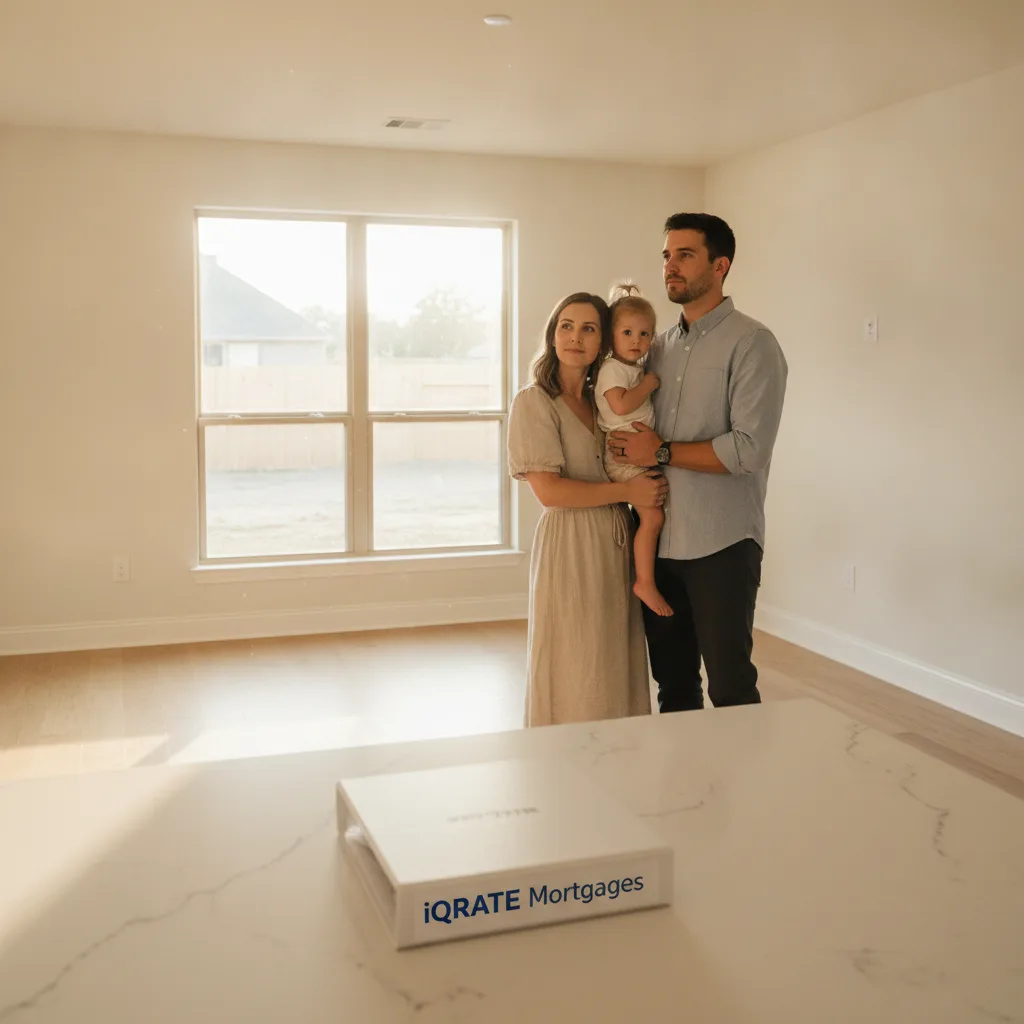
Think of the higher rate as the 'cost' of getting into a home sooner and starting to build equity immediately.
Income and Purchase Price Limits in Houston and Austin
Down payment assistance programs are not designed for high-income earners or luxury properties. They are specifically targeted to help low-to-moderate-income households achieve homeownership. Each program has strict limits that are usually based on the Area Median Income (AMI) of the county.
Income Limits: These qualifications depend on your household size and the county where you're buying. For example, a DPA program in Harris County (Houston) might have an annual income limit of $95,000 for a three-person household. (The data, information, or policy mentioned here may vary over time.) In Travis County (Austin), where the cost of living is higher, that same program might have an income limit of $110,000. (The data, information, or policy mentioned here may vary over time.)
Purchase Price Limits: The program will also dictate the maximum price of the home you can buy. This ensures the assistance is used for modest, affordable housing. In Houston, the limit might be $410,000, while in Austin it could be closer to $475,000, reflecting the different market values. (The data, information, or policy mentioned here may vary over time.)
These limits are non-negotiable and are updated periodically, so it's essential to check the specific requirements of the program you're interested in.
Can I Sell or Refinance with a DPA Loan?
Yes, you can, but this is where the 'trap' can be sprung if you aren't prepared. If your DPA was a forgivable second mortgage, selling or refinancing your home before the end of the forgiveness period will trigger a repayment clause.
This means the remaining balance of the DPA loan becomes immediately due. The funds to repay it are typically taken from your profits during a sale or wrapped into your new loan amount during a refinance.
Some DPA programs may allow for 'subordination'. This is a process where the DPA provider agrees to remain in a second lien position behind your new primary mortgage when you refinance. However, subordination is not guaranteed, involves extra paperwork, and may be denied if the refinance involves taking cash out.
How DPA Works with FHA vs. Conventional Loans
Most DPA programs are designed to pair seamlessly with government-backed loans, but options for conventional loans exist as well.
FHA Loans: This is the most common pairing. FHA loans only require a 3.5% down payment and have flexible credit score requirements, making them ideal for first-time buyers. A DPA program can cover that entire 3.5%, significantly lowering the barrier to entry. The primary downside is that FHA loans require an upfront and monthly Mortgage Insurance Premium (MIP), which, for down payments of less than 10%, lasts for the life of the loan.
Conventional Loans: Some DPA programs work with conventional loans like Fannie Mae’s HomeReady or Freddie Mac’s Home Possible. These loans may only require a 3% down payment. The advantage here is that Private Mortgage Insurance (PMI) on a conventional loan can eventually be cancelled once your home equity reaches about 20%, saving you money in the long term.
Uncovering Hidden Fees and Repayment Rules
The costs associated with DPA are rarely 'hidden', but they are often located in the fine print. You must proactively look for them. Key things to watch out for include:
- Administrative Fees: Some DPA providers charge a non-refundable fee to process your application.
- Recapture Clauses: This is the formal term for the rule requiring repayment if you sell, move, or refinance early.
- Primary Residence Requirement: You must occupy the home as your main residence. Turning it into a rental property before the forgiveness period ends will trigger repayment.
- Mandatory Education: Most programs require you to complete a homebuyer education course, which often has a small fee associated with it.

How Much Cash Do I Still Need for Closing with DPA?
A common misconception is that DPA means you need zero cash to buy a home. This is almost never true. While DPA can cover your entire down payment, you are still responsible for several out-of-pocket expenses.
You will likely need your own funds for:
- Earnest Money Deposit: This is a good-faith deposit (usually 1% of the purchase price) you make when your offer is accepted. (The data, information, or policy mentioned here may vary over time.)
- Appraisal Fee: This is paid upfront to the appraiser and typically costs $500-$700. (The data, information, or policy mentioned here may vary over time.)
- Inspection Fee: A thorough home inspection is critical and costs $400-$600. (The data, information, or policy mentioned here may vary over time.)
- Closing Costs: These are fees for services like title insurance, loan origination, and attorney fees. They typically amount to 2-5% of the loan amount. (The data, information, or policy mentioned here may vary over time.) Some DPA programs provide extra funds for closing costs, but they rarely cover everything.
For a $320,000 home in Texas, even with a DPA program covering your down payment, you should budget to have at least $4,000 to $7,000 in personal savings to handle these crucial expenses.
Finding Approved DPA Lenders in Texas
You cannot go to just any bank or lender to get DPA. The organizations that provide these funds, like the Texas Department of Housing and Community Affairs (TDHCA) or city-specific programs, have a list of approved mortgage lenders who have been trained to process these specialized loans.
The best strategy is to first research the DPA programs available in your target city, like Houston or Austin. Once you identify a program that fits your needs, you can find a list of their approved lenders on their website. Alternatively, working with an experienced mortgage broker can be a shortcut, as they are often already approved with multiple DPA providers and can quickly match you with the right program and loan. Navigating DPA programs in Texas can feel complex, but they can be a powerful tool for homeownership. To see if you qualify and understand the true cost for your situation, connect with a mortgage expert who specializes in these programs.
Understanding if a DPA program is the right path for you starts with knowing your options. If you're ready to explore your qualifications and see how these programs could fit into your homebuying journey, you're invited to apply for a mortgage and take the first step.
Author Bio
David Ghazaryan is the expert mortgage strategist and founder behind iQRATE Mortgages. With a mission to fund home loans that traditional banks won't touch, David specializes in helping clients with unique financial situations, including those recovering from foreclosure or bankruptcy. He expertly crafts smart, strategic, and stress-free mortgages by leveraging a vast network of over 100 lenders to secure competitive rates for investors and homebuyers alike. Praised for exceptional customer service, David has helped hundreds of families with a 97% satisfaction rate, guiding them to the mortgage they deserve.
References
Texas Department of Housing and Community Affairs (TDHCA) - My First Texas Home









