


Sourcing and Seasoning Funds: What Nevada Lenders Look For
When you apply for a mortgage in the United States, lenders are legally required to verify the origin of every dollar you use for your down payment and closing costs. This process is governed by federal regulations like the Bank Secrecy Act, designed to prevent money laundering. For homebuyers using funds from outside the U.S., this scrutiny is even more intense. Lenders focus on two key concepts: sourcing and seasoning.
- Sourcing is the process of proving where your money came from. It's not enough to show you have the cash; you must provide a clear, documented history that demonstrates the funds were obtained legally. This could be from savings, the sale of an asset, or a legitimate gift.
- Seasoning refers to the length of time the money has been in a U.S. bank account. Lenders want to see the funds resting in an account that is under your control. This proves the money is yours and not a last-minute, undocumented loan from someone else.
Failing to properly source and season your funds is one of the most common reasons for mortgage delays and denials, especially for international buyers looking at properties in high-demand areas like Las Vegas or Henderson.
The 60-Day Rule: How Long to Season Your Funds
The standard requirement for seasoning funds is a minimum of 60 days. This means your down payment money should be deposited into your U.S. bank account and left untouched for at least two full monthly statement cycles before you submit your mortgage application. The data, information, or policy mentioned here may vary over time.
Why 60 days? This timeframe allows the lender to review two complete bank statements from your U.S. account. If the money has been in the account for that long, it is considered a seasoned asset. The lender will still verify the initial deposit, but the seasoning adds a layer of stability and legitimacy to the funds.
If you apply for a mortgage before the 60-day period is over, the funds are considered 'unseasoned'. This isn't a deal-breaker, but it means you must provide a much more detailed paper trail directly from the foreign source account, which can be a more complicated and time-consuming process.
Pro Tip: The best strategy is to transfer your funds to a U.S. bank account as soon as you decide to start your home search in Nevada. This starts the seasoning clock early and simplifies your mortgage application down the line.
Required Documents for Your Foreign Down Payment
To create a clear paper trail for your lender, you need to assemble a comprehensive file of documents. Being proactive and organized here will save you significant time and stress. Whether you are buying a family home in Reno or an investment property in Las Vegas, the required documentation is consistent. The data, information, or policy mentioned here may vary over time.
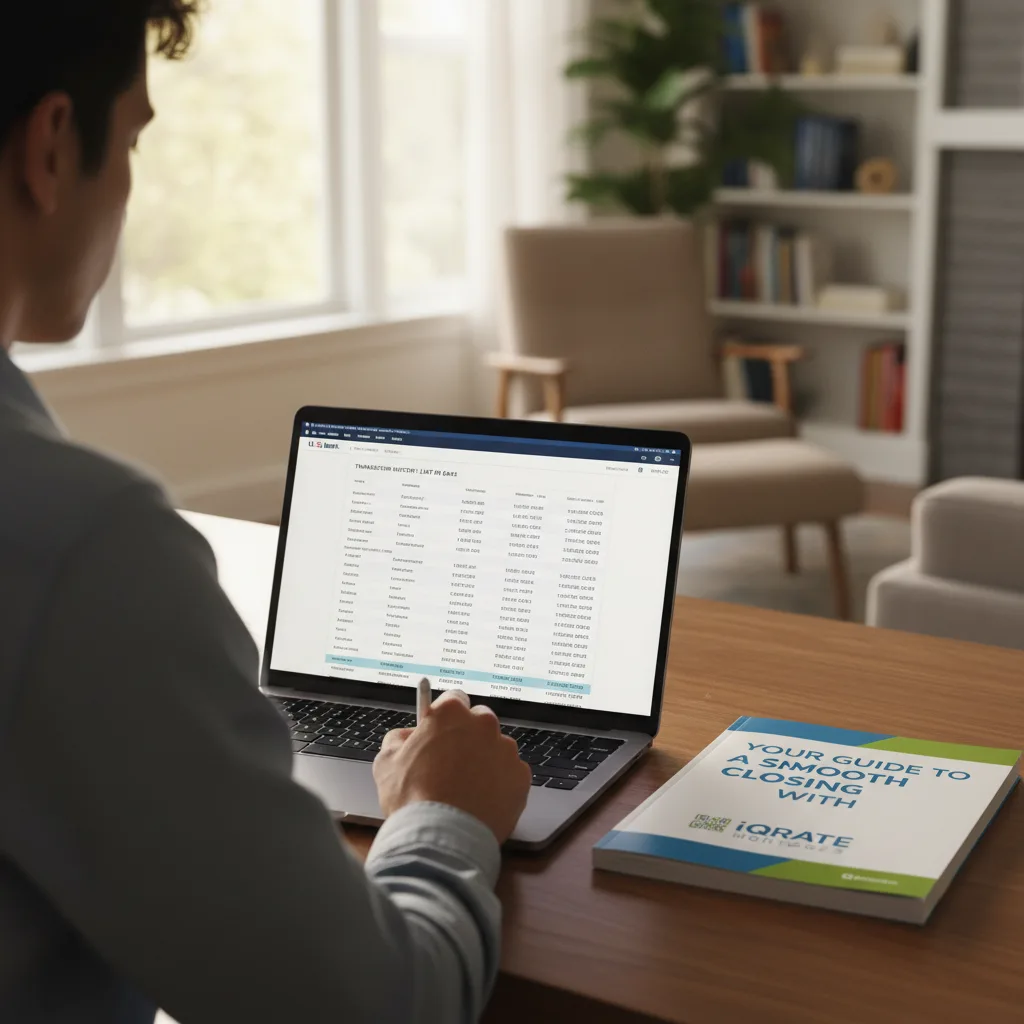
Here is a checklist of what you will likely need to provide:
- Foreign Bank Statements: At least two months of statements from the foreign account where the funds originated. These statements should show your name and the account number.
- Wire Transfer Receipts: The official confirmation document (like a SWIFT confirmation) for the wire transfer from your foreign account to your U.S. account. This receipt should detail the sending and receiving banks, account numbers, and the exact amount transferred.
- U.S. Bank Statements: The statement from your U.S. bank account showing the corresponding deposit of the wired funds. The amount should match the wire transfer receipt exactly, accounting for any currency conversion rates and transfer fees.
- Letter of Explanation (LOX): A simple, signed letter explaining the transaction. State that you transferred funds from your foreign personal savings account to your U.S. account for the purpose of purchasing a home.
Using Proceeds from a Foreign Property Sale
Using the profits from selling a home abroad is a very common and acceptable way to fund your down payment. However, it requires an even more detailed paper trail to connect the sale to the funds in your account.
In addition to the standard documents, you will need to provide:
- A copy of the final sales contract for the foreign property. In the U.S., this is often called a Closing Disclosure or Settlement Statement. You will need the equivalent document from the country where the property was sold.
- Proof of the proceeds being deposited into your foreign bank account. The bank statement should show a large deposit that matches the net proceeds from the sale document.
- A complete trail showing the funds moving from that deposit, being wired to the U.S., and landing in your American bank account.
An underwriter must be able to follow the money from the property sale directly to your U.S. account without any gaps. The data, information, or policy mentioned here may vary over time.
Special Rules for Gifts from Foreign Family Members
Using a financial gift from a family member living abroad is permitted, but it comes with strict documentation requirements. Lenders scrutinize gift funds closely to ensure they are true gifts and not disguised loans. The data, information, or policy mentioned here may vary over time.

Here’s what you and your family member will need to provide:
- A Signed Gift Letter: This is a formal letter from the person giving you the money (the donor). It must state their name, your name, their relationship to you, the exact dollar amount of the gift, and a clear statement that 'this is a bona fide gift and there is no expectation of repayment.' The letter must be signed and dated by both you and the donor.
- Proof of the Donor's Ability to Give: The donor must provide their own bank statement showing they had the funds available to give. This proves the money is theirs and from a legitimate source.
- Proof of Transfer: You'll need the wire transfer receipt showing the funds moving directly from the donor's account to your U.S. account.
For example, if your parents in Canada are gifting you $50,000 for a down payment on a home in Henderson, they must provide their bank statement showing they had at least $50,000, sign a gift letter, and provide the wire confirmation for the transfer.
What If My Documents Aren't in English?
This is a critical point that can halt a mortgage application instantly. All documents submitted to a U.S. lender must be in English. If your bank statements, sales contracts, or other official papers are in another language, you must have them professionally translated.
You cannot translate the documents yourself, nor can a friend or family member. The translation must be performed by an independent, certified third-party translator. The translator must also provide a signed 'Certificate of Translation Accuracy' attesting that the translation is true and correct. This translated packet is then submitted to the lender along with the original documents.
Avoiding Red Flags: Large Transfers and Business Funds
How you move your money can be just as important as where it came from. Underwriters are trained to spot patterns that could indicate risky behavior.
Will a Large Wire Transfer Create Problems?
No, a single large wire transfer is actually the preferred method. It is transparent and easy to track. A wire for $100,000 from your foreign account to your U.S. account is straightforward to document with a single wire receipt and a single deposit record.
The primary red flag lenders look for is 'structuring'. This is when someone makes multiple, smaller deposits to avoid triggering bank reporting requirements. A series of small, unexplained cash deposits or transfers will almost certainly be questioned and can jeopardize your loan approval. It is always better to be transparent with a single, well-documented transfer.
How to Explain Funds from a Foreign Business Account
Using funds from a personal business account is possible but is one of the most complex scenarios. Lenders need to ensure that withdrawing a large sum of money will not negatively impact the financial stability of your business.
To use business funds, you will typically need to provide:
- Business Formation Documents: Proof that you own the business.
- Business Financials: Recent profit and loss statements and balance sheets.
- A Letter from a Certified Accountant: This is the most important piece. You will need a letter from the business's accountant confirming that the withdrawal of funds for your down payment is permissible and will not harm the ongoing operations of the company.
This level of documentation is necessary to assure the lender that you are not draining your primary source of income just to secure the home loan. The data, information, or policy mentioned here may vary over time. Navigating the documentation for foreign funds can be complex. Working with a mortgage expert who specializes in unique financial situations ensures every detail is handled correctly from the start. A specialist can help you prepare your file to avoid underwriting delays and secure your new home in Nevada.
The journey to buying a home in Nevada with international funds has its complexities, but you don't have to navigate it alone. If you're ready to take the next step with your financial documentation perfectly prepared, our team is ready to help. Apply now to start the pre-approval process and move closer to your new home.
Author Bio
David Ghazaryan is the expert mortgage strategist and founder behind iQRATE Mortgages. With a mission to fund home loans that traditional banks won't touch, David specializes in helping clients with unique financial situations, including those recovering from foreclosure or bankruptcy. He expertly crafts smart, strategic, and stress-free mortgages by leveraging a vast network of over 100 lenders to secure competitive rates for investors and homebuyers alike. Praised for exceptional customer service, David has helped hundreds of families with a 97% satisfaction rate, guiding them to the mortgage they deserve.
References
Fannie Mae Selling Guide: Asset Documentation
Consumer Financial Protection Bureau (CFPB) - Remittance Transfers
Financial Crimes Enforcement Network (FinCEN) - Bank Secrecy Act









