

What Are VA Minimum Property Requirements (MPRs)?
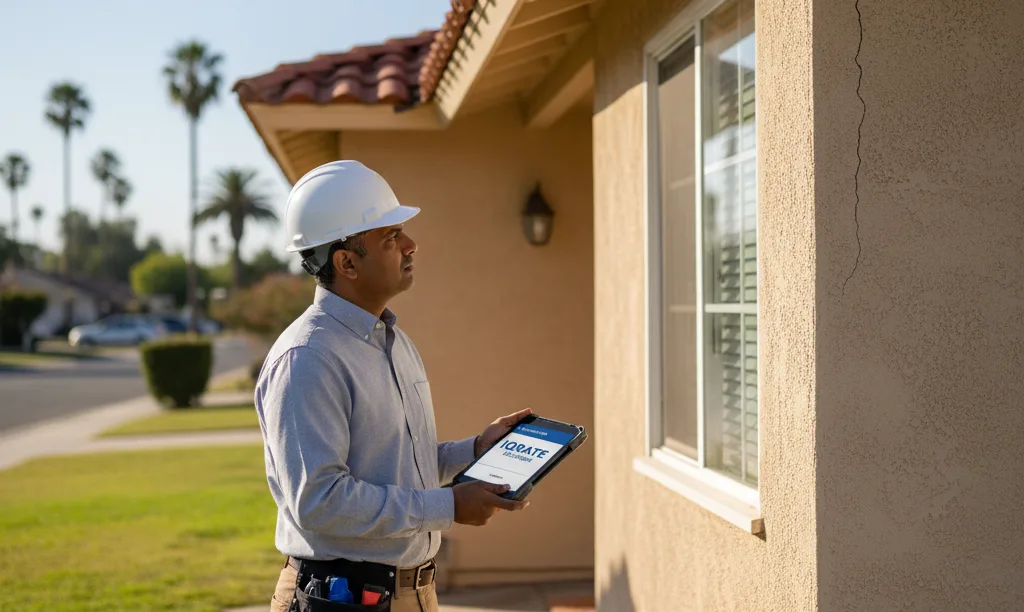
The VA loan program helps service members, veterans, and eligible surviving spouses purchase homes with significant benefits like no down payment and no private mortgage insurance. To protect both the veteran and the Department of Veterans Affairs, every home financed with a VA loan must meet a set of standards known as Minimum Property Requirements, or MPRs. These are not about cosmetic preferences; they are a baseline for ensuring the property is safe, structurally sound, and sanitary.
Think of MPRs as a non-negotiable checklist that the home must pass. The core focus is on the property's livability and ensuring it doesn't have issues that could endanger the occupant or turn into costly repairs immediately after purchase. The VA-assigned appraiser is responsible for verifying that the home meets these national standards during the appraisal process.
The 3 Pillars of VA MPRs
Every requirement falls under one of three guiding principles:
- Safety: The property must be free from hazards that could harm the occupants. This includes issues like exposed wiring, broken steps, missing handrails, or evidence of lead-based paint.
- Structural Soundness: The home must be structurally intact. The appraiser will look for significant foundation cracks, evidence of termite damage, a leaky roof, or wood rot that compromises the building's integrity.
- Sanitation: The home must have sanitary facilities and be habitable. This means it must have a clean water supply, a functioning and safe sewage disposal system, and properly working heating and plumbing.
How Is a VA Appraisal Different From a Regular Home Inspection?
This is a critical distinction that many first-time homebuyers in Riverside and San Bernardino get wrong. While both involve a professional examining a property, their purpose, scope, and who they serve are completely different.

The VA Appraisal is for the lender and the VA. Its purpose is to determine the home's fair market value and to confirm it meets the VA's Minimum Property Requirements. A successful VA appraisal is mandatory to secure the loan, and its outcome is a 'Notice of Value' (NOV) that establishes the property's value for the loan.
A Home Inspection is for the buyer. It is an optional but highly recommended step where a buyer hires a licensed inspector to conduct a deep-dive examination of the home's overall condition. The focus is on all systems and components, from the roof to the foundation. The outcome is a detailed inspection report that empowers you to negotiate repairs or even back out of the deal if major problems are found.
Common Reasons a Home in Riverside Fails the VA Appraisal
While every home is unique, certain issues frequently cause problems with VA appraisals, especially in areas like Riverside and San Bernardino that have a mix of new construction and older housing stock. Being aware of these red flags while you house-hunt can save you time and potential heartache.
Defective Roofing and Gutters
The roof is one of the first things a VA appraiser examines. It must have remaining economic life and effectively protect the home from moisture. An appraiser will flag a roof with active leaks, more than three layers of shingles, significant curling or missing shingles, or one that is clearly near the end of its lifespan.
Peeling Paint and Wood Rot
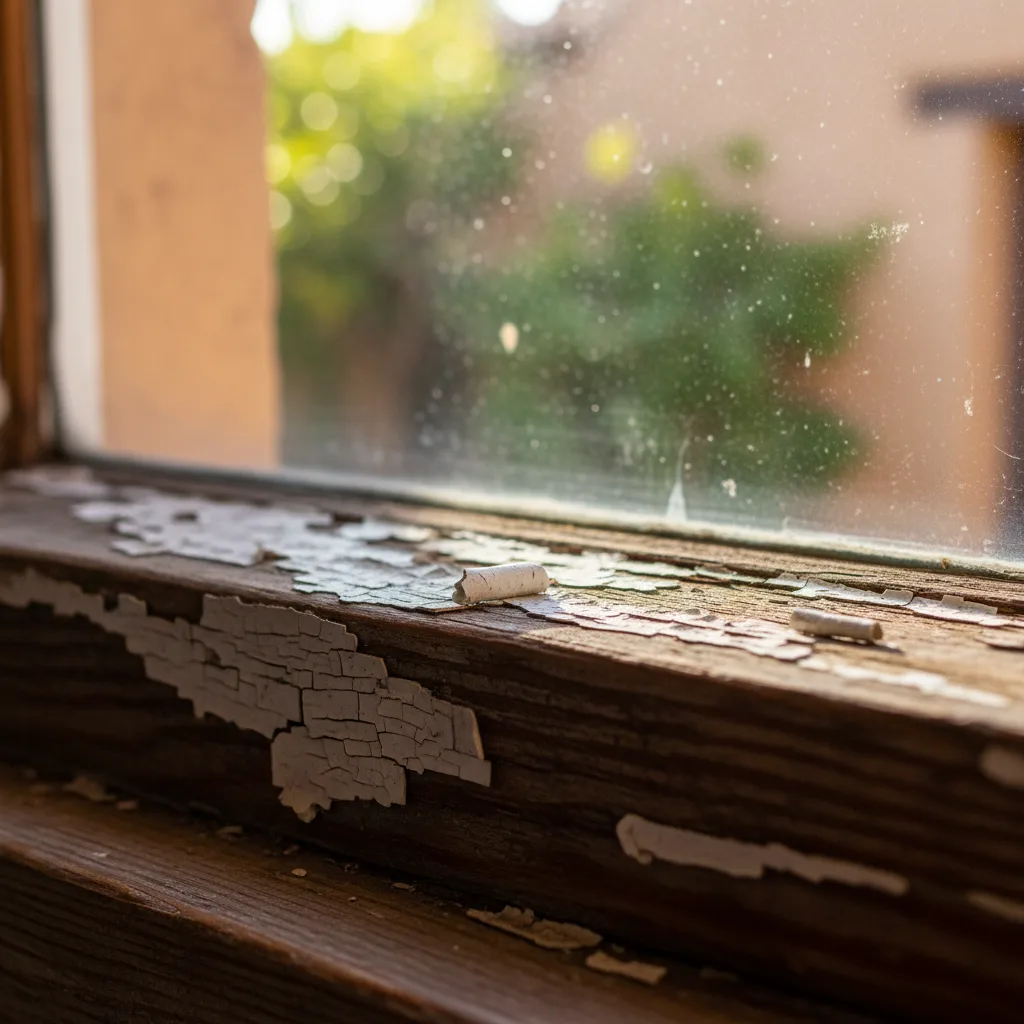
For any home built before 1978, peeling, chipping, or cracking paint is a major red flag due to the potential presence of lead-based paint. The VA requires that any such paint on both interior and exterior surfaces be scraped and repainted. The appraiser will also look for any evidence of wood rot, particularly on window sills, door frames, and fascia boards, as this indicates moisture intrusion and structural decay.
Inadequate Electrical and Plumbing Systems
Systems must be safe and functional. The appraiser will check for issues like exposed or frayed wiring, an outdated fuse box (knob-and-tube wiring is often a problem), and ensure there are no active plumbing leaks. They will also verify that there is adequate water pressure and that the water heater is functioning correctly.
Unsafe Stairs, Handrails, and Flooring
Safety is paramount. Any staircase, interior or exterior, without a handrail will be flagged. The appraiser will also note broken or missing steps and any significant damage to flooring that could create a tripping hazard, such as large cracks in concrete or severely damaged floorboards.
Pest Infestations
In California, a termite inspection (or wood-destroying pest report) is typically required for a VA loan. (The data, information, or policy mentioned here may vary over time.) The appraiser will look for evidence of any active infestation, such as termite damage, carpenter ants, or powderpost beetles. If an infestation is found, it must be treated, and any related damage must be repaired before the loan can close.
Poor Drainage and Foundation Issues
The property must have proper grading to ensure water drains away from the foundation. An appraiser will flag any evidence of standing water near the home, which can lead to foundation problems. They will also look for major foundation cracks or settlement issues that could compromise the home's structural integrity.
What Happens if Repairs Are Needed After the Appraisal?
If the appraiser identifies MPR violations, they will issue the Notice of Value 'subject to' the completion of specific repairs. This means the loan cannot be finalized until those issues are fixed and re-inspected. At this point, a negotiation begins.
Can the Seller Be Required to Make Repairs?
No, the seller cannot be forced to make repairs. However, since these MPR issues will likely be flagged by FHA appraisers as well, the seller is heavily incentivized to fix them to sell their home. The typical outcomes are:
- The Seller Agrees to Repairs: This is the most common resolution. The seller pays for and completes all required repairs before the closing date.
- The Buyer and Seller Negotiate: The seller might offer a price reduction to cover the cost of repairs, but this is complicated. The VA wants the home to be in move-in condition at closing, so the repairs must still be done beforehand.
- The Seller Refuses: If the seller is unwilling to make or pay for repairs, the buyer's only options are to walk away from the deal or see if they can switch to a different loan type, like a conventional loan, that might not require the repairs.
What Happens if the Home's Appraised Value Comes in Too Low?
Sometimes a home meets all MPRs, but the appraiser determines its market value is less than the agreed-upon sale price. The VA has a unique process to handle this called the Tidewater Initiative.
The Tidewater Initiative
If a VA appraiser believes the value will come in low, they must pause the appraisal and invoke the Tidewater Initiative. They will notify the lender, who then has two business days to provide the real estate agents an opportunity to submit additional comparable property sales that support the contract price. This proactive step gives buyers a chance to save the deal before a low value is officially recorded.
Reconsideration of Value (ROV)
If the Tidewater process doesn't result in a value change, the buyer can request a Reconsideration of Value. This formal appeal requires submitting compelling evidence, such as three recent comparable sales the appraiser may have overlooked, to challenge the appraised value.
If the value remains low, the buyer can either negotiate a lower price with the seller, pay the difference between the appraised value and the sale price in cash, or cancel the contract.
Are Fixer-Upper Properties in Riverside Eligible for VA Loans?
Generally, no. A standard VA purchase loan is designed for homes that are ready for occupancy. A property that needs significant work—a 'fixer-upper'—will almost certainly fail to meet the Minimum Property Requirements. However, veterans who want to purchase and renovate a home are not without options. The VA Renovation Loan allows a buyer to roll the purchase price and the cost of renovations into a single mortgage. This is a more specialized product and is not offered by all lenders, but it is the correct path for financing a fixer-upper with a VA-backed loan. (The data, information, or policy mentioned here may vary over time.)
Can I Switch to a Different Loan If the VA Appraisal Fails?
Yes, this can be a viable backup plan. If a home has MPR issues that the seller won't fix, or if you simply decide the VA process isn't right for the property, you can often switch to another loan program, assuming you qualify.
- Conventional Loan: These loans often have more flexible property guidelines than VA or FHA loans. A home with peeling paint or an older roof that a VA appraiser would flag might be perfectly acceptable to a conventional lender. (The data, information, or policy mentioned here may vary over time.)
- FHA Loan: While FHA also has its own property standards that are similar to the VA's, an FHA 203(k) 'Rehab' loan is another excellent option for financing a home that needs repairs, as it combines the purchase and renovation costs into one loan. (The data, information, or policy mentioned here may vary over time.)
Switching loan programs mid-process will require a new application and appraisal, so it’s important to discuss this strategy with your mortgage advisor early on to ensure it's a feasible option for your financial situation. Navigating the VA appraisal process can feel complex, especially with older homes. If you have questions about whether a property in Riverside or San Bernardino will qualify, a knowledgeable mortgage advisor can provide clarity and help you prepare for a smooth closing.
Ready to take the next step on your homebuying journey? Take a moment to Apply for a Mortgage today and gain a clear understanding of your purchasing power.
Author Bio
David Ghazaryan is the expert mortgage strategist and founder behind iQRATE Mortgages. With a mission to fund home loans that traditional banks won't touch, David specializes in helping clients with unique financial situations, including those recovering from foreclosure or bankruptcy. He expertly crafts smart, strategic, and stress-free mortgages by leveraging a vast network of over 100 lenders to secure competitive rates for investors and homebuyers alike. Praised for exceptional customer service, David has helped hundreds of families with a 97% satisfaction rate, guiding them to the mortgage they deserve.
References









