


Understanding Blanket Loans for Miami and Orlando Properties
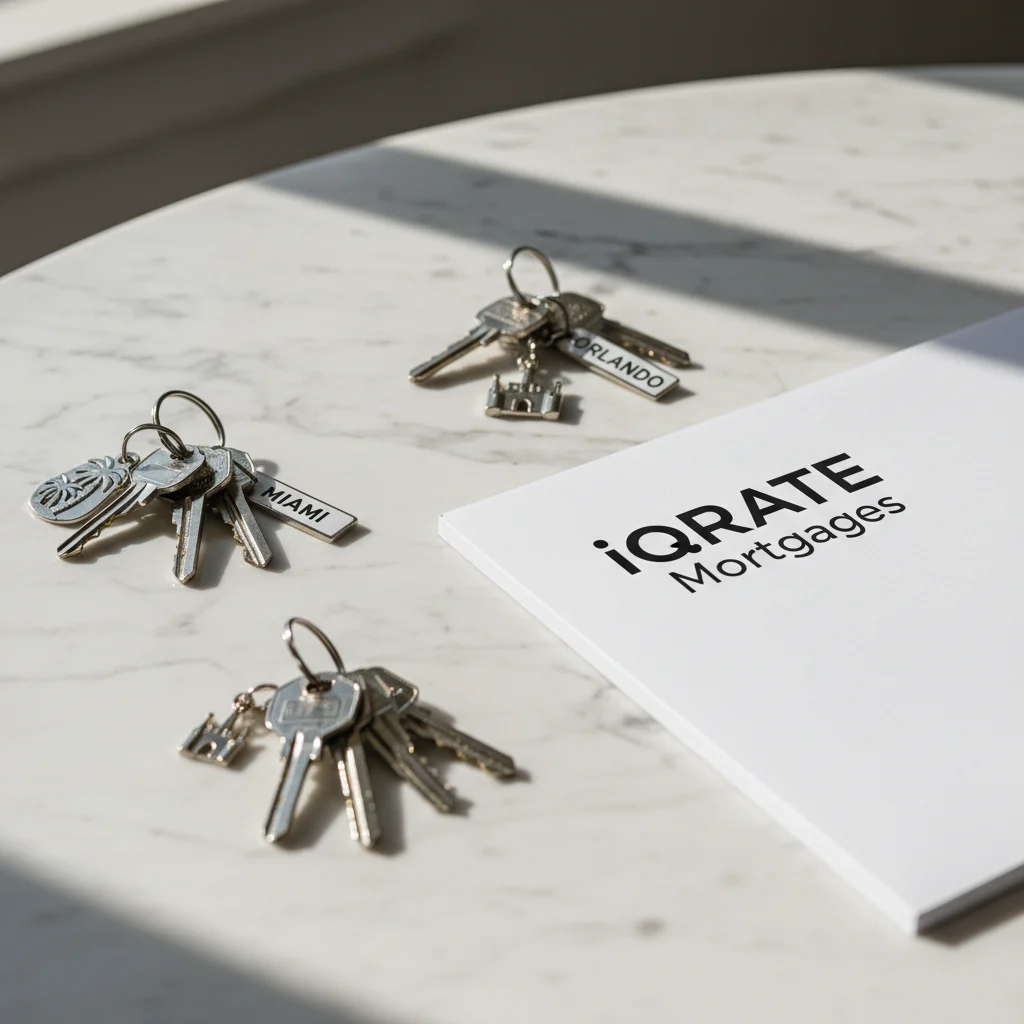
A blanket loan, often called a portfolio loan, is a specialized mortgage designed for real estate investors. Instead of securing individual loans for each rental property you own, a blanket mortgage allows you to finance multiple properties under a single loan agreement. For an investor with properties scattered across Florida, from a high-rise condo in Miami to a single-family home in Orlando, this consolidation is a game-changer.
The mechanics are straightforward: a lender assesses the total value and income potential of your entire portfolio and issues one loan secured by all the properties as collateral. This means one application, one closing process, and one monthly payment. This structure dramatically reduces administrative complexity and can provide more favorable terms than juggling multiple, separate mortgages.
How does it work in practice?
Imagine you own three rental properties: one in Miami, one in Orlando, and another in a nearby suburb. Instead of managing three separate loans with different interest rates and payment dates, you could refinance them all into a single blanket mortgage. This consolidates your debt, simplifies your bookkeeping, and frees up your time to focus on acquiring new properties or managing existing ones.

Eligibility for Multi-Property Investor Loans in Florida
Lenders offering blanket loans are underwriting a more complex and higher-value asset, so their eligibility criteria are more stringent than for a standard residential mortgage. While requirements vary between lenders, investors in Florida can generally expect to meet the following standards:
- Experience Level: Most lenders want to see a proven track record. You may need to have owned and managed investment properties for at least two years.
- Property Count: A minimum number of properties is usually required to qualify, often starting at two or more. Lenders prefer a portfolio that demonstrates diversification.
- Credit Score: A strong personal credit score is crucial, typically 700 or higher, to show financial responsibility. (The data, information, or policy mentioned here may vary over time.)
- Loan-to-Value (LTV) Ratio: The LTV for a blanket loan is generally lower than for a primary residence mortgage. Lenders might cap the LTV at 75%, meaning you need at least 25% equity across your entire portfolio. (The data, information, or policy mentioned here may vary over time.)
- Cash Reserves: You will need to demonstrate significant liquid assets to cover several months of payments for the entire portfolio, assuring the lender you can handle vacancies or unexpected repairs.
- Entity Requirement: Many lenders require that the properties be held in a business entity, such as an LLC or S-Corp, for liability protection and legal clarity.
Purchasing New Rental Properties Simultaneously
Blanket loans are not just for refinancing existing portfolios; they are a powerful tool for acquisition. You can use a blanket loan to purchase multiple new properties at the same time, significantly accelerating your portfolio's growth.
For example, an investor identifies a duplex in a growing Miami neighborhood and two townhomes near a major employer in Orlando. Instead of navigating three separate loan applications and closings, they could apply for a single blanket loan to finance all three purchases simultaneously. The lender underwrites the deal based on the combined value and projected income of the three new properties. This coordinated approach saves time, reduces paperwork, and can lower total closing costs.
Calculating Rates and LTV for Portfolio Loans
Determining the interest rate and LTV for a blanket loan is a blended process. The lender doesn't just look at each property individually; they assess the portfolio as a single economic unit.
Interest Rate Determination: The final interest rate is a reflection of the portfolio's overall risk profile. A lender will consider factors like property types (condo vs. single-family), geographic diversification (e.g., properties in both the Miami and Orlando markets), tenant quality, and the properties' combined cash flow. A portfolio with strong, consistent income and properties in high-demand areas will command a more competitive rate.
Loan-to-Value (LTV) Calculation: The LTV is calculated based on the total appraised value of all properties in the portfolio against the total loan amount. For example, if you have four properties collectively appraised at $2 million, and the lender offers a 75% LTV, your maximum loan amount would be $1.5 million. This means you must have at least $500,000 in collective equity.
The Crucial Partial Release Clause for Florida Investors
The most critical feature of a blanket loan is the partial release clause. This provision is non-negotiable for any serious investor. It allows you to sell one or more properties from the portfolio without having to pay off the entire blanket mortgage.
Without this clause, selling a single property would trigger a 'due-on-sale' clause for the whole loan, forcing you to refinance the remaining properties—a costly and time-consuming process. With a partial release clause, you can sell your Orlando rental to capitalize on market appreciation, pay down a pre-agreed portion of the blanket loan's principal, and keep the loan in place for your remaining Miami properties. This flexibility is essential for active portfolio management, allowing you to optimize your holdings as market conditions change.
Using DSCR Loans for a Blanket Mortgage in Miami
For investors in high-rent markets like Miami, a Debt Service Coverage Ratio (DSCR) loan is an excellent option that can be structured as a blanket mortgage. DSCR loans qualify the borrower based on the investment property's income potential rather than personal income.
The formula is: DSCR = Net Operating Income (NOI) / Total Debt Service
Lenders typically require a DSCR of 1.25 or higher, meaning the properties' combined income must be at least 25% greater than the total mortgage payments. (The data, information, or policy mentioned here may vary over time.) By applying this logic to a portfolio, an investor can secure a blanket loan for multiple properties in Miami and Orlando based solely on their collective ability to generate positive cash flow, making it ideal for self-employed investors or those with complex personal financials.
Underwriting a Portfolio Across Orlando and Miami
When underwriting a portfolio with properties in different markets like Orlando and Miami, lenders perform a detailed risk analysis. They see geographic diversification as a strength. The stable, tourism-driven rental market in Orlando can balance the more volatile but high-growth potential of the luxury Miami market.
Lenders will analyze:
- Market Trends: They review vacancy rates, average rents, and appreciation forecasts for each specific submarket.
- Property Condition: Appraisals for all properties are conducted to ensure they meet quality standards.
- Combined Cash Flow: The lender models the portfolio's total income and expenses to ensure it can comfortably service the debt, even if one property experiences a temporary vacancy.
Blanket Mortgages vs. Individual Investor Loans: Pros and Cons
Choosing between a blanket loan and individual mortgages depends on your investment strategy and goals.
Blanket Mortgage
- Pros:
- Efficiency: One application, one closing, and one monthly payment.
- Scalability: Easier to acquire multiple properties at once.
- Potentially Better Terms: Lenders may offer a better overall rate for a larger, diversified portfolio.
- Relationship Building: Establishes a strong relationship with a commercial lender.
- Cons:
- Cross-Collateralization: All properties are linked. A default on the loan puts every property at risk.
- Higher Barrier to Entry: Stricter eligibility requirements for credit, experience, and cash reserves.
- Less Flexibility Without a Release Clause: Selling a single property can be impossible or trigger a full refinance.
Individual Investor Loans
- Pros:
- Isolation of Risk: A default on one loan does not affect your other properties.
- Simpler to Sell: No need for a release clause; you can sell any property at any time by paying off its specific loan.
- Easier Qualification: Requirements for a single investor loan are often less stringent.
- Cons:
- Administrative Burden: Managing multiple loans, payments, and paperwork is complex and time-consuming.
- Higher Cumulative Costs: Multiple sets of closing costs can add up quickly.
- Financing Limits: Many conventional lenders limit the number of financed properties an individual can have (often 10). (The data, information, or policy mentioned here may vary over time.) A blanket loan is a strategic tool that can unlock significant growth for your real estate portfolio. To determine if this approach aligns with your investment goals for properties in Florida, consider discussing your specific situation with a mortgage advisor who specializes in investor financing.
Ready to streamline your investments and accelerate your portfolio's growth? See how a blanket loan can consolidate your Florida properties. Apply now to explore your financing options with an investor-focused advisor.
Author Bio
David Ghazaryan is the expert mortgage strategist and founder behind iQRATE Mortgages. With a mission to fund home loans that traditional banks won't touch, David specializes in helping clients with unique financial situations, including those recovering from foreclosure or bankruptcy. He expertly crafts smart, strategic, and stress-free mortgages by leveraging a vast network of over 100 lenders to secure competitive rates for investors and homebuyers alike. Praised for exceptional customer service, David has helped hundreds of families with a 97% satisfaction rate, guiding them to the mortgage they deserve.
References
Fannie Mae - Investment Property









