


Down Payment vs. Closing Costs: What’s the Difference?
Many first-time homebuyers in Nevada focus intensely on saving for a down payment, but that is only one piece of the financial puzzle. The total amount you need for your home purchase is called your cash to close. This figure includes your down payment plus all the fees and prepaid expenses required to finalize the mortgage.
- Down Payment: This is your initial investment in the property and represents your ownership stake, or equity. It is calculated as a percentage of the home's purchase price. For a $450,000 home in Reno, a 5% down payment would be $22,500.
- Closing Costs: These are fees paid to third parties and your lender for the services required to process and finalize your home loan. They cover everything from the appraisal to title insurance and are completely separate from the down payment.
Failing to budget for closing costs can create significant stress and may even put your home purchase at risk. Understanding the distinction is the first step toward a smooth and predictable closing.
Understanding Non-Recurring Closing Costs in Reno
Non-recurring closing costs are the one-time fees you pay at the closing table. These charges cover the administrative and legal work needed to originate your mortgage and transfer the property title. While amounts can vary, buyers in Reno and Sparks will typically see the following items.
- Lender Origination Fee: A fee the lender charges for processing your loan application. It is often calculated as a percentage of the loan amount, typically between 0.5% and 1%.
- Appraisal Fee: Paid to a licensed appraiser to determine the home's fair market value. This is required by the lender to ensure the property is worth the amount you are borrowing. Expect this to be around $500 to $700. (The data, information, or policy mentioned here may vary over time.)
- Credit Report Fee: A small fee, usually $30 to $75, to pull your credit history and scores from the major credit bureaus.
- Title Insurance and Search Fees: This includes a title search to verify there are no outstanding liens or claims on the property. You will also purchase a Lender's Title Insurance policy, which protects the lender's investment. An Owner's Title Insurance policy, which protects you, is highly recommended but often optional.
- Escrow or Settlement Fee: Paid to the neutral third party, such as a title or escrow company, that handles the closing process, manages the documents, and disburses the funds.
- Recording Fees: A charge from Washoe County to officially record the sale and transfer of the property deed in public records. (The data, information, or policy mentioned here may vary over time.)
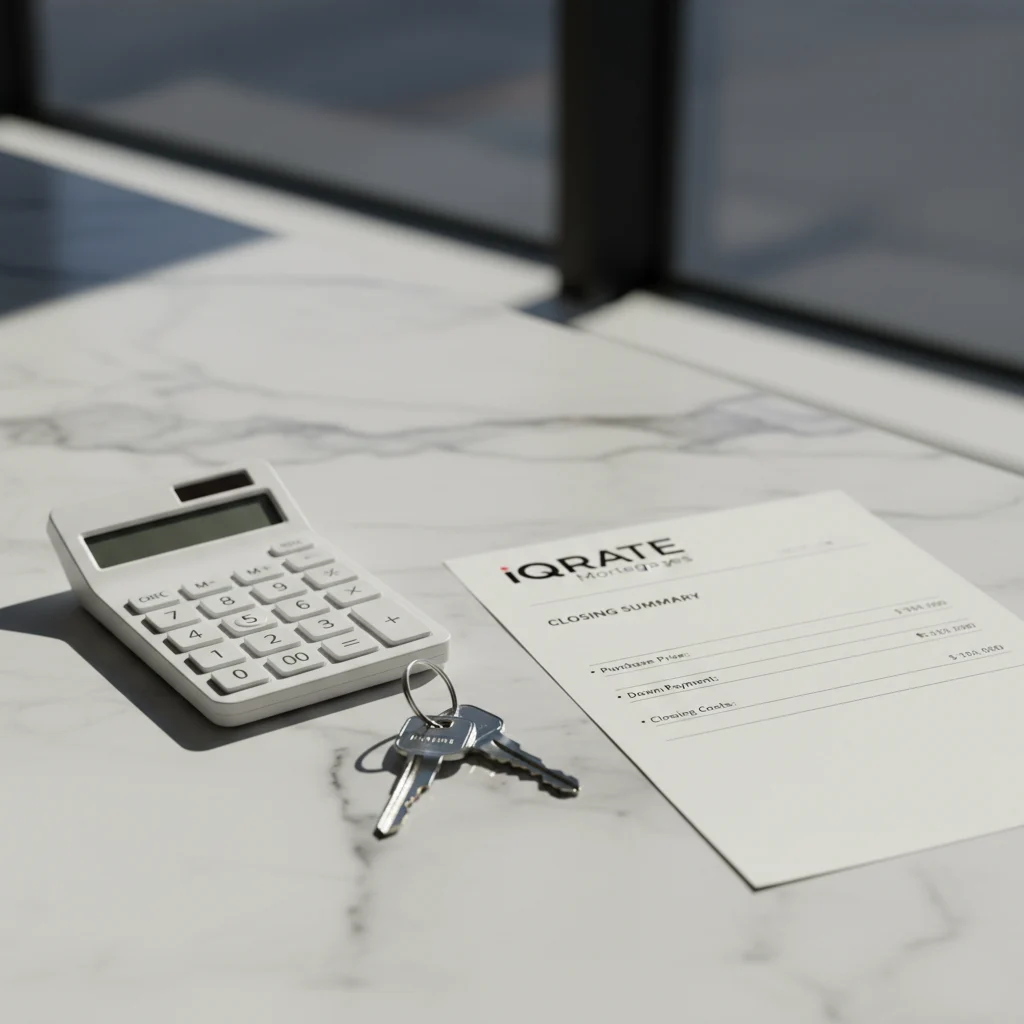
Breaking Down Prepaid Expenses in Nevada
Prepaid expenses are recurring homeownership costs that you must pay in advance at closing. The lender requires this to ensure your property is protected and that you are current on your obligations from day one. These funds are typically held in an escrow account.
- Homeowners Insurance: You will usually be required to pay for the first full year's insurance premium at closing. This ensures the property is protected against damages like fire or theft from the moment you take ownership.
- Property Taxes: Lenders require you to prepay a certain number of months' worth of property taxes. For a home in Sparks, the lender will establish an escrow account and collect a cushion of several months of taxes to ensure sufficient funds are available when the bills are due. The amount depends on the time of year you close.
- Prepaid Interest: This is the daily mortgage interest that accrues from the date you close through the end of that month. Your first official mortgage payment is not typically due until the first day of the month after the month you close. For example, if you close on May 15, you will prepay the interest for the remaining 16 days of May at closing. Your first mortgage payment would then be due on July 1.
How to Read Your Loan Estimate for Cash to Close
Within three business days of applying for a mortgage, you will receive a standardized document called the Loan Estimate (LE). This is your most important tool for understanding your expected costs. On the first page, under 'Costs at Closing', you will find a line item called 'Estimated Cash to Close'.

This figure shows the lender’s best estimate of the total money you will need to bring to the closing table. It is calculated by adding your down payment and total closing costs, then subtracting any credits you may be receiving, such as an earnest money deposit or a seller credit. Review this section carefully to avoid surprises.
Can the Seller Help Pay for Closing Costs in Sparks?
Yes, it is possible to negotiate for the seller to contribute to your closing costs. This is known as a seller concession or seller credit. This strategy can significantly reduce the amount of cash you need to bring to closing, which is especially helpful for first-time buyers.
Here’s how it works: You and the seller agree that they will pay a certain amount or percentage of your closing costs. This amount is then credited to you at closing. However, there are limits to how much a seller can contribute, which depend on your loan type and down payment.
- Conventional Loans: Up to 3% of the sales price if your down payment is less than 10%. Up to 6% if your down payment is between 10% and 24.99%, and up to 9% if your down payment is 25% or more.
- FHA Loans: Up to 6% of the sales price.
- VA Loans: The seller can pay all of the veteran's standard closing costs. There is a separate 4% limit on concessions that go beyond these costs, such as paying off the veteran's debts or judgments.
For example, if you are buying a home in Sparks for $400,000 with an FHA loan, you could negotiate for the seller to contribute up to $24,000 toward your closing costs and prepaids.
What Percentage of the Purchase Price Are Closing Costs?
As a general rule, homebuyers in Nevada should budget between 2% and 5% of the home's purchase price for closing costs and prepaid expenses. (The data, information, or policy mentioned here may vary over time.) This is a wide range because costs are influenced by the home's price, location, loan type, and the specific service providers involved.
Let’s look at a realistic example for a home in Reno:
- Purchase Price: $500,000
- Estimated Closing Costs (3%): $15,000
- 5% Down Payment: $25,000
- Estimated Total Cash to Close: $40,000
This $40,000 is the approximate amount you would need to wire to the title company before you can get your keys.
Why Your Cash to Close Amount Can Change
It is common for the final cash to close amount to differ slightly from the initial Loan Estimate. This is why you will receive a Closing Disclosure (CD) at least three business days before your scheduled closing. The CD is the final statement of your loan terms and fees.
Here are a few reasons why your total cash needed might change:
- Prorations: Final adjustments for property taxes or HOA dues between you and the seller can shift the final amount.
- Homeowners Insurance: The actual cost of your chosen insurance policy might be different from the lender's initial estimate.
- Rate Lock: If you did not lock your interest rate, a change in the rate would alter your prepaid interest calculation.
- Closing Date: Changing your closing date affects the amount of prepaid interest you owe.
Always compare your Closing Disclosure to your Loan Estimate and ask your loan officer to explain any discrepancies.
Mortgages for First-Time Buyers with Lower Closing Costs
Several loan programs are designed to make homeownership more accessible by addressing the challenge of high upfront costs.
- FHA Loans: These government-insured loans are popular with first-time buyers due to their low down payment requirement (3.5%) and flexible rules regarding seller concessions.
- VA Loans: For eligible veterans and active-duty service members, VA loans offer the significant benefit of no down payment and limitations on the closing costs the veteran is allowed to pay.
- Down Payment Assistance (DPA) Programs: Various state and local programs in Nevada offer grants or forgivable loans that can be used for both the down payment and closing costs.
- Lender Credits: Some lenders offer the option to receive a credit to cover some or all of your closing costs. In exchange, you accept a slightly higher interest rate on your mortgage. This can be a smart strategy if you are short on cash upfront but can afford a slightly higher monthly payment. Understanding your cash to close is the first step to a stress-free purchase. If you're planning to buy in Reno or Sparks, a detailed cost analysis can give you the clarity and confidence you need to move forward.
Understanding your cash to close is a critical first step. If you're ready to see how these numbers apply to your situation, take a few minutes to Apply now for a personalized mortgage consultation.
Author Bio
David Ghazaryan is the expert mortgage strategist and founder behind iQRATE Mortgages. With a mission to fund home loans that traditional banks won't touch, David specializes in helping clients with unique financial situations, including those recovering from foreclosure or bankruptcy. He expertly crafts smart, strategic, and stress-free mortgages by leveraging a vast network of over 100 lenders to secure competitive rates for investors and homebuyers alike. Praised for exceptional customer service, David has helped hundreds of families with a 97% satisfaction rate, guiding them to the mortgage they deserve.
References









