


How Does My Loan Type Affect a Future Buyer's Offer in Dallas?
When you decide to sell your home, the type of mortgage you originally used can directly influence the offers you receive. Buyers, especially in competitive markets like Dallas and Frisco, want a smooth, predictable transaction. If you have a Federal Housing Administration (FHA) loan, your property must meet the U.S. Department of Housing and Urban Development's (HUD) Minimum Property Standards (MPS) for the next FHA-financed buyer. This means your home must be safe, secure, and sound.
An appraiser for a potential buyer's FHA loan will look for specific issues that a conventional appraiser might not flag, such as:
- Peeling paint in homes built before 1978 (due to lead-based paint risks)
- Lack of handrails on stairways
- Cracked windowpanes
- Outdated electrical systems or exposed wiring
If the appraiser identifies any MPS violations, these repairs must be completed before the buyer's loan can close. This can lead to negotiations where the buyer asks you to pay for the repairs, or it could even cause the deal to fall through if you're unwilling or unable to fix the issues. A buyer with a conventional loan might still request repairs, but their appraiser is primarily focused on the property's value, not a government-mandated checklist. This often makes offers from conventional buyers seem 'cleaner' and more attractive to sellers.
Can a New Buyer Assume My FHA Loan?
Yes, one of the most significant advantages of an FHA loan for a future seller is its assumability. This means a qualified buyer can take over your existing FHA loan, including its original interest rate and terms. In a rising interest rate environment, this is an incredibly powerful selling tool.
Imagine you secured an FHA loan in Plano with a 3.5% interest rate. A few years later, current rates are hovering around 6.5%. By offering your loan for assumption, you provide a massive financial incentive for a buyer. They get a below-market rate, potentially saving them hundreds of dollars per month on their mortgage payment.
The Assumption Process
It's not an automatic transfer. The new buyer must:
- Apply and Qualify: The buyer must apply with your mortgage servicer and meet all of the FHA's credit and income requirements, just as they would for a new loan.
- Formal Process: This isn't an informal agreement. It's a full underwriting process that can take 45 to 90 days. (The data, information, or policy mentioned here may vary over time.)
- Cover the Equity: The buyer must pay you the difference between the remaining loan balance and the agreed-upon sales price. For example, if your remaining loan balance is $250,000 and you sell the house for $350,000, the buyer needs to bring $100,000 to the table, either in cash or through a second mortgage.
While powerful, the equity requirement can sometimes limit the pool of buyers who can afford the down payment needed to assume the loan.
Are Conventional Appraisals Less Strict Than FHA Appraisals for Sellers?
Generally, yes. Conventional loan appraisals are primarily concerned with establishing the market value of the property to ensure it's sufficient collateral for the loan amount. The appraiser's main job is to protect the lender's investment.
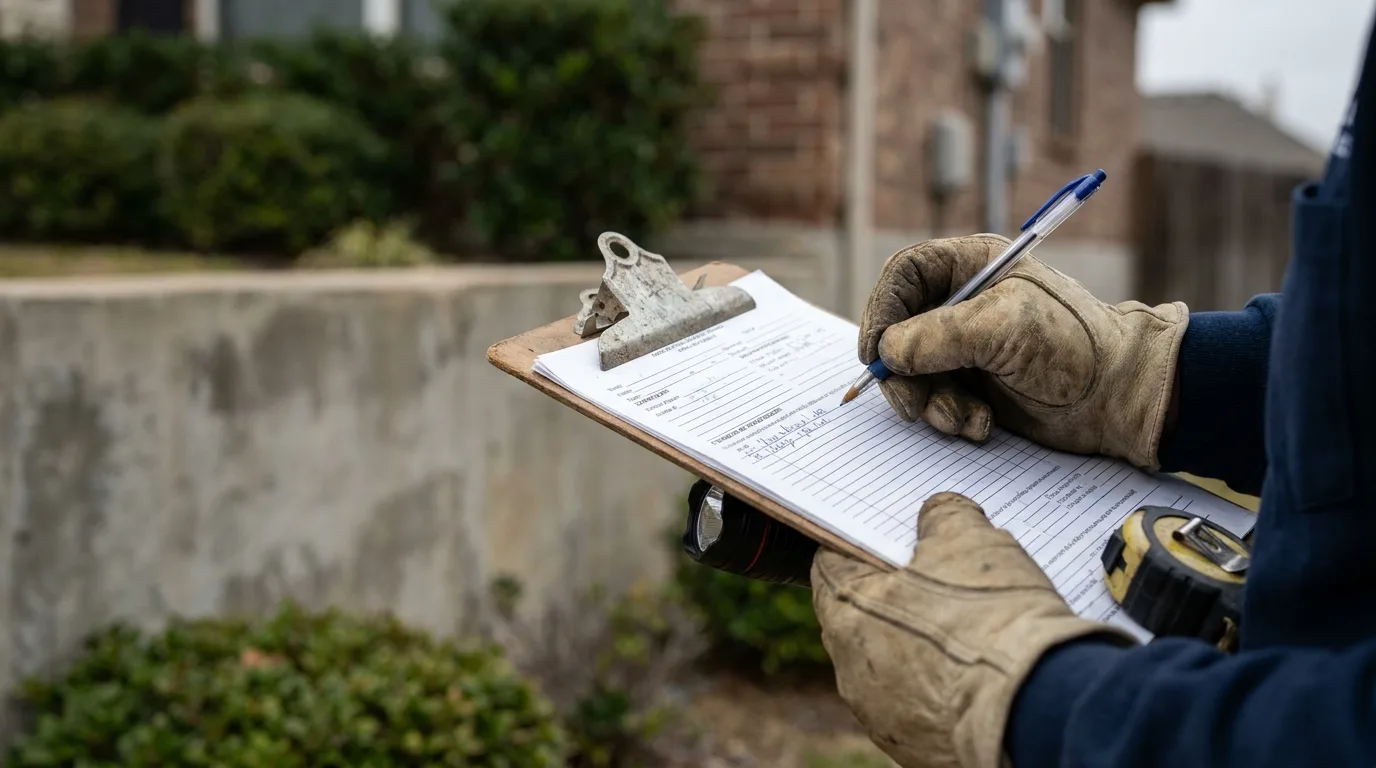
FHA appraisals have a dual purpose: to determine the value and to ensure the property meets HUD's Minimum Property Standards. An FHA appraiser acts as a home inspector to a certain degree, looking for issues that impact habitability and safety. This strictness can create hurdles for a seller.
For example, if you're selling a home in Dallas with a slightly worn roof that has a few years of life left, a conventional appraisal would likely be fine. An FHA appraiser, however, might require a roof certification or even mandate a repair if they deem it near the end of its functional life. This distinction makes selling to a buyer with conventional financing a more predictable and often faster process.
Does FHA Mortgage Insurance Make It Harder to Build Equity Before Selling?
Yes, the structure of FHA mortgage insurance can slow down your equity growth compared to a conventional loan, impacting your net proceeds when you sell. Both loan types require mortgage insurance with a low down payment, but they work differently.
- FHA Mortgage Insurance Premium (MIP): FHA loans require two forms of MIP. First, an Upfront Mortgage Insurance Premium (UFMIP) of 1.75% of the loan amount is typically financed into the loan. Second, you pay an annual MIP collected in monthly installments. For most FHA borrowers today (those putting down less than 10%), this annual MIP lasts for the entire life of the loan.
- Conventional Private Mortgage Insurance (PMI): On a conventional loan, you pay PMI when you put down less than 20%. However, PMI is designed to be temporary. You can request its removal once you reach 20% equity, and lenders are required to automatically terminate it once your loan balance drops to 78% of the original property value.
Because FHA MIP is often permanent, more of your monthly payment goes toward insurance instead of your principal balance. Over several years, a homeowner with a conventional loan will have paid down more of their mortgage and built more equity, resulting in a larger check at closing when they sell.
What Are the Prepayment Penalties for Each Type of Home Loan?
This is one area where both loan types are very seller-friendly. Today, the vast majority of standard FHA and conventional loans originated for a primary residence do not have prepayment penalties. You are free to sell your home and pay off the mortgage balance at any time without incurring an extra fee.
This protection is part of the 'Qualified Mortgage' (QM) rule established by the Consumer Financial Protection Bureau (CFPB). While some non-traditional or non-QM loans might include such clauses, it is not a concern for most homebuyers choosing between a standard FHA or conventional mortgage for their house in Plano or Frisco.
Which Loan Is Easier to Refinance if I Decide Not to Sell in Plano?
If your plans change and you decide to stay in your home, both loan types offer excellent refinance options, but they serve different purposes.
- FHA Streamline Refinance: This is a major perk for FHA loan holders. The FHA Streamline program allows you to refinance to a lower interest rate with minimal paperwork. It typically does not require a new appraisal or income verification, making it a very fast and low-cost process. The primary requirement is that the refinance must result in a 'Net Tangible Benefit', such as a lower monthly payment.
- Conventional Refinance: Refinancing a conventional loan provides more flexibility. You can do a simple rate-and-term refinance to lower your rate, or you can do a cash-out refinance to tap into your home's equity for things like home improvements or debt consolidation. While the process requires more documentation (appraisal, income and credit checks), the ability to access cash is a significant advantage that the FHA Streamline program doesn't offer.
For a homeowner in Plano simply looking to lower their rate quickly, the FHA Streamline is easier. For someone who wants to leverage their equity, a conventional refinance is the superior tool.
How Do FHA vs. Conventional Loan Interest Rates Impact My Long-Term Plans?
FHA loans often advertise slightly lower interest rates than conventional loans, which can be appealing upfront. However, the long-term cost, driven by the FHA's MIP, can make the overall effective rate higher. This impacts your long-term plans by influencing how quickly you build equity and how much you ultimately profit from a sale.

Let's compare a $350,000 home purchase in Dallas:
- FHA Loan: 3.5% down payment. The lower advertised interest rate looks good, but the monthly MIP payment adds a significant cost that never goes away. Your equity builds slower.
- Conventional Loan: 5% down payment. The interest rate might be slightly higher, but the PMI will eventually be eliminated. Once PMI is gone, your entire payment (beyond taxes and insurance) goes toward principal and interest, accelerating equity growth.
If your plan is to sell in 5-7 years, the conventional loan will likely leave you with more equity, meaning more cash to put toward your next home. The lower upfront cost of the FHA loan is traded for a higher long-term cost and slower wealth creation.
Will Choosing an FHA Loan Limit My Pool of Potential Buyers in Dallas?
Yes, choosing an FHA loan could potentially limit your pool of future buyers. There are a few reasons for this:
- Property Condition: As discussed, the strict FHA appraisal can deter buyers who want a quick, simple closing without the risk of mandatory repairs.
- Condo Approval: Not all condominium complexes are FHA-approved. If you buy a condo in a non-approved building using a conventional loan, you can only sell it to another conventional buyer or a cash buyer. If you buy in an FHA-approved complex, you broaden your future buyer pool to include those using FHA financing.
- Buyer Perception: Some real estate agents and buyers perceive offers backed by FHA financing as weaker or more complicated than those with conventional financing, especially in a multiple-offer situation. They might favor the perceived certainty and smoother process of a conventional loan.
While an FHA loan is an excellent tool for getting into a home, especially in high-cost areas like Frisco, it's crucial to understand these downstream effects. A conventional loan often provides a path of lesser resistance when it's time to sell. Choosing between an FHA and conventional loan isn't just about your first payment; it's about your future flexibility. To create a mortgage strategy that aligns with your long-term goals, from buying to selling, it's wise to consult with an expert who can see the full picture.
Choosing the right mortgage is a decision that impacts your future sale. Secure a loan that aligns with your long-term financial goals. Ready to get started? Apply now for expert mortgage advice.
Author Bio
David Ghazaryan is the expert mortgage strategist and founder behind iQRATE Mortgages. With a mission to fund home loans that traditional banks won't touch, David specializes in helping clients with unique financial situations, including those recovering from foreclosure or bankruptcy. He expertly crafts smart, strategic, and stress-free mortgages by leveraging a vast network of over 100 lenders to secure competitive rates for investors and homebuyers alike. Praised for exceptional customer service, David has helped hundreds of families with a 97% satisfaction rate, guiding them to the mortgage they deserve.
References
HUD - Minimum Property Standards









