


Sourcing Your Savings for a Houston FHA Loan
When you use your own savings for a down payment on a home in Houston, the Federal Housing Administration (FHA) requires a clear and verifiable paper trail. Lenders are not just confirming you have the money; they are confirming the money is legitimately yours and not an undisclosed loan. The first step is providing your two most recent, consecutive bank statements for any account you're using funds from. This typically covers a 60-day period.
Underwriters will scrutinize these statements for several key things:
- Account Holder Information: The name on the account must match the name of the borrower on the loan application.
- Sufficient Funds: The statements must show that you have enough money to cover the down payment, closing costs, and any required reserves.
- Large Deposits: Any deposit that is not from a recurring, identifiable source (like your payroll) will be questioned. A large deposit is typically considered any single deposit that exceeds 50% of your total monthly qualifying income. (The data, information, or policy mentioned here may vary over time.)
For example, if your monthly income is $6,000, any non-payroll deposit over $3,000 will require a detailed explanation and documentation. You must be prepared to source it completely. Simply stating 'it was cash savings' is not acceptable. You need to show where it came from, such as the sale of an asset or a documented gift.
Specific Paperwork for a Cash Gift from a Relative
Using a gift from a family member is a popular way to fund a down payment, and the FHA allows it. However, the documentation must be flawless to prove it is a true gift, not a loan in disguise. Any expectation of repayment would be considered mortgage fraud.
Here is the exact paperwork required:
A Signed FHA Gift Letter: This is a formal document, not just a casual note. It must contain specific information, including:
- The donor's full name, address, and phone number.
- The donor's relationship to you (the borrower).
- The exact dollar amount of the gift.
- A clear and unequivocal statement that 'no repayment is expected or implied'. This is the most critical phrase.
- The address of the property you are purchasing in Pasadena or Houston.
- The donor's signature and the date.
Proof of the Donor's Ability to Give: The donor must provide a bank statement showing they had the funds available to give the gift.
Proof of Transfer: You need to document the movement of money. This involves two pieces of evidence:
- A copy of the donor's bank statement showing the funds leaving their account (e.g., a wire transfer confirmation or a copy of the cleared check).
- A copy of your bank statement showing the exact same amount being deposited into your account.
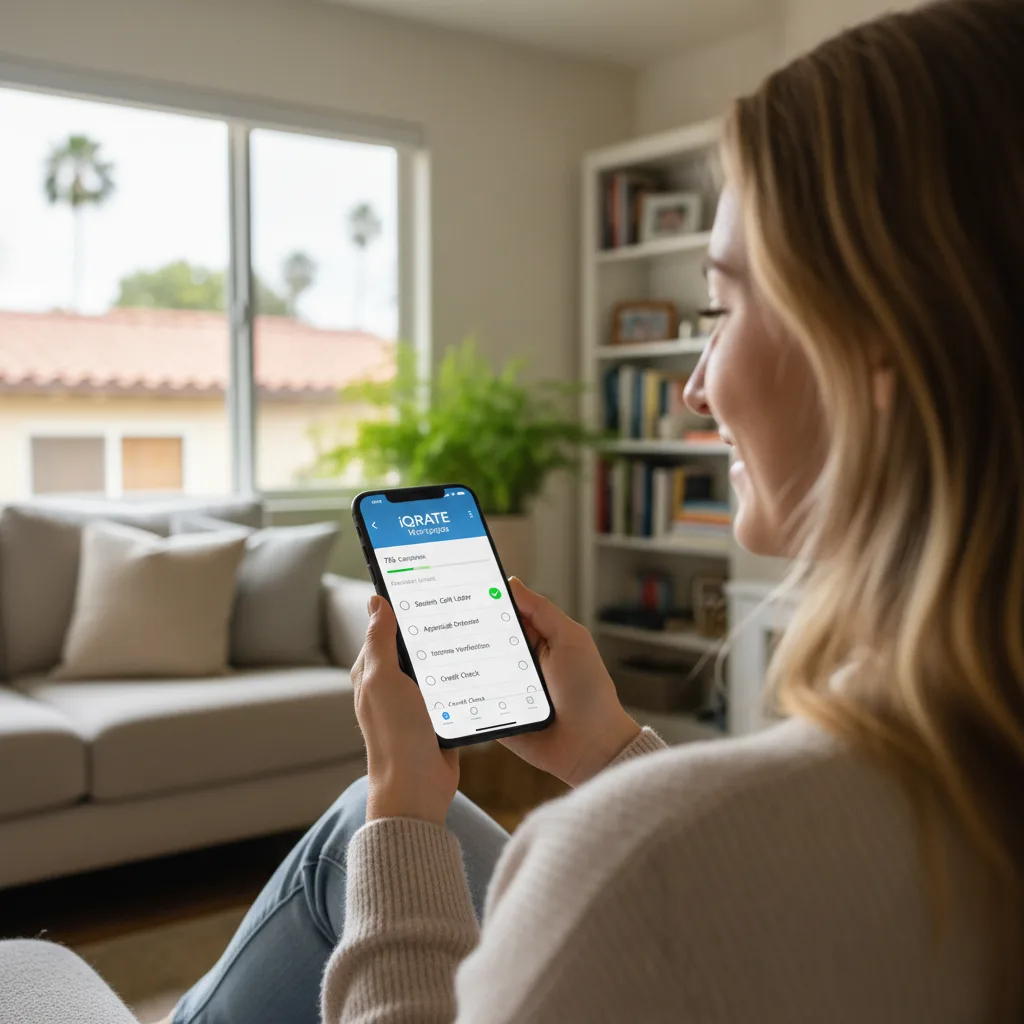
The amounts must match perfectly. If your aunt gives you $10,000, the documentation must show $10,000 leaving her account and $10,000 arriving in yours.
How to Properly Show Funds from Your Retirement Account
Using a loan from your 401k or similar retirement account is another acceptable source for an FHA down payment. Lenders view this favorably because you are borrowing from yourself. The key is to document it as a formal loan, not a withdrawal, which could have tax implications and is treated differently.
To document a 401k loan, you will need to provide:
- The Loan Agreement: This document outlines the terms of the loan, including the total amount borrowed, the interest rate, and the repayment schedule. The lender uses this to calculate your monthly payment, which will be included in your debt-to-income (DTI) ratio.
- Proof of Funds Transfer: Just like a gift, you need to show the money moving. This means providing a statement from your retirement account showing the funds being disbursed and your bank statement showing the funds being deposited.
For example, if you take a $15,000 loan from your 401k to buy a home in Pasadena, the lender will add the monthly repayment, say $250 per month, to your total monthly debts. This will directly impact how much you can qualify for. It's crucial to get these documents from your plan administrator early in the process, as it can sometimes take a week or more.
Combining a Gift with Down Payment Assistance in Pasadena
Yes, you can absolutely combine gift funds with a Down Payment Assistance (DPA) program for an FHA loan. This is a common strategy for homebuyers in areas like Pasadena, Texas, where various local and state DPA programs are available. The FHA sets the base rules, allowing funds from multiple acceptable sources.
However, you must also adhere to the specific rules of the DPA program itself. Some DPA providers may have their own 'layer' of guidelines on top of FHA requirements. For instance, a particular DPA program might have a cap on how much gift money you can use or may require that a certain portion of the funds come directly from the borrower's own savings.
Before you commit to this strategy, you must:
- Verify with your mortgage lender that they work with the specific DPA program you plan to use.
- Thoroughly review the guidelines of the DPA program to understand any restrictions on combining funds.
- Ensure all funds, both the gift and your own savings, are documented according to FHA standards as outlined in the sections above.
Rules About Using Cash That Is Not From a Bank Account
The FHA has a very strict policy against using 'mattress money'—that is, cash on hand that has not been sitting in a bank account. All funds for your down payment and closing costs must be sourced and seasoned.
- Sourced: You must be able to prove the legal origin of the money.
- Seasoned: The money must have been in your bank account for a certain period, typically at least 60 days (covered by two full bank statement cycles).
If you have a significant amount of cash saved at home, you cannot simply deposit it into your account a week before applying for a loan and expect it to be accepted. A large, sudden cash deposit is a major red flag for lenders as it could represent an undisclosed loan from a non-permissible source. Your only option for using this cash is to deposit it into your bank account and let it 'season' for at least 60 days before you apply for your mortgage. During this time, you should not make any other large, undocumented deposits.
How to Explain a Large Deposit into Your Account
If you have a legitimate large deposit, sourcing it properly is non-negotiable. Let's say you sold your car for $8,000 to help with your down payment on a Houston property. Simply depositing the cash or check isn't enough. You must provide a complete paper trail for the underwriter:
- A Bill of Sale: A copy of the signed bill of sale showing the buyer's name, the sale price, the date, and the vehicle information (VIN).
- Copy of the Title: A copy of the vehicle title transferred to the new owner.
- Proof of Payment: A copy of the cashier's check or a picture of the personal check from the buyer before you deposit it.
- Deposit Receipt: A copy of the bank deposit slip or a transaction history printout showing the deposit into your account.
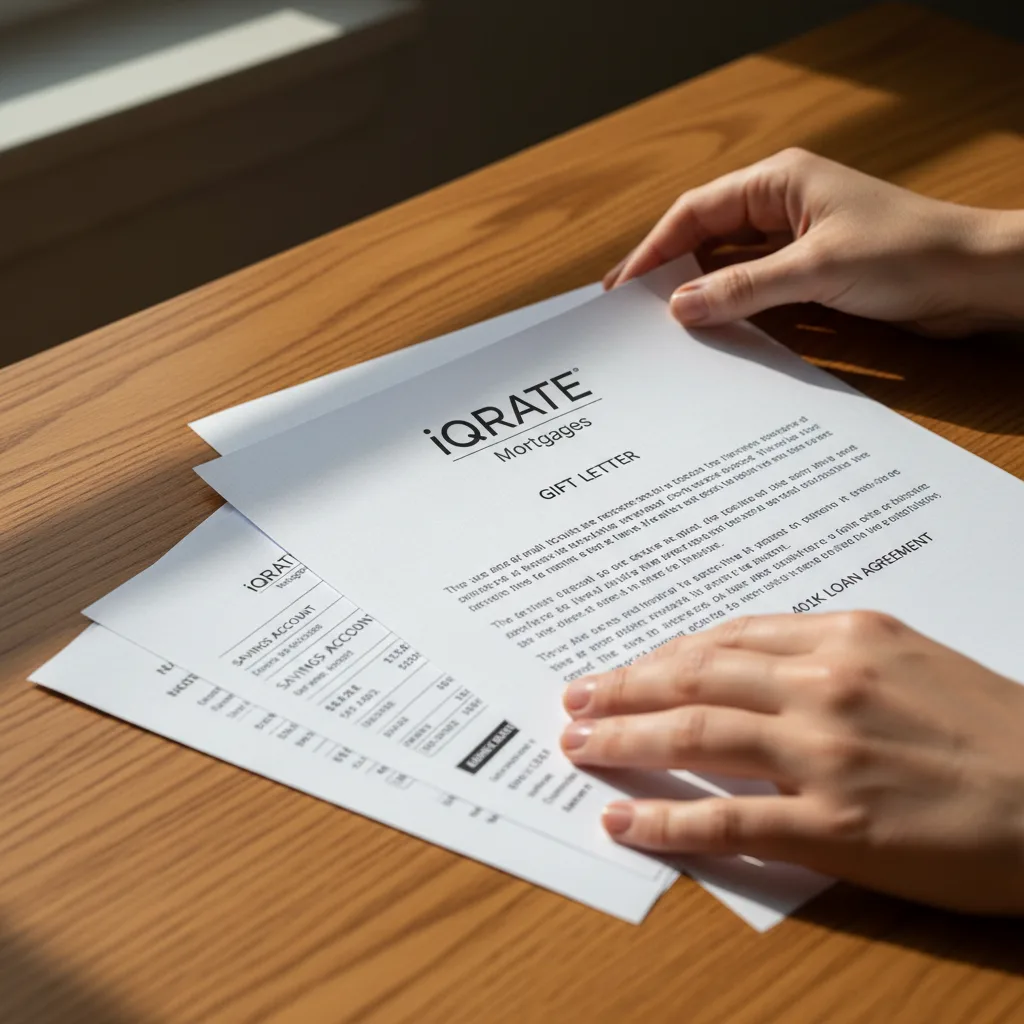
This same level of detail applies to any large deposit, whether it's from the sale of another asset, an insurance settlement, or an inheritance. The goal is to create an undeniable link from the source of the funds to the deposit in your account.
How Long Do Funds Need to Be in an Account?
As mentioned, funds for an FHA loan generally need to be seasoned for at least 60 days. This requirement allows the lender to review two full monthly bank statements and verify that the money is truly yours. The 60-day window provides a history of the account balance, demonstrating that the funds were not just temporarily placed there to qualify for the loan.
This seasoning period is why it's so important to plan ahead. If you anticipate receiving a gift, selling an asset, or using cash savings, you should get those funds into your primary bank account well before you start house hunting. Waiting until the last minute to move money around can create significant underwriting delays and even put your loan approval at risk.
Common Gift Letter Mistakes That Delay a Houston Loan Closing
A flawed gift letter is one of the most common and easily avoidable reasons for a last-minute mortgage delay. Underwriters will reject a letter that is incomplete or ambiguous. Here are the most frequent errors to avoid:
- Missing Information: Forgetting to include the donor's address, the property address, or the specific gift amount.
- Vague Language: Using phrases like 'for a down payment' instead of the required statement that 'no repayment is expected or implied'.
- Mismatched Amounts: The amount on the gift letter is different from the amount shown on the bank transfer documents.
- No Proof of Transfer: Providing the letter but failing to include the bank statements showing the funds moving from the donor to the borrower.
- Unacceptable Donor: The gift is from someone who is not a relative, which FHA rules typically do not allow unless there is a clearly defined, long-standing relationship. (The data, information, or policy mentioned here may vary over time.) Your lender can provide guidance on what is acceptable.
Double-checking these details with your loan officer before submission can save you days or even weeks of stressful back-and-forth with the underwriting team during your Houston closing process. Documenting a mixed down payment for an FHA loan requires precision. If you're combining savings, gifts, or other sources, working with a mortgage expert who understands these complexities can ensure a successful path to homeownership. Reach out to a specialist to get your documents in order before you apply.
With your documentation in order, you're one step closer to your new home. If you're ready to move forward with a clear understanding of your finances, you can start your secure mortgage application here.
Author Bio
David Ghazaryan is the expert mortgage strategist and founder behind iQRATE Mortgages. With a mission to fund home loans that traditional banks won't touch, David specializes in helping clients with unique financial situations, including those recovering from foreclosure or bankruptcy. He expertly crafts smart, strategic, and stress-free mortgages by leveraging a vast network of over 100 lenders to secure competitive rates for investors and homebuyers alike. Praised for exceptional customer service, David has helped hundreds of families with a 97% satisfaction rate, guiding them to the mortgage they deserve.
References









