


FHA Appraisal Hurdles for Older Homes
When you apply for a Federal Housing Administration (FHA) loan, the home must meet specific 'Minimum Property Standards' set by the U.S. Department of Housing and Urban Development (HUD). The appraiser isn't just determining the home's value; they are acting as a safety inspector. For an older home in Jacksonville, this can be a major hurdle. The FHA's goal is to ensure the home is safe, secure, and sound. If the appraiser identifies issues that violate these standards, the problems must be repaired before the loan can close.
Specific Conditions That Fail an FHA Appraisal
An FHA appraiser will 'red flag' a property for any of the following common issues found in older homes:
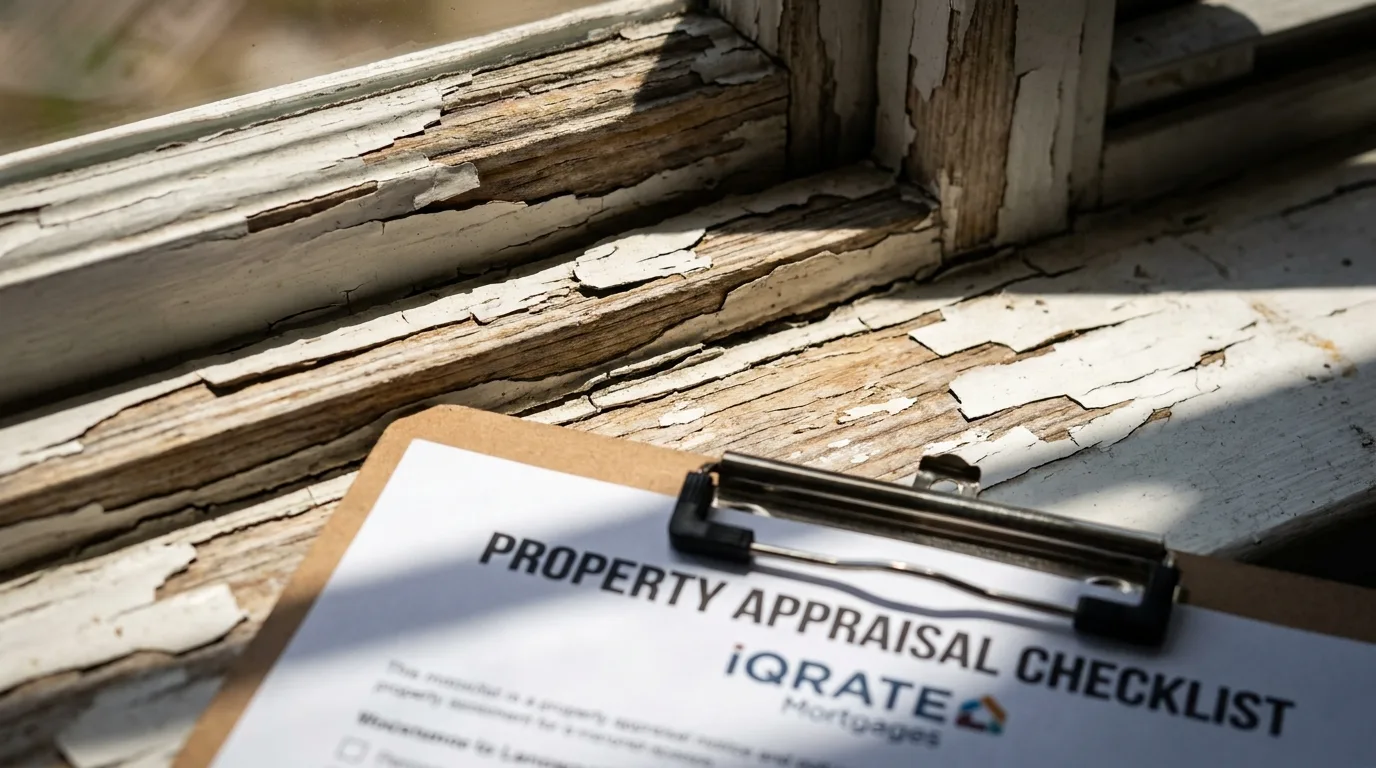
- Peeling or Chipping Paint: In homes built before 1978, this is a significant health hazard due to the potential presence of lead-based paint. All peeling surfaces, both interior and exterior, must be scraped and repainted.
- Roofing Issues: The roof must have at least two to three years of remaining life. (The data, information, or policy mentioned here may vary over time.) Any active leaks, significant damage, or missing shingles will require repair.
- Structural and Safety Hazards: This is a broad category that includes:
- Broken or missing handrails on stairs.
- Foundation cracks or evidence of significant settlement.
- Inadequate or unsafe electrical systems (e.g., exposed wiring, frayed cables).
- Leaking or damaged plumbing.
- Non-functional heating or water heater systems.
- Pest Infestations: Evidence of active wood-destroying insects like termites will require professional treatment.

Conventional Appraisals: A More Lenient Approach?
A conventional loan appraisal, which adheres to standards set by Fannie Mae and Freddie Mac, is generally more flexible. The primary focus is on determining the property's market value to ensure the loan amount is justified. The appraiser will note deferred maintenance and necessary repairs, but their report is more about how these issues affect the value rather than a simple pass/fail safety check.
Is a Conventional Loan Appraisal More Lenient on an Older Roof or Plumbing?
Yes, typically. For example, if an older home has a roof with only a year of life left, an FHA appraiser would likely require its replacement. A conventional appraiser, however, might simply note the roof's condition and assign a lower value to the home to reflect the imminent replacement cost. As long as the home's appraised value still supports the loan amount, the deal can proceed. The lender isn't mandating the repair before closing. The same logic applies to older but still functional plumbing or electrical systems. Unless a system is actively failing or poses a clear and present danger, a conventional appraisal is less likely to halt the transaction.
Financing Repairs with an FHA 203(k) Loan
If you find an older home in Ocala that needs work, the FHA 203(k) Rehab Loan is a powerful tool. It allows you to roll the cost of both the home purchase and the necessary renovations into a single mortgage. This means you don't need a separate construction loan. There are two main types:
- Limited 203(k): Designed for non-structural, cosmetic repairs. It provides up to $35,000 for projects like replacing flooring, painting, updating a kitchen, or buying new appliances.
- Standard 203(k): For extensive renovations costing $5,000 or more, including structural changes like moving walls, adding rooms, or major foundation work. This version requires you to work with a HUD-approved 203(k) consultant to oversee the project.
For example, if you want to buy a $250,000 home in Ocala that needs a new roof and kitchen remodel estimated at $30,000, a Standard 203(k) loan would allow you to borrow $280,000 (plus financing costs) in one loan. The renovation funds are held in an escrow account and paid out to your licensed contractor as they complete the work.
Using Seller Credits for Repairs with a Conventional Loan
With a conventional loan, you cannot directly use seller credits or concessions to pay for repairs. Lenders will not allow funds from the seller to be earmarked for fixing the property. However, you can use a strategic workaround.
Seller credits can be used to cover your closing costs, such as appraisal fees, title insurance, and loan origination fees. By having the seller pay for these expenses, you free up your own cash that you had saved for closing. You can then use that cash to hire contractors and complete the necessary repairs after you close on the home. For instance, if your closing costs are $8,000 on a $300,000 home, negotiating an $8,000 seller credit means you have an extra $8,000 in your bank account post-closing to put toward a new HVAC system or plumbing updates. (The data, information, or policy mentioned here may vary over time.)
Which Loan is Better for a Home in a Jacksonville Historic District?
For a home in a designated historic district, like those in Jacksonville's Riverside or Avondale neighborhoods, a conventional renovation loan is often the better choice. Historic preservation commissions have strict guidelines about what materials can be used and what changes can be made to a property's exterior. The FHA's rigid repair requirements might conflict with these guidelines. For instance, FHA might require a cost-effective vinyl window replacement, while the historic commission mandates a more expensive, period-accurate wood window repair.
Conventional renovation loans, such as the Fannie Mae HomeStyle, offer more flexibility. They can accommodate these specific, often more expensive, requirements and even finance 'luxury' improvements not allowed under the FHA 203(k) program, giving you the freedom to restore the home properly.
Will an Older Home Have Higher Mortgage Insurance Costs?
The age of a home doesn't directly influence the rate you pay for mortgage insurance. However, the loan program you choose has a significant impact.
- FHA Mortgage Insurance Premium (MIP): For most FHA borrowers making a down payment of less than 10%, you will pay FHA MIP for the entire life of the loan. This includes an upfront premium and an annual premium paid in monthly installments.
- Conventional Private Mortgage Insurance (PMI): With a conventional loan, PMI is typically required for down payments under 20%. The key difference is that you can request to have PMI canceled once your loan balance drops to 80% of the home's original value. This can save you thousands over the life of the loan.
Because buyers of older, fixer-upper homes often need to preserve cash for repairs and make smaller down payments, the long-term cost of FHA MIP should be a major consideration.
Are There Conventional Loan Programs Designed for Renovations?
Yes. The two primary conventional renovation loan programs are excellent alternatives to the FHA 203(k):
- Fannie Mae HomeStyle® Renovation: This loan allows you to finance the purchase and renovation of a home, including repairs, remodels, and even luxury upgrades like swimming pools or landscaping. It can be used on primary residences, second homes, and investment properties.
- Freddie Mac CHOICERenovation® Mortgage: Similar to the HomeStyle loan, this program lets you finance improvements. It also has a specific provision for financing improvements that protect a home against natural disasters, which is particularly relevant in Florida for things like hurricane-rated windows or roof reinforcements.
These loans typically require a higher credit score and a larger down payment (as low as 3-5% for primary residences) than an FHA loan but offer greater flexibility in the scope of work. (The data, information, or policy mentioned here may vary over time.)
Which Loan Presents a Stronger Offer to the Seller of an Older Ocala Home?
In a competitive market, an offer backed by a conventional loan is almost always seen as stronger by the seller of an older home, especially if the property is being sold 'as-is'. Sellers and their agents are aware of the FHA's strict appraisal process and the risk that a small issue, like peeling paint, could force them to make repairs or derail the entire sale. A conventional loan signals to the seller that:
- The buyer is likely well-qualified with a good credit score and stable finances.
- The appraisal will focus on value, not nitpicky repairs.
- There is a higher probability of a smooth, on-time closing without last-minute repair negotiations.
When a seller in Ocala receives multiple offers on their 1960s bungalow, the one with conventional financing often moves to the top of the pile because it represents a path of less resistance. Choosing the right loan for an older home is a critical decision that depends on the property's condition and your financial goals. A mortgage expert can analyze your specific situation, compare renovation loan options, and help you structure an offer that is both successful and affordable. Contact a specialist to review your options before you start your home search.
Navigating mortgages for older homes can be complex. Apply now to get expert guidance and discover the loan that's right for you.
Author Bio
David Ghazaryan is the expert mortgage strategist and founder behind iQRATE Mortgages. With a mission to fund home loans that traditional banks won't touch, David specializes in helping clients with unique financial situations, including those recovering from foreclosure or bankruptcy. He expertly crafts smart, strategic, and stress-free mortgages by leveraging a vast network of over 100 lenders to secure competitive rates for investors and homebuyers alike. Praised for exceptional customer service, David has helped hundreds of families with a 97% satisfaction rate, guiding them to the mortgage they deserve.
References
HUD: FHA Single Family Housing Policy Handbook 4000.1









