
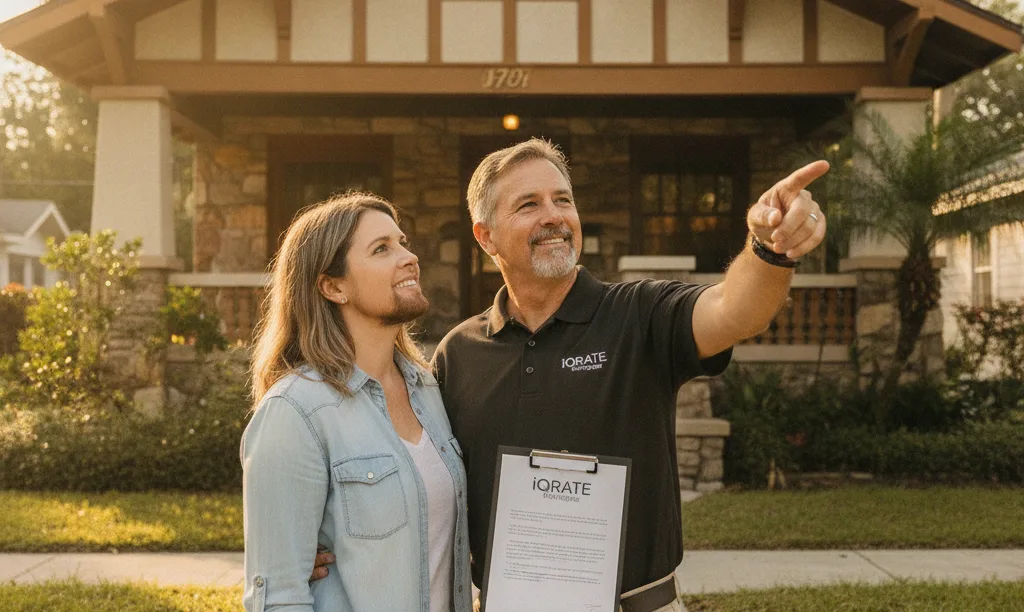

FHA vs. Conventional Appraisals: The Core Distinction
When you apply for a mortgage in Florida, an appraisal is a non-negotiable step. It's an independent assessment of a property's value. However, the type of loan you choose dictates the type of appraisal performed, and the differences are significant, especially for older homes. The primary distinction isn't just about value; it's about purpose and standards.
An FHA appraisal is conducted for a loan insured by the Federal Housing Administration. Its purpose is twofold: to determine the market value and to ensure the property meets the Department of Housing and Urban Development's (HUD) Minimum Property Standards. This means the appraiser acts as a safety inspector, looking for issues that could compromise the health and safety of the occupants or the structural integrity of the home. The goal is to protect both the homebuyer and the FHA, which is insuring the loan against default.
In contrast, a conventional appraisal is for loans that are not government-insured. Its main objective is to confirm that the property's value is high enough to cover the loan amount. If you default, the lender needs to know they can sell the home to recoup their investment. While a conventional appraiser will note significant problems that detract from the value, like a failing roof or major foundation cracks, they are not bound by a federal safety checklist. Minor cosmetic issues or older (but still functional) systems are less likely to be flagged for mandatory repair.
Value vs. Livability
Think of it this way: a conventional appraisal asks, 'What is this St. Petersburg home worth in its current state?' An FHA appraisal asks, 'What is this home worth, AND is it safe, secure, and sound according to federal standards?' This second question is why FHA appraisals have a reputation for being 'stricter'. They enforce a baseline standard of livability that goes beyond simple market value.
FHA's Health and Safety Checklist in Tampa
For buyers looking at charming but older homes in Tampa or Clearwater, the FHA's health and safety checklist is a critical factor. An FHA appraiser must report on any condition that affects the property's soundness or the occupants' well-being. If any of these issues are present, they are typically marked 'subject to repair', meaning they must be fixed before the loan can close.

Common FHA-mandated repair items include:
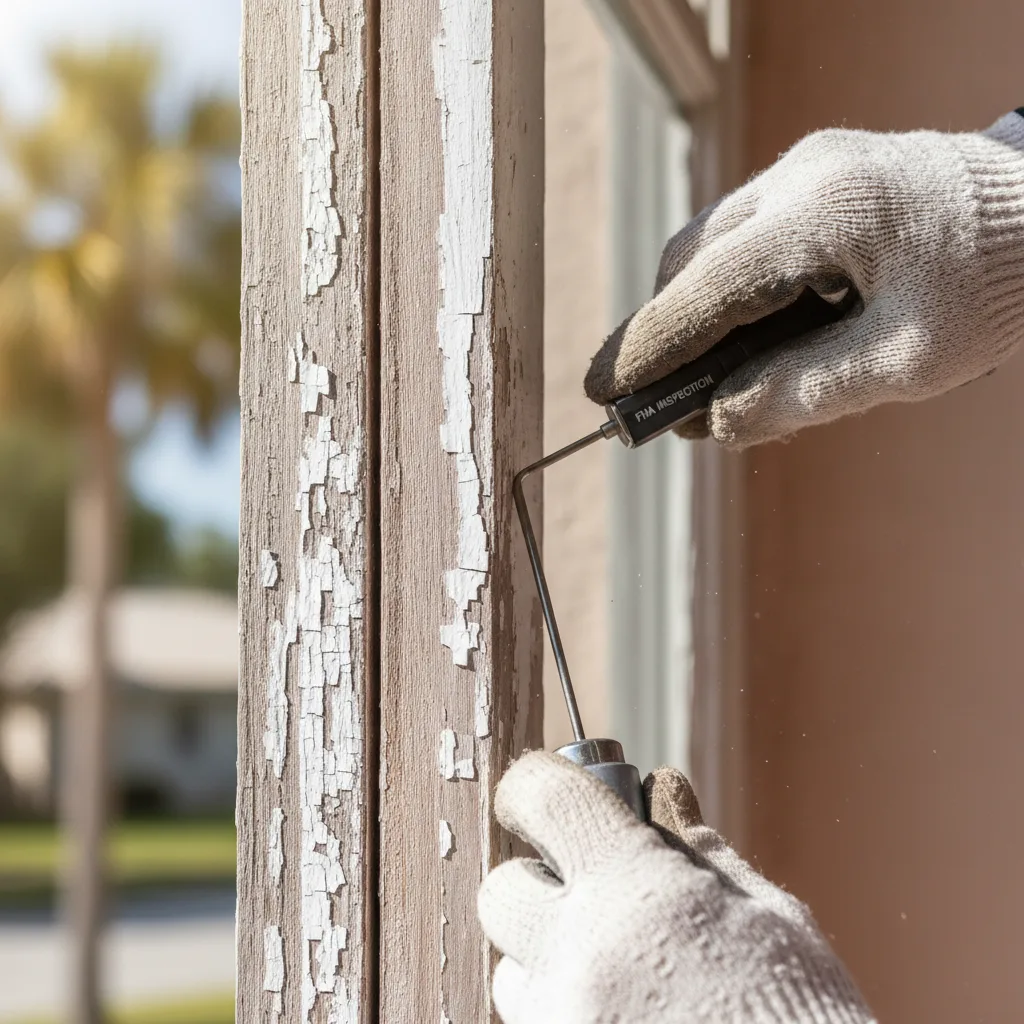
- Peeling or Chipping Paint: In homes built before 1978, this is a major red flag for potential lead-based paint hazards. The appraiser will require that all defective paint surfaces (both interior and exterior) be scraped and repainted.
- Roofing Issues: The roof must be in good condition and have at least two to three years of remaining life. (The data, information, or policy mentioned here may vary over time.) Any evidence of active leaks, missing shingles, or significant deterioration will require repair.
- Inadequate Safety Features: This includes missing handrails on stairs, broken windowpanes, or non-functional smoke detectors.
- Faulty Mechanical Systems: The electrical, plumbing, and heating systems must be safe and in proper working order. Exposed wiring, a non-functional furnace, or major plumbing leaks are unacceptable.
- Structural Problems: Any signs of foundation damage, significant settlement cracks, or water damage in the basement or crawl space will be flagged.
- Pest Infestations: Evidence of active termite or other wood-destroying insect infestations must be treated, and any resulting damage must be repaired.
- Unsafe Water Supply: The property must have a safe and reliable source of hot and cold water. If the property uses a well, it may require testing to ensure the water is potable.
Conventional Loan Scrutiny in St. Petersburg
So, does a conventional loan give you a pass on property condition? Not entirely. While the checklist is less rigid, a conventional appraiser in St. Petersburg is still responsible for delivering an accurate valuation. Major problems will absolutely impact that valuation and can still halt a deal.
For example, peeling paint on an exterior shed might be ignored in a conventional appraisal. On an FHA appraisal, it's a mandatory repair. However, a 20-year-old roof with active leaks is a problem for both loan types. A conventional appraiser would note the roof's condition and likely reduce the home's appraised value significantly to account for the immediate replacement cost, which could be $15,000 or more. If this value adjustment brings the appraisal in below the agreed-upon sale price, it creates an 'appraisal gap'.
For instance, if you agree to buy a home for $420,000, but the appraiser values it at $400,000 due to a faulty roof and an outdated electrical panel, the lender will only finance based on the $400,000 value. This leaves you to cover the $20,000 gap, renegotiate the price with the seller, or walk away from the deal. So while it's not a 'mandated repair', a major defect can have the same deal-killing effect in a conventional loan scenario.
Who Foots the Bill for Appraisal-Mandated Repairs?
This is one of the most stressful points of negotiation in a real estate transaction. When an FHA appraisal comes back 'subject to repair', the responsibility for paying for those repairs is not automatically assigned. It becomes a negotiation between the buyer and the seller.
Most often, the seller is expected to pay. From their perspective, the property must meet these standards to be sold to any FHA buyer, so it's a necessary cost of selling. However, in a competitive market like Tampa's, a seller might refuse. They may have a backup offer from a cash buyer or someone using a conventional loan who is willing to take the property 'as-is'.
A buyer might offer to pay for the repairs to make their offer more compelling, but this comes with risks. If you pay for repairs and the deal falls through for another reason, you've lost that money. A third option is for the buyer and seller to split the cost. Ultimately, if no agreement can be reached, the purchase contract can be terminated.
Can a Strict Appraisal Terminate a Mortgage Deal?
Yes, an appraisal can absolutely kill a mortgage deal, and it happens for two main reasons:
- Low Valuation (Appraisal Gap): This affects both FHA and conventional loans. If the home appraises for less than the contract price, the buyer must make up the difference in cash, the seller must lower the price, or the deal is canceled. Lenders will not issue a loan for more than a property's verified worth.
- Failure to Complete Repairs (FHA Loans): With an FHA loan, if the property has mandated repairs and the seller refuses to fix them (and the buyer is unable or unwilling to), the loan cannot be funded. The property simply does not meet HUD's minimum eligibility criteria, and the lender has no choice but to deny the loan application.
The Seller's Perspective on FHA Offers
It is true that some sellers, particularly those with older homes, may be hesitant to accept offers from buyers using FHA financing. This isn't a bias against the buyer but a calculated risk assessment. Sellers know that an FHA appraisal introduces an extra layer of scrutiny that could lead to unexpected costs and delays. They worry about being asked to pay for thousands of dollars in repairs for things like peeling paint or an old water heater just weeks before closing. In a multiple-offer situation, a seller might choose a conventional or cash offer over an FHA offer—even if the price is slightly lower—to ensure a smoother, more predictable closing.
Preparing for an Appraisal on an Older Florida Home
If you're a buyer targeting an older home in Clearwater or St. Petersburg, you can take steps to prepare for the appraisal and minimize surprises:
- Get a Pre-Inspection: Before you even make an offer, a thorough home inspection by a qualified professional is your best tool. The inspector will identify most of the same issues an FHA appraiser would, giving you a clear picture of the home's condition. You can use this report to decide if you want to proceed or to negotiate repairs with the seller upfront.
- Review FHA Standards: Familiarize yourself with HUD's Minimum Property Standards. Knowing what appraisers look for helps you identify potential red flags when you tour homes.
- Work With an Experienced Agent: A real estate agent who has handled numerous FHA transactions in your area will know how to structure an offer and negotiate repairs effectively.
Choosing the Right Loan for a Fixer-Upper
If you've found a home that you know needs work, selecting the right mortgage is crucial.
If the required repairs are minor and you have the cash to complete them after closing, a conventional loan may offer more flexibility. You can buy the property 'as-is' (assuming it still appraises for the purchase price) and handle the renovations on your own timeline.
If the home needs significant work that an FHA appraisal would definitely flag, you have a powerful alternative: the FHA 203(k) Renovation Loan. This loan program allows you to roll the cost of the home purchase and the cost of necessary repairs or desired renovations into a single mortgage. The loan amount is based on the home's projected value after the improvements are completed. It's an excellent tool for buying a fixer-upper without needing a separate construction loan or paying for repairs out of pocket before you even own the home. Choosing between an FHA and a conventional loan for an older home involves balancing down payment needs with property condition. If you're unsure which path is right for your target property in Tampa or St. Petersburg, consulting with a mortgage professional who understands both programs and the local market can provide the clarity you need to make a confident and successful offer.
Understanding these appraisal differences is the first step toward a successful home purchase. If you're ready to explore your mortgage options and see what you qualify for, you can Apply now to get a clear picture of your borrowing power.
Author Bio
David Ghazaryan is the expert mortgage strategist and founder behind iQRATE Mortgages. With a mission to fund home loans that traditional banks won't touch, David specializes in helping clients with unique financial situations, including those recovering from foreclosure or bankruptcy. He expertly crafts smart, strategic, and stress-free mortgages by leveraging a vast network of over 100 lenders to secure competitive rates for investors and homebuyers alike. Praised for exceptional customer service, David has helped hundreds of families with a 97% satisfaction rate, guiding them to the mortgage they deserve.
References
HUD: Minimum Property Standards








