


The Hidden Impact of 'Buy Now, Pay Later' on Your Mortgage Approval
For many aspiring homeowners in Florida, 'buy now, pay later' (BNPL) services feel like a modern, convenient way to manage purchases. Splitting a $400 purchase into four interest-free payments of $100 seems financially savvy and harmless. However, when you're preparing to apply for a mortgage in competitive markets like Miami, these seemingly small payment plans can create significant hurdles. Mortgage lenders and their underwriting systems have a specific way of viewing all debt obligations, and BNPL is no longer flying under the radar. Understanding how these plans are perceived is critical to ensuring they don't jeopardize your dream of homeownership.
Do 'Buy Now, Pay Later' Plans Show Up on My Credit Report?
This is the most common question, and the answer is becoming more complex. Traditionally, most 'pay-in-four' BNPL plans did not report to the major credit bureaus (Equifax, Experian, and TransUnion) if payments were made on time. They were seen as a merchant-based financing tool, not a traditional line of credit.
However, the landscape is rapidly changing:
- Reporting for Missed Payments: Nearly all BNPL providers will report late or missed payments to the credit bureaus. A single missed payment can be sent to collections, causing significant damage to your credit score.
- Voluntary Reporting: Major players like Equifax and TransUnion have created specific frameworks for BNPL data. Services like Afterpay, Klarna, and Affirm are increasingly opting in to report payment history, both positive and negative. They see it as a way to help consumers build credit, but it also means the data is now visible to mortgage lenders.
- Larger Loans: BNPL services that offer longer-term financing for larger purchases (e.g., a 12-month plan for a $2,000 mattress) almost always report this activity as a standard installment loan on your credit report from day one.
Even if a plan doesn't appear on your credit report, lenders will likely discover it. During the underwriting process, they scrutinize your bank statements. Recurring payments made to Affirm, Klarna, Sezzle, or Afterpay are easily identifiable and will be questioned. You cannot hide these obligations.
How Mortgage Lenders in Hialeah Calculate BNPL in Your DTI
Your debt-to-income (DTI) ratio is one of the most important metrics in mortgage qualification. It measures your total monthly debt payments against your gross monthly income. Lenders treat BNPL payments as fixed monthly debt obligations, just like a car loan or a student loan.
Here’s a practical example for a homebuyer in Hialeah:
- Gross Monthly Income: $6,000
- Proposed Housing Payment (PITI): $2,100
- Other Monthly Debts:
- Car Payment: $450
- Credit Card Minimum Payments: $120
- Student Loan: $230
Now, let's add four active BNPL plans:
- Klarna: $50/month (for electronics)
- Afterpay: $75/month (for clothing)
- Affirm: $110/month (for furniture)
- Sezzle: $40/month (for concert tickets)
Total BNPL Monthly Payment: $50 + $75 + $110 + $40 = $275
The lender will add this $275 to your existing debts.
- Total Monthly Debt (Before BNPL): $450 + $120 + $230 = $800
- Total Monthly Debt (With BNPL): $800 + $275 = $1,075
Now let's calculate the DTI ratio, which includes the new home payment:
- DTI Without BNPL: ($2,100 housing + $800 debt) / $6,000 income = 48.3%
- DTI With BNPL: ($2,100 housing + $1,075 debt) / $6,000 income = 52.9%

In this scenario, the BNPL plans pushed the DTI from a potentially approvable ratio to one that would likely result in a loan denial. Most mortgage programs have DTI caps, often around 45%-50%. (The data, information, or policy mentioned here may vary over time.) The seemingly small BNPL payments made a critical difference.
Can Having Too Many Active Installment Plans Get My Loan Denied?
Yes, absolutely. Even if your DTI ratio remains within the acceptable limits, a high number of active BNPL plans can be a major red flag for underwriters. It paints a picture of your financial habits. An underwriter might interpret numerous active plans as a sign that you lack sufficient cash flow to cover routine purchases and are relying heavily on short-term credit to maintain your lifestyle. This perceived financial instability can lead them to view you as a riskier borrower, potentially resulting in a loan denial or a request for a significant amount of additional documentation and explanation.
Preparing Your BNPL Accounts for a Mortgage Application
Properly managing your BNPL accounts before and during the mortgage process is crucial. Simply ignoring them and hoping a lender won't notice is not a viable strategy.
Should I Pay Off All BNPL Plans Before Applying?
This is a strategic decision that depends on your specific financial situation. Here are the factors to consider:
Pros of Paying Off:
- Lowers Your DTI: This is the biggest benefit. Eliminating those monthly payments completely removes them from the DTI calculation.
- Simplifies Your Application: You won't have to provide statements or explanations for each plan.
- Reduces Underwriter Scrutiny: It presents a cleaner financial profile, showing you are not reliant on short-term debt.
Cons of Paying Off:
- Depletes Cash Reserves: Using a large chunk of your savings to pay off these plans could reduce the funds you have available for a down payment and closing costs. Lenders need to see that you have sufficient reserves.
- Source of Funds: If you suddenly make large payments, the lender will want to know where that money came from. It must be properly sourced and seasoned in your bank account.
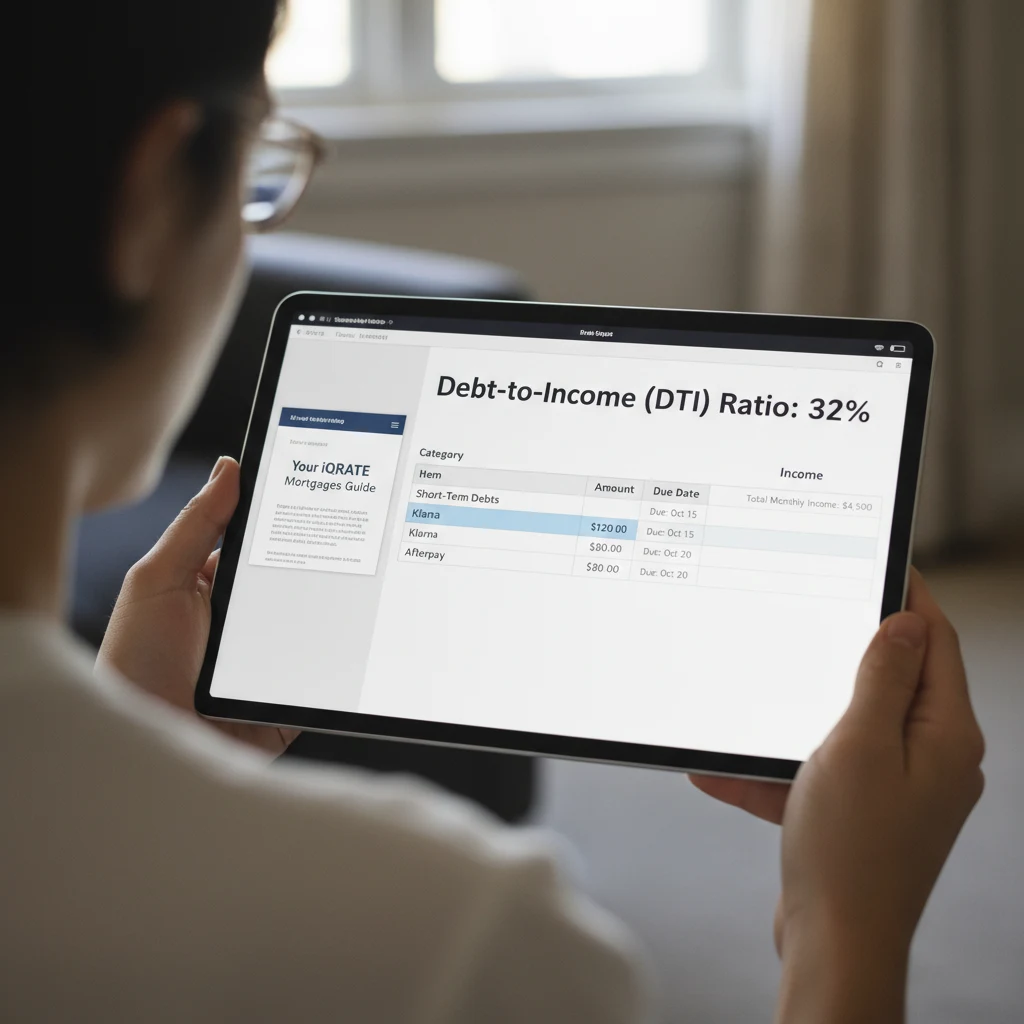
Best practice: Consult with your mortgage loan officer before making any large payments. They can run the numbers and advise whether it's more beneficial to pay off the plans or to keep the cash for closing.
How Do I Properly Document These Payments for My Lender in Miami?
Transparency is key. When you apply for a mortgage in Miami, you must disclose all financial obligations, including every BNPL plan. Be prepared to provide the following for each active plan:
- A copy of the original agreement or receipt.
- A current statement showing the total amount financed, the remaining balance, the monthly payment amount, and the number of payments remaining.
Most BNPL apps and websites allow you to download a payment schedule or statement. Have these documents saved and ready to provide to your loan processor promptly. Hiding them will only cause delays and create distrust with your lender.
Underwriter Perspectives and Unseen Risks
Mortgage underwriters are trained to assess risk. They look beyond the numbers on a page to understand a borrower's financial behavior.
Do Underwriters View BNPL Differently Than Traditional Credit Card Debt?
Yes, they often do. While both are forms of debt, they can signal different things.
- Credit Card Debt: A balance on a credit card is seen as revolving debt. An underwriter might assume it was used for a mix of things, and a borrower with a good history of paying on time is viewed favorably.
- BNPL Debt: A high volume of BNPL plans, especially for smaller, everyday items, can be interpreted differently. It might suggest a borrower is living paycheck to paycheck and cannot afford discretionary items without financing. This perception, fair or not, can raise concerns about financial management and the ability to handle the responsibilities of homeownership.
Can These Plans Impact My Credit Score Without My Knowledge?
This is a significant risk. Here’s how your credit score can be affected, sometimes unexpectedly:
- Hard Inquiries: Some BNPL providers, particularly for larger financing plans, will perform a hard credit inquiry when you apply. Each hard inquiry can temporarily lower your credit score by a few points. Multiple inquiries in a short period can have a cumulative effect.
- New Credit Accounts: If a BNPL plan is reported as a new installment loan, it can slightly lower the average age of your credit accounts, which is a factor in your credit score.
- Missed Payments: As mentioned, a single missed payment that gets reported can cause a substantial drop in your credit score, making it much harder and more expensive to qualify for a mortgage.
What Should I Do If a Lender Questions a Payment Plan During Underwriting?
First, don't panic. This is a normal part of the process. The underwriter's job is to verify every detail of your financial life. If they ask about a payment to Klarna that they saw on your bank statement, your response should be prompt, honest, and thorough.
- Respond Quickly: Acknowledge the request immediately.
- Be Truthful: Explain what the purchase was for.
- Provide Documentation: Immediately supply the payment statement for that plan, showing the balance and terms.
Treating it as a routine request and providing clear documentation will resolve the issue quickly and keep your loan application moving forward. Arguing or being evasive will only create more problems and delay your closing. If you use 'buy now, pay later' services and are planning to buy a home in Florida, it's wise to understand your full financial picture. A conversation with a mortgage expert can help you create a clear strategy to ensure these small debts don't become big obstacles to your home loan approval.
Don't let hidden debts derail your Florida homeownership dreams. Get a clear understanding of your financial standing and take the first step toward a successful mortgage application. Apply now to see where you stand.
Author Bio
David Ghazaryan is the expert mortgage strategist and founder behind iQRATE Mortgages. With a mission to fund home loans that traditional banks won't touch, David specializes in helping clients with unique financial situations, including those recovering from foreclosure or bankruptcy. He expertly crafts smart, strategic, and stress-free mortgages by leveraging a vast network of over 100 lenders to secure competitive rates for investors and homebuyers alike. Praised for exceptional customer service, David has helped hundreds of families with a 97% satisfaction rate, guiding them to the mortgage they deserve.
References









