


What is a Property Pre-Clearance Audit and When to Request One?
A Property Pre-Clearance Audit is a proactive financial investigation into a property before it hits the market. Instead of waiting for a buyer's lender to discover a deal-killing problem 30 days into a contract, this audit identifies and solves financing hurdles upfront. It's a system that vets the asset's financial viability, not the borrower's.
The audit meticulously examines areas that traditional mortgages scrutinize, including:
- Permit History: Searching municipal records for open or expired permits and identifying any unpermitted additions or alterations.
- Title and Liens: A preliminary title search to uncover undisclosed liens, ownership disputes, or clouds on the title.
- Zoning and Land Use: Verifying the property’s current zoning classification allows for its intended use and identifies any non-conforming structures.
- Condominium Association Health (for condos): A deep dive into the HOA's budget, reserves, pending litigation, and owner-occupancy ratios to determine if it meets lender warrantability standards.
When should you request one? The ideal time is during the listing appointment, especially in competitive markets like Miami. If a seller mentions a 'garage conversion they did themselves', 'a dispute with the condo board', or 'some confusion over an old lien', that's your red flag. Proposing a Pre-Clearance Audit positions you as a strategic problem-solver, not just an agent who puts a sign in the yard. For unique properties or those with known issues, it's an essential first step to guarantee a smooth sales process.
How Pre-Vetting Financing Expands the Buyer Pool for a Difficult Property
When a property has financing challenges, the potential buyer pool shrinks dramatically. Homes with unpermitted work or non-warrantable condo status are immediately ineligible for standard FHA, VA, and most conventional loans. This typically leaves you with one type of potential buyer: the all-cash investor who expects a steep discount for taking on the 'problem'.
Pre-vetting the property flips this script. By identifying the exact reasons a property might fail traditional underwriting, we can proactively match it with lenders who have specific loan programs designed for these scenarios. This includes Non-QM lenders and portfolio lenders who use common-sense underwriting.
Instead of listing a home as 'Cash Only', you can now market it with confidence. Imagine this scenario for a listing in Fort Myers:
- Without Pre-Vetting: The listing description reads, 'Charming 3-bed with bonus room. Cash offers preferred.' This immediately signals a problem and attracts lowball offers.
- With Pre-Vetting: The listing description reads, 'Charming 3-bed with bonus room. A complete financing playbook is available, ensuring a smooth closing for qualified buyers.'

This simple change expands your buyer pool from a handful of investors to a much larger group of financed homebuyers. These buyers can now compete for the property, driving up the potential sales price and securing a better outcome for your seller. You are no longer selling a 'problem'; you are selling a home with a pre-packaged solution.
What Specific Loan Solutions Exist for Non-Warrantable Condos in Florida?
Florida's condominium market is notoriously complex, and many buildings are classified as 'non-warrantable'. This means the project does not meet the strict guidelines set by Fannie Mae and Freddie Mac, making it ineligible for conventional financing. Common reasons in Florida include:
- High Investor Concentration: More than 50% of units are owned by investors rather than primary residents. (The data, information, or policy mentioned here may vary over time.)
- Pending Litigation: The condo association is involved in a lawsuit.
- Inadequate Reserves: The HOA budget doesn't set aside at least 10% of its income for reserves. (The data, information, or policy mentioned here may vary over time.)
- Single Entity Ownership: One person or entity owns more than 10% of the units in the project. (The data, information, or policy mentioned here may vary over time.)
When a pre-clearance audit identifies a condo in Miami or Fort Myers as non-warrantable, it doesn't mean it's unsellable. It simply means we need to use specialized tools. The primary solutions include:
- Non-QM Loans: These 'Non-Qualified Mortgages' are the number one solution. Non-QM lenders are not bound by federal agency rules and can create their own guidelines. They focus on the borrower's ability to repay and the overall risk of the loan, often approving loans for non-warrantable condos with competitive terms.
- Portfolio Loans: Some banks and credit unions offer portfolio loans, which they keep on their own books instead of selling them. Because they are holding the loan, they set their own internal underwriting rules and are often willing to finance non-warrantable condo projects, especially if the borrower is strong.
- Limited Review Condo Loans: In some cases, a condo project may only narrowly miss full warrantability. Certain conventional loan programs may allow for a 'Limited Review' with less stringent documentation, which might provide a path to approval.
Accessing these products requires a mortgage strategist with an extensive network of non-traditional lenders. A standard bank will simply say 'no'; an expert can provide multiple 'yes' options.
How to Confidently Market a Home with Known Unpermitted Additions
Discovering a seller completed an addition or significant renovation without permits can feel like a nightmare. The common instinct is to either ignore it and hope an appraiser doesn't notice (a high-risk strategy that often leads to disaster right before closing) or to simply disclose it and cross your fingers.
There is a far better approach: disclose the issue and present the solution simultaneously. This is the core of confident marketing.
A Property Pre-Clearance Audit provides you with a shareable 'Financing Playbook'. This document outlines exactly which loan programs will work for the property, despite the unpermitted work. An appraiser's note that 'the enclosed patio lacks permits' no longer kills the deal, because the lender has already agreed to finance the property with that known fact.
Your marketing language shifts from defensive to offensive:
- Weak Marketing: 'Buyer to verify all permits.'
- Confident Marketing: 'This beautiful Fort Myers home features a spacious enclosed patio. A pre-approved financing plan from iQRATE Mortgages that fully accounts for this addition is available for qualified buyers, removing any financing uncertainty.'
This strategy builds immense trust with potential buyers and their agents. You've identified a potential problem, solved it in advance, and offered a clear, transparent path to closing. This eliminates objections before they can even be raised, protecting your timeline and your commission.
What Documentation is Needed to Solve Title or Zoning Issues Pre-Listing?
To effectively solve title and zoning challenges before they derail a contract, gathering the right documentation upfront is crucial. Waiting until you're under contract to hunt for these items can cause delays that frustrate everyone and give the buyer an opportunity to walk away. A Pre-Clearance Audit will require the following:
For Potential Title Issues:
- Preliminary Title Report: The foundational document showing current ownership, liens, and encumbrances.
- Property Survey: A recent survey is essential to confirm boundaries and identify encroachments.
- Lien and Judgment Documents: Copies of any known contractor liens, code violations, or court judgments attached to the property.
- Estate Documents: If the sale is due to an inheritance, you'll need the death certificate, trust documents, or probate court orders.
For Potential Zoning and Permit Issues:
- Zoning Classification: A letter or document from the city or county (e.g., Miami-Dade County Department of Regulatory and Economic Resources) confirming the official zoning.
- Variance Documentation: Any past applications or grants for a zoning variance.
- Description of Unpermitted Work: A detailed summary of the work done, including any informal plans, invoices, or photos that can help a lender understand the scope and quality.
- HOA Approval Letters: For exterior work done in a planned community, proof that the HOA approved the changes, even if the city didn't issue a permit.
Having these documents ready allows a mortgage strategist to present a clean, complete file to the right lender, getting a definitive 'yes' before you even take listing photos.
How This System Reduces Your Personal Liability for a Deal Falling Apart
As a real estate agent, your reputation is your most valuable asset. A pattern of deals falling apart due to financing issues can quickly damage it. More importantly, it can expose you to personal liability.
Failing to disclose a known material fact, like unpermitted work, can lead to legal trouble. Even if you do disclose it, if the deal collapses because you couldn't guide the buyer to a viable financing solution, your seller is left frustrated, and you've wasted weeks of time and marketing dollars.
The Property Pre-Clearance system significantly reduces these risks in several ways:
- Enforces Full Disclosure: The audit process forces all known issues into the open, ensuring you meet your legal and ethical disclosure requirements.
- Provides a Documented Solution: The Financing Playbook is tangible proof of your due diligence. It demonstrates that you not only identified a potential hurdle but also proactively found a workable solution.
- Prevents Wasted Resources: By confirming financability upfront, you avoid spending money on marketing a property that is destined to fail in underwriting.
- Protects Your Commission: Securing the financing path eliminates the most common reason for contract termination, making your commission far more secure.
By adopting this system, you shift from being a salesperson to a strategic advisor, safeguarding your clients' interests and your own professional standing.
What is the Process for Certifying a Property as 'Finance-Ready'?
Certifying a property as 'Finance-Ready' is a straightforward process designed to provide maximum clarity and confidence to you, your seller, and potential buyers. It transforms a difficult listing into a securely closable one.
Here is the step-by-step process:
- Initial Consultation & Document Submission: The process begins with a conversation between the real estate agent and the mortgage strategist. You'll discuss all known property issues and submit the relevant documentation gathered, such as HOA information or details about unpermitted work.
- Property Financial Audit: Our team performs the deep dive. We analyze the condo docs, pull permit histories, review the preliminary title report, and assess every detail that a lender's underwriter would scrutinize.
- Lender Network Vetting: This is the critical step. We take the property's unique profile and match it with specific Non-QM and portfolio lenders in our network whose guidelines explicitly allow for these scenarios. We get a concrete 'yes' from a lender before the property is even active.
- Creation of the Financing Playbook: We compile our findings into a clear, concise, one-page document. This playbook outlines the approved loan programs, potential terms, and the exact requirements a buyer will need to meet. It's written in plain language for easy sharing.
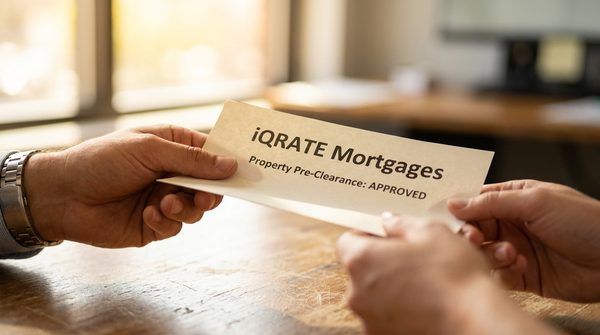
- 'Finance-Ready' Certification: With the playbook in hand, the property is now certified. You receive the shareable PDF to include in your MLS listing attachments, marketing materials, and to provide to any interested buyer's agent. This certification removes doubt and accelerates the entire transaction.
Have a listing with financing red flags in Miami or Fort Myers? Let's build a clear path to the closing table. Take the first step and Apply now for a complimentary Property Pre-Clearance consultation.
Author Bio
David Ghazaryan is the expert mortgage strategist and founder behind iQRATE Mortgages. With a mission to fund home loans that traditional banks won't touch, David specializes in helping clients with unique financial situations, including those recovering from foreclosure or bankruptcy. He expertly crafts smart, strategic, and stress-free mortgages by leveraging a vast network of over 100 lenders to secure competitive rates for investors and homebuyers alike. Praised for exceptional customer service, David has helped hundreds of families with a 97% satisfaction rate, guiding them to the mortgage they deserve.
References
Fannie Mae - Condo Project Manager Resources
Consumer Financial Protection Bureau - What is a title search?









