


What is 'Unpermitted Work' to a Mortgage Appraiser?
To a mortgage appraiser, 'unpermitted work' refers to any modification to a property that required a municipal permit but was completed without one. Appraisers aren't code enforcement officers, but they are trained to spot additions or alterations that seem inconsistent with the original structure or public records. Their primary concern is how these changes affect the home's safety, structural integrity, and market value—all critical factors for the lender who is underwriting the loan.
Common examples in Florida include:
- Garage Conversions: Turning a garage into a living room, bedroom, or 'in-law suite' without permits for electrical, insulation, and proper egress (windows/doors).
- Enclosed Patios and Lanais: Converting a screened-in porch into a four-season room with permanent walls and windows.
- Bathroom or Kitchen Additions: Adding plumbing and electrical for a new bathroom or kitchenette where one didn't exist.
- Major System Upgrades: Replacing an entire electrical panel or re-plumbing a section of the house without the required inspections.
An appraiser will note these modifications in their report. If the work is minor and well-executed, it might not be an issue. However, if it's a significant structural change, like a bedroom addition in an Orlando home, the appraiser may not be able to include its square footage in the home's official 'gross living area', potentially lowering the appraised value and jeopardizing the loan.
Why a Federal Housing Administration Loan Might Be Denied
The Federal Housing Administration (FHA) has a core mission to make homeownership accessible, but it does so while protecting its own financial risk. To do this, it insures loans made by FHA-approved lenders. A condition of that insurance is that the property must meet strict Minimum Property Standards (MPS). These standards ensure the home is safe, sound, and secure.
Unpermitted work is a major red flag for FHA appraisers precisely because it sidesteps the very safety checks that permits are designed for. Here’s why it often leads to a denial:
- Safety and Code Violations: An unpermitted garage conversion in a Tampa property might lack proper smoke detectors, adequate window size for emergency escape, or safe wiring. An FHA appraiser must flag these as threats to the health and safety of the occupants.
- Structural Soundness: Did that added second-story deck get proper support? Was the wall removed to create an open-concept kitchen a load-bearing one? Without permits and inspections, the FHA has no way to verify the work was done correctly and won't cause future structural failure.
- The 'Subject-To' Appraisal: When an FHA appraiser finds significant unpermitted work, they typically complete the appraisal 'subject-to' the condition being remedied. This means the loan will not be approved until the seller either tears down the addition or, more ideally, gets a retroactive permit. Getting a retroactive permit can be time-consuming and expensive, often requiring walls to be opened for inspection, which can kill a real estate deal.

Is a Conventional Loan More Flexible for Homes with Additions?
Yes, conventional loans—those not insured by the government and which typically follow guidelines set by Fannie Mae and Freddie Mac—can offer significantly more flexibility. Lenders have more discretion because they are assessing their own risk profile rather than adhering to rigid federal standards.
Here’s how a conventional loan appraisal might differ:
- Focus on Market Value: A conventional appraiser is primarily concerned with value. If an unpermitted but well-built patio enclosure in an Orlando neighborhood is common and adds to the home's marketability, the appraiser may include its value in the report, even while noting its unpermitted status. The lender may accept this as long as the work appears safe and professionally done. (The data, information, or policy mentioned here may vary over time.)
- No Mandatory Repairs for Minor Issues: Unlike FHA's strict MPS, conventional loans don't have a mandatory repair list for non-structural or non-safety-related issues. The lender might simply accept the property 'as-is'. (The data, information, or policy mentioned here may vary over time.)
- Lender Discretion: Some lenders specialize in or are more comfortable with 'unusual' properties. They may approve a loan on a home with a small unpermitted addition as long as the borrower is strong (e.g., has a high credit score and a larger down payment). (The data, information, or policy mentioned here may vary over time.)
Example Scenario:
Imagine a home in Tampa listed for $350,000. It has a well-done unpermitted garage conversion.
- An FHA buyer would likely see the appraisal come back 'subject-to' getting the conversion permitted, halting the loan process.
- A conventional buyer with a 20% down payment ($70,000) might have the appraiser simply note the conversion but still appraise the home at $350,000. The lender, seeing the quality of the work and the borrower's strong financial position, could choose to approve the loan without requiring any changes. (The data, information, or policy mentioned here may vary over time.)
Can I Finance the Cost of Getting Permits Into My Mortgage?
No, you cannot roll the cost of obtaining retroactive permits or fixing unpermitted work into a standard purchase mortgage like a traditional FHA or conventional loan. These loans are based on the home's current appraised value in its 'as-is' condition. The money is used to transfer ownership from the seller to the buyer; it is not allocated for future repairs or administrative costs.
Think of it this way: the lender is giving you money to buy the house today. The cost of getting permits is a future expense related to fixing a problem with the house, not part of the purchase transaction itself. To finance these types of costs, you need a specialized financial product designed for this purpose, known as a renovation loan.
Risks of Buying a Home with Unpermitted Work in Miami
While tempting, buying a home with unpermitted work carries significant risks, especially in a high-cost, highly regulated area like Miami. The 'great deal' you found can quickly become a financial nightmare.
- Code Enforcement Fines: Miami-Dade County has active code enforcement. If a neighbor complains or the county discovers the unpermitted work, you, as the new owner, could be hit with daily fines until the issue is resolved. This could mean thousands of dollars. (The data, information, or policy mentioned here may vary over time.)
- Forced Removal: In a worst-case scenario, the city could require you to tear down the unpermitted structure entirely at your own expense. That 'bonus room' that sold you on the house could become a pile of rubble on your lawn, and you’ll still be paying the mortgage on its perceived value.
- Insurance Complications: Homeowner's insurance companies can deny a claim for damage originating from an unpermitted part of the house. For example, if a fire starts due to faulty, uninspected wiring in an unpermitted kitchen, your entire claim could be rejected. In a hurricane-prone area like Miami, insurers are especially strict about structural integrity.
- Future Resale Problems: When you decide to sell, you will face the exact same financing and disclosure problems you are facing now. You'll have to disclose the unpermitted work to future buyers, limiting your pool of potential offers to cash buyers or those willing to take on the same risk.
How to Ask a Seller to Resolve Permit Issues Before Closing
If you've discovered unpermitted work, the best approach is to negotiate a solution with the seller through your real estate agent. You have leverage because the seller will likely face the same issue with any other buyer who isn't paying with cash.
Here are three common strategies:
- Seller Obtains Retroactive Permits: This is the ideal solution. You can write into your purchase offer that the closing is contingent on the seller successfully obtaining all necessary permits and closing them out for the unpermitted work. This protects you completely, but be aware it can delay closing by weeks or even months.
- Negotiate a Price Reduction: Get quotes from licensed contractors on what it would cost to either bring the work up to code and get permits, or to remove it. You can then use these quotes to negotiate a lower sale price. This puts the work on you after closing, but you are compensated for the cost and hassle.
- Ask for a Seller Credit: Similar to a price reduction, you can ask the seller to provide a credit at closing to cover the estimated cost of repairs. This gives you the cash you need to handle the project immediately after you take possession of the home. Check with your lender first, as they may have limits on the amount of seller credit you can receive. (The data, information, or policy mentioned here may vary over time.)
Are There Special Renovation Loans to Fix This Problem?
Yes, absolutely. Renovation loans are specifically designed to solve this exact problem. They allow you to finance the purchase of the home and the cost of the necessary repairs or permitting process all in one loan. The loan amount is based on the home’s projected value after the work is completed.
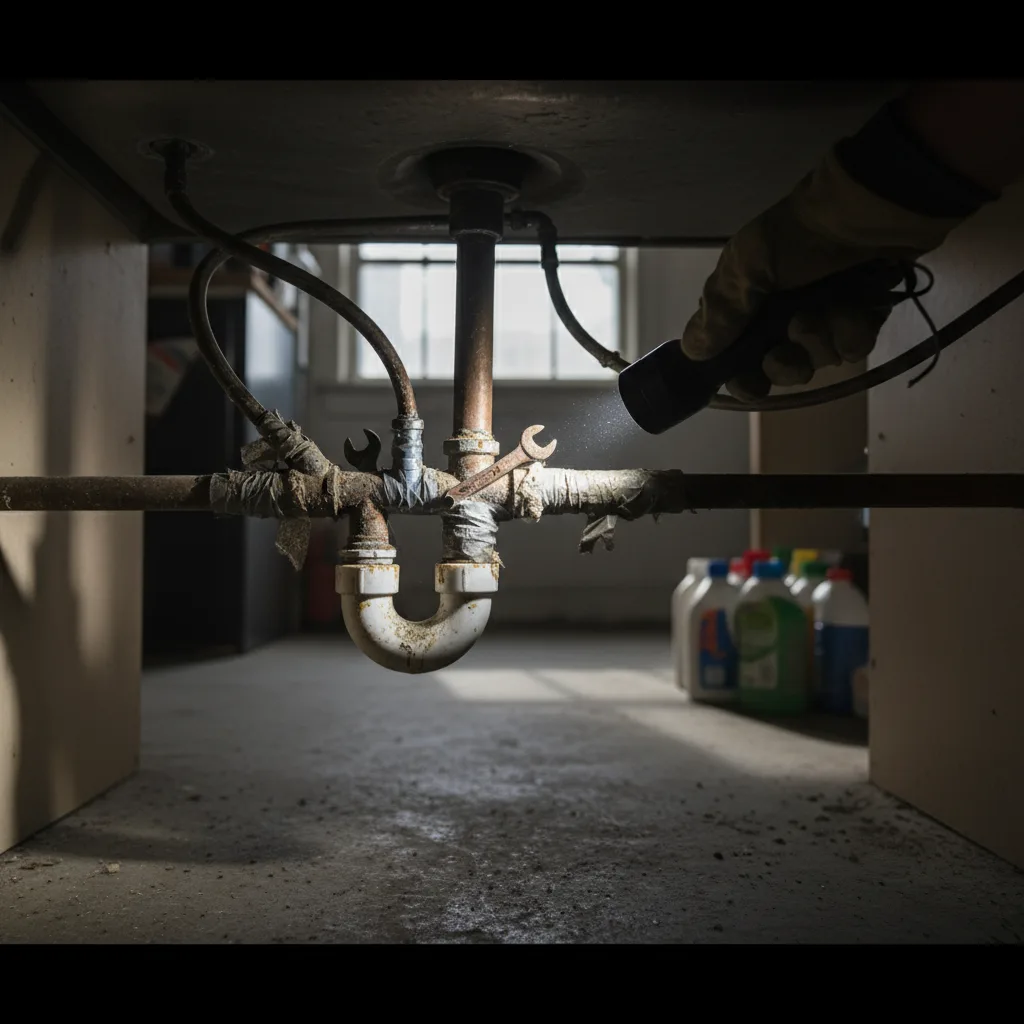
Two popular options are:
- FHA 203(k) Loan: This is an FHA-insured loan perfect for homes that don't meet Minimum Property Standards. The Standard 203(k) is for major structural repairs, while the Limited 203(k) is for non-structural work up to $35,000. You could use this to hire a contractor to open walls for inspection, update wiring, and complete the work needed to get a retroactive permit. (The data, information, or policy mentioned here may vary over time.)
- Fannie Mae HomeStyle® Loan: This is a conventional renovation loan. It can be used for nearly any type of renovation, from luxury upgrades to necessary repairs like fixing unpermitted work. It often requires a higher credit score and down payment than the FHA 203(k) but offers more flexibility in the types of projects allowed.
With either loan, the renovation funds are held in an escrow account. After closing, you hire a licensed contractor who is paid in draws from the escrow account as they complete stages of the work, which is verified by an inspector.
What to Look For During the Home Inspection
Your home inspector is your best defense against unknowingly buying a home with significant unpermitted work. Be sure to hire an experienced, licensed inspector and attend the inspection yourself. Point out any areas that look like they might be additions or conversions and ask the inspector to pay special attention to them.
Key warning signs to look for:
- Inconsistent Materials: The brick, siding, or window style on one part of the house looks newer or different from the rest.
- Awkward Layouts: A bedroom that you can only access by walking through another bedroom, or a bathroom squeezed into a strange corner.
- Questionable Workmanship: Look for sloppy drywall, visible shims in door frames, or switches and outlets that look out of place.
- Electrical Panel Issues: The main electrical panel is full, but there's a new addition with power. Look for sub-panels or messy wiring that indicates a DIY job.
- Plumbing Problems: Check for slow drains, low water pressure, or strange gurgling sounds in the addition, which could indicate improper venting or drainage—a common shortcut in unpermitted plumbing work. Buying a home with unpermitted work requires careful planning and the right financing strategy. If you've found a property with these challenges, it's crucial to speak with a mortgage expert who understands renovation loans and can navigate complex appraisal issues to find a clear path to closing.
Ready to tackle a home with unpermitted work? Our experts can guide you through specialized financing like renovation loans. Apply now to find your clear path to closing.
Author Bio
David Ghazaryan is the expert mortgage strategist and founder behind iQRATE Mortgages. With a mission to fund home loans that traditional banks won't touch, David specializes in helping clients with unique financial situations, including those recovering from foreclosure or bankruptcy. He expertly crafts smart, strategic, and stress-free mortgages by leveraging a vast network of over 100 lenders to secure competitive rates for investors and homebuyers alike. Praised for exceptional customer service, David has helped hundreds of families with a 97% satisfaction rate, guiding them to the mortgage they deserve.
References
HUD: 203(k) Rehab Mortgage Insurance









