


What are the FHA's Minimum Property Standards?
When you use an FHA loan to buy a home, the Federal Housing Administration isn't just insuring your loan; it's also making sure the property you're buying is a safe and sound investment. To do this, they rely on a set of rules known as the Minimum Property Standards (MPS). These standards are designed to protect you, the homebuyer, from purchasing a property with significant defects that could be costly or dangerous.
The core of the FHA's MPS can be summarized with three key principles:
- Safety: The property must be free of any known hazards that could threaten the health and well-being of its occupants. This includes issues like exposed electrical wiring, broken steps or handrails, and evidence of lead-based paint.
- Security: The home must be reasonably secure. This means all exterior doors and windows must be intact and functional. They should open, close, and lock properly to protect the home and its occupants.
- Soundness: The property's structure must be in good condition, without any defects that could compromise its integrity. This relates to the foundation, roof, and overall structural stability. An appraiser will look for significant cracks, water damage, or decay that indicates a deeper problem.
An FHA appraiser's job is to act as the eyes and ears for the lender and the FHA. They conduct a visual inspection of the property to ensure it meets these baseline requirements. If they spot a condition that violates the '3 S's', they will flag it in their report, which can halt the loan process until the issue is resolved.
Will peeling paint automatically cause the property to fail?
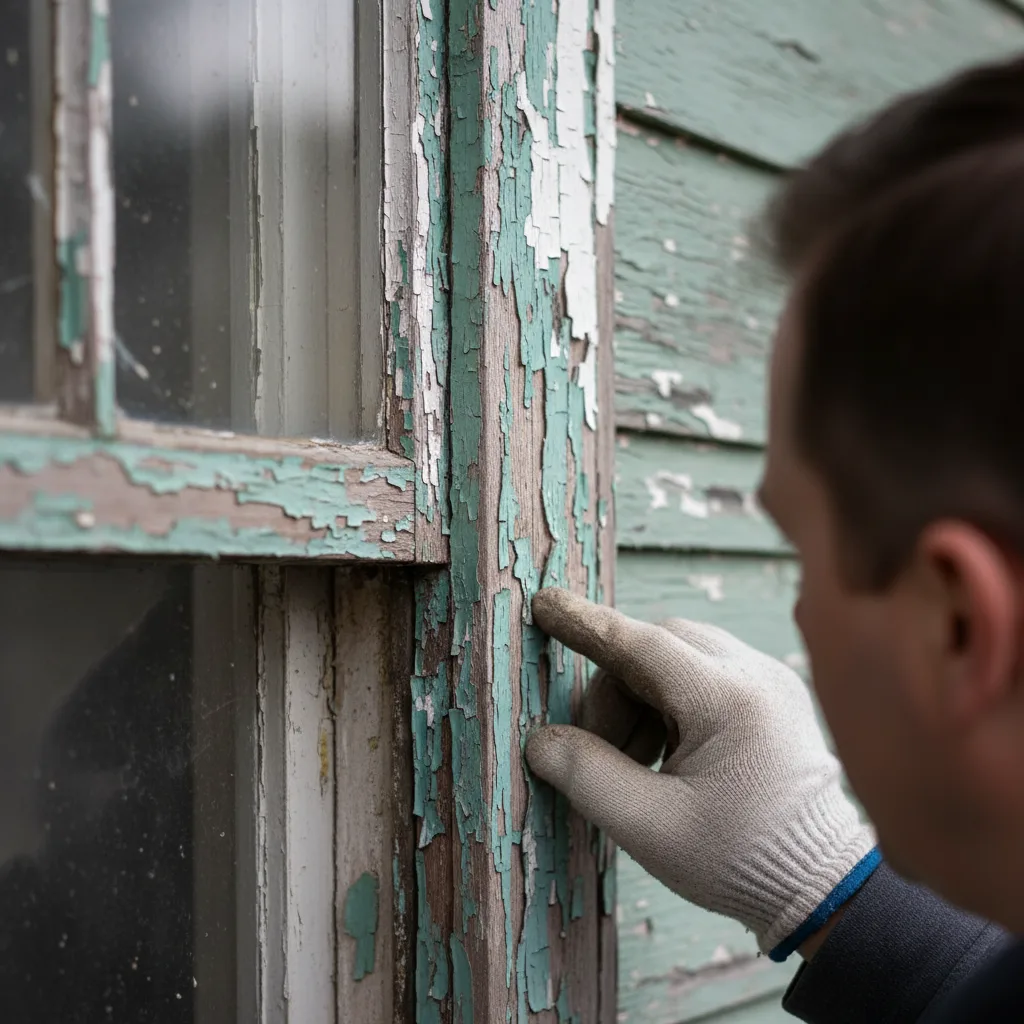
Yes, in many cases, peeling paint can automatically cause a property to fail an FHA appraisal, especially in homes built before 1978. This isn't a cosmetic preference; it's a serious safety requirement directly tied to the risk of lead-based paint poisoning. The FHA takes this hazard very seriously.
For any home constructed prior to 1978, the appraiser is required to note any and all instances of chipping, peeling, or cracking paint on both interior and exterior surfaces. This includes walls, trim, windowsills, eaves, porches, and any detached structures like garages or sheds.
Why is this such a big deal?
Lead was a common ingredient in paint for decades, and its dust or chips are highly toxic, particularly to children and pregnant women. Since many affordable fixer-uppers in older Las Vegas neighborhoods or historic parts of Reno fall into this pre-1978 category, this rule is a frequent hurdle for FHA buyers.
The appraiser will flag this condition in their report, and the loan cannot close until the issue is properly remediated. The required fix isn't just a quick coat of new paint over the old. The FHA requires that all loose paint be thoroughly scraped off and the surface repainted. This must be done in a 'workmanlike manner', meaning the final result should be clean and professionally finished. The seller is typically responsible for covering the cost of this repair, but it can become a point of negotiation.
What specific roof conditions will an FHA appraiser flag?
A home's roof is one of its most critical components, and the FHA needs assurance that it will protect the property for the foreseeable future. The general rule of thumb is that the roof must have a remaining physical life of at least two years. (The data, information, or policy mentioned here may vary over time.) If it appears to be nearing the end of its lifespan, the appraiser will require a professional inspection.
An FHA appraiser is not a licensed roofing contractor, but they are trained to spot visual red flags that indicate potential failure. Key conditions they will look for include:
- Missing or Damaged Shingles: Obvious signs of physical damage, like missing, broken, or severely curled shingles, suggest the roof's integrity is compromised.
- Active Leaks: The appraiser will check interior ceilings and attic spaces for water stains, discoloration, or moisture, which are clear signs of an active or recent leak.
- Significant Granule Loss: For asphalt shingle roofs, excessive loss of the protective granules (which often collect in gutters) indicates the shingles are old and deteriorating.
- Multiple Layers: While not an automatic failure, a roof with more than two layers of shingles can be flagged, as the excess weight can strain the home's structure.
- Signs of Deterioration: This includes any visible sagging, rotting of the underlying sheathing, or large patches that are inconsistent with the rest of the roof.
If the appraiser notes any of these issues on a Reno home that has endured heavy snowfall or a Las Vegas property baked by the sun, they will make the appraisal 'subject to' a roof certification from a qualified roofer. This certification must confirm the roof has the required remaining life. If it doesn't, the roof must be repaired or replaced before the FHA loan can be finalized.
Do all appliances need to be present and working?
Not all appliances are subject to FHA appraisal standards, but those considered essential to the home's basic function and value must be in place and operational. The FHA wants to ensure the home is immediately habitable. The distinction usually comes down to whether an appliance is considered personal property or a permanent fixture.
Appliances that are built-in or considered standard for a home to function must be working. This typically includes:
- The primary cooking range/oven
- A built-in microwave or dishwasher
- The home's heating and cooling systems (HVAC)
- The water heater
For example, if the appraiser walks into the kitchen and there is no stove, the property will fail. If there is a stove but the oven doesn't heat up, it will also be flagged for repair. In a climate like Nevada, a functional air conditioning system is not a luxury; it's a necessity. The appraiser will test the HVAC to ensure it produces both hot and cold air.

On the other hand, appliances that are typically considered personal property, such as refrigerators, washers, and dryers, are not required to be present or functional unless their value was specifically included in the sales contract.
What happens if the appraiser requires repairs before closing?
Receiving an appraisal report that is 'subject to repairs' can feel like a setback, but it's a common part of buying a fixer-upper with an FHA loan. This simply means the appraiser has identified issues that violate the FHA's Minimum Property Standards, and these problems must be corrected before the lender can fund the loan.
Here's the typical process:
- The Appraisal Report: The appraiser details the required repairs in their report, often including photos of the problem areas. This could range from scraping peeling paint to replacing a broken window or repairing a faulty furnace.
- Negotiation: The buyer and seller must decide who will pay for and manage the repairs. In most cases, the seller is responsible, as they are selling a property that must meet specific standards for the buyer's financing. However, this can be negotiated.
- Completion of Work: The agreed-upon repairs must be completed by qualified professionals in a 'workmanlike manner'. It's crucial to keep receipts and documentation of the work performed.
- Final Inspection: Once the repairs are finished, the lender will order a final inspection or a 're-certification of value' from the original appraiser. The appraiser returns to the property to verify that all the required work has been completed satisfactorily. They will take 'after' photos for their final report.
- Clear to Close: Once the appraiser confirms the repairs are done, they issue a final report. The lender can then give the 'clear to close', and you can proceed with signing your final loan documents.
Can I finance the cost of these repairs into my FHA loan?
Yes, and this is one of the most powerful features of FHA financing for fixer-uppers. If you find a home that needs work—either identified by an appraiser or simply because you want to renovate—the FHA 203(k) Rehabilitation Mortgage is the perfect tool. This program allows you to roll the cost of repairs and renovations into your primary home loan.
There are two main types of FHA 203(k) loans:
Limited 203(k) Mortgage
This is the most common option, designed for non-structural repairs and improvements. It allows you to finance up to $35,000 for projects like:
- Repairing or replacing a roof
- Remediating peeling paint
- Installing a new HVAC system
- Updating kitchens and bathrooms
- Replacing flooring and windows
For example, if a home in Las Vegas needs a new air conditioner and has extensive peeling paint totaling $15,000, a Limited 203(k) lets you add that cost to your loan amount. The repairs are then completed after you close on the house. (The data, information, or policy mentioned here may vary over time.)
Standard 203(k) Mortgage
This is for more extensive projects involving structural work or repairs exceeding $35,000. It can be used for things like room additions, moving walls, or repairing a foundation. The Standard 203(k) is more complex and requires the use of a 203(k) Consultant to oversee the project.
Using a 203(k) loan prevents you from having to pay for repairs out of pocket and allows you to buy a home that might otherwise be ineligible for standard FHA financing.
Are FHA property standards stricter than conventional loan standards?
Yes, FHA property standards are generally stricter and more specific than those for conventional loans. The reason comes down to risk. FHA loans are insured by the federal government, which protects lenders from loss if a borrower defaults. To minimize this risk, the FHA insists that the collateral for the loan—the house—is in good, livable condition from day one.
Conventional loans, which are not government-insured, give lenders more flexibility. A conventional appraiser is primarily focused on determining the property's market value to ensure it's sufficient collateral for the loan amount. They will note property defects, and a home in very poor condition might still be un-financeable, but they don't have a rigid checklist of health and safety items like an FHA appraiser does.
For example, a conventional loan might be approved for a home with significant peeling paint, especially if the buyer has a large down payment. An FHA loan would never be approved under the same circumstances without the paint issue being fixed first. This is why sellers sometimes prefer conventional offers over FHA offers when selling an older home 'as-is'.
How can I prepare a property for an FHA appraisal?
Whether you are a buyer or a seller, being proactive can help ensure a smooth FHA appraisal process. By looking at the property through the eyes of an appraiser, you can identify and address potential issues before they become official, deal-delaying problems. Before the appraiser is scheduled to visit, walk through the property and create a checklist.
- Walk the property: Do a thorough walkthrough of the interior and exterior specifically looking for FHA red flags like broken windows, missing handrails on stairs, or uneven walkways that pose a trip hazard.
- Check for peeling paint: If the home was built before 1978, look carefully at all painted surfaces, including windowsills, door frames, eaves, and detached garages. Address any chipping or flaking areas.
- Ensure all utilities are on: The appraiser must be able to test the electrical, plumbing, and HVAC systems. Make sure the water, gas, and electricity are all turned on.
- Test appliances and systems: Turn on the furnace, air conditioning, and all built-in appliances to confirm they are in working order.
- Provide clear access: The appraiser needs access to all parts of the home, including the attic, crawlspace, and garage. Don't block access with boxes or furniture.
- Look for water damage: Check under sinks, around toilets, and on ceilings for any signs of current or past water leaks. These will always be flagged.
- Check smoke and carbon monoxide detectors: Ensure they are present and functional as required by local code.
Addressing these small items upfront can prevent the need for a costly and time-consuming re-inspection, helping you get to the closing table faster.
Navigating FHA requirements for a fixer-upper can feel complex, but you don't have to do it alone. If you're ready to explore powerful financing options like the FHA 203(k) loan for a property in Nevada, our mortgage advisors can help you move forward with confidence. Apply now to get started.
Author Bio
David Ghazaryan is the expert mortgage strategist and founder behind iQRATE Mortgages. With a mission to fund home loans that traditional banks won't touch, David specializes in helping clients with unique financial situations, including those recovering from foreclosure or bankruptcy. He expertly crafts smart, strategic, and stress-free mortgages by leveraging a vast network of over 100 lenders to secure competitive rates for investors and homebuyers alike. Praised for exceptional customer service, David has helped hundreds of families with a 97% satisfaction rate, guiding them to the mortgage they deserve.
References
HUD Handbook 4000.1: FHA Single Family Housing Policy Handbook
Consumer Financial Protection Bureau: What is a home appraisal?









