


Visa Requirements for an Orlando Investor Loan
One of the most common misconceptions for foreign nationals buying property in the U.S. is that a specific work visa is a mandatory prerequisite for a mortgage. For an investment property loan, often referred to as a Foreign National Loan, this is not always the case. Lenders specializing in these products understand that you may be purchasing a vacation home or a rental property in Orlando without planning to live or work in the United States full-time.
While a work visa is not always required, having a valid U.S. visa can strengthen your application. Acceptable visa types often include: (The data, information, or policy mentioned here may vary over time.)
- B-1/B-2: For business or tourism, indicating you can legally enter the U.S. to manage your property.
- E-2: Treaty investor visa.
- L-1: Intracompany transferee visa.
- H-1B: Specialty occupation visa.
It is critical to be transparent with your lender about your visa status from the beginning. They will confirm which types are acceptable for their specific loan programs. The key takeaway is that you must be in the U.S. legally at the time of closing, but your primary income and residence can remain in your home country for an investor loan.
Providing Proof of Income From Your Home Country
Verifying income from a foreign source is the most document-intensive part of the application. Lenders need irrefutable proof of stable and ongoing earnings. You cannot simply state your income; you must provide a clear paper trail using specific documents.
Employer Verification Letter
If you are employed by a company in your home country, you will need a formal verification letter. This is not just a simple note; it must be on official company letterhead and contain precise information. Lenders in Kissimmee will scrutinize this document to ensure its authenticity.
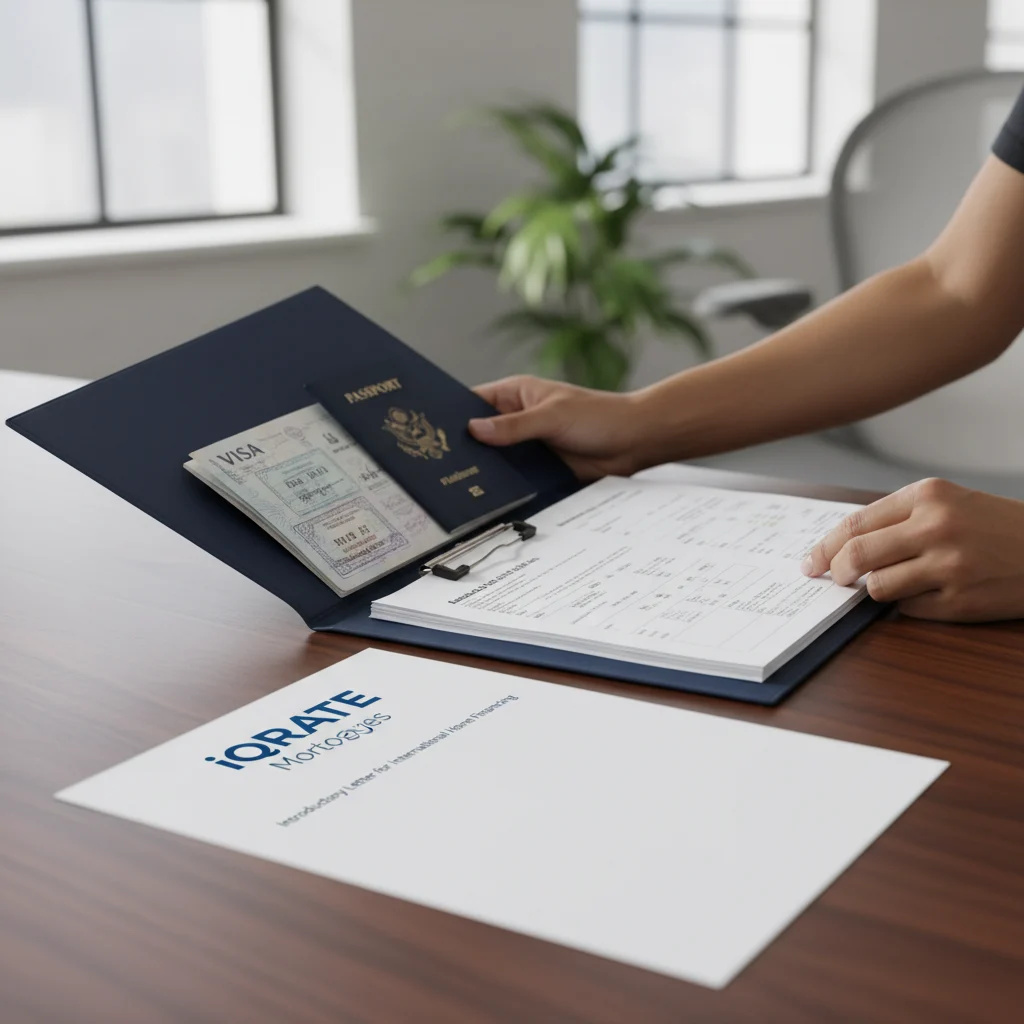
Your letter must include: (The data, information, or policy mentioned here may vary over time.)
- Your full name and position within the company.
- Your employment start date.
- Your current salary, clearly stated in your local currency and converted to U.S. dollars (USD).
- The likelihood of continued employment.
- Contact information for the person who can verify this information (usually in Human Resources).
- The letter must be signed and dated.
Pay Stubs and Tax Documents
Alongside the verification letter, you must provide the most recent pay stubs covering a 30-day period. Additionally, be prepared to submit the last two years of your home country's equivalent of tax returns or income statements. This corroborates the income stated in the employer letter and demonstrates a consistent earnings history.
Documenting Foreign Assets for a Kissimmee Property
Lenders need to verify you have sufficient funds for the down payment, closing costs, and required cash reserves. These funds can be held in foreign financial institutions, but they must be meticulously documented.
Your asset documentation portfolio will include:
- Bank Statements: Two to three consecutive months of statements for all checking and savings accounts. (The data, information, or policy mentioned here may vary over time.) The statements must show your name, the bank's name, and the account number.
- Investment Accounts: If you plan to use funds from stocks, bonds, or other investment vehicles, provide the two most recent statements for those accounts.
- Retirement Funds: Documentation for any retirement accounts you plan to draw from, though using these funds can be more complex and may have tax implications.
A crucial rule is that lenders will source and season all large deposits. This means if a large, uncharacteristic deposit appears in your account, you must provide a paper trail explaining where it came from (e.g., the sale of another property, a bonus from work). For example, if you are buying a $500,000 property in Kissimmee and a sum of $75,000 suddenly appears in your account, you must prove its origin. Without a clear source, the lender will disregard those funds.
Translating Foreign Financial Statements to English
Yes, absolutely. Any document not issued in English must be translated by a certified, independent third-party translation service. You cannot translate the documents yourself, nor can a friend or family member do it. The translator must attest to the accuracy of the translation in a signed statement.
Each translated page should be accompanied by a copy of the original document. Furthermore, all monetary values must be converted to U.S. dollars. The translation should clearly state the exchange rate used on a specific date to ensure the lender can accurately assess your financial standing.
Acceptable Forms of Foreign Identification
Your identity must be verified with non-expired, government-issued documentation. The lender will require clear, legible copies of these items. While requirements can vary slightly between lenders, the primary forms of identification are standard.
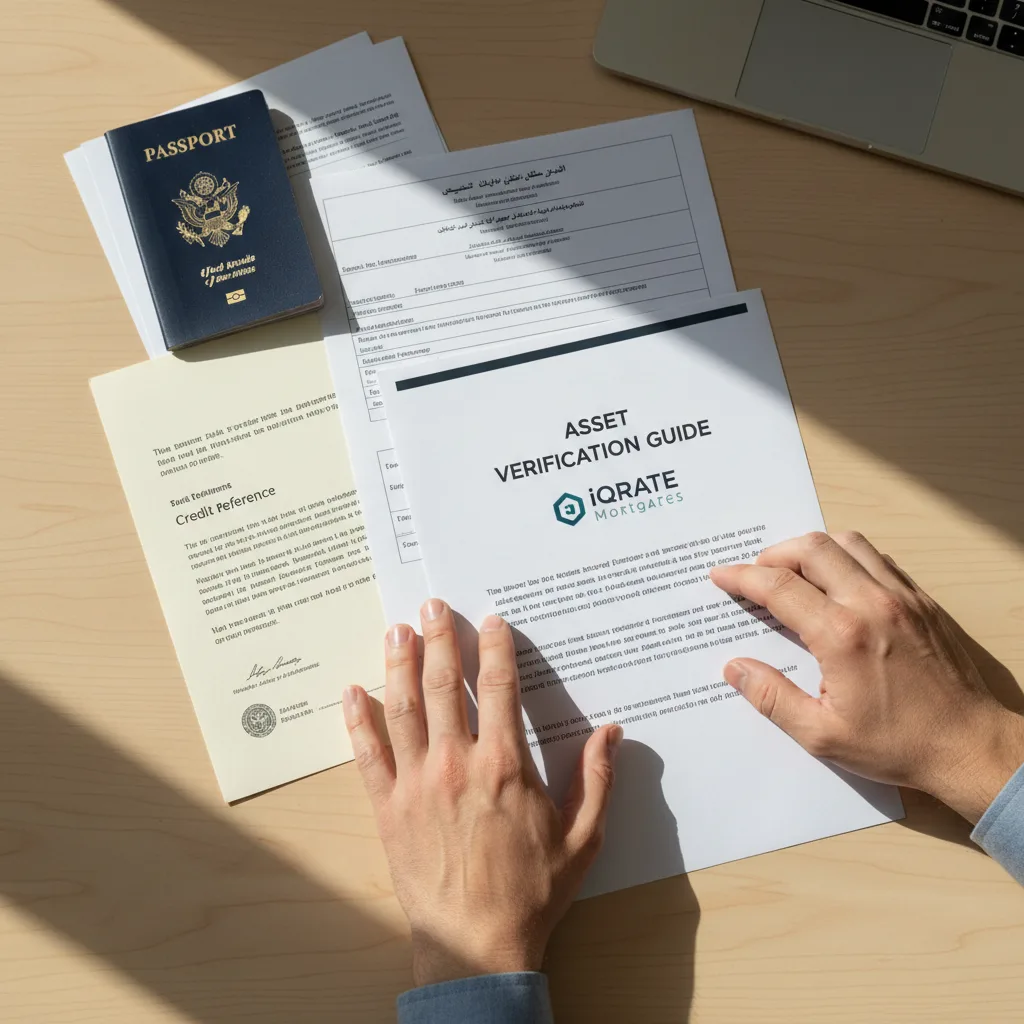
Acceptable identification includes:
- A valid Passport from your country of citizenship. This is the most important piece of identification.
- A secondary form of ID, such as a National ID Card or a Foreign Driver's License.
- A copy of your U.S. visa, if you have one.
These documents confirm your identity and legal name, which must match across all your financial and application paperwork.
Using a Letter From Your Foreign Accountant to Verify Income
For self-employed borrowers, a traditional employer verification letter is impossible. In this scenario, a letter from a licensed accountant (such as a Chartered Accountant or CPA in your home country) is the standard alternative. This is a common and accepted practice for verifying income for entrepreneurs and business owners seeking an investment loan in Orlando.
The accountant's letter must: (The data, information, or policy mentioned here may vary over time.)
- Be on the accounting firm's official letterhead.
- State that they are your accountant and specify for how long.
- Confirm the name and nature of your business.
- Detail your income for the past two years and the current year-to-date, converted to USD.
- Include a statement confirming the business is solvent and operational.
- Provide the accountant's license number and contact information for verification.
This letter, combined with your business financial statements and personal tax returns, creates a comprehensive picture of your self-employed income.
What is a Credit Reference Letter and How Do I Get One?
Without a U.S. Social Security Number or credit history, you won't have a FICO score. To overcome this, lenders require a credit reference letter from your foreign financial institution(s). This letter serves as a substitute for a traditional credit report, providing evidence of your financial responsibility.
You obtain this by contacting your primary bank or financial institution where you have a long-standing relationship. The letter must be on the bank's letterhead and state: (The data, information, or policy mentioned here may vary over time.)
- The type of accounts you hold (checking, savings, credit lines).
- The date the accounts were opened.
- The average balance maintained over the last 12-24 months.
- A statement regarding your payment history, confirming that accounts have been managed in good standing (e.g., no overdrafts, timely payments).
Having letters from two separate sources, like a bank and a credit card company, can further strengthen your application.
Documenting the Source of Your Down Payment From a Foreign Account
This is a non-negotiable step. U.S. anti-money laundering regulations require lenders to verify the source of every dollar used in the transaction. You must provide a clear, easy-to-follow paper trail for your down payment.
Step 1: Seasoning the Funds. Your down payment funds must be 'seasoned', meaning they have been in your account for at least 60-90 days. (The data, information, or policy mentioned here may vary over time.) This proves the money is yours and not a last-minute, un-vetted loan.
Step 2: The Transfer. When you move the money from your foreign account to a U.S. account for closing, you must document the transfer.
Step 3: The Paper Trail. You will need to provide:
- A copy of the bank statement from your foreign account showing the funds leaving.
- A copy of the wire transfer receipt.
- A copy of the bank statement from your U.S. account showing the funds arriving.
For example, if you transfer $150,000 from a bank in London to a bank in Orlando for your down payment, you must provide the statement from the London bank showing the $150,000 debit and the statement from the Orlando bank showing the corresponding credit. The amounts must match perfectly, accounting for any wire fees or currency exchange differences. Navigating a foreign national loan in Orlando can feel complex, but with the right documentation, it's entirely achievable. If you have questions about your specific situation or need guidance on preparing your file, a mortgage strategist specializing in investor loans can provide the clarity you need.
Navigating the complexities of a foreign national mortgage can be challenging, but you don't have to do it alone. If you're ready to move forward with your Orlando investment property, our specialists are here to help clarify the process and review your documentation. Apply now to get started with confidence.
Author Bio
David Ghazaryan is the expert mortgage strategist and founder behind iQRATE Mortgages. With a mission to fund home loans that traditional banks won't touch, David specializes in helping clients with unique financial situations, including those recovering from foreclosure or bankruptcy. He expertly crafts smart, strategic, and stress-free mortgages by leveraging a vast network of over 100 lenders to secure competitive rates for investors and homebuyers alike. Praised for exceptional customer service, David has helped hundreds of families with a 97% satisfaction rate, guiding them to the mortgage they deserve.
References
Fannie Mae Selling Guide: Foreign Income
Consumer Financial Protection Bureau (CFPB): Closing Disclosure Explainer
National Association of REALTORS®: International Transactions in U.S. Residential Real Estate









