
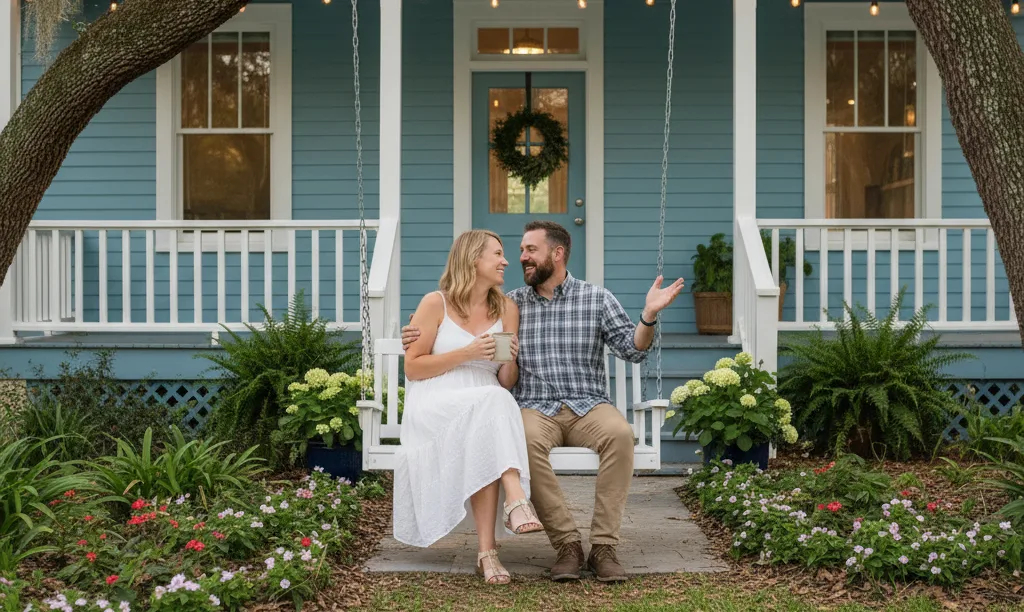

What is a United States Department of Agriculture Renovation Loan?
A United States Department of Agriculture (USDA) Renovation Loan is a specialized mortgage product designed to help homebuyers purchase and repair a property in a designated rural area. It’s part of the USDA's Single Family Housing Guaranteed Loan Program. The key feature of this loan is its ability to combine two major expenses into one: the cost of buying the home and the cost of the necessary repairs or renovations. This single-loan structure simplifies financing and opens up possibilities for purchasing homes that might otherwise be uninsurable or uninhabitable due to their condition.
Imagine finding an affordable home with great potential just outside of Gainesville, but it needs a new roof and an updated electrical system. A standard mortgage would only cover the purchase price, leaving you to find thousands of dollars out-of-pocket for the repairs. The USDA Renovation Loan solves this problem by allowing you to finance the entire project. The loan amount includes funds to buy the house plus an additional amount placed in an escrow account to pay a licensed contractor for the pre-approved renovations. This makes it a powerful tool for revitalizing rural communities and helping families secure safe, modern housing without needing significant upfront cash for improvements.
How is this different from an FHA 203(k) loan in Gainesville?
While both the USDA Renovation Loan and the FHA 203(k) loan allow you to finance a home's purchase and renovation costs, they have fundamental differences that make them suitable for different buyers and properties. Understanding these distinctions is crucial, especially when looking at homes in and around areas like Gainesville where both rural and urban zones exist.
Geographic Location Eligibility
The most significant difference is geography. USDA loans, including the renovation option, are restricted to properties located in designated rural areas as defined by the USDA. Many of the communities surrounding Ocala and Gainesville qualify, but the core city centers often do not. The program's goal is to promote homeownership and development outside of major metropolitan hubs.
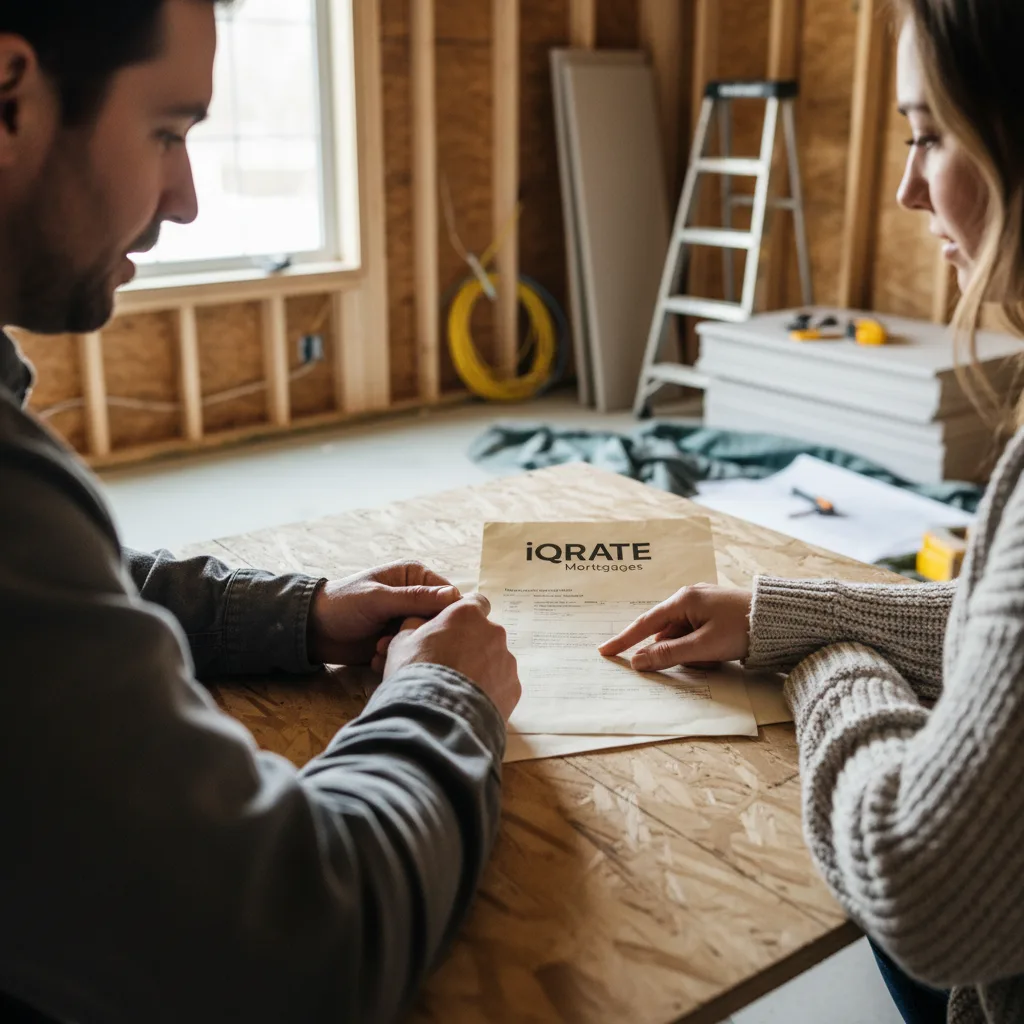
In contrast, an FHA 203(k) loan has no geographic restrictions. You can use it to buy a fixer-upper in a dense urban neighborhood, a suburb, or a rural area. This flexibility makes it the go-to renovation loan for properties within the city limits of Gainesville where USDA financing is not an option.
Down Payment and Funding Fees
This is another major point of separation. The USDA Renovation Loan is famous for requiring zero down payment. This is a massive advantage for qualified buyers who have good credit and stable income but lack substantial savings for a down payment. The FHA 203(k) loan requires a minimum down payment of 3.5% of the total cost (purchase price plus renovation costs). (The data, information, or policy mentioned here may vary over time.)
Both loans have funding fees that function like mortgage insurance.
- USDA: You'll pay a one-time upfront 'Guarantee Fee' (which can often be rolled into the loan amount) and a smaller annual fee paid monthly with your mortgage payment. (The data, information, or policy mentioned here may vary over time.)
- FHA 203(k): This program requires an Upfront Mortgage Insurance Premium (UFMIP) and a monthly Mortgage Insurance Premium (MIP) that typically lasts for the life of the loan. (The data, information, or policy mentioned here may vary over time.)
What types of property repairs are eligible for financing?
The USDA Renovation Loan is intended to bring a property up to standard, making it safe, sanitary, and structurally sound. It is not meant for luxury upgrades. The financed repairs must improve the home's livability and value. Prohibited improvements include adding swimming pools, outdoor kitchens, or other high-end amenities that are not essential to the home's function.
Eligible repairs generally fall into these categories:
- Structural and Safety Repairs: This includes fixing foundation issues, replacing the roof, repairing or replacing porches and decks, and addressing any termite or water damage.
- System Upgrades: Modernizing essential systems is a primary use. This covers replacing or repairing the HVAC (heating, ventilation, and air conditioning) system, updating old or unsafe electrical wiring, and overhauling the plumbing system, including well and septic system repairs or installation.
- Energy Efficiency Improvements: Making the home more energy-efficient is encouraged. Eligible projects include installing new windows and doors, adding insulation to walls and attics, and upgrading to a more efficient water heater.
- Modernization and Functional Improvements: You can finance updates that bring the home to modern standards. This includes renovating kitchens and bathrooms, replacing flooring, painting, and installing new appliances.
- Accessibility Modifications: The loan can be used to make a home accessible for individuals with disabilities, such as adding ramps, widening doorways, or installing grab bars in bathrooms.
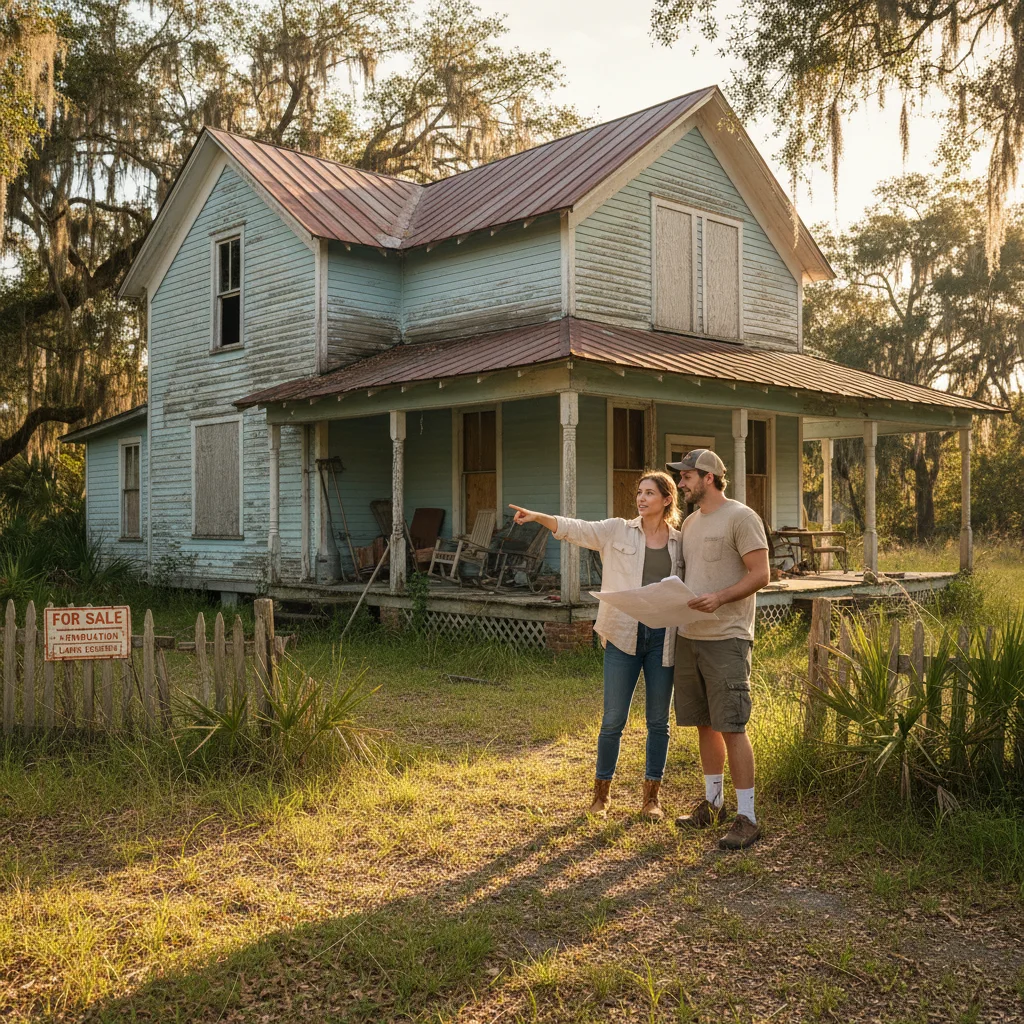
Are there income and geographic limits I must meet in Ocala?
Yes, the USDA program has strict eligibility criteria based on both where you buy and how much you earn. These rules are non-negotiable and are designed to ensure the program serves its intended audience of low-to-moderate-income families in rural areas.
Geographic Eligibility in Marion and Alachua Counties
Before you even start looking at homes, you must verify the property's location is in a USDA-eligible area. You can do this using the official USDA property eligibility map. While the main urbanized centers of Ocala (in Marion County) and Gainesville (in Alachua County) are largely ineligible, a vast number of the surrounding towns, suburbs, and unincorporated areas are. For example, areas just a short drive from the city centers often qualify, opening up many opportunities for homebuyers looking for more space and a quieter lifestyle.
Income Limits for Household Size
The USDA also sets income limits to ensure its loans are directed to households that need them most. These limits vary by county and household size. The calculation includes the total anticipated annual income of all adult members of the household, even if they are not on the loan application. The limit for a four-person household in Marion County will be different from that in Alachua County. It is essential to check the current USDA income limits for your specific county and household size. (The data, information, or policy mentioned here may vary over time.) Your lender will verify your income against these government-set thresholds as a first step in the pre-approval process.
How does the appraisal process work for a home needing repairs?
The appraisal for a renovation loan is different from a standard home purchase. Instead of determining the property's current value, the appraiser must determine its 'after-improved value'. This is the projected market value of the home after all the planned renovations are completed.
Here’s how it works:
- The lender provides the appraiser with the purchase contract, the detailed contractor bid, and the full scope of work.
- The appraiser visits the property to assess its current condition.
- Using the provided documents, the appraiser determines what the home will be worth once the work is finished, based on comparable sales of similar, updated homes in the Ocala or Gainesville area.
This future-value appraisal is critical because the loan amount is based on this higher, 'as-completed' value. For example, let's say you agree to buy a home for $220,000 in a rural part of Alachua County, and your contractor bids $40,000 for a new kitchen, roof, and HVAC system. The total acquisition cost is $260,000. The appraiser reviews the plans and determines that once complete, the home will be worth $275,000. The lender can then confidently approve a loan for $260,000 because it's less than the final appraised value.
What is the step-by-step process for contractor bids and payments?
Managing the renovation funds is a structured process to protect both the borrower and the lender. The money isn't simply handed over to you or the contractor. It's held in an escrow account and disbursed in stages as work is completed and verified.
- Select a Licensed Contractor: You must choose a reputable, licensed, and insured contractor. The lender will need to vet and approve your choice. They will check their credentials, references, and insurance.
- Obtain a Detailed Bid: The contractor must provide a comprehensive, fixed-price bid that itemizes all labor and material costs. It should also include a projected timeline. This bid becomes part of the loan file.
- Lender Approval and Closing: The lender reviews and approves the contractor's bid. At closing, the funds for the renovation are set aside in a lender-controlled escrow account.
- Work Commences and Draws are Requested: The contractor begins the renovation. As they complete pre-agreed-upon phases of the project, they submit a 'draw request' to the lender for payment.
- Inspection and Fund Disbursement: Before releasing money, the lender will likely require an inspection to verify that the work for that draw has been completed satisfactorily. Once verified, the lender pays the contractor from the escrow account.
- Final Inspection and Closeout: After all work is finished, a final inspection is conducted. Once approved, the remaining funds are disbursed, and the escrow account is closed. This ensures the renovation is completed as planned before the final payment is made.
Can I use this loan to upgrade a home, not just repair it?
Yes, you can use a USDA Renovation Loan for upgrades, but with important limitations. The program's primary goal is ensuring the property is decent, safe, and sanitary. Therefore, repairs related to structural integrity, safety, and essential systems take precedence. However, the loan can also cover modernizations that improve the home's livability and value.
For example, you can upgrade an outdated but functional kitchen with new cabinets and energy-efficient appliances. You can replace old carpeting with more durable modern flooring. These are considered acceptable upgrades. What you cannot do is finance luxury items. Projects like adding a swimming pool, building an outdoor barbecue area, or installing high-end home theater systems are not eligible for financing with a USDA Renovation Loan. The key is that the improvements must be a permanent part of the real estate and add to its overall value and function.
What are the credit and down payment requirements?
One of the biggest draws of the USDA loan program is its accessibility, particularly regarding the down payment and credit requirements.
Zero Down Payment Requirement
As mentioned, the USDA Guaranteed Loan program, including the renovation option, requires no down payment. This allows creditworthy buyers to purchase a home without spending years saving up a large lump sum. You can finance 100% of the home's 'after-improved' value. The upfront Guarantee Fee can also be rolled into the loan amount, further reducing out-of-pocket expenses at closing.
Credit Score Guidelines
While the USDA itself does not set a minimum credit score, most lenders that offer the program use the agency's Guaranteed Underwriting System (GUS). To get an automated approval through GUS, borrowers typically need a credit score of 640 or higher. (The data, information, or policy mentioned here may vary over time.) A score in this range demonstrates a history of responsible credit management and reduces the lender's risk.
It is sometimes possible to get approved with a score below 640 through a process called manual underwriting. In this case, the lender will conduct a more in-depth review of your financial profile, looking for compensating factors like a low debt-to-income ratio, stable employment history, and significant cash reserves. (The data, information, or policy mentioned here may vary over time.) A USDA Renovation Loan can turn a fixer-upper into your dream home in communities like Ocala or Gainesville. If you're ready to explore your options, the first step is to discuss your scenario with a mortgage expert who understands the specific requirements of government-backed renovation loans and can help you navigate the process from start to finish.
Ready to transform a fixer-upper into your perfect home? Find out if a USDA Renovation Loan is right for you and get started on your application today.
Author Bio
David Ghazaryan is the expert mortgage strategist and founder behind iQRATE Mortgages. With a mission to fund home loans that traditional banks won't touch, David specializes in helping clients with unique financial situations, including those recovering from foreclosure or bankruptcy. He expertly crafts smart, strategic, and stress-free mortgages by leveraging a vast network of over 100 lenders to secure competitive rates for investors and homebuyers alike. Praised for exceptional customer service, David has helped hundreds of families with a 97% satisfaction rate, guiding them to the mortgage they deserve.
References
USDA Single Family Housing Guaranteed Loan Program









