


How Lenders Calculate Property Taxes for a DSCR Loan in Austin
When you're buying an investment property in a high-tax area like Austin, the single biggest mistake you can make is assuming the lender will use the seller's current property tax bill for their calculation. Lenders underwrite for the future, not the past. They know that a property's assessed value will likely reset to the new, higher purchase price, leading to a significant tax increase.
To account for this, lenders typically use the higher of two figures:
- The current tax rate applied to the new purchase price.
- A standardized percentage of the purchase price, often 1.25%, as a conservative floor. (The data, information, or policy mentioned here may vary over time.)
This method protects the lender from approving a loan that only cash flows based on artificially low, pre-sale tax figures.
A Real-World Austin Example
Let's break down how this impacts a real estate deal in Austin:
- Purchase Price: $500,000
- Seller's Current Annual Taxes: $8,500 (based on a lower assessed value from years ago)
- Current Travis County Tax Rate (approximate): 2.1% (The data, information, or policy mentioned here may vary over time.)
An inexperienced investor might plug $8,500 into their cash flow spreadsheet. However, the lender will ignore that number entirely. They will calculate the estimated future taxes:
- Lender's Tax Calculation: $500,000 (Purchase Price) x 0.021 (Tax Rate) = $10,500 per year, or $875 per month.
That $2,000 annual difference ($167 per month) goes directly against your property's income in the Debt Service Coverage Ratio (DSCR) calculation. For a property with tight margins, this single adjustment can be the difference between approval and denial.
Can I Use Projected Rent Increases to Offset High Houston Taxes?
This is a common question, especially in a dynamic rental market like Houston where rents can change quickly. Investors often want to underwrite a deal based on the rent they plan to get after making improvements or after a current under-market lease expires. Unfortunately, lenders are far more conservative.
For a DSCR loan, the lender's underwriter will almost always use the lower of these two figures for the income side of the ratio:
- The gross rent from a current, signed lease agreement.
- The market rent opinion listed in the formal appraisal report.
If a property is vacant, the appraiser's market rent opinion is the only figure used. You cannot simply tell the lender you expect to get $200 more per month than the appraiser's estimate. Lenders need verifiable, third-party data to support the loan.
When Projections Might Be Considered
There are rare exceptions. A very experienced investor working with a flexible lender might be able to use a newly signed lease that starts in the near future, even if it's higher than the old lease. However, this is not a standard practice and requires a strong justification and a lender willing to listen. For most investors, the rule is simple: the income used for qualification is the income you can prove today.
What is the Minimum Coverage Ratio Lenders Require in These Markets?
The Debt Service Coverage Ratio is a simple formula: Gross Monthly Rent / Total Monthly Housing Expense (PITI). PITI stands for Principal, Interest, Taxes, and Insurance. Some lenders may also include HOA dues in this calculation.
A ratio of 1.0 means the rent exactly covers the expenses. Lenders see this as extremely risky, as it leaves no room for vacancies, repairs, or management fees. To ensure a cash-flow buffer, lenders require a ratio greater than 1.0.
- Standard Minimum DSCR: Most lenders look for a minimum ratio of 1.20 to 1.25. This means the property's gross rents must be at least 120% to 125% of its total PITI payment.
- Aggressive Lenders: Some lenders may go down to 1.15 for a very strong borrower with excellent credit and a significant down payment.
- Conservative Lenders: In high-cost markets like Austin, it's not uncommon for lenders to require a higher buffer, pushing the minimum to 1.30 or more, especially on properties with deferred maintenance or higher perceived risk.
(The data, information, or policy mentioned here may vary over time.) Before making an offer, you must know your target lender's specific DSCR minimum and calculate your numbers accordingly.
Does a Larger Down Payment Help My Property Pass the Test?
Yes, absolutely. A larger down payment is the most powerful tool an investor has to make a deal work, especially when high taxes in Houston or Austin are squeezing the cash flow.
Here’s why it's so effective: a larger down payment directly reduces the loan amount. A smaller loan means a smaller monthly principal and interest (P&I) payment. Since P&I is the largest component of the PITI debt calculation, reducing it has a massive positive impact on your DSCR.

Down Payment Impact Example
Let's look at a $450,000 investment property in Houston.
- Annual Taxes: $9,900 ($825/month)
- Annual Insurance: $2,400 ($200/month)
- Gross Monthly Rent: $3,000
Scenario 1: 20% Down Payment ($90,000)
- Loan Amount: $360,000
- Monthly P&I (at 7.5%): ~$2,517
- Total PITI: $2,517 (P&I) + $825 (Taxes) + $200 (Insurance) = $3,542
- DSCR: $3,000 / $3,542 = 0.85 (This loan will be denied.)
Scenario 2: 30% Down Payment ($135,000)
- Loan Amount: $315,000
- Monthly P&I (at 7.5%): ~$2,203
- Total PITI: $2,203 (P&I) + $825 (Taxes) + $200 (Insurance) = $3,228
- DSCR: $3,000 / $3,228 = 0.93 (Still not enough. This loan will be denied.)
This demonstrates how even a substantial down payment might not be enough on its own. It often needs to be combined with other strategies.
Should I Use an Interest-Only Option to Improve My Cash Flow for the Loan?
For deals with tight margins, an interest-only (I/O) loan can be a powerful strategic tool. An I/O loan requires you to pay only the interest portion of the mortgage payment for a set term, typically the first 10 years of a 30-year loan.
By temporarily removing the principal payment from the PITI calculation, you dramatically lower the monthly debt service, making it much easier to meet the lender's DSCR requirement.
Interest-Only Impact Example
Let's revisit our Houston property from the previous example with a 30% down payment.
- Loan Amount: $315,000
- Monthly Interest-Only Payment (at 7.5%): $315,000 x 0.075 / 12 = $1,969
- Total PITI (I/O): $1,969 (Interest) + $825 (Taxes) + $200 (Insurance) = $2,994
- DSCR: $3,000 / $2,994 = 1.002 (This loan still fails, as it's below the 1.20 minimum.)
This example highlights a critical reality: even with a large down payment and an interest-only loan, some properties in high-tax Texas markets simply do not generate enough rent to meet lender requirements. This forces an investor to either increase the down payment further, negotiate a lower purchase price, or walk away from the deal.
Can Property Tax Exemptions Be Factored into the Calculation?
No. This is a clear and non-negotiable rule for DSCR loans. Lenders cannot and will not use any of the seller's personal property tax exemptions in their calculations. This includes exemptions for homestead, disability, or senior status.
DSCR loans are underwritten based on the property's ability to generate income and cover its own debts. Since personal exemptions are tied to the owner and not the property itself, they are not transferable to a new investor. The lender must assume the property will be taxed at its full, non-exempt rate after the sale.
What Other Expenses Can Hurt My DSCR Qualification?
While property taxes are often the biggest hurdle in Texas, several other expenses are factored into the debt side of the ratio and can negatively impact your qualification.
- Homeowners Association (HOA) Dues: If the property is in a community with an HOA, the monthly dues are added directly to the PITI payment. A $300 monthly HOA fee is treated the same as a $300 increase in your tax bill.
- Hazard and Flood Insurance: Lenders require hazard insurance. In many areas near Houston, flood insurance is also mandatory. Soaring insurance premiums can significantly increase your total housing payment.
- Short-Term Rental Expenses: If you're financing a short-term rental (STR), some lenders may add a percentage of gross income to the expense side to account for management fees, utilities, and supplies, which can make the DSCR test harder to pass.
How Do I Find Properties That Will Cash Flow with High Carrying Costs?
Finding successful rental properties in Austin and Houston requires a disciplined and analytical approach. You cannot rely on surface-level numbers.
- Underwrite Like a Lender: Analyze every potential deal using the lender's conservative math. Assume the highest possible tax and insurance costs, not the seller's current figures.
- Target Value-Add Properties: Look for properties with cosmetic issues or management inefficiencies that have suppressed the current rent. A solid plan to increase rents after closing can turn a borderline deal into a profitable one.
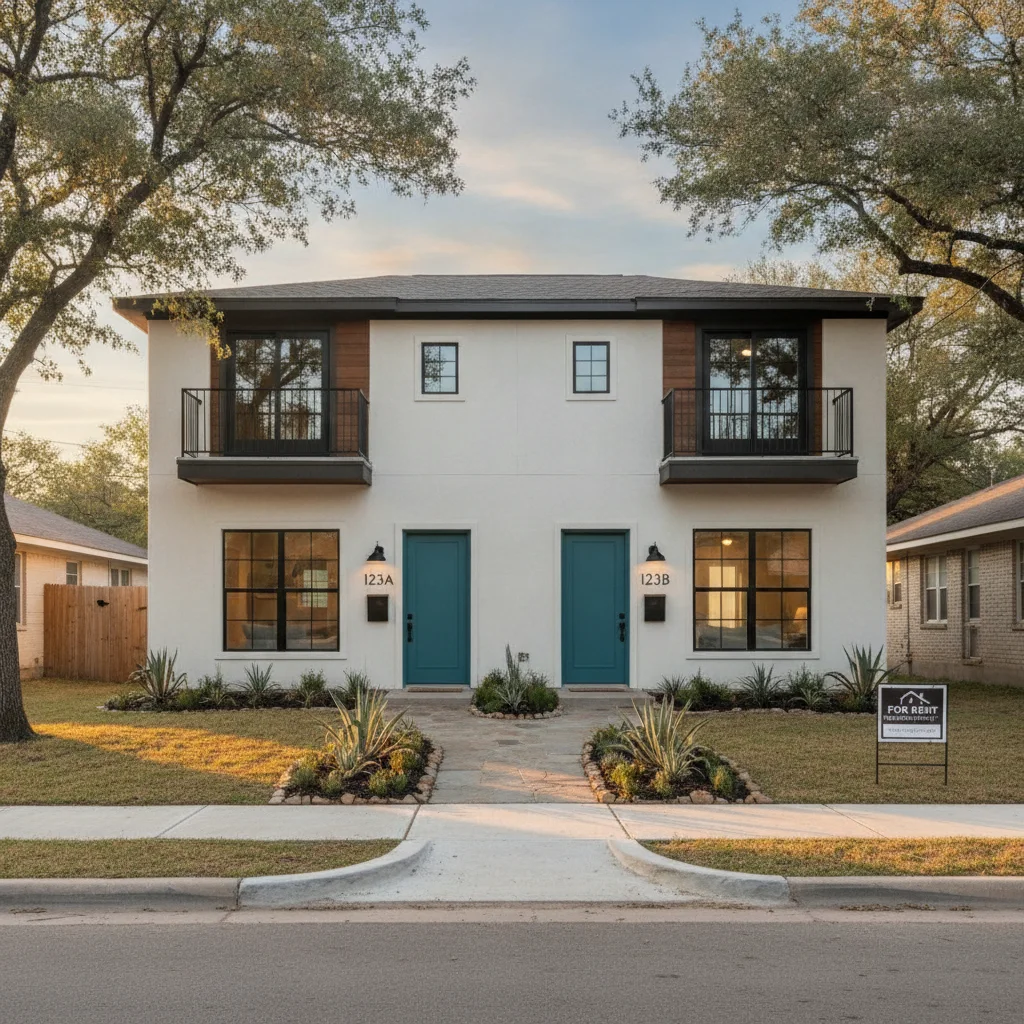
- Explore Multi-Family Units: Duplexes, triplexes, or fourplexes often provide a better economy of scale. The combined income from multiple units can absorb high fixed costs like taxes and insurance more effectively than a single-family residence.
- Work with an Investment-Focused Team: Partner with a real estate agent and a mortgage advisor who specialize in investment properties. They understand the nuances of DSCR lending and can help you identify viable opportunities and avoid deals that are destined to fail underwriting.
Feeling confident about your next investment in Austin or Houston? Let's ensure your numbers align with lender expectations. Take the next step and Apply now to see how your deal holds up under underwriting scrutiny.
Author Bio
David Ghazaryan is the expert mortgage strategist and founder behind iQRATE Mortgages. With a mission to fund home loans that traditional banks won't touch, David specializes in helping clients with unique financial situations, including those recovering from foreclosure or bankruptcy. He expertly crafts smart, strategic, and stress-free mortgages by leveraging a vast network of over 100 lenders to secure competitive rates for investors and homebuyers alike. Praised for exceptional customer service, David has helped hundreds of families with a 97% satisfaction rate, guiding them to the mortgage they deserve.
References
CFPB - What are closing costs?









