


Why Sellers in Austin Hesitate with FHA Offers
In fast-paced real estate markets like Austin and Dallas, sellers often receive multiple offers. When comparing them, they look for the path of least resistance—the offer that seems most certain to close quickly and without complications. Historically, Federal Housing Administration (FHA) loans have developed a reputation, largely based on outdated information, for having more hurdles than conventional loans. This perception creates hesitation.
Here are the primary concerns a seller in Texas might have about your FHA-backed offer:
- Strict Appraisal Standards: The most common fear revolves around the FHA appraisal. Sellers worry that an FHA appraiser will be overly critical, 'nitpicking' the property for minor issues and requiring repairs before the loan can close. They envision delays and unexpected costs associated with meeting FHA's Minimum Property Standards (MPS).
- Perceived Longer Closing Times: Another myth is that FHA loans are bogged down in government red tape, leading to a slower closing process compared to a conventional loan. In a competitive situation, a seller wanting a quick transaction might shy away from what they believe will be a 45- to 60-day ordeal.
- Buyer Financial Strength: Some sellers and their agents mistakenly assume that a buyer using an FHA loan has weaker financial qualifications. Because the down payment requirement is as low as 3.5%, they might infer that the buyer has limited cash reserves, making them a higher risk if any unexpected costs arise.
These concerns, while understandable, can be effectively countered with a well-prepared and strategically presented offer.
Get a Fully Underwritten Pre-Approval: Your Secret Weapon
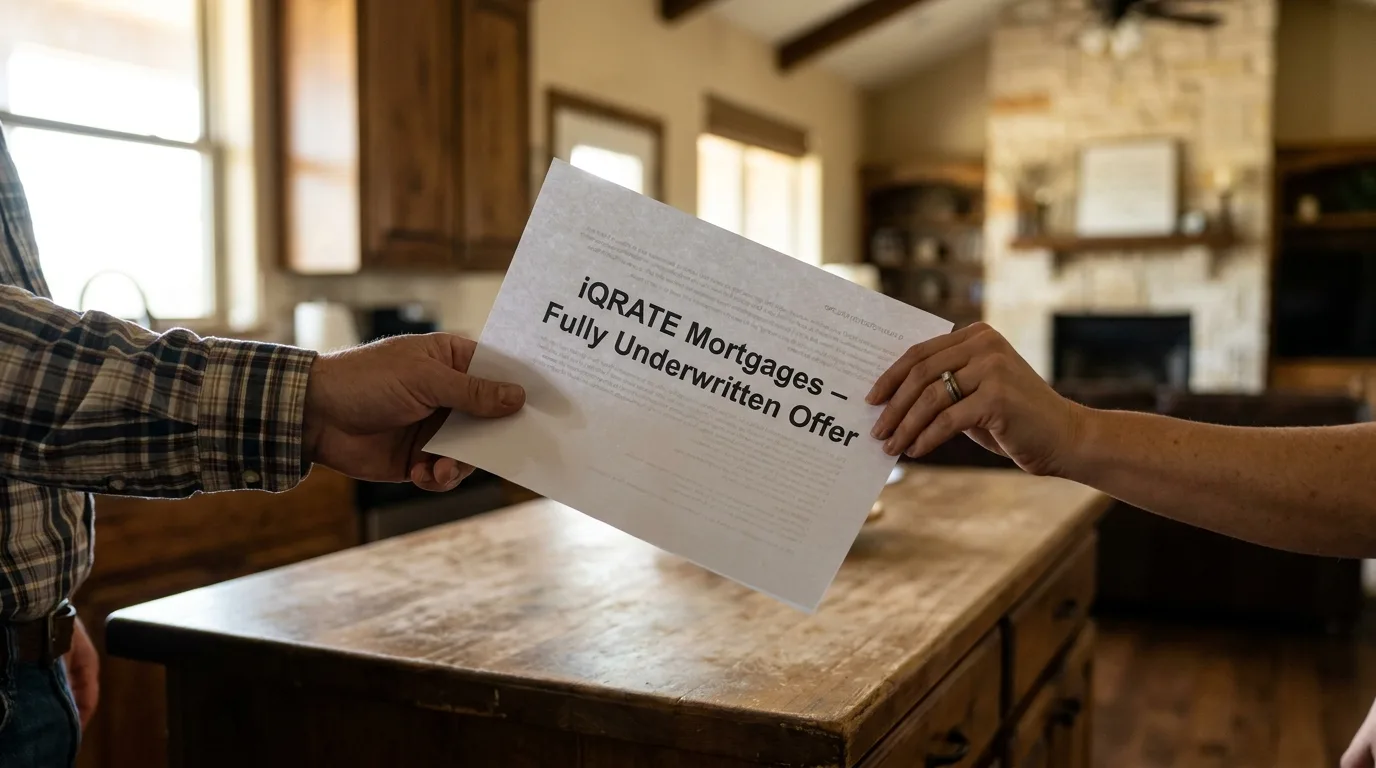
One of the most powerful tools in your arsenal is upgrading your standard pre-qualification or pre-approval to a fully underwritten pre-approval. This single step can immediately elevate your FHA offer to the same level as a strong conventional one, and in some cases, make it nearly as attractive as cash.
What is a Fully Underwritten Pre-Approval?
A standard pre-approval is often just a preliminary check. A lender reviews your stated income, pulls your credit score, and gives you a general estimate of what you can afford. It’s a good first step, but it leaves many questions unanswered.
In contrast, a fully underwritten pre-approval means a human underwriter has already reviewed and verified all your financial documentation, including:
- Pay stubs and W-2s
- Federal tax returns
- Bank statements
- Employment history
- Credit report details

Essentially, your loan is fully approved before you even find a property. The only remaining conditions are a satisfactory property appraisal and a clear title report. When you submit an offer with this type of approval, you are signaling to the seller that your financing is not a potential hurdle; it's a certainty. This removes the seller's fear of the deal falling apart due to your inability to secure a loan, which is a major risk with offers that have only a basic pre-qualification.
Addressing FHA Appraisal Concerns in Dallas and Houston
The FHA appraisal is a significant point of anxiety for sellers, but you can mitigate their fears through education and proactive communication.
Understanding FHA Minimum Property Standards
It's crucial to understand that FHA's Minimum Property Standards are not about cosmetic perfection. Their goal is to ensure the home is safe, secure, and structurally sound. The appraiser is not there to flag dated kitchen cabinets or worn carpeting. They are looking for specific issues that affect the home's livability.
Common FHA appraisal requirements include:
- Safety: No exposed wiring, missing handrails on stairs, or other clear safety hazards.
- Security: Windows and doors must be in working order and provide adequate security.
- Soundness: The foundation must be stable, and the roof must be in good condition with at least a few years of life remaining. There should be no signs of active water damage or structural decay.
- Peeling Paint: In homes built before 1978, peeling or chipping paint is a concern due to the potential for lead-based paint. This is often a simple fix.
Your agent can reassure the listing agent in Dallas or Houston that the property appears to be in great shape and is unlikely to have issues meeting these basic health and safety standards.
Proactive Communication is Key
Your real estate agent should call the listing agent when submitting the offer. Instead of just sending an email, a direct conversation allows them to 'sell' your offer. They can explain that you have a fully underwritten pre-approval, highlight your lender's expertise with FHA loans in the Houston area, and express your flexibility and commitment to a smooth closing.
Should You Offer to Cover a Small Appraisal Gap?
In highly competitive markets like Austin, it's common for homes to sell for more than their appraised value. This creates an 'appraisal gap'—the difference between your offer price and the home's official valuation. For any lender, the loan amount is based on the lesser of the sale price or the appraised value.
What is an Appraisal Gap?
Let's say you offer $450,000 for a home in Austin. The lender approves your loan based on this price. However, the FHA appraisal comes back at $440,000. This creates a $10,000 appraisal gap. The lender will only finance based on the $440,000 value, meaning you are responsible for covering that $10,000 difference in cash at closing, in addition to your down payment and closing costs. (The data, information, or policy mentioned here may vary over time.)
How an Appraisal Gap Clause Strengthens Your Offer
Sellers are terrified of low appraisals because it either forces them to lower the price or risk the deal collapsing. You can eliminate this fear by including an appraisal gap clause in your offer. This clause states that you are willing to pay the difference in cash, up to a certain amount, if the appraisal comes in low.
An example of strong wording would be: 'Buyer agrees to pay up to $7,500 over the appraised value, not to exceed the purchase price of $450,000'. This shows the seller you have the cash reserves and commitment to make the deal work, making your FHA offer significantly more secure than a conventional offer without such a clause.
Debunking the Myth: Do FHA Loans Take Longer to Close?
The notion that FHA loans are inherently slower is one of the most persistent myths in real estate. The reality is that the speed of a closing is determined more by the efficiency of the lender and the preparedness of the buyer than by the loan type itself. A well-organized FHA loan can close in 30 to 45 days, the same timeframe as most conventional loans. (The data, information, or policy mentioned here may vary over time.)
Delays are typically caused by:
- An unresponsive lender or processor.
- A buyer who is slow to provide necessary documentation.
- Complications with the property title.
- Scheduling conflicts with the appraiser.
None of these issues are exclusive to FHA loans. By working with a responsive, experienced lender, you can ensure your closing process is just as fast, if not faster, than a conventional loan.
Why an FHA-Savvy Lender is Your Greatest Asset
Not all lenders are created equal, especially when it comes to government-backed loans. Working with a mortgage broker or lender who specializes in FHA loans in Texas is a non-negotiable part of a winning strategy. An experienced FHA lender understands the specific documentation required, knows how to navigate the FHA underwriting system efficiently, and has a network of FHA-approved appraisers they can rely on.
They can anticipate potential hurdles and address them upfront. For a home purchase in a competitive market like Dallas, your lender's reputation can be a deciding factor. A listing agent who recognizes your lender as a reliable and efficient FHA expert will view your offer more favorably.
Strategic Clauses to Reassure the Seller
Beyond the appraisal gap clause, other elements of your offer can be structured to increase a seller's confidence.
- Offer a Higher Earnest Money Deposit (EMD): Earnest money is a 'good faith' deposit that shows you're serious. While a typical EMD is 1% of the purchase price, offering 2% or 3% demonstrates financial strength and a higher level of commitment. (The data, information, or policy mentioned here may vary over time.)
- Be Flexible on the Closing Date: Ask the listing agent about the seller's preferred closing timeline. If they need to close quickly, show you can accommodate that. If they need extra time to find their next home, offering a 60-day closing or a short leaseback can be an incredibly attractive, non-monetary incentive.
- Keep Contingencies Clean: While you should never waive your right to an inspection, you can shorten the contingency period (e.g., to 7 days instead of 10-14). (The data, information, or policy mentioned here may vary over time.) This tightens the timeline and shows the seller you intend to move forward decisively.
How to Frame Your FHA Financing to the Listing Agent
Your real estate agent is your advocate. They must be prepared to proactively communicate the strength of your offer to the listing agent. Here’s what that conversation should cover:
- 'My client has a fully underwritten pre-approval from a reputable local lender specializing in FHA loans. Their financing is secure.'
- 'They have strong credit and ample cash reserves, which is why they've included an appraisal gap clause to cover a potential shortfall of up to $X,XXX.'
- 'We've reviewed the FHA Minimum Property Standards, and we are confident the home will pass the appraisal without any required repairs.'
- 'My client is flexible on the closing date and is prepared to move quickly through the inspection period to give the seller peace of mind.'
By framing the offer this way, your agent shifts the narrative. You are no longer 'just an FHA buyer'. You are a well-prepared, financially solid buyer with a dedicated team working to ensure a seamless and certain closing.
Ready to build a winning FHA offer in the competitive Texas market? The right strategy starts with the right lending partner. Apply now to see how our expertise can make all the difference.
Author Bio
David Ghazaryan is the expert mortgage strategist and founder behind iQRATE Mortgages. With a mission to fund home loans that traditional banks won't touch, David specializes in helping clients with unique financial situations, including those recovering from foreclosure or bankruptcy. He expertly crafts smart, strategic, and stress-free mortgages by leveraging a vast network of over 100 lenders to secure competitive rates for investors and homebuyers alike. Praised for exceptional customer service, David has helped hundreds of families with a 97% satisfaction rate, guiding them to the mortgage they deserve.
References
HUD: Minimum Property Standards









