


What Is a Debt Service Coverage Ratio Loan for a Non-US Buyer in Houston?
A Debt Service Coverage Ratio (DSCR) loan is a type of non-qualified mortgage designed specifically for real estate investors. Its primary advantage, especially for non-US citizens, is that it bypasses traditional income verification and United States credit history. Instead, the lender’s decision is based almost entirely on the investment property's ability to generate enough income to cover its own mortgage payments.
The 'ratio' is calculated with a simple formula: Gross Rental Income / Total Mortgage Payment (Principal, Interest, Taxes, Insurance, and any HOA fees).
- A DSCR of 1.0 means the property’s rent exactly covers the mortgage payment.
- A DSCR above 1.0 indicates a positive cash flow, which is what lenders want to see.
- A DSCR below 1.0 suggests a negative cash flow, making loan approval unlikely.
Most lenders look for a DSCR of 1.25 or higher.(The data, information, or policy mentioned here may vary over time.) For example, if you're buying a rental property in a Houston suburb and its total monthly mortgage payment (PITI) is projected to be $2,200, the lender will want to see that the property can command a market rent of at least $2,750 per month ($2,200 x 1.25).
This loan product is a game-changer for foreign investors because it shifts the focus from your personal financial history in another country to the viability of the Houston real estate asset itself.
Can I Get a Mortgage with No United States Credit History in Dallas?
Yes, absolutely. This is one of the core benefits of a DSCR loan. Traditional mortgages, like conventional or FHA loans, are heavily dependent on a borrower's FICO score, which is a measure of their United States credit history. Without a Social Security Number (SSN) or Individual Taxpayer Identification Number (ITIN) and years of credit activity in the U.S., building a qualifying score is impossible.
A DSCR loan sidesteps this requirement. Lenders specializing in foreign national financing understand that you have a financial life outside the U.S. They qualify you based on the investment, not your personal credit profile. This means you do not need:
- A U.S. credit score
- U.S. tax returns
- Pay stubs from a U.S. employer
By focusing on the cash flow of a rental property in a high-demand market like Dallas, lenders can confidently issue a mortgage knowing the asset itself secures the loan. The property's performance is the primary factor for approval, opening the door for global investors to enter the robust Texas real estate market.
Why Is Purchasing in an LLC a Good Strategy for Foreign Investors?
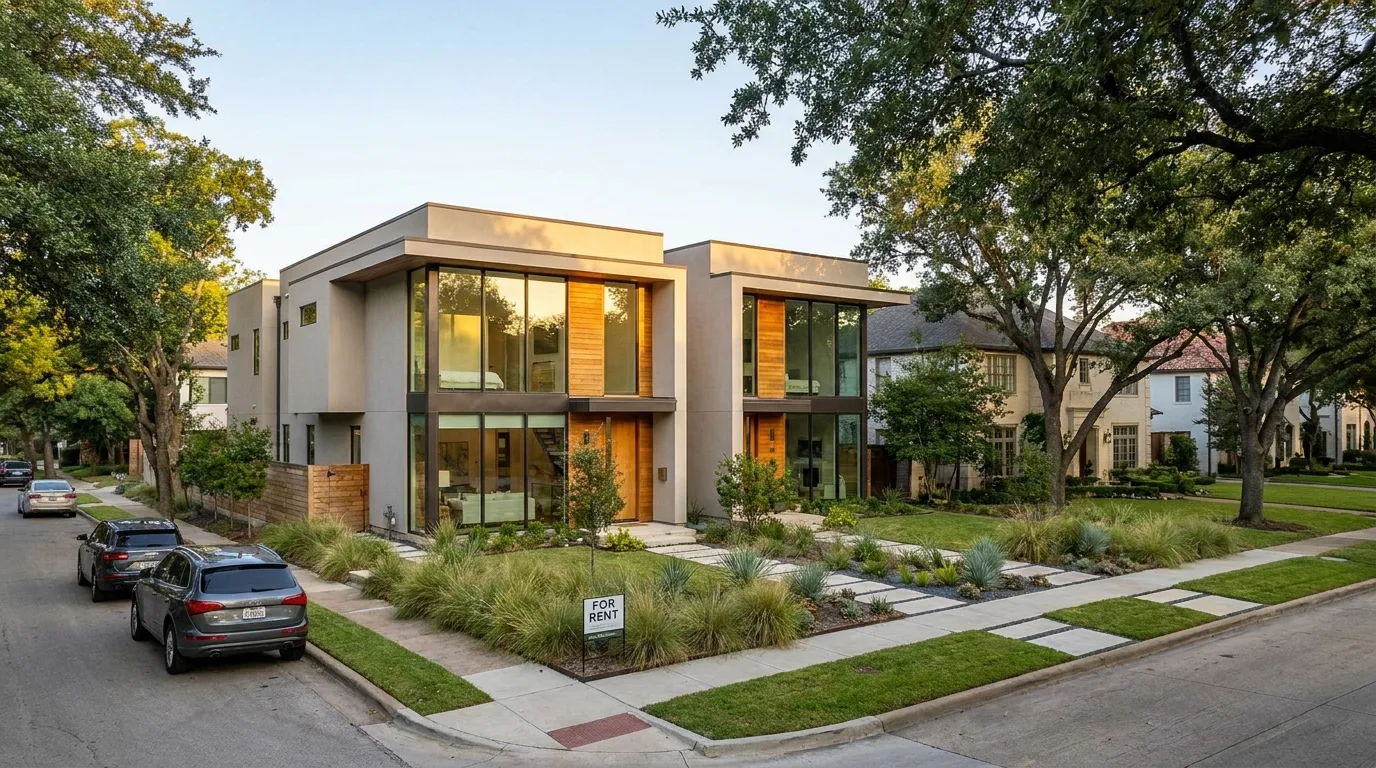
Purchasing U.S. real estate, especially as a non-resident, is best done through a legal entity. A Limited Liability Company (LLC) is the most common and effective structure for this purpose. Many DSCR lenders not only allow but prefer lending to an LLC for investment properties. Holding your Dallas or Houston property in an LLC offers three critical advantages.
Liability Protection
This is the most significant benefit. Owning a rental property comes with inherent risks, such as tenant injuries or other property-related lawsuits. When the property is owned by your LLC, your personal assets (your home, bank accounts, and other investments in your home country) are legally shielded from any claims or debts related to the property. The liability is contained within the LLC.
Asset Anonymity
Owning property through an LLC can provide a layer of privacy. Property ownership records are public, but if the owner is an LLC, your personal name may not be directly linked to the address in public databases. For many international investors, this discretion is a valuable component of their investment strategy.
Streamlined Financing and Management
An LLC creates a formal business structure that simplifies management, especially if you partner with others. It allows for a dedicated U.S. business bank account, making it easier to track income and expenses for the property. From a lender’s perspective, an LLC signals that you are a serious investor treating the purchase as a business operation, which can streamline the loan approval process.
What Documents Are Needed to Prove My Foreign Identity and Funds?
While a DSCR loan eliminates the need for U.S. income and credit documentation, you still must provide clear and verifiable proof of your identity and the source of your funds. Lenders must comply with anti-money laundering regulations and ensure you are who you say you are.
Expect to provide the following:
- Valid Passport: A clear, unexpired copy of your passport from your country of citizenship.
- Secondary Identification: Another form of government-issued ID from your home country.
- Proof of Funds: Verifiable statements from your financial institution (foreign or domestic) showing you have sufficient funds for the down payment, closing costs, and required cash reserves. These statements typically need to cover the last 2-3 months.
- Visa: If you have one, a copy of your U.S. visa (B-1/B-2 tourist visas are often acceptable). A visa is not always a strict requirement for all foreign national loan programs, but it helps.
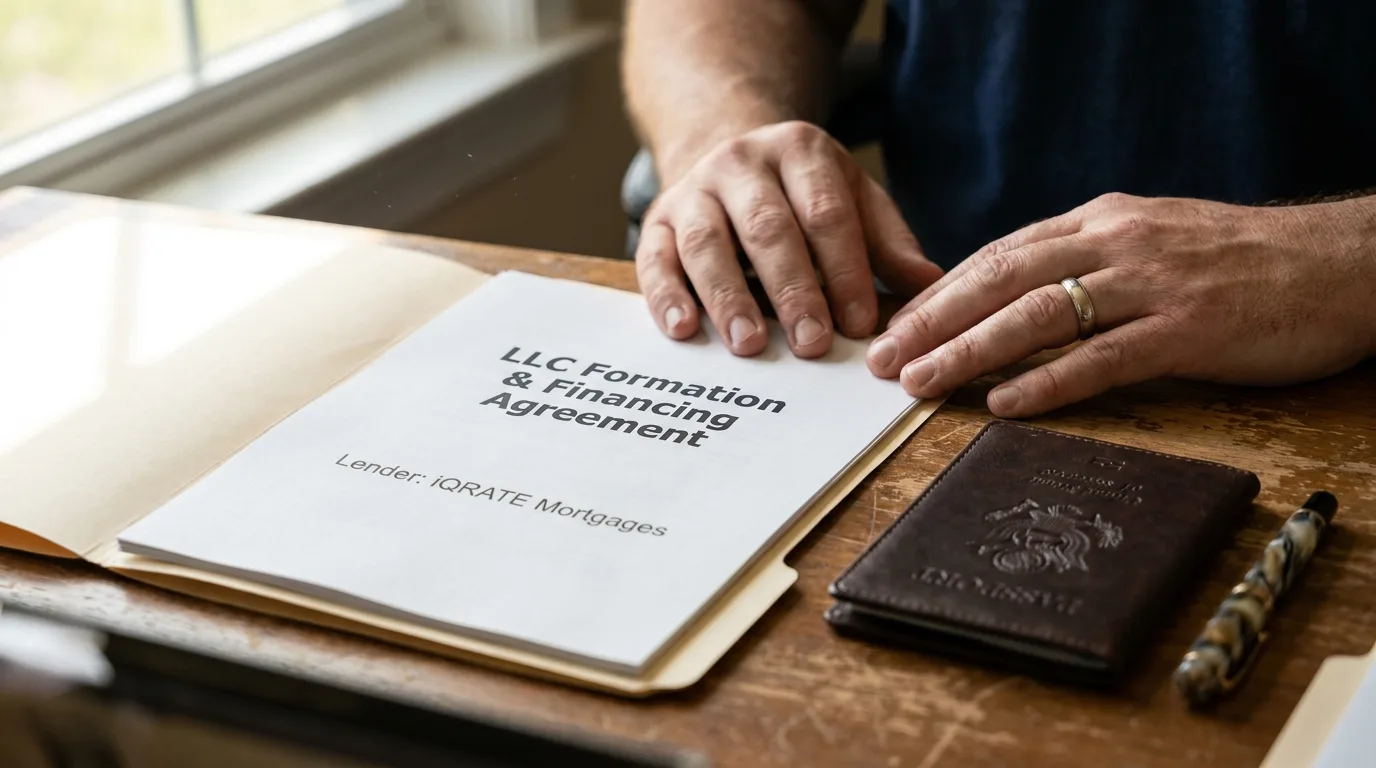
- LLC Formation Documents: Articles of Organization and the Operating Agreement for your U.S.-based LLC.
- Translated Documents: If any of your financial statements or official documents are not in English, you will need to provide certified translations.
How Is the Property's Cash Flow Verified for Loan Approval?
The lender cannot simply take your word for the property's potential rental income. They verify it through an independent, third-party appraisal process. As part of the full property appraisal, the appraiser will complete a Comparable Rent Schedule (Form 1007).
This report analyzes recent rental listings and contracts for similar properties in the immediate vicinity of your target property in Houston or Dallas. The appraiser considers factors like:
- Property size (square footage)
- Number of bedrooms and bathrooms
- Property condition and amenities
- Location and neighborhood desirability
The final estimated market rent from this report is the figure the lender uses in the DSCR calculation. This ensures the income projection is realistic and based on current market data, not on overly optimistic seller claims.
What Is the Typical Down Payment for a Foreign National Investor Loan?
Down payments for foreign national DSCR loans are higher than for domestic borrowers. This is because lenders view cross-border lending as having a slightly higher risk profile. Be prepared for a down payment in the range of 25% to 35% of the purchase price.(The data, information, or policy mentioned here may vary over time.)
For example, on a $400,000 investment property in Dallas, a 30% down payment would be $120,000. In addition to the down payment, you will also need cash reserves. Lenders typically require you to have an additional 6 to 12 months' worth of the total mortgage payment (PITI) set aside in a verifiable account.(The data, information, or policy mentioned here may vary over time.)
This substantial equity investment demonstrates your commitment to the property and provides the lender with a significant security cushion, making them more comfortable extending credit without a U.S. credit history.
Do I Need a United States Bank Account to Get the Loan?
Yes, establishing a U.S. bank account is a non-negotiable requirement. While you can hold the majority of your funds in your home country during the initial stages, a U.S. bank account is essential for several reasons:
- Closing the Transaction: You will need to wire your down payment and closing cost funds into the U.S. account, from which they will be transferred to the title company at closing.
- Making Mortgage Payments: Lenders require mortgage payments to be made automatically from a U.S. bank account.
- Managing the Property: A U.S. account is necessary for receiving rental income and paying for property expenses like taxes, insurance, and maintenance.
Setting up an account is a straightforward process, but it's a critical step that should be taken early in your property search.
Are Interest Rates Different for Non-US Citizen Borrowers?
Interest rates for foreign national loans are typically slightly higher than those for U.S. citizens with excellent credit purchasing a primary residence. This rate difference, often between 0.5% and 1.5%, reflects the lender's increased risk.(The data, information, or policy mentioned here may vary over time.) Factors contributing to this include the complexities of international legal jurisdiction and the absence of a traditional U.S. credit file to assess risk.
However, it is important to view these rates in the correct context. They are highly competitive for what they are: business-purpose investment loans. When you factor in the benefits of U.S. real estate appreciation and the positive cash flow from a well-chosen property in Houston, the slightly higher interest rate is often a small price for gaining access to this lucrative market. Entering the U.S. real estate market as a foreign investor is more accessible than ever with a DSCR loan. To navigate the specific requirements and secure the best terms for your investment in Texas, it’s crucial to work with a mortgage strategist who specializes in foreign national financing. A specialist can connect you with the right lenders and guide you through forming an LLC and setting up your U.S. accounts.
Ready to explore your investment opportunities in the Texas real estate market? Understand your DSCR loan options and apply now to take the next step.
Author Bio
David Ghazaryan is the expert mortgage strategist and founder behind iQRATE Mortgages. With a mission to fund home loans that traditional banks won't touch, David specializes in helping clients with unique financial situations, including those recovering from foreclosure or bankruptcy. He expertly crafts smart, strategic, and stress-free mortgages by leveraging a vast network of over 100 lenders to secure competitive rates for investors and homebuyers alike. Praised for exceptional customer service, David has helped hundreds of families with a 97% satisfaction rate, guiding them to the mortgage they deserve.
References
Consumer Financial Protection Bureau - Know your mortgage options
Fannie Mae - Investment Property Mortgage Financing
U.S. Department of Housing and Urban Development - Housing Discrimination Under the Fair Housing Act









