

Common Title Defects That Kill Texas Real Estate Deals
As a listing agent, you know the frustration of a deal collapsing just days before closing. The buyer is ready, the financing seemed secure, and then a title issue appears out of nowhere. These last-minute surprises not only cost you a commission but also damage your reputation and waste your marketing budget. In the competitive Dallas-Fort Worth market, avoiding these pitfalls is crucial.
Most fall-throughs stem from a handful of common title defects that could have been identified and resolved weeks or even months earlier. Understanding them is the first step to preventing them.
Key Title Issues in Texas
- Undisclosed Liens: A previous owner may have an outstanding debt attached to the property. This could be from a mechanic's lien for unpaid contracting work, a tax lien from the IRS or the state, or a judgment lien from a lawsuit. These must be paid before the title can be cleanly transferred.
- Heirship and Probate Problems: When a property owner dies without a clear will, determining the legal heirs can be complex. If an heir was missed during probate, they could emerge later with a claim to the property, clouding the title.
- Boundary Disputes and Encroachments: An old survey might be inaccurate, or a neighbor’s fence could be encroaching on the property line. These issues often surface when a new survey is ordered for the buyer’s loan, creating a sudden and difficult negotiation. (The data, information, or policy mentioned here may vary over time.)
- Errors in Public Records: Simple clerical mistakes, such as a misspelled name or an incorrect property description filed with the county, can create significant title clouds that require legal action to fix.
- Illegal Deeds or undiscovered wills: A previous deed might have been made by a minor, a person of unsound mind, or someone who was not the true owner. Similarly, a prior will could surface that changes the ownership rights of the seller.

How a Pre-Listing Mortgage Certification Works for Sellers
A pre-listing mortgage certification is a proactive strategy to de-risk the selling process. Instead of waiting for the buyer’s lender to conduct due diligence, you and your seller complete it upfront. This front-loads the work but provides tremendous peace of mind and a significant competitive advantage.
The process is straightforward and designed for efficiency:
- Initial Consultation: Before listing the property, the seller engages with a mortgage strategist. They discuss the property's history and any known potential issues.
- Document Collection: The seller provides key property documents. A specialized underwriting team then begins a comprehensive audit of the property's financial and legal standing.
- Title and Property Audit: The team orders a preliminary title report, reviews property tax records, checks for liens, and analyzes the property survey. This is the core of the certification, where potential deal-killers are identified.
- Issue Resolution: If any issues are found, the mortgage team works with the seller and you to resolve them before the property goes on the market. This might involve paying off an old lien, correcting a deed error, or starting the process to resolve an encroachment.
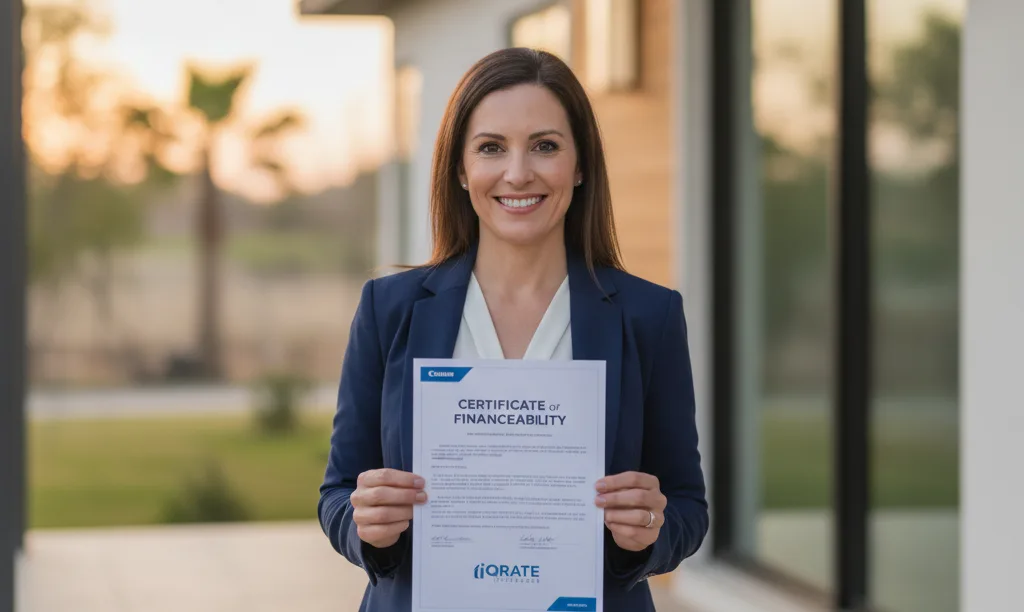
- Issuance of Financeability Certificate: Once the property is verified to be clear of common financing hurdles, a 'Financeability Certificate' is issued. This document serves as proof to potential buyers and their agents that the property’s title and legal standing are sound.

Documents Audited in a Property Pre-Certification
The audit is thorough, aiming to replicate and exceed the due diligence a buyer’s lender would perform. This ensures there are no surprises left to uncover. The core documents reviewed include:
- Preliminary Title Report: This is the most critical document. It shows the current legal owner, existing mortgages, liens, easements, and any other encumbrances recorded against the property.
- Property Survey: The survey is reviewed to confirm property lines, identify any encroachments from neighboring properties, and ensure setbacks comply with local Dallas or Fort Worth zoning regulations. (The data, information, or policy mentioned here may vary over time.)
- Tax Records: The team verifies that property taxes are current and checks for any pending tax liens.
- Deed and Chain of Title: The current deed is examined for accuracy, and the chain of title is reviewed to ensure there are no gaps or questionable transfers in the property's history.
- Permit History: Where available, public records are checked for building permits. This can help identify potential unpermitted work that might cause issues with an appraiser or a city inspector later on.
- HOA Documents (if applicable): For properties in a Homeowners Association, the team verifies that the seller is in good standing and reviews the HOA resale certificate for any potential issues.
Winning More Listings in Dallas with a Financeability Certificate
In a market as dynamic as Dallas, differentiation is key to winning listings. When you compete against other agents, sellers want to know what you will do differently to get their home sold quickly and for the best price. A pre-listing certification is a powerful and unique value proposition.
Here’s how you can pitch it:
- 'I Protect Your Timeline and Bottom Line': Explain to potential sellers that the biggest risk in any transaction is a last-minute collapse. Frame the pre-certification as an insurance policy against wasted time, lost buyers, and the stress of a deal falling apart. You are proactively managing the single greatest threat to a successful closing.
- 'We Attract Higher-Quality Buyers': A certified listing signals transparency and confidence. It tells buyer's agents that your listing is a 'sure thing'. This attracts serious, committed buyers and can often lead to cleaner offers with fewer contingencies.
- 'My Listings Stand Out': In your listing presentation, showcase the 'Financeability Certificate' as a key marketing asset. You can market the home as 'Pre-Certified for a Smooth Closing'. This makes your marketing materials and your MLS description far more compelling than the competition's.
Pre-Certified vs. Pre-Approved: Key Legal Distinctions
It is essential to understand and clearly communicate the difference between a 'pre-certified property' and a 'pre-approved buyer'. Confusing the two can lead to misunderstandings.
- Pre-Certified Property: This certification applies exclusively to the property. It is a statement that the real estate itself—its title, survey, and lien status—has been vetted and found to be free of issues that would prevent a lender from financing it. It has nothing to do with any buyer.
- Pre-Approved Buyer: This approval applies exclusively to the buyer. It is a lender's conditional commitment to loan a certain amount of money to a specific individual based on their credit, income, and assets. A pre-approved buyer can still be denied a loan if the property they choose has title or condition issues.
A pre-certified listing combined with a pre-approved buyer creates the strongest possible transaction, with both sides of the equation—property and purchaser—fully vetted.
Protecting Your Fort Worth Seller from Last-Minute Surprises
The emotional toll of a failed real estate transaction on a seller is immense. They may have already made plans to move, put a deposit on a new home, or made other significant life decisions based on the assumption that the sale would close. For sellers in Fort Worth, a pre-listing certification provides invaluable protection and peace of mind.
By identifying a title cloud or an old lien upfront, you give the seller time to resolve it without the pressure of a ticking closing clock. This puts them in a much stronger negotiating position. Instead of having to offer a huge credit to a buyer to salvage a deal, they can handle the issue on their own terms and timeline. It transforms a potential crisis into a manageable administrative task.
Can Pre-Certification Identify Unpermitted Work Before an Appraisal?
Yes, the pre-certification process can often flag potential issues with unpermitted work. While it's not a formal home inspection, the audit of public records can reveal discrepancies. For example, if the county tax records show a 3-bedroom, 2-bath home but the property is clearly being marketed as a 4-bedroom, 3-bath, that’s a red flag. The team would then investigate the city's permit history to see if an addition was ever officially approved.
Discovering this before an appraisal is critical. An appraiser is required to note any unpermitted additions or major changes. This can lead the buyer's lender to refuse financing or require the work to be permitted retroactively—a costly and time-consuming process that can easily kill the deal. (The data, information, or policy mentioned here may vary over time.)
The Impact on Days on Market for Certified Listings
While every property is unique, pre-certified listings generally see a favorable impact on their Days on Market (DOM). By eliminating the most common sources of closing delays, you create a more attractive and trustworthy product for buyers.
Buyer's agents in competitive markets like Dallas and Fort Worth are often juggling multiple offers and tight timelines. When presented with two similar homes, they are more likely to advise their clients to pursue the one that is 'Pre-Certified for a Smooth Closing'. They know the risk of a title-related delay is virtually zero, which makes for a more predictable and less stressful transaction for their client. This confidence often translates into faster, stronger offers and, ultimately, fewer days on the market for your listing.
Protect your commissions and build a reputation for smooth, predictable closings. A Pre-Listing Certification gives your sellers a powerful advantage and peace of mind. Once their current home is certified for a quick sale, help them get a head start on their next purchase. Encourage them to Apply for a Mortgage so they can move forward with confidence.
Author Bio
David Ghazaryan is the expert mortgage strategist and founder behind iQRATE Mortgages. With a mission to fund home loans that traditional banks won't touch, David specializes in helping clients with unique financial situations, including those recovering from foreclosure or bankruptcy. He expertly crafts smart, strategic, and stress-free mortgages by leveraging a vast network of over 100 lenders to secure competitive rates for investors and homebuyers alike. Praised for exceptional customer service, David has helped hundreds of families with a 97% satisfaction rate, guiding them to the mortgage they deserve.
References
Consumer Financial Protection Bureau (CFPB) - Title Insurance









