

Common Reasons for Builder Delays in Texas
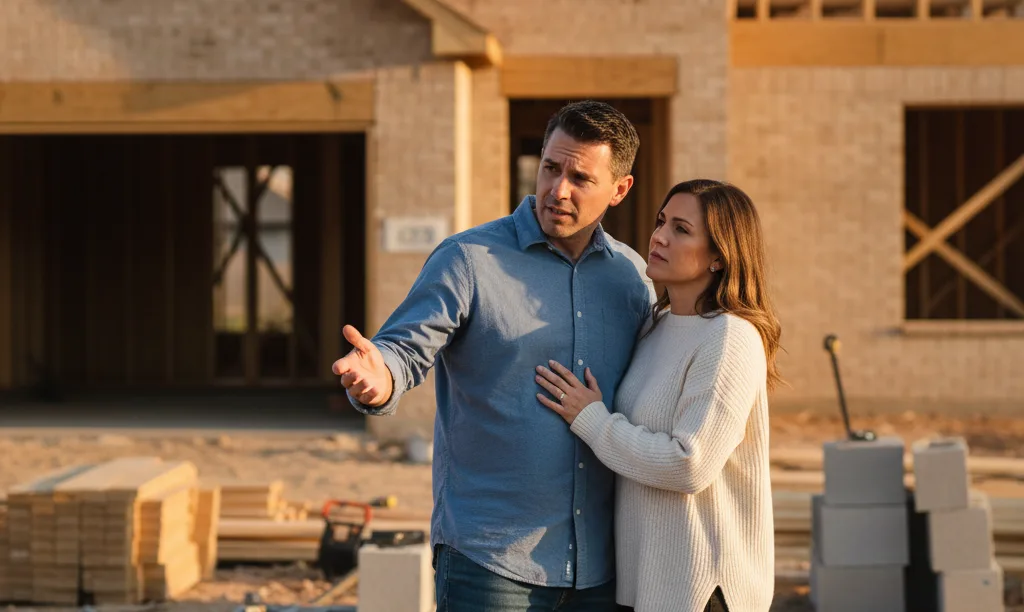
Buying a new construction home in a booming Texas market like Dallas or Austin is exciting, but delays are an industry norm, not an exception. Understanding why they happen is the first step in managing the process. Several factors, often outside the builder's direct control, can push back your closing date.
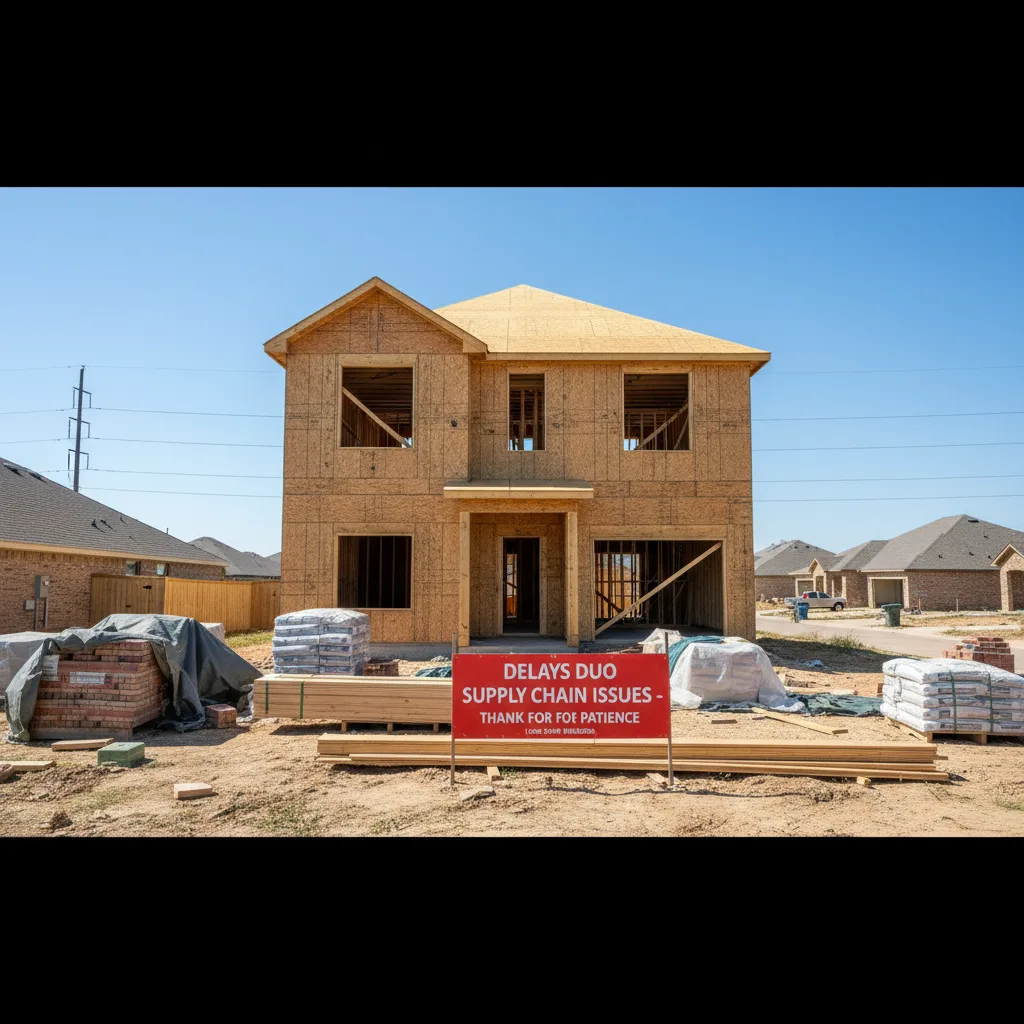
- Supply Chain Disruptions: The most common culprit. A shortage of essential materials like lumber, windows, appliances, or even specific types of wiring can bring construction to a halt. A single delayed component can have a ripple effect on the entire project timeline.
- Labor Shortages: Skilled labor, including electricians, plumbers, and framers, is in high demand across Texas. If a builder's trusted subcontractor is overbooked, your home might have to wait its turn, leading to significant delays.
- Permitting and Inspections: Local municipalities in cities like Houston have their own timelines for issuing permits and conducting inspections. A backlog at the city office or a failed inspection that requires rework can easily add weeks to the schedule. (The data, information, or policy mentioned here may vary over time.)
- Weather: Texas weather is unpredictable. Extended periods of heavy rain can prevent foundation work, while extreme heat can impact workers' schedules and the curing of materials like concrete.
What Happens When Your Mortgage Rate Lock Expires?
A mortgage rate lock is a lender's promise to give you a specific interest rate for a set period, typically 30 to 90 days. During this window, you are protected if market rates go up. However, if your builder delays the closing past your lock's expiration date, you lose that protection.
When your lock expires, you face two primary risks:
- Higher Interest Rate: You will be subject to the current market rates, which may be higher than the rate you locked. A seemingly small increase can have a large impact. For example, on a $450,000 loan, an interest rate jump from 6.5% to 7.0% increases your monthly principal and interest payment by approximately $150, adding over $54,000 in interest over the life of a 30-year loan.
- Extension Fees: Your lender may offer to extend your current rate lock, but it comes at a cost. These fees are often calculated as a percentage of the loan amount and can range from 0.25% to 0.50% for a 30-day extension. On that same $450,000 loan, a 0.25% extension fee would cost you $1,125 out of pocket. (The data, information, or policy mentioned here may vary over time.)

Who Pays for the Rate Lock Extension?
This is a critical point of negotiation. There is no universal rule, and responsibility often falls into a gray area. The outcome depends on your contract, your relationship with the builder, and your negotiation skills.
- The Builder: In a buyer-friendly market or if the delay is clearly the builder's fault (e.g., poor scheduling, not weather-related), you may be able to negotiate for them to cover the extension fee. Many reputable builders in competitive areas like the Dallas suburbs will cover the cost to maintain goodwill.
- The Buyer: If the delays are due to 'acts of God' like weather or widespread supply chain issues mentioned in your contract, the builder may argue it's not their responsibility. In this case, the cost often falls to you.
- A Split Cost: A common compromise is to split the fee. For instance, you might agree to pay for the first 15 days of an extension, and the builder covers the next 15. Always get any such agreement in writing.
Using a 'Float Down' Option to Your Advantage
A float down is a special feature some lenders offer, usually for an upfront fee when you initially lock your rate. It allows you to take advantage of lower interest rates if they become available before you close. If your closing is delayed and market rates happen to drop, a float down provision lets you secure that new, lower rate. (The data, information, or policy mentioned here may vary over time.)
However, it's not a magic bullet. It only helps if rates fall, not if they rise. If you didn't purchase this option at the start, you cannot add it later. When shopping for a new construction loan, ask your lender if they offer a float down option and what the associated cost is. It can be a valuable insurance policy against market volatility during a long build process.
Should You Switch Lenders Mid-Process?
If your original lender is inflexible on an extension and your lock is expiring, you might be tempted to switch. While possible, this move is risky and should be a last resort.
Pros:
- You may find a new lender offering a better rate or more favorable extension policies.
Cons:
- Resetting the Clock: The entire mortgage underwriting process starts over, which takes 30-45 days on average. This could cause even more delays. (The data, information, or policy mentioned here may vary over time.)
- Losing Money: You will likely forfeit the money you paid for the appraisal with your original lender, typically $500-$800. (The data, information, or policy mentioned here may vary over time.)
- Contractual Issues: Your purchase agreement with the builder is tied to your ability to secure financing. A last-minute lender switch could put you in breach of contract.
Before switching, have a frank conversation with your current loan officer. Explain the situation and ask for all available options. They want your business and may find a creative solution to keep it.
What Your New Construction Contract Should Cover
Your purchase agreement is your most powerful tool. Before you sign, review it carefully with a real estate attorney. Look for clauses that address delays.
- 'Outside Closing Date' or 'Delivery Date': A well-written contract should include a final date by which the builder must deliver the completed home. If they fail to meet this deadline, the contract should specify remedies, such as the builder being responsible for paying your rate lock extension fees or even allowing you to walk away with your deposit.
- Delay Clause ('Force Majeure'): Builders will include language that protects them from delays caused by events beyond their control. Understand what this clause covers. It's one thing if a hurricane in Houston delays material delivery; it's another if the delay is due to poor project management.
Effective Communication with Your Builder and Lender
Clear, consistent, and documented communication is essential. Don't wait for problems to arise.
- Establish a Single Point of Contact: Have one designated person at the builder's office and one at the lender's office for all your updates.
- Schedule Regular Check-ins: Ask for weekly or bi-weekly progress updates from the builder. Forward these updates to your loan officer so they remain aware of the timeline.
- Document Everything: After a phone call, send a follow-up email summarizing what was discussed. For example: 'Hi Tom, just confirming our conversation that the new estimated completion date is October 15th. Please let me know if that's incorrect.' This creates a paper trail.
Proactive Steps to Prepare for Potential Delays
Hope for the best but prepare for the worst. Taking a few steps upfront can save you significant stress and money.
- Get a Longer Rate Lock: For new construction, a standard 30 or 60-day lock is rarely sufficient. Opt for a 90, 120, or even 180-day lock from the start. While it may cost slightly more upfront, it's often cheaper than paying for multiple extensions. (The data, information, or policy mentioned here may vary over time.)
- Budget for an Extension: Assume you will need at least one 30-day extension. Set aside 0.25% to 0.50% of your loan amount in savings specifically for this possibility. If you don't need it, you'll have extra cash for new furniture. (The data, information, or policy mentioned here may vary over time.)
- Maintain Your Financial Health: Don't make any large purchases, open new credit cards, or change jobs while your home is being built. The lender will re-verify your credit and employment just before closing, and any negative changes could jeopardize your loan approval. Navigating new construction delays requires expert guidance. If you're facing an expiring rate lock or an uncooperative builder, a mortgage strategist can explore alternative financing solutions and negotiate on your behalf to protect your financial interests.
Building a new home comes with unique financial challenges. A proactive mortgage strategy can protect you from costly delays and rising rates. If you're ready to secure financing that's as solid as your new foundation, Apply now to explore your options.
Author Bio
David Ghazaryan is the expert mortgage strategist and founder behind iQRATE Mortgages. With a mission to fund home loans that traditional banks won't touch, David specializes in helping clients with unique financial situations, including those recovering from foreclosure or bankruptcy. He expertly crafts smart, strategic, and stress-free mortgages by leveraging a vast network of over 100 lenders to secure competitive rates for investors and homebuyers alike. Praised for exceptional customer service, David has helped hundreds of families with a 97% satisfaction rate, guiding them to the mortgage they deserve.
References









