
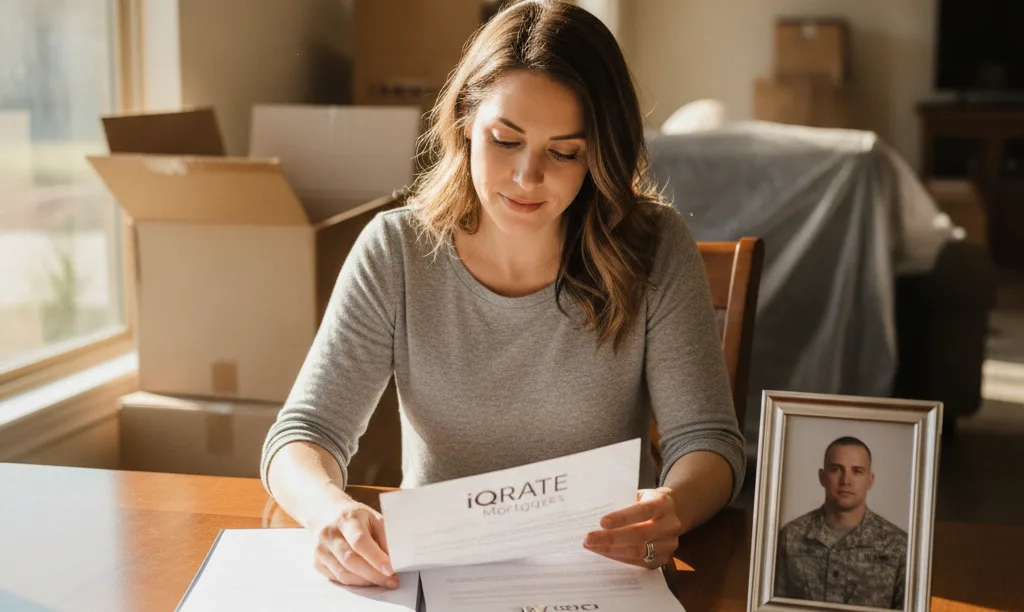

What is a Power of Attorney and Why is it Needed for a VA Loan?
A Power of Attorney (POA) is a legal document that gives a person you trust—known as your attorney-in-fact (AIF) or agent—the authority to act on your behalf in specific legal or financial matters. For active-duty military personnel, a POA is an indispensable tool, especially when facing a Permanent Change of Station (PCS) to a new duty station like Joint Base San Antonio or Fort Cavazos in Killeen.
Buying a home requires signing numerous time-sensitive documents at closing. If you are deployed, in training, or otherwise unable to be physically present, you cannot sign them. A POA bridges this gap, empowering your designated AIF to legally sign the mortgage note, deed of trust, and other closing paperwork for you. Without it, the transaction would come to a halt.
It's crucial to understand the two main types of POAs, as lenders and the Department of Veterans Affairs have a strong preference for one over the other:
- Specific Power of Attorney: This is the industry standard for real estate transactions. It grants your AIF authority for a single, defined purpose, such as 'to purchase the property at 123 Lonestar Drive, San Antonio, Texas, 78201, for a loan amount not to exceed $350,000'. This precise language protects you and satisfies the lender’s legal requirements. It clearly outlines the powers granted and their limitations. (The data, information, or policy mentioned here may vary over time.)
- General Power of Attorney: This type is much broader, granting your AIF sweeping powers to manage all your financial affairs. While useful in some situations, lenders and title companies almost always reject General POAs for a mortgage closing. They are considered too broad and present a higher risk of misuse, creating potential legal and title insurance complications.

Who Can Be Your Designated Attorney-in-Fact in San Antonio?
Choosing your attorney-in-fact is a decision built on trust. This individual will be signing legally binding documents that commit you to a mortgage worth hundreds of thousands of dollars. While the choice is personal, there are several legal and practical rules they must meet.
Your AIF must be:
- A legally competent adult (18 years or older and of sound mind).
- A disinterested third party. This is a critical rule. The AIF cannot have any financial stake or role in the transaction, other than acting on your behalf. This means your real estate agent, loan officer, the seller, or anyone from the title company is automatically disqualified.
For most military homebuyers, the most common and logical choice for an AIF is their spouse. Spouses already have a vested interest in the home purchase and are typically involved in the entire process. Other trusted options include a parent, an adult child, a sibling, or a close family friend. The key is choosing someone reliable, organized, and capable of following precise instructions from you, your lender, and the title company in San Antonio.
Does the Power of Attorney Need to Be Specific to the Mortgage?
Yes, absolutely. As mentioned, a Specific Power of Attorney is non-negotiable for a VA loan closing. A lender in Killeen or San Antonio, along with the title company insuring the property, needs undeniable proof that you explicitly authorized your AIF to execute the documents for that specific property and loan. A General POA creates ambiguity that is unacceptable in a real estate transaction.
To be accepted, the Specific POA must contain precise details, including:
- Your full legal name (the Veteran/borrower).
- The full legal name of your designated attorney-in-fact.
- The full legal property address and/or the legal description of the property.
- The loan amount or a 'not to exceed' loan amount.
- A clear statement authorizing the AIF to sign the promissory note, deed of trust, and any other documents required to close the loan.
- The document must be properly signed, witnessed, and notarized according to Texas state law. (The data, information, or policy mentioned here may vary over time.)
For example, if the POA only says 'to purchase real estate in Bexar County', it will be rejected. It needs to say 'to purchase the property located at 456 Alamo Heights Blvd, San Antonio, Texas, and to execute a mortgage with XYZ Lender for $415,000'.
How to Get a Military-Specific Power of Attorney in Killeen
One of the best resources available to active-duty service members is the base Legal Assistance Office, staffed by the Judge Advocate General's (JAG) Corps. If you are stationed at or moving to Fort Cavazos near Killeen, the legal office on post is the ideal place to have your POA drafted.
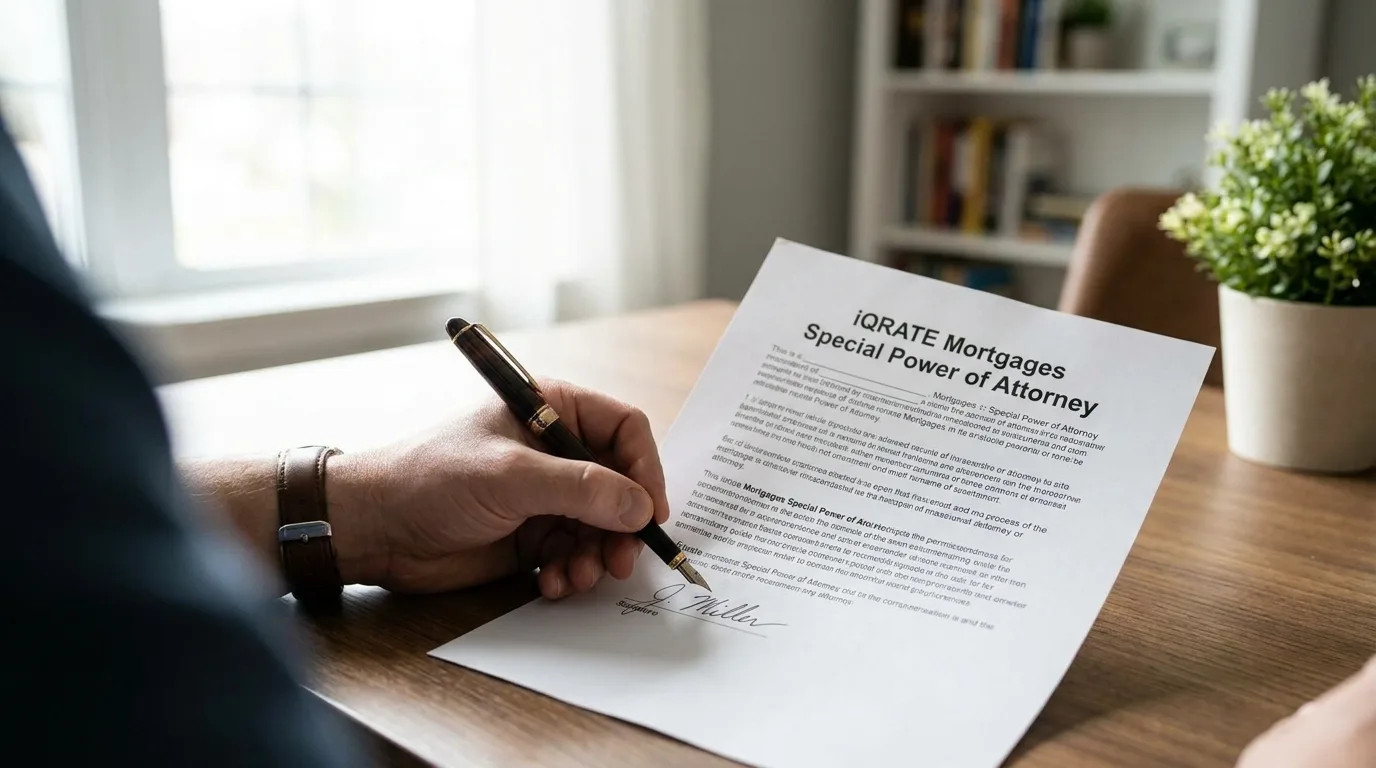
JAG attorneys provide this service at no cost. More importantly, they are experts in creating military-specific POAs that are designed to be accepted by lenders and comply with federal regulations like the Servicemembers Civil Relief Act (SCRA) as well as Texas state laws. They will ensure the document contains all the necessary language for your VA loan closing.
To get started, schedule an appointment with the Legal Assistance Office. You should bring the following items with you:
- Your military ID and your spouse's/AIF's full legal name and contact information.
- Your PCS orders, if applicable.
- A copy of the home purchase contract if you are already under contract.
- The property address and loan details, if you have them.
Getting your POA drafted by JAG is the most secure way to ensure it will be accepted by your lender and title company without issue.
What Documents Can Your Representative Sign for You?
Once the POA is approved by the lender and title company, your attorney-in-fact is empowered to sign most of the closing documents. These typically include:
- The Promissory Note: The legal IOU that details your promise to repay the loan.
- The Deed of Trust (or Mortgage): The document that secures the loan with the property as collateral.
- The Closing Disclosure: The final statement of loan terms and closing costs.
- All Title Company Documents: Affidavits, conveyance deeds, and other forms related to the transfer of property title.
- Lender-Specific Forms: Any remaining disclosures or agreements required by the mortgage lender.
However, there are a few key documents that the Veteran must personally sign earlier in the process, before the POA is even used. Your AIF cannot sign these for you. They are:
- The initial loan application, the Uniform Residential Loan Application (URLA).
- All initial loan disclosures that are sent out at the beginning of the process.
- Any VA-specific forms, such as the Statement of Service (if required) or other initial certifications.
The POA is exclusively for the final act: the closing table.
Fulfilling VA Loan Occupancy Requirements with a POA
The VA loan program is designed for primary residences, not investment properties. As such, the VA requires the Veteran to certify that they intend to personally occupy the home as their primary residence within a reasonable time, typically 60 days after closing. This can seem like a roadblock if you are deployed or on assignment elsewhere.
Fortunately, the VA has a major exception for active-duty service members. If the service member cannot occupy the property within 60 days due to military orders, their spouse can satisfy the occupancy requirement on their behalf. (The data, information, or policy mentioned here may vary over time.)
This rule works perfectly with a POA. For instance, a service member gets orders to San Antonio but is sent on a 90-day temporary duty assignment (TDY) immediately after. Their spouse can use an approved POA to close on the new house, move in, and establish it as the family's primary residence. This fully satisfies the VA's occupancy rule, allowing the family to get settled without delaying the home purchase.
Common Mistakes to Avoid When Using a Power of Attorney
Using a POA can be seamless, but simple mistakes can cause significant closing delays. Here are the most common pitfalls to avoid:
- Using a General POA: As stressed before, this is the number one reason for rejection. Always get a Specific POA drafted for the transaction.
- Waiting Until the Last Minute: Do not wait until the week of closing to provide the POA to your lender. It must be reviewed and approved by the lender's underwriting department and the title company's legal counsel. Submit it as soon as you go under contract.
- Incorrect Information: A typo in a name, address, or loan amount can invalidate the document. Proofread it carefully after it's drafted by the JAG office.
- Improper Notarization: The POA is not valid until it is signed in the presence of a notary public. Ensure all signature and notarization requirements under Texas law are met.
- Choosing an Ineligible AIF: Remember, your AIF cannot be your realtor or anyone else with a financial interest in the sale.
When to Provide the POA Document to Your Lender
The short answer is: as early as possible. The ideal time to inform your loan officer that you will be using a POA is during your initial application. The best time to provide the actual document is right after you have an executed purchase contract on a home.
This gives the lender and title company several weeks to perform their due diligence. Their legal teams will review the document to ensure it meets all state, federal, and company requirements. If there are any issues with the wording, this early submission provides ample time to have it corrected by the JAG office without jeopardizing your closing date. Handing a POA to your lender three days before closing is a recipe for stress and delays. Buying a home from a distance presents unique challenges, but a Power of Attorney makes it entirely possible.
Planning a military move to Texas can be complex, but securing your financing doesn't have to be. If you're ready to take the next step toward homeownership and want clear guidance through the VA loan process, start your application with our team today for a seamless and stress-free closing.
Author Bio
David Ghazaryan is the expert mortgage strategist and founder behind iQRATE Mortgages. With a mission to fund home loans that traditional banks won't touch, David specializes in helping clients with unique financial situations, including those recovering from foreclosure or bankruptcy. He expertly crafts smart, strategic, and stress-free mortgages by leveraging a vast network of over 100 lenders to secure competitive rates for investors and homebuyers alike. Praised for exceptional customer service, David has helped hundreds of families with a 97% satisfaction rate, guiding them to the mortgage they deserve.
References
CFPB - What is a power of attorney (POA)?
U.S. Department of Veterans Affairs - VA Home Loan Eligibility
Military OneSource - Power of Attorney: For When You Need a Helping Hand









