
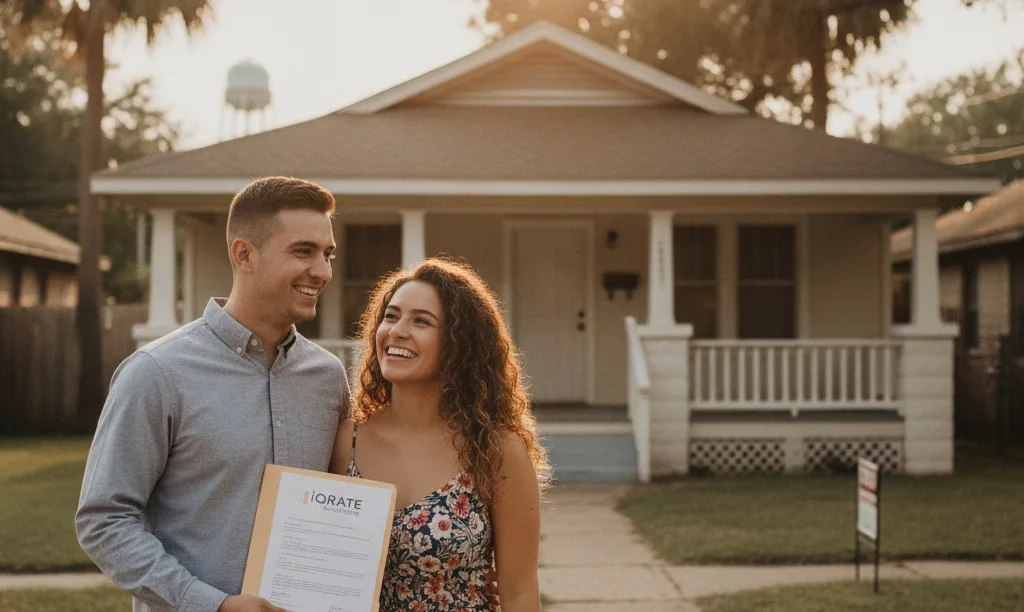

What are Veteran Affairs Minimum Property Requirements?
The Department of Veterans Affairs isn't just guaranteeing your loan; it's also ensuring the home you buy is a safe, sound, and sanitary investment. To do this, it established a set of standards called Minimum Property Requirements, or MPRs. Every home purchased with a VA-backed loan must meet these standards. An independent VA-assigned appraiser evaluates the property to confirm it complies.
The core purpose of MPRs is to protect the veteran buyer from purchasing a property with significant defects that could lead to financial hardship or unsafe living conditions. It also protects the lender and the VA itself by ensuring the property holds sufficient value to secure the loan. If an appraiser finds issues that violate MPRs, those repairs are typically mandatory and must be completed before the loan can close.
Key MPR Areas of Focus:
- Safety: The property must be free from hazards that threaten the physical safety of its occupants. This includes things like faulty wiring, broken steps, or lack of handrails.
- Structural Soundness: The home must have a solid foundation, a weather-tight roof, and be structurally intact. Major cracks or evidence of decay will be flagged.
- Sanitary Conditions: It must have a safe water supply, a sanitary sewage disposal system, and adequate heating.
Is the Veteran Affairs appraisal also a home inspection?
No, a VA appraisal is not a home inspection. This is a critical distinction that many first-time veteran homebuyers miss. While they might seem similar, they have different purposes, scopes, and work for different people.
The VA Appraisal: This is for the lender. Its primary goals are to determine the home's fair market value and to verify it meets the VA's Minimum Property Requirements. The appraiser is an independent professional assigned by the VA. They are looking for specific, obvious defects related to MPRs but are not conducting a deep, top-to-bottom examination of the home.
The Home Inspection: This is for the buyer. A professional home inspector, hired and paid by you, conducts a thorough investigation of the property's condition. They examine hundreds of components, from the attic insulation to the foundation, and provide a detailed report on the home's overall health. An inspection can uncover issues the VA appraisal might miss, such as the remaining lifespan of an HVAC unit or minor plumbing leaks that don't yet violate MPRs.
Even if a home in Austin passes the VA appraisal, you should always get a separate home inspection to fully understand your potential investment.

What are the most common repair items for older homes in Pasadena?
Older housing stock, like many charming homes found in Pasadena, Texas, often comes with character but can also hide common issues that a VA appraiser is trained to spot. These are some of the most frequently flagged items that require repair before closing.
Common Repairs Required to Meet VA Standards
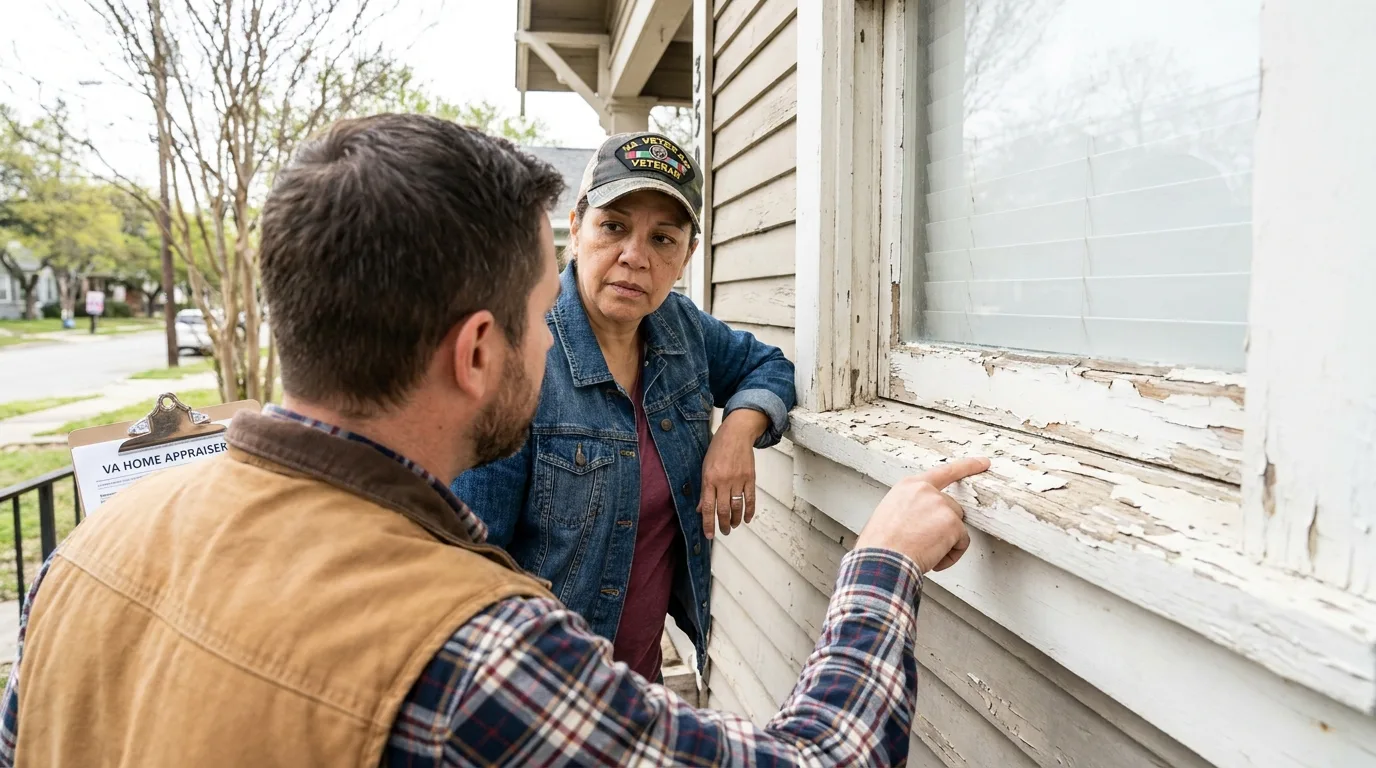
- Peeling or Chipping Paint: For homes built before 1978, peeling or chipping paint is a major red flag due to the potential presence of lead-based paint. The appraiser will require that all loose paint on interior and exterior surfaces be scraped, properly prepared, and repainted.
- Roofing Issues: The roof must be in good condition and have at least a few years of remaining life. Any evidence of active leaks, significant decay, or numerous missing shingles will be called out. A roof with more than two layers of shingles may also need to be replaced. (The data, information, or policy mentioned here may vary over time.)
- Faulty Electrical Systems: The appraiser will check for exposed or frayed wiring, an outdated fuse box (knob-and-tube wiring is often unacceptable), and uncovered electrical outlets. The system must be safe and adequate for the home.
- Inadequate Heating: Every habitable room must have a permanent and functional heat source. A broken furnace or a system that doesn't work properly will need to be repaired or replaced.
- Plumbing and Water Issues: This includes everything from leaky faucets to a faulty water heater. The property must have a continuous supply of safe hot and cold water and a working sanitary system.
- Structural Problems: The appraiser will look for significant foundation cracks, wood rot on siding or window frames (wood-to-earth contact is a common problem), and any signs of termite damage.
- Safety Hazards: Missing handrails on staircases, broken windowpanes, or uneven walkways that present a tripping hazard are all items that must be fixed.
Who is responsible for paying for these required repairs?
This is a point of negotiation. There is no set rule stating that the buyer or the seller must pay for VA-required repairs. After the appraisal report (called the Notice of Value or NOV) comes back with a list of required fixes, several scenarios can play out:
- The Seller Pays: This is the most common and often ideal outcome. The seller agrees to complete and pay for all the mandatory repairs before the closing date.
- The Buyer Pays: In a competitive market, a buyer might agree to pay for the repairs to make their offer more attractive. However, these payments must be made with the buyer's own funds; they cannot be financed into the initial loan amount.
- They Split the Cost: Buyer and seller can negotiate a shared cost for the repairs.
- The Seller Provides a Credit: In some cases, a seller might offer a credit at closing for the estimated cost of repairs. This is less common for VA loans because the VA wants the work completed before the loan funds, not just paid for.
For example, if you're buying a home in Houston and the appraiser requires $2,500 in roof repairs, your real estate agent will negotiate with the seller's agent to determine who covers that cost.
Can I finance the cost of the repairs into my Veteran Affairs loan?
Generally, you cannot finance the cost of MPR-required repairs into your standard VA purchase loan. The property must meet MPRs before the loan closes. However, the VA does offer a specific product for this situation: the VA Renovation Loan.
A VA Renovation Loan allows you to roll the cost of repairs and improvements into your total mortgage amount. This is a great option for properties that need more extensive work than a seller is willing to perform. The loan covers both the purchase price and the cost of the renovations, up to a certain limit. It's a more complex process with additional paperwork and oversight, but it makes buying a fixer-upper possible with your VA benefit.
What happens if the seller refuses to make the repairs?
If you've found the perfect home in Austin but the seller refuses to make the VA-required repairs, you aren't out of options. You have three primary paths forward:
- Pay for the Repairs Yourself: If you have the cash on hand and believe the home is worth it, you can offer to pay for the repairs. You'll need to coordinate with the seller to allow contractors access to the property before you officially own it, which requires a formal agreement.
- Renegotiate the Price: You could ask the seller to lower the purchase price by the estimated cost of the repairs. You would still need to pay for the repairs out-of-pocket before closing, but the lower sale price would offset your expense.
- Cancel the Contract: Your purchase agreement likely contains an appraisal contingency or a specific 'VA Amendment to Contract' clause. This gives you the right to walk away from the deal and have your earnest money returned if the property doesn't appraise for the contract price or if the seller refuses to complete required repairs.
How does the appraiser verify that the work has been completed?
Once the repairs are finished, the lender will order a final inspection or a re-inspection from the original appraiser. The appraiser will revisit the property to verify that all the items listed on the Notice of Value have been completed in a 'workmanlike manner'. They will take photos to document the completed work and submit a final report to the lender confirming the property now meets all Minimum Property Requirements. Once the lender receives this clean bill of health, they can move forward with scheduling your closing.
Will a fixer-upper property ever pass the Veteran Affairs appraisal?
It depends on your definition of a 'fixer-upper'. A home that needs cosmetic updates like new paint, flooring, or modern light fixtures will likely pass the VA appraisal without issue, as these are not MPR concerns. However, a property that needs significant work—like a new roof, a full kitchen remodel, or has major structural defects—will not pass the initial appraisal in its 'as-is' condition.
For a true fixer-upper, your best bet is to use a VA Renovation Loan. This program is specifically designed for homes that do not currently meet MPRs, allowing you to purchase the property and finance the necessary improvements simultaneously. Navigating VA appraisal requirements can feel overwhelming, but you don't have to do it alone. If you're a veteran looking to buy a home in Texas, reach out to a mortgage expert who understands the nuances of VA loans and can guide you through the repair negotiation process to ensure a smooth closing.
Feeling uncertain about VA property requirements? Don't let repair negotiations stop you from securing your dream home. Our team specializes in VA loans and can guide you through every step. Apply now to get started with an expert by your side.
Author Bio
David Ghazaryan is the expert mortgage strategist and founder behind iQRATE Mortgages. With a mission to fund home loans that traditional banks won't touch, David specializes in helping clients with unique financial situations, including those recovering from foreclosure or bankruptcy. He expertly crafts smart, strategic, and stress-free mortgages by leveraging a vast network of over 100 lenders to secure competitive rates for investors and homebuyers alike. Praised for exceptional customer service, David has helped hundreds of families with a 97% satisfaction rate, guiding them to the mortgage they deserve.
References
VA Minimum Property Requirements (MPRs)
CFPB - What is the difference between an appraisal and a home inspection?









