

What are the Veterans Affairs Minimum Property Requirements?
The U.S. Department of Veterans Affairs (VA) isn't just guaranteeing your loan; it's also ensuring the home you buy is a safe and sound investment. To do this, it established a set of standards known as Minimum Property Requirements, or MPRs. These aren't suggestions—they are mandatory conditions that a property must meet to be eligible for VA financing. An independent VA-approved appraiser assesses the home to make sure it meets these standards, which are designed to protect you, the veteran homebuyer.
The core principle behind MPRs is that the home must be safe, structurally sound, and sanitary. This ensures you aren't moving into a property with immediate health hazards or defects that would drain your finances. It also protects the VA's financial interest by ensuring the property holds its value.
Key areas the VA appraiser will inspect include:
- Structural Integrity: The foundation must be sound, and the structure free from significant decay or damage.
- Roofing: The roof must be in good condition and have a reasonable remaining useful life. It must prevent moisture from entering the home.
- Electrical and Plumbing Systems: All systems must be safe, functional, and meet local codes. Frayed wiring or active leaks are immediate red flags.
- Heating and Cooling: The home must have a functional and safe heating system. In a climate like Florida's, the cooling system's functionality is also critical.
- Water Supply: The property must have access to a safe and reliable water supply, including hot water.
- Pest Damage: The appraiser will look for any signs of active termite infestation or other wood-destroying pests. A pest inspection is often required. (The data, information, or policy mentioned here may vary over time.)
- Safe Access: There must be safe and adequate access to the property from a public or private street.
What are the most common repairs flagged by VA appraisers in Orlando?
In a market like Orlando, with a mix of older homes and properties exposed to Florida's unique climate, VA appraisers frequently flag specific issues. Understanding these common problems can help you spot potential hurdles before you even make an offer.
Here are some of the most common required repairs in the Orlando area:
- Roofing Issues: This is a major one. A roof with missing shingles, evidence of active leaks, or one that is clearly at the end of its lifespan will not pass. Given Florida's history of hurricanes and intense sun, roofs are scrutinized closely.
- Wood Rot and Termite Damage: The humidity and prevalence of termites in Florida make this a top concern. The appraiser will check for rotted wood on siding, eaves, and window sills, as well as any visible evidence of termite damage. A clear termite inspection report is typically required. (The data, information, or policy mentioned here may vary over time.)
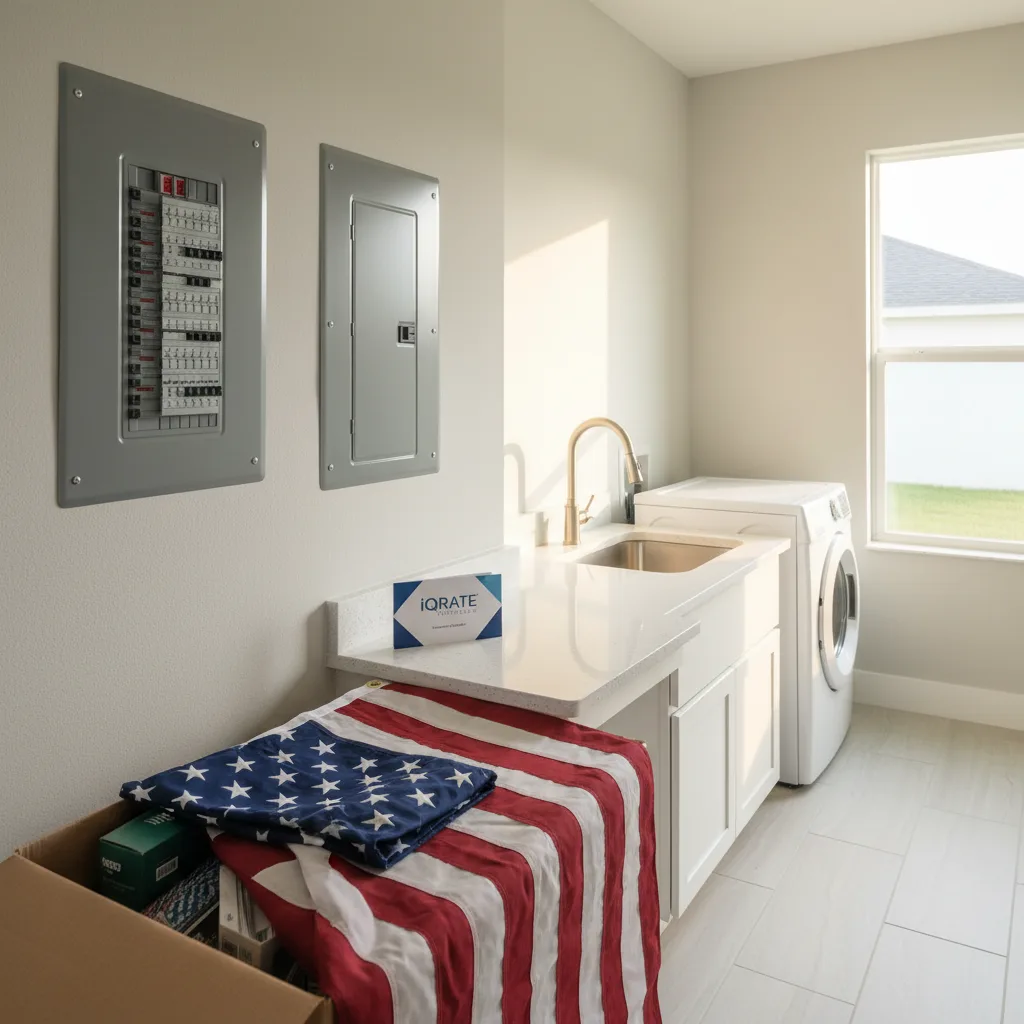
- Outdated Electrical Panels: Many older homes in the region still have outdated or hazardous electrical panels, such as those made by Federal Pacific or Zinsco. These are often flagged as a fire hazard and must be replaced.
- HVAC System Functionality: A functioning heating system is a national VA requirement. In Orlando, an appraiser will also heavily focus on the air conditioning. If the HVAC system is broken or non-functional, it will need to be repaired or replaced.
- Peeling Paint: For homes built before 1978, any peeling or chipping paint on the interior or exterior is considered a potential lead-based paint hazard and must be scraped and repainted.
- Broken Windows or Doors: Any broken window panes or doors that do not function properly compromise the safety and security of the home and must be fixed.
Can the seller pay for these required repairs?
Yes, absolutely. In fact, the most common and straightforward solution to fulfilling VA-mandated repairs is for the seller to pay for them before closing. When the VA appraisal report comes back with a list of required repairs, it becomes a point of negotiation.
Here’s how it typically works: your real estate agent will present the list of required repairs to the seller’s agent, often in the form of a repair addendum to the purchase contract. The seller then has a few options:
- Agree to Complete All Repairs: The seller hires licensed contractors to fix everything on the list. This is the ideal scenario for the buyer.
- Refuse to Make Repairs: The seller can refuse, which may lead to the termination of the contract unless another solution is found.
- Negotiate: The seller might agree to some repairs but not others, or they might offer a price reduction instead. However, for VA loans, a price reduction isn't enough—the MPRs must be fixed for the loan to be approved. The negotiation might instead shift to the buyer covering some costs if they truly want the home.
For example, if an appraiser flags a broken water heater in a Tampa property valued at $350,000, the seller would be responsible for replacing it before the final inspection. The deal cannot close until that issue is resolved.
What is a VA renovation loan and can it be used to fix the home?
If the seller refuses to pay for repairs or if you're interested in a home that needs more work than just the required MPR fixes, a VA Renovation Loan can be an excellent solution. This specialized loan program allows you to finance the purchase of the home and the cost of the repairs or improvements into a single mortgage.

Here’s the process in a nutshell:
- You find a home that needs work.
- You get bids from a licensed contractor for all the renovations you want to do (this must include all VA-required repairs).
- The lender bases the loan amount on the 'after-repaired value' of the home.
- At closing, the seller is paid, and the remaining funds for renovations are placed in an escrow account.
- The contractor completes the work after you close on the home and is paid from the escrow funds in draws as work is completed.
Pros:
- You can buy a fixer-upper and customize it to your liking.
- It combines two loans into one, simplifying payments.
- You can finance both required MPRs and desired upgrades.
Cons:
- The process is more complex and takes longer than a standard VA loan.
- Not all lenders offer VA renovation loans. (The data, information, or policy mentioned here may vary over time.)
- You must work with a VA-approved contractor, which can be challenging to find. (The data, information, or policy mentioned here may vary over time.)
How do I negotiate repairs with the seller without killing the deal in Tampa?
Negotiating repairs in a competitive market like Tampa requires a strategic and professional approach. You want to ensure the home meets VA standards without alienating the seller and causing the deal to fall apart.
Here are some effective steps for a smooth negotiation:
- Lead with the Appraisal: The VA appraisal is your strongest tool. Frame the request not as your personal demands but as requirements from the Department of Veterans Affairs. This makes it an objective, third-party mandate rather than a subjective opinion.
- Get Professional Quotes: Don't just present the problem; offer a solution. Obtain detailed quotes from 1-2 licensed and insured contractors for the required repairs. This provides the seller with a clear understanding of the costs involved.
- Be Specific and Organized: Submit a formal repair request addendum that clearly lists each item from the appraisal report. Vague requests can lead to misunderstandings and frustration.
- Highlight the Inevitability: Gently remind the seller's agent that these same MPR issues will likely be flagged by any future VA or FHA buyer's appraiser. Completing the repairs now makes their property marketable to a wider pool of buyers if your deal falls through.
- Offer a Quick Closing: If the seller is motivated by a fast timeline, reassuring them that you are ready to offer a quick closing as soon as the repairs are verified can be a powerful incentive for them to cooperate.
What happens if the repairs cannot be completed before closing?
Sometimes, factors like contractor schedules, weather delays, or supply chain issues can make it impossible to complete repairs before the scheduled closing date. In this situation, you may be able to use an escrow holdback.
An escrow holdback is an agreement where a portion of the seller's proceeds from the sale is held in a separate escrow account to cover the cost of the required repairs. The amount held is typically 1.5 times the estimated cost of the work to ensure there are sufficient funds. (The data, information, or policy mentioned here may vary over time.)
Here’s the process:
- The buyer, seller, and lender all agree to the terms of the holdback in writing.
- At closing, the funds are withheld from the seller and placed into the escrow account.
- The buyer takes possession of the home.
- The repairs are completed within a specified timeframe, usually within 30 days after closing.
- Once the work is done and verified, the contractor is paid from the escrow account.
- Any remaining funds are released to the seller.
An escrow holdback is not always possible. It is entirely at the lender's discretion and requires full cooperation from the seller. It’s a useful tool but should be considered a backup plan, not the primary strategy.
How does the appraiser verify that the work has been done correctly?
Once the seller has completed the required repairs, the work isn't just taken on faith. The VA requires verification to ensure the home now meets all Minimum Property Requirements.
This is done through a final inspection or re-inspection. The original VA appraiser is typically sent back to the property to personally verify that each item on the repair list has been addressed satisfactorily. They will compare the completed work against the initial report.
During the re-inspection, the appraiser will:
- Visually confirm that the repair has been made (e.g., a new roof is installed, the electrical panel is replaced).
- Ensure the work appears to be done in a professional manner.
- Take photographs of the completed repairs as evidence.
After a successful re-inspection, the appraiser will issue an updated report, often called a 'Notice of Value Update' or a 'Final Inspection Report', to the lender. This document certifies that the property now meets MPRs and is acceptable as security for the loan. Only after the lender receives this clean report can they give the 'clear to close' and move forward with funding your loan.
Navigating VA loan repairs can feel overwhelming, but you don't have to do it alone. If you're ready to buy a home in Florida and want a clear plan for a successful closing, Apply now for expert guidance on your financing options.
Author Bio
David Ghazaryan is the expert mortgage strategist and founder behind iQRATE Mortgages. With a mission to fund home loans that traditional banks won't touch, David specializes in helping clients with unique financial situations, including those recovering from foreclosure or bankruptcy. He expertly crafts smart, strategic, and stress-free mortgages by leveraging a vast network of over 100 lenders to secure competitive rates for investors and homebuyers alike. Praised for exceptional customer service, David has helped hundreds of families with a 97% satisfaction rate, guiding them to the mortgage they deserve.
References
VA Lender's Handbook: Minimum Property Requirements
Consumer Financial Protection Bureau: What is a home appraisal?









