


Understanding the Challenge of Foreign Income Verification
For non-United States investors, purchasing property in Florida presents a unique set of challenges, particularly when it comes to income verification. United States lenders operate under strict underwriting guidelines that require a clear, verifiable paper trail for all income and assets. Standard pay stubs or tax documents from another country are often insufficient on their own. The process demands meticulous documentation, professional translation, and an understanding of how American lenders assess financial stability. This guide breaks down the essential steps and requirements for successfully verifying your foreign income for an investor loan in cities like Orlando and Kissimmee, ensuring a smoother path to closing.
What documents are needed to prove income from a foreign corporation?
When your income originates from a business you own outside the United States, lenders need to see comprehensive proof of the company's legitimacy and profitability. You are essentially proving the health of your business to prove your own financial stability. Be prepared to provide a detailed package of documents.
- Business Registration and Licensing: Official documents proving your corporation is legally established and in good standing in its home country. This is the first step in establishing legitimacy.
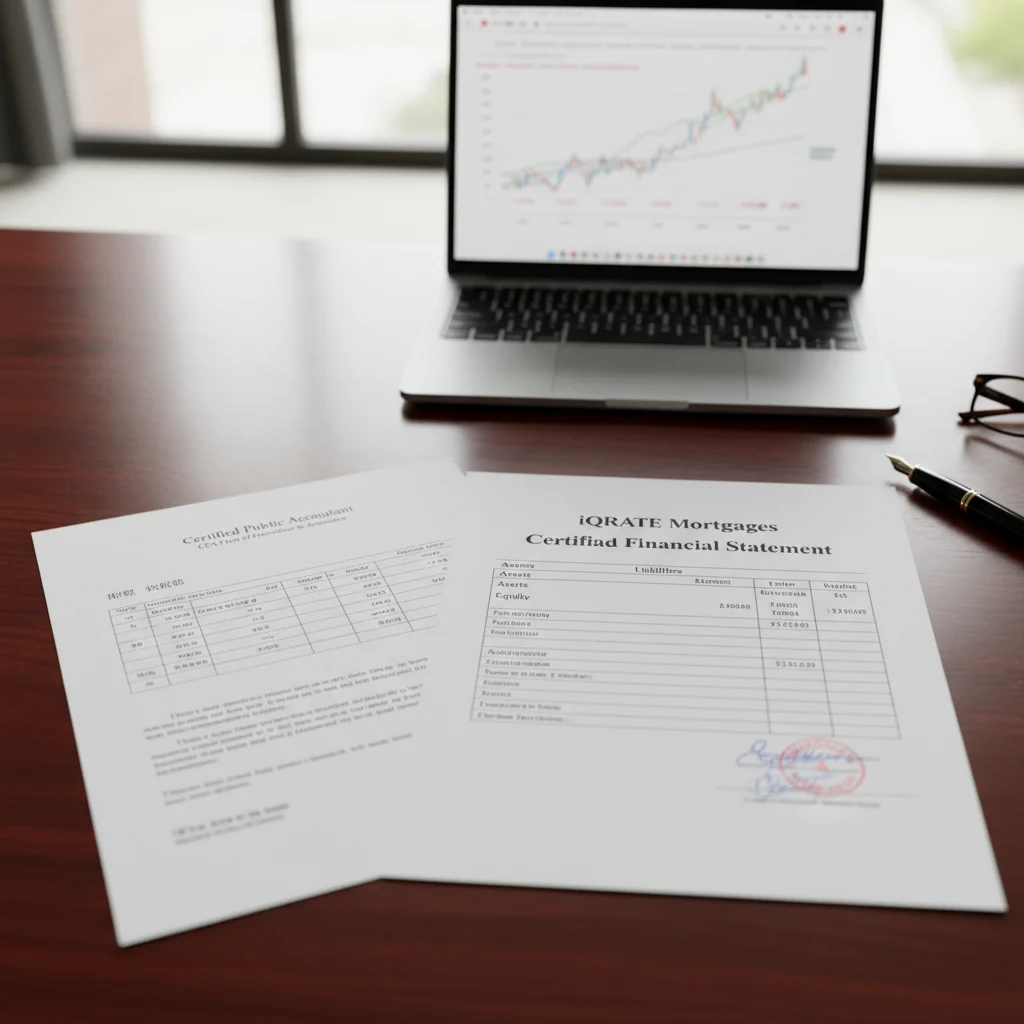
- Financial Statements: Lenders typically require two years of corporate financial statements. This includes the Profit and Loss (P&L) Statement and the Balance Sheet. These must be prepared by a licensed accountant in your home country.
- Corporate Tax Returns: At least two years of official tax filings for the corporation. This corroborates the income figures reported on your financial statements.
- Business Bank Statements: You will likely need to provide 12 to 24 months of business bank statements to show consistent cash flow and revenue.
- A Certified Public Accountant (CPA) Letter: This is a critical document, especially for complex business structures. The letter, written by a chartered or certified accountant, confirms your ownership percentage, the business's profitability, and that your withdrawal of funds for the U.S. property purchase will not negatively impact the company's operations. For an investor targeting a property in Orlando, this letter provides the lender with crucial third-party validation.

All documents must be professionally translated into English, a topic we will cover in detail next.
How do I get my foreign tax returns translated and certified?
Submitting a simple, unverified translation of your financial documents will lead to an immediate rejection from any U.S. lender. The translation must be formal, certified, and unambiguous. Failing to follow this process is one of the most common reasons for delays.
- Find a Certified Translator: You cannot translate the documents yourself, nor can a friend. You must hire a professional translation service. Look for a translator or agency certified by the American Translators Association (ATA). Their certification is a gold standard recognized by financial institutions.
- Request a Line-by-Line Translation: The translation must be an exact, line-by-line replica of the original document. The format should mirror the original as closely as possible.
- Obtain a Certificate of Accuracy: The translator must include a signed 'Certificate of Accuracy' or 'Translator's Affidavit'. This is a sworn statement attesting that the translation is a true and accurate representation of the original document. Often, this certificate needs to be notarized.
- Submit Both Original and Translated Copies: The lender will need to see both the original document in its native language and the certified English translation. This allows their underwriters to cross-reference the information if necessary.
Can I use income from rental properties located outside the United States?
Yes, income from foreign rental properties is a valid source for qualifying for a U.S. mortgage, but it requires thorough documentation. Lenders need to verify that the income is stable and likely to continue.
- Lease Agreements: Provide current, signed lease agreements for each property. These agreements must be translated into English.
- Proof of Rental Income: Submit at least 12 months of bank statements showing the consistent deposit of rental payments. The deposits should match the amounts stated in the lease agreements.
- Proof of Property Ownership: Provide deeds or title documents for the rental properties.
- Evidence of Property Tax and Insurance Payments: This demonstrates you are managing the properties responsibly. Lenders will factor these expenses into your net rental income calculation.
For example, if you own a rental property in Toronto that generates $3,000 CAD per month, you would provide the lease, bank statements showing the deposits, and your Canadian property tax bills. The lender will then convert this income to USD using an averaged exchange rate to determine your qualifying income.
What is a certified public accountant letter and when is it required in Kissimmee?
A Certified Public Accountant (CPA) letter is a formal document prepared and signed by a licensed accounting professional that verifies a borrower's financial information. For a foreign investor buying property in a high-demand area like Kissimmee, this letter is often non-negotiable, especially if you are self-employed or have a complex income structure.
The letter serves as an authoritative summary of your financial health. It bridges the gap between foreign accounting standards and the expectations of a U.S. lender. A strong CPA letter should include:
- The accountant's professional license number and contact information.
- Confirmation that they have prepared your taxes or managed your business accounts for a specified period (e.g., 'for the past three years').
- A breakdown of your income for the past two years.
- For business owners, a statement on the health and stability of your company.
- Verification that drawing funds for a down payment will not adversely affect the business's financial operations.
This letter adds a layer of credibility that foreign tax documents alone cannot provide, giving the underwriter the confidence needed to approve the loan.
How do lenders handle currency exchange rates for income calculation?
Currency fluctuation is a major risk for lenders. A sudden dip in your home currency's value could impact your ability to make your mortgage payment in U.S. dollars. To mitigate this risk, lenders do not use the current day's exchange rate. Instead, they average the exchange rate over a longer period, typically 12 or 24 months. This smooths out volatility and provides a more conservative and stable income figure.
Example Calculation:
- Your Annual Income: €150,000
- Current Exchange Rate (EUR to USD): 1.08
- 12-Month Average Exchange Rate: 1.05
The lender will use the average rate. Instead of qualifying you with $162,000 (150,000 * 1.08), they will use the more conservative figure of $157,500 (150,000 * 1.05). This protects both you and the lender from currency risk.
Are there specific loan programs for buyers with only foreign assets?
Yes, the U.S. mortgage market has specific products designed for international buyers. Relying on standard conventional loans is often not feasible.
- Foreign National Loans: This is a broad category of mortgage products created specifically for non-U.S. citizens. They have more flexible documentation requirements than traditional loans but often require a larger down payment (typically 25-30%) and may have a slightly higher interest rate. (The data, information, or policy mentioned here may vary over time.)
- Debt Service Coverage Ratio (DSCR) Loans: This is the most popular option for investors buying property in Orlando and Kissimmee. A DSCR loan qualifies you based on the property's potential rental income, not your personal foreign income. The lender calculates the DSCR by dividing the property's gross monthly rental income by its monthly debt obligation (principal, interest, taxes, insurance, and HOA fees). If the rent covers the expenses (typically requiring a DSCR of 1.0 or higher), you can be approved. (The data, information, or policy mentioned here may vary over time.) This bypasses the entire complex process of verifying foreign corporate or personal income, making it a streamlined path to financing.
Can I use funds from a foreign business bank account for my down payment?
Using funds from a foreign business account for your down payment and closing costs is possible, but it requires a very clear paper trail. Lenders need to ensure the funds are legitimate and that their withdrawal won't cripple your business, which is your source of income.
Steps to Follow:
- Provide 12-24 Months of Business Bank Statements: This shows the funds have been 'seasoned' and are not from a recent, unexplained deposit.
- Get a CPA Letter: As mentioned, this is crucial. The letter must explicitly state that the withdrawal of funds (e.g., '$150,000 USD') for the property purchase is considered a standard owner's draw or distribution and will not harm the business's ongoing operations.
- Transfer Funds to a U.S. Bank Account: It is highly recommended to transfer the funds to a U.S.-based bank account at least 60-90 days before your planned closing. This allows the funds to 'season' in the U.S. system, making the final transaction much simpler for the title company and lender.
- Document the Wire Transfer: Keep pristine records of the wire transfer from your foreign business account to your U.S. personal account. The underwriter will want to see this paper trail.
What common mistakes delay loan approval for non-United States buyers?
Navigating the foreign income verification process can be complex, and several common pitfalls can delay or even derail your loan approval. Avoiding these mistakes is key to a successful closing.
- Poor Quality or Uncertified Translations: Submitting documents translated using an online tool or a non-professional service is a guaranteed rejection.
- Incomplete Document Packages: Providing only a tax return without corresponding bank statements or financial reports creates an incomplete picture for the underwriter.
- Last-Minute Fund Transfers: Moving large sums of money right before applying for the loan without a clear paper trail raises red flags for money laundering.
- Misunderstanding Currency Conversion: Assuming the lender will use the most favorable exchange rate. Lenders always use a conservative, averaged rate.
- Not Working With an Experienced Broker: Attempting to navigate this process with a lender or broker who rarely handles foreign national loans. An experienced professional will know the specific requirements and can anticipate underwriter requests, saving you weeks of delays. If you are a non-US investor looking to secure financing for a property in Florida, navigating the income verification process is the biggest hurdle. Working with a mortgage expert who specializes in foreign national and DSCR loans can make all the difference. Reach out to a qualified mortgage advisor to review your documentation and find the right loan program for your investment goals.
Ready to secure your Florida investment property? Our experts specialize in loans for foreign investors. Apply now for a clear path to financing.
Author Bio
David Ghazaryan is the expert mortgage strategist and founder behind iQRATE Mortgages. With a mission to fund home loans that traditional banks won't touch, David specializes in helping clients with unique financial situations, including those recovering from foreclosure or bankruptcy. He expertly crafts smart, strategic, and stress-free mortgages by leveraging a vast network of over 100 lenders to secure competitive rates for investors and homebuyers alike. Praised for exceptional customer service, David has helped hundreds of families with a 97% satisfaction rate, guiding them to the mortgage they deserve.
References









