


FHA Appraisal vs. a Standard Home Inspection
Many homebuyers in Florida confuse an FHA appraisal with a home inspection, but they serve two very different purposes. Understanding the distinction is critical to navigate the FHA loan process successfully.
A home inspection is an optional service you, the buyer, pay for to get a detailed report on the condition of the property. A home inspector works for you. Their job is to identify every potential issue, from minor cosmetic flaws to major structural problems, so you can make an informed decision about your purchase. They do not determine value and their findings do not automatically approve or deny your loan.
An FHA appraisal, on the other hand, is a mandatory requirement for the loan itself. The appraiser is hired by your lender but must be FHA-approved. Their role is twofold:
- Determine Market Value: Like any appraisal, they assess the property's fair market value to ensure the loan amount is justified. They compare the home to similar recently sold properties, known as 'comparables' or 'comps'.
- Verify Minimum Property Standards (MPS): This is the key difference. The appraiser also acts as the eyes for the Federal Housing Administration. They conduct a basic visual inspection to ensure the home meets HUD's strict guidelines for safety, security, and structural soundness. The property must be free of hazards that could endanger the occupants or jeopardize the structural integrity of the home.
If the appraiser flags any issues that violate these standards, they will note them in the appraisal report. These items must be repaired before the loan can close.
Is One a Substitute for the Other?
Absolutely not. An FHA appraiser is not performing a comprehensive home inspection. They might not catch hidden mold, check every electrical outlet, or run every appliance. An FHA appraisal passing does not mean the home is free of defects. It only means it meets the minimum threshold for an FHA-insured loan. You should always get a separate, thorough home inspection when buying a property in Tampa to protect your investment.
Common FHA-Required Repairs in Older Tampa Homes
Tampa's housing market includes many charming older homes, but these properties often come with conditions that clash with modern FHA requirements. An appraiser will look for specific issues that are common in homes built several decades ago.

- Outdated Electrical Systems: The presence of knob-and-tube or aluminum wiring, an outdated fuse box instead of a circuit breaker panel, or exposed/frayed wiring are immediate red flags. These are considered significant fire hazards and must be updated by a licensed electrician.
- Plumbing and Septic Issues: Appraisers will check for active leaks under sinks, water stains on ceilings, and low water pressure. If the home uses a septic system, they will verify it is functioning properly and located a safe distance from any well.
- Wood-Destroying Organisms: Evidence of active termite infestation or significant damage from past infestations is a major problem. The FHA requires a satisfactory termite inspection report in areas where termites are common, which includes all of Florida. Any active infestation or structural damage must be treated and repaired.
- Inadequate HVAC: The home's heating and cooling system must be functional and adequately heat or cool the entire living area. A broken air conditioner in a St. Petersburg home during a summer appraisal will need to be fixed before the loan can be funded.
- Foundation and Structural Defects: Appraisers look for significant settlement cracks in the foundation, sagging floors, or other signs of structural instability. These issues often require a structural engineer's report and costly repairs.
Peeling Paint and Your St. Petersburg Loan Denial
Yes, something as seemingly minor as peeling paint can absolutely cause your FHA loan to be denied or delayed in St. Petersburg. This is one of the most common and misunderstood FHA appraisal requirements.
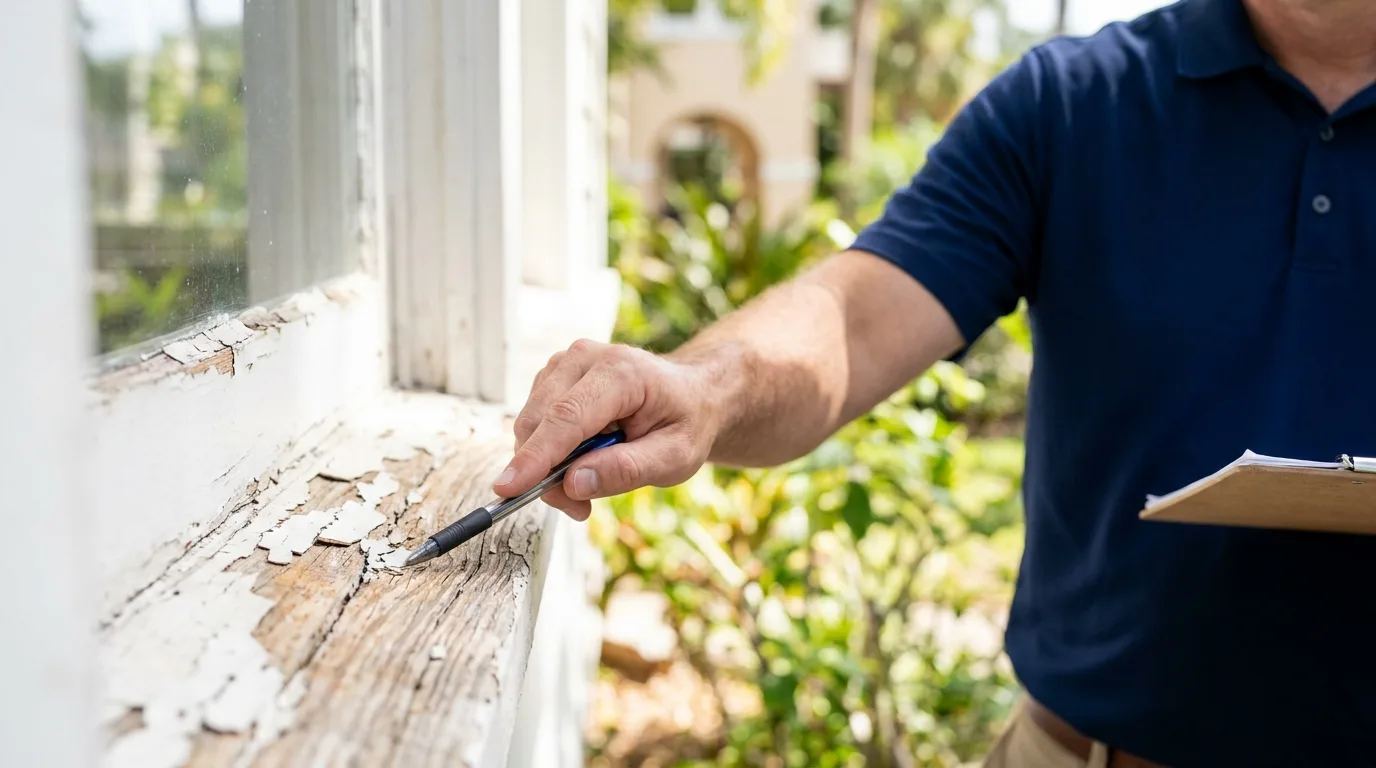
The reason is the potential for lead-based paint. If a home was built before 1978, the FHA assumes that any deteriorating paint (peeling, chipping, or cracking) on interior or exterior surfaces could contain lead. Lead is a serious health hazard, especially for children.
Therefore, the appraiser is required to flag any surface with defective paint. This includes:
- Exterior walls and siding
- Window sills and door frames
- Interior walls and baseboards
- Porches, decks, and railings
- Outbuildings like sheds or detached garages
The required fix is straightforward but non-negotiable: all loose paint must be scraped away, and the surface must be repainted. The work must be done in a 'workmanlike manner'. Simply painting over the peeling chips is not acceptable.
How the FHA Views Roof Leaks and Damage
A property's roof is one of the most critical components for the FHA. A faulty roof compromises the entire structure and is a direct violation of the Minimum Property Standards for safety and soundness. An FHA appraiser will automatically fail a roof that shows signs of significant wear or damage.
Here's what they look for:
- Remaining Life Expectancy: The appraiser must certify that the roof has at least two years of remaining physical life. If it appears the roof will need replacement within that timeframe, it will be flagged for repair or replacement.
- Missing or Damaged Shingles: More than three missing shingles or significant granule loss on asphalt shingles will trigger a repair requirement.
- Evidence of Leaks: The appraiser will look for water stains on interior ceilings, especially in closets and around vents. They will also visually inspect the roof sheathing from the attic for signs of moisture or rot.
- Multiple Layers: In most cases, a roof cannot have more than two layers of shingles. If a third layer is present, a full tear-off and replacement may be required.
A roof in poor condition is not a negotiable item. The lender will not fund the loan until the roof is repaired or replaced to FHA standards and re-inspected by the appraiser.
What Happens If the Seller Refuses to Fix Required Items?
You've found the perfect home in Tampa, but the FHA appraisal comes back with a list of required repairs, and the seller refuses to do them. This is a stressful situation, but you have several options:
- Negotiate Further: The seller may be unwilling to pay for the repairs, but they might agree to a price reduction that covers your cost to complete them after closing. This only works if you switch to a different loan type, as the FHA requires repairs to be done before closing.
- Pay for Repairs Yourself (Use Caution): You could offer to pay for the repairs yourself before the closing. This is very risky. If the deal falls through for any other reason, you will lose the money you spent on a home you don't own.
- Switch to a Renovation Loan: An FHA 203(k) loan is designed for this exact scenario. It allows you to finance the purchase price and the cost of the required repairs into one mortgage. This is often the best solution.
- Find a Different Loan: If the repairs are minor, you may be able to switch to a conventional loan. Conventional appraisals are primarily focused on value and do not have the same strict property standards as FHA loans. However, you may need a higher credit score or down payment.
- Cancel the Contract: If your purchase agreement includes an appraisal contingency, you can likely walk away from the deal and have your earnest money deposit returned. While disappointing, it's better than buying a home with serious safety issues.
Using an FHA 203(k) Loan to Finance Repairs
The FHA 203(k) Rehabilitation Mortgage is a powerful tool for homebuyers in competitive markets like Tampa and St. Petersburg, where many homes need updates. It allows you to buy a home that doesn't meet FHA standards and roll the cost of repairs into your loan.
There are two types of FHA 203(k) loans:
- Limited 203(k): This is for non-structural repairs and improvements. It provides up to $35,000 for projects like replacing a roof, updating the HVAC system, painting, replacing flooring, or remodeling a kitchen. It's a more streamlined process than the Standard 203(k). (The data, information, or policy mentioned here may vary over time.)
- Standard 203(k): This is for major renovations involving structural changes, such as moving walls, adding rooms, or repairing foundation issues. The minimum repair cost is $5,000, and the project requires the oversight of a HUD-approved consultant. (The data, information, or policy mentioned here may vary over time.)
To use a 203(k) loan, you will need to get bids from licensed contractors for the required repairs. The appraisal will determine the 'after-improved value' of the home, and your loan amount will be based on that higher value. The repair funds are placed in an escrow account at closing and are paid out to your contractor as the work is completed.
Are Cracked Windows or Missing Handrails an Automatic Failure?
Yes, both cracked windows and missing handrails are considered safety hazards and will result in an automatic repair requirement from an FHA appraiser.
- Cracked or Broken Windows: A window with broken glass compromises the security of the home and presents an injury risk. All broken window panes must be replaced.
- Missing Handrails: For safety reasons, HUD requires handrails on any staircase with three or more risers. This applies to both interior stairs and exterior steps, such as those on a porch or deck. If handrails are missing or unstable, they must be installed or repaired.
These may seem like minor fixes, but they fall squarely under the FHA's mandate to ensure the property is safe and secure for its occupants. Fortunately, these are typically inexpensive and easy repairs that can be completed quickly to satisfy the appraiser's requirement.
How to Challenge an Unfair FHA Appraisal Condition
If you believe an appraiser has unfairly flagged a condition or made an error in their report, you can challenge the finding through a process called a 'Reconsideration of Value' (ROV). This is not an easy process and requires strong evidence.
You cannot contact the appraiser directly. The request must be initiated by your lender. To build a successful case, you must provide clear, objective documentation that refutes the appraiser's conclusion. This could include:
- Evidence of an Error: If the appraiser listed a repair for a 'broken' item that is, in fact, functional, you can provide a video or a report from a qualified professional showing it works correctly.
- More Relevant Comparable Sales: If you believe the valuation is low, you can provide your lender with 2-3 recent, nearby comparable sales that are more appropriate than the ones the appraiser used. These must be strong comps that genuinely support a higher value.
- Proof of Completed Repairs: If a required repair was already completed but missed by the appraiser, provide invoices and photos as proof.
Your lender will review your evidence and submit it to the appraiser for consideration. The appraiser may revise the report, but they are not obligated to. Challenging an appraisal is a long shot, but it is an available option if you have a compelling, fact-based argument.
Faced with FHA appraisal hurdles for your dream home in Tampa or St. Petersburg? Don't let required repairs derail your plans. Explore your options, from renovation loans to strategic negotiations, and move forward with confidence. When you're ready to find a clear path to closing, Apply now and let our experts guide you through the complexities.
Author Bio
David Ghazaryan is the expert mortgage strategist and founder behind iQRATE Mortgages. With a mission to fund home loans that traditional banks won't touch, David specializes in helping clients with unique financial situations, including those recovering from foreclosure or bankruptcy. He expertly crafts smart, strategic, and stress-free mortgages by leveraging a vast network of over 100 lenders to secure competitive rates for investors and homebuyers alike. Praised for exceptional customer service, David has helped hundreds of families with a 97% satisfaction rate, guiding them to the mortgage they deserve.
References
CFPB - What is a home appraisal, and how does it work?









