
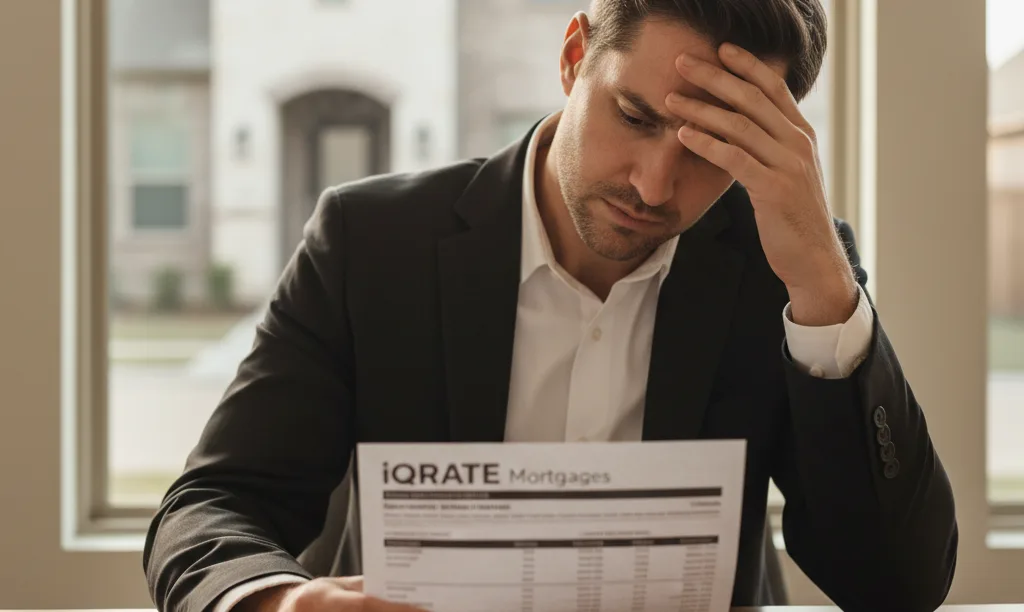

The Anatomy of a Failed Appraisal in Houston's Market
In a fast-paced real estate environment like Houston, the moment between an accepted offer and a finalized appraisal report is filled with uncertainty. A deal isn't done until the lender agrees the property is worth the price. When it doesn't, the transaction can collapse, leaving you and your client back at square one. This isn't random bad luck; it's often the result of predictable factors that can be anticipated and managed. Understanding these factors is the first step to preventing appraisal-related deal failures.
Mismatched Comparables (Comps)
Sellers often anchor their price expectations to online valuation tools or the sale price of a neighbor's 'similar' home. The problem is that an appraiser operates under much stricter guidelines. A lender needs to see recent, relevant, and truly comparable sales.
For example, a beautifully renovated home in a transitioning Houston neighborhood like the Heights might be priced based on other renovated properties. However, an appraiser may be required by underwriting rules to include less-improved, older homes from the same area to create a balanced report, pulling the final value down. The appraiser isn't being difficult; they are following rigid rules set by Fannie Mae, Freddie Mac, or the FHA to justify the lender's risk.
Key factors an appraiser considers for comps include:
- Recency: Sales should ideally be within the last 90 days.
- Proximity: Comps must be as close as possible, often within a one-mile radius.
- Similarity: Square footage, bedroom/bathroom count, age, and condition must be genuinely comparable.
Underwriter Scrutiny and Guideline Overlays
The appraiser's report is not the final word; it is a key piece of evidence submitted to the lender's underwriter. The underwriter's job is to protect the lender from risk. They will scrutinize the appraisal report, cross-referencing it against their own internal set of rules, known as 'overlays'.
These overlays can be stricter than the baseline guidelines from government-sponsored enterprises. For instance, while Fannie Mae might be comfortable with a particular type of property, a specific lender might have an overlay that adds extra conditions or even prohibits lending on it. An underwriter can challenge the appraiser's chosen comps, demand additional justification for value adjustments, or call for a second opinion via a field review, all of which can delay or kill a deal.
The Impact of Unpermitted Work or Condition Issues
Many homeowners in communities like The Woodlands make improvements over the years, such as converting a garage into a living space or adding a back patio. If this work was done without the proper permits, an appraiser cannot legally include that square footage in the Gross Living Area (GLA). A 2,400-square-foot home might effectively be valued as a 2,000-square-foot home, creating a massive valuation gap.
Similarly, any visible condition issues, such as a deteriorating roof, foundation cracks, or evidence of water damage, must be noted. These issues, known as 'deferred maintenance', will result in a 'cost to cure' deduction from the property's value, directly impacting the final appraisal figure and potentially requiring repairs before the loan can close.
How a Low Appraisal Derails Your Transaction Step-by-Step
A low appraisal sets off a chain reaction that puts the entire transaction in jeopardy. The process is stressful for everyone involved and moves quickly from bad news to a full-blown crisis.
- The Lender's Call: It starts with a call from the loan officer, who informs you that the property appraised for less than the contract price. The loan can only be approved for a percentage of the appraised value, not the sales price.
- The Negotiation Scramble: With the financing now uncertain, you are left with a few difficult options:
- The Buyer Adds Cash: The buyer must cover the difference between the sales price and the appraised value out of pocket, in addition to their down payment and closing costs.
- The Seller Reduces the Price: The seller must agree to lower the price to match the appraised value, directly reducing their net proceeds.
- Meet in the Middle: A combination of the two, where both parties compromise.
- Challenge the Appraisal: You can submit an appraisal rebuttal or 'Reconsideration of Value'. This is a time-consuming process that is rarely successful, as it requires providing new, compelling comp data that the original appraiser missed.
- The Deal Collapses: If no agreement can be reached, the buyer can often exit the contract using their financing contingency. The deal is dead. The property must be put back on the market, now potentially stigmatized by a recent failed contract.

The Financial Fallout: Quantifying the Cost of a Killed Deal
A failed deal isn't just a disappointment; it has real, measurable financial consequences for you and your clients. Let's consider a realistic scenario.
Imagine you have a listing in The Woodlands under contract for $550,000. Everyone is ready to close. Then, the appraisal comes back at $520,000, creating a $30,000 gap.
- Your Commission Loss: Assuming a 3% commission, you stood to make $16,500. If the deal dies, that revenue is gone. Even if the seller reluctantly lowers the price to $520,000, your commission drops to $15,600, a loss of $900.
- Your Client's Sunk Costs: Your seller has likely spent money preparing for the sale. More importantly, your buyer has paid for an inspection ($500-$700) and the appraisal itself ($500-$800), money they will never get back. (The data, information, or policy mentioned here may vary over time.)
- Time and Marketing Costs: You've spent weeks or months marketing the property, conducting showings, and negotiating. All of that effort is wasted. The property now has to be relisted, and the days on market will be higher, which can signal to new buyers that there's a problem.
- Reputation Damage: Most damaging is the loss of client confidence. A seller will wonder if you priced the home incorrectly, and a buyer will be frustrated with the entire process. This can impact future referrals, which are the lifeblood of a realtor's business.

Introducing the Appraisal Firewall Protocol: Your Pre-Listing Defense
The traditional approach is to list a property and hope the appraisal works out. This is a reactive strategy that puts your commission at risk. A proactive approach is needed. The Appraisal Firewall Protocol is a pre-listing valuation analysis designed to stress-test a property's value against actual lender underwriting guidelines before it ever goes on the market.
What is the Appraisal Firewall Protocol?
This is not a standard Comparative Market Analysis (CMA) or an automated online estimate. It is a comprehensive analysis conducted from the perspective of a mortgage underwriter. It identifies potential red flags, vets comparable sales through the lens of lender requirements, and provides a realistic, financeable value range. It answers the most important question: 'What value will a lender actually be willing to assign to this property?'
How It Works: A Proactive Approach
- Initial Property and Data Analysis: We gather all relevant data on the property, including public records, known improvements, and any condition issues.
- Stress-Testing Against Lender Guidelines: We analyze recent sales in the area, specifically filtering for comps that would meet the strict criteria used by appraisers and underwriters. We identify any unpermitted additions or issues that could negatively impact value.
- Delivering an Actionable Valuation Report: You receive a clear, data-backed report outlining the likely appraisal range and highlighting any potential risks. This empowers you to have an honest, transparent pricing conversation with your seller from day one.
Strategic Advantages for Houston and Austin Realtors
Whether you're working in the diverse neighborhoods of Houston or the competitive market of Austin, this proactive approach provides a distinct advantage.
Price with Confidence and Justify Your Listing
Armed with the Appraisal Firewall report, you can walk into a listing appointment with unshakable confidence. You are no longer just presenting a CMA based on general market activity; you are presenting a finance-centric valuation. This data helps manage seller expectations and establishes you as a strategic advisor, not just a sales agent.
De-Risk Your Listing and Attract Serious Buyers
When you know a property is priced in line with what a lender will approve, the entire transaction is de-risked. You can confidently market the property, knowing that a financing issue related to value is highly unlikely. This stability is attractive to serious buyers and their agents, making your listing stand out from the competition.
Protect Your Commission and Enhance Your Reputation
By preventing appraisal issues before they happen, you ensure a smoother, more predictable path to the closing table. This directly protects your commission from last-minute renegotiations or collapses. More importantly, it builds your reputation as a savvy, professional realtor who anticipates problems and delivers results. Happy clients whose deals close without drama are your best source of future business and referrals.
Protect your next listing from valuation surprises. A proactive mortgage strategy is your best defense. If you're ready to secure your client's success and your commission, apply now to see how the Appraisal Firewall Protocol can strengthen your deals.
Author Bio
David Ghazaryan is the expert mortgage strategist and founder behind iQRATE Mortgages. With a mission to fund home loans that traditional banks won't touch, David specializes in helping clients with unique financial situations, including those recovering from foreclosure or bankruptcy. He expertly crafts smart, strategic, and stress-free mortgages by leveraging a vast network of over 100 lenders to secure competitive rates for investors and homebuyers alike. Praised for exceptional customer service, David has helped hundreds of families with a 97% satisfaction rate, guiding them to the mortgage they deserve.
References
Consumer Financial Protection Bureau - What is a home appraisal?
HUD - FHA Single Family Housing Appraisal Report and Data Delivery Guide









