


What is the 'source of funds' requirement for a United States mortgage?
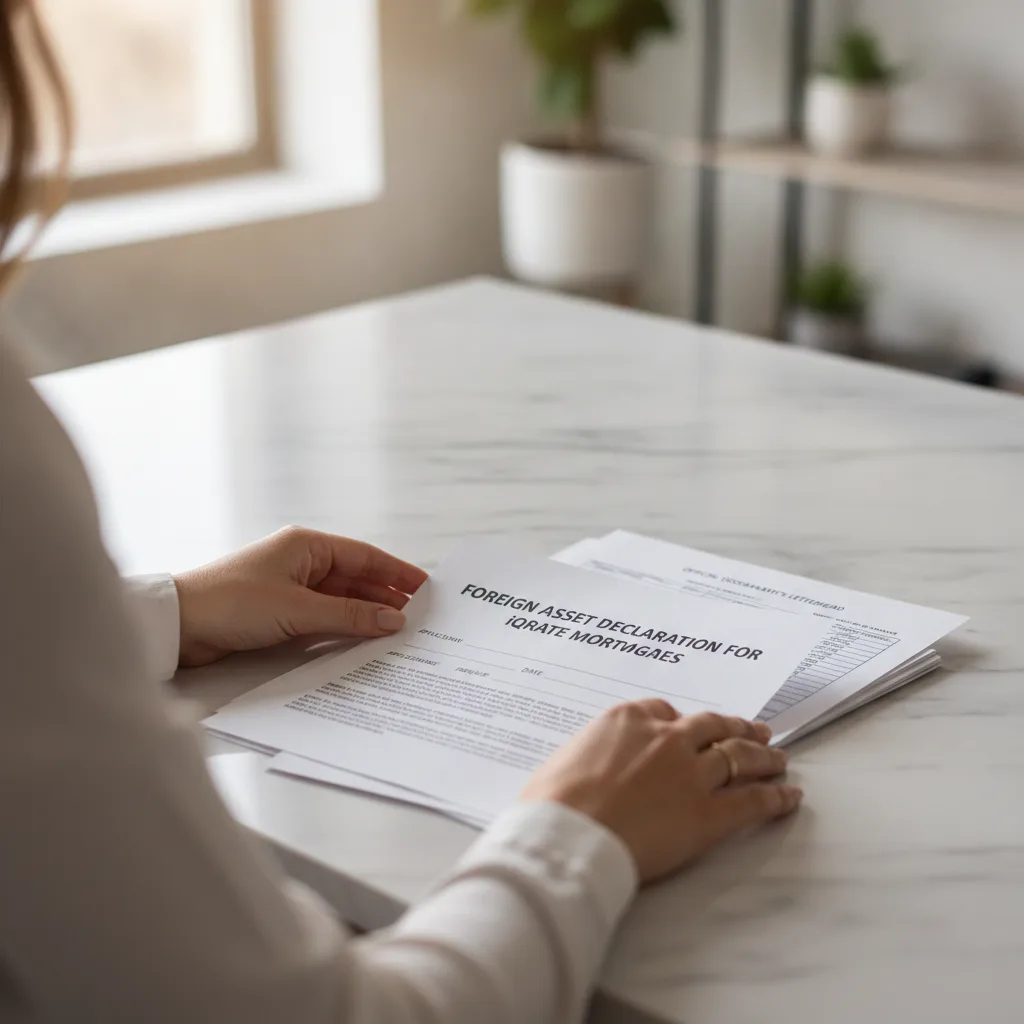
When you apply for any mortgage in the United States, especially a jumbo loan for a high-value property in Miami, lenders are legally required to verify the source of your down payment. This isn't just a lender policy; it's a federal requirement under regulations like the Bank Secrecy Act and the USA PATRIOT Act. These laws are designed to prevent money laundering and the financing of illicit activities. For a mortgage underwriter, an undocumented pile of cash is a major red flag.
'Sourcing' means you must provide a clear, logical, and documented trail showing exactly where your money came from. It’s not enough to show you have the funds; you must prove how you acquired them. Was it from salary, the sale of an asset, an investment, or a gift? Every dollar must be accounted for.
For foreign nationals, this scrutiny is even more intense. Lenders need to be certain the funds originated from a legitimate foreign source and were legally transferred into the United States. They will look at the entire journey of the money, from its origin in your home country to its destination in your U.S. bank account.
Proving Your Down Payment's Legitimacy
Imagine you plan to purchase a $2.5 million condominium in Miami with a 30% down payment, which is $750,000. The lender will require you to provide documents that trace that $750,000 back to its origins. If it came from your savings, you'll need bank statements showing the funds accumulating over time. If it came from selling stock, you'll need brokerage statements showing the transaction. The goal is to create an unbroken chain of evidence that satisfies the underwriter.
What specific bank statements are required from my home country?
To establish the required paper trail, you must provide comprehensive bank statements from your financial institution in your home country. Lenders are extremely specific about what these statements must include.
Typically, you will need to provide:
- At least two to six months of statements: Some lenders may ask for up to a year's worth, especially for very large or complex transactions. These statements should lead up to the date you transferred the funds to the United States. (The data, information, or policy mentioned here may vary over time.)
- All pages of each statement: Do not omit any pages, even if they are blank or only contain legal disclosures. An incomplete set will be rejected immediately.
- Clear identification: Each statement must clearly show your full name, the bank's name and logo, the account number, and the statement period.
- Evidence of the large sum: The statements must show the funds you intend to use for the down payment residing in the account. If the funds appeared as a large, recent deposit, you must then source that deposit. For example, if you deposited €500,000 from the sale of a business, you would need to provide the business sale agreement in addition to the bank statement showing the deposit.
Your mortgage advisor will review these documents with you to ensure they meet the lender's stringent requirements before they are submitted to underwriting.
Do I need to provide translated financial documents for my Miami jumbo loan?
Yes, absolutely. Any document not originally in English must be accompanied by a complete and accurate English translation. This is a non-negotiable requirement for all U.S. mortgage lenders. You cannot simply use an online tool or have a friend translate them.
Certified Translation Requirements
The translation must be certified. This means the translator or translation company must provide a signed statement attesting to the accuracy and completeness of the translation. The certification should also include:
- The translator's name and contact information.
- The date of the translation.
- A statement of the translator's qualifications.
- A declaration that the translator is not a family member or otherwise personally connected to you.
This rule applies to all foreign-language documents, including bank statements, employment contracts, tax returns, property sale agreements, and letters from accountants.
What is the best way to transfer large sums of money to the United States?
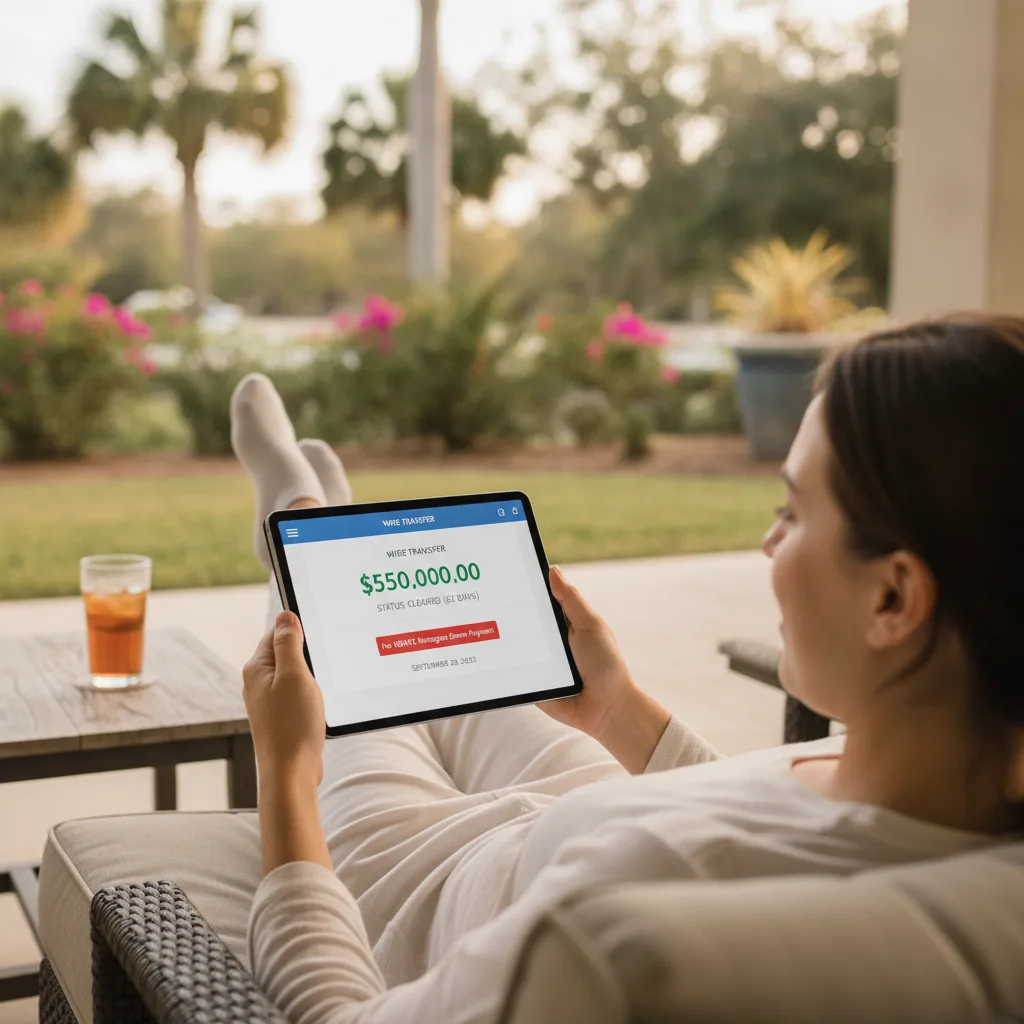
The method you use to transfer your down payment is just as important as the source of the funds. Lenders want to see a clean, direct, and verifiable transfer.
The gold standard is a direct bank-to-bank wire transfer.
Here is the recommended process:
- Open a U.S. Bank Account: Establish an account with a reputable, U.S.-based bank. Major national banks are generally preferred.
- Initiate a Direct Wire Transfer: Instruct your foreign bank to wire the funds directly from your personal foreign account to your personal U.S. account. The names on both accounts must match exactly.
- Keep All Records: Obtain and save the wire transfer receipt from the sending bank and the confirmation of receipt from the receiving U.S. bank. These documents are critical parts of your paper trail.
Avoid methods that create confusion or suspicion, such as breaking the money into multiple smaller transfers, using third-party money transfer services, or having a friend or relative transfer the money for you. These actions create a complex and messy paper trail that underwriters will likely reject.
How long must funds be 'seasoned' in a United States bank account?
Once your funds arrive in the U.S., they need to be 'seasoned'. Seasoning is the period the money must sit in your U.S. account before it can be used for your mortgage transaction. The standard seasoning period is 60 days, which covers two full monthly bank statement cycles. (The data, information, or policy mentioned here may vary over time.)
For example, if you are buying a luxury villa in Naples and you wire your $1 million down payment to your new U.S. bank account on March 15th, you will need to provide the full bank statements for April and May. These statements will show the underwriter that the $1 million has been in your account, under your control, for a full two months. This demonstrates that the money is truly yours and not a short-term loan from an undocumented source.
Attempting to use unseasoned funds is one of the most common reasons for delays and denials in foreign national loan applications. It is always best to plan ahead and transfer your funds well in advance of starting your property search.
Can I use funds from the sale of a foreign property in Naples?
Yes, using the proceeds from the sale of a foreign property is a very common and acceptable source of funds for a down payment on a home in Naples or anywhere else in the U.S. However, the documentation requirements are extremely precise.
To prove the funds came from a property sale, you will need to provide:
- The Final Closing Statement: This is the master document, similar to a Closing Disclosure in the U.S. It should detail the sale price, fees, and your net proceeds.
- The Fully Executed Sale Contract: The signed agreement between you and the buyer of your foreign property.
- Proof of Funds Transfer: Bank statements or wire receipts showing the proceeds from the sale being deposited into your foreign bank account.
- The Paper Trail to the U.S.: The subsequent statements and wire receipts showing the funds moving from your foreign account to your U.S. account.
Of course, all of these documents must be translated into English by a certified translator.
What are the common red flags lenders look for with foreign assets?
Underwriters are trained to spot inconsistencies and potential risks. When reviewing foreign assets, they are on high alert for several red flags that could halt your application. Being aware of these can help you prepare a cleaner file.
- Large, Undocumented Deposits: A sudden, large deposit into your foreign or U.S. account without a clear source (like a property sale or bonus payment) is the biggest red flag.
- Commingled Business and Personal Funds: Using an account that mixes personal savings with daily business revenue makes it very difficult for an underwriter to trace the origin of your personal funds.
- Transfers from Third Parties: Money being transferred into your account from individuals not on the loan application or from unrelated businesses will be heavily scrutinized and likely disallowed.
- Use of Non-Traditional Financial Services: Transferring funds through services other than established banks can raise questions about the legitimacy of the transfer.
- Inconsistent Naming: Minor variations in your name across different bank accounts and legal documents can cause significant delays. Ensure your name is spelled identically on all paperwork.
- Funds from High-Risk Countries: If your funds originate from a country listed on the U.S. Office of Foreign Assets Control (OFAC) list or other international watchlists, the transaction may be impossible to approve.
How can a letter from my foreign accountant help my application?
A letter from your chartered accountant or Certified Public Accountant (CPA) in your home country can be an incredibly powerful tool for your loan application. It serves as an authoritative, third-party verification of your financial standing and the source of your funds.
An effective accountant letter should:
- Be printed on official company letterhead with full contact information.
- State the length of your professional relationship.
- Confirm your annual income and overall net worth.
- Explicitly verify the source of the specific funds being used for the down payment. For instance, 'I can confirm the $800,000 transferred to the U.S. on [Date] was derived from the sale of Mr. Smith's shares in ABC Corporation.'
- Be signed by the accountant and translated into English by a certified translator.
This letter adds a significant layer of credibility to your file, giving the lender more confidence in the legitimacy of your assets and making a final approval more likely. Navigating the documentation for a U.S. mortgage with foreign assets can be complex. Consulting with a mortgage advisor who specializes in foreign national loans can streamline the process and prevent costly delays.
The journey to securing a U.S. mortgage with international funds is detailed, but it doesn't have to be daunting. If you're prepared to move forward with your property purchase and need expert guidance on your documentation, we're here to help. Take the next step with confidence and Apply now.
Author Bio
David Ghazaryan is the expert mortgage strategist and founder behind iQRATE Mortgages. With a mission to fund home loans that traditional banks won't touch, David specializes in helping clients with unique financial situations, including those recovering from foreclosure or bankruptcy. He expertly crafts smart, strategic, and stress-free mortgages by leveraging a vast network of over 100 lenders to secure competitive rates for investors and homebuyers alike. Praised for exceptional customer service, David has helped hundreds of families with a 97% satisfaction rate, guiding them to the mortgage they deserve.
References
CFPB - What documents should I receive before closing on a mortgage loan?









