


Stricter Minimum Property Standards: FHA vs. Conventional
When you're looking at charming older homes in Jacksonville or Gainesville, the choice between an FHA and a Conventional loan often comes down to one thing: the property appraisal. These two loan types approach property condition from fundamentally different perspectives.
An FHA loan is insured by the Federal Housing Administration. Because of this government backing, the property must meet a set of rules known as HUD's Minimum Property Standards (MPS). These standards are in place to protect both the lender and the homebuyer, ensuring the home is safe, secure, and structurally sound. For an older home, this means an FHA appraiser will have a detailed checklist of items that must be in acceptable condition.
In contrast, a Conventional loan, which is not government-insured, follows guidelines set by Fannie Mae and Freddie Mac. While appraisers still must ensure the property is safe, habitable, and sound, their focus is less prescriptive. They are primarily concerned with the property's market value and any significant deficiencies that could jeopardize the lender's investment. This often translates to more flexibility for homes that are dated but still structurally sound.
What Specific Repairs Does an FHA Appraiser Look For in Jacksonville?
An FHA appraiser in Florida is trained to spot issues common in older homes that could violate HUD's Minimum Property Standards. They aren't just determining value; they're acting as a risk inspector for the FHA.
Here are common red flags they look for:
- Peeling or Chipping Paint: In homes built before 1978, this is an immediate health and safety concern due to the potential for lead-based paint. All peeling surfaces, both interior and exterior, must be scraped and repainted.
- Roof Condition: The roof must be in good condition and have at least two years of remaining physical life. A roof with active leaks, significant curling, or missing shingles will need to be repaired or replaced.
- Outdated Systems: The electrical and plumbing systems must be safe and functional. Exposed wiring, an old fuse box instead of a modern breaker panel, or low water pressure could be flagged for repair.
- Foundation and Structural Integrity: Any signs of significant foundation settlement, major cracks, or water damage in a crawlspace or basement will require further inspection, often by a structural engineer.
- Safety Hazards: This includes things like missing handrails on stairs, broken windows, or non-functional heating and cooling systems (a must in Florida).

How Are Appraisal-Required Repairs Handled Before Closing?
Discovering that your dream home needs repairs to qualify for a loan can be stressful, but it's a common scenario. Once the appraisal report comes back with a list of 'subject-to' repairs, the loan cannot close until they are completed and re-inspected.
Here’s the typical process:
- Review the Report: You and your real estate agent will review the appraiser's list of required repairs.
- Negotiate with the Seller: The most common path is to negotiate with the seller to complete the repairs before closing. They may agree to pay for everything, you might split the cost, or they might offer a credit at closing.
- Complete the Work: All repairs must be completed by qualified, and sometimes licensed, professionals. You cannot do the work yourself.
- Final Inspection: The appraiser must return to the property to verify that all required repairs have been completed satisfactorily. They will then update the appraisal report, clearing the condition and allowing the loan process to move forward.
In some cases, a 'repair escrow' may be possible. This is where money from the seller is held in an account at closing to pay for the required repairs immediately after you take ownership. This is less common for FHA loans and depends heavily on the lender's policies. (The data, information, or policy mentioned here may vary over time.)
Is a Conventional Loan More Flexible for a Gainesville Fixer-Upper?
Yes, a Conventional loan is almost always more flexible for a home that needs cosmetic or minor system updates. If you're looking at a home in Gainesville with a dated kitchen, old carpet, and a 15-year-old (but functional) HVAC system, a Conventional appraiser is unlikely to require any of it to be fixed.
The key difference is the loan's objective. A Conventional appraisal is focused on value and major risks. As long as the home is structurally sound and all core systems are working safely, they are less concerned with cosmetic issues or the remaining lifespan of components. This gives you the freedom to buy the home 'as-is' and make improvements on your own timeline and budget.
For example, a home with an old but leak-free roof might pass a Conventional appraisal but fail an FHA appraisal if the appraiser determines it has less than two years of life left. This flexibility makes Conventional loans a stronger choice for buyers who want to invest sweat equity.
The FHA 203k Loan: Your Tool for Major Renovations
What if the older home you love needs more than just a few minor repairs? For significant projects, the FHA 203k loan is an excellent tool. This loan program allows you to finance both the purchase of the home and the cost of its renovation into a single mortgage.
There are two types of FHA 203k loans:
- Limited 203k (formerly Streamline): This is for non-structural repairs and improvements. You can finance up to $35,000 in renovation costs. It’s ideal for projects like replacing a roof, updating a kitchen or bathroom, installing new flooring, or replacing the HVAC system.
- Standard 203k: This is for extensive projects, including structural repairs like moving walls, adding rooms, or repairing a foundation. It requires a minimum of $5,000 in repairs and involves more oversight, including the use of a HUD-approved consultant to manage the project.
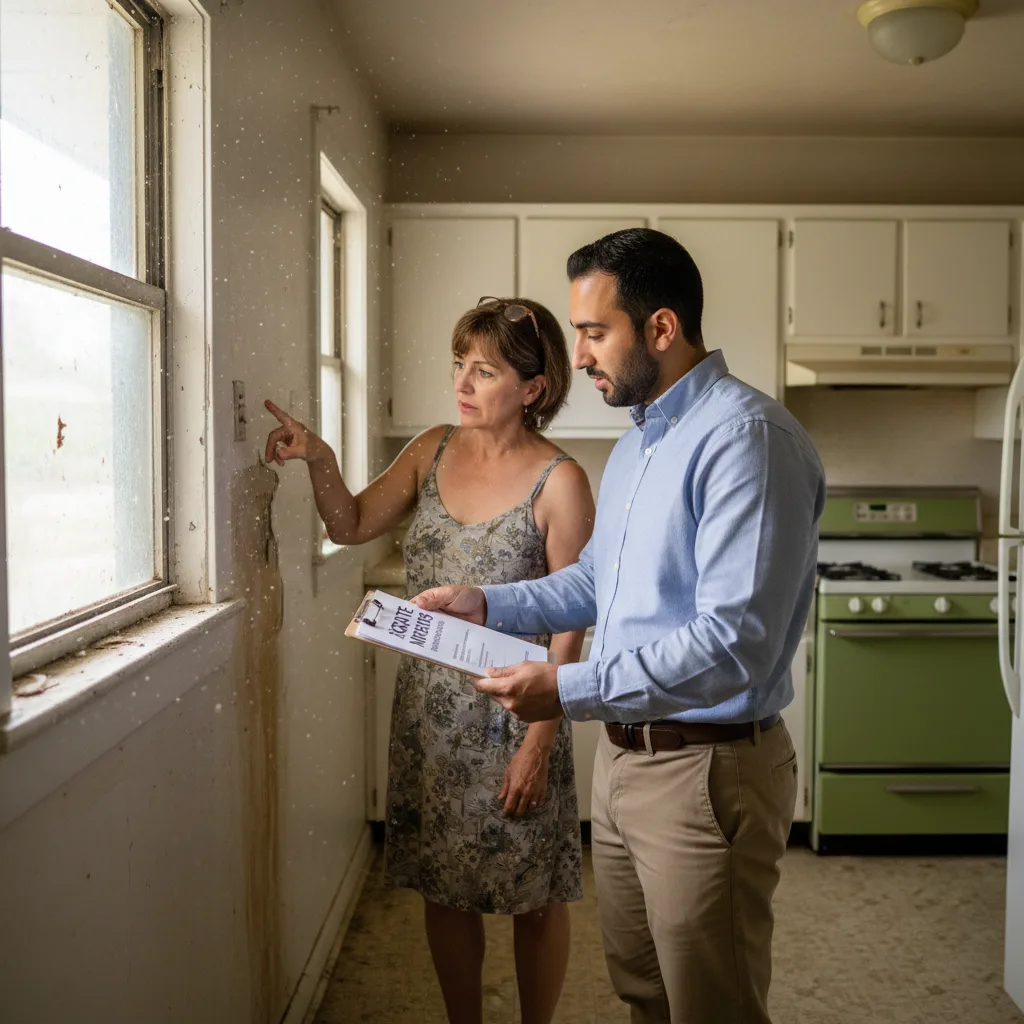
The 203k loan is perfect for a Jacksonville fixer-upper that wouldn't qualify for a standard FHA loan due to its condition.
How Do Insurance Costs Differ for Older Homes in Gainesville?
In Florida, homeowner's insurance is a major factor in your monthly housing payment. For older homes, especially in areas like Gainesville, insurance premiums can be significantly higher due to increased risk. (The data, information, or policy mentioned here may vary over time.)
Insurers look closely at four key elements:
- Roof Age and Shape: A new roof can earn you significant discounts. The shape (hip roofs are often cheaper to insure than gable roofs) also matters.
- Electrical System: Homes with old knob-and-tube wiring or aluminum wiring are considered a higher fire risk and can be very expensive, or even impossible, to insure.
- Plumbing: Old galvanized or polybutylene pipes are prone to leaking, leading to higher premiums.
- Hurricane Hardening: Features like impact windows, hurricane shutters, and reinforced garage doors can lower your costs.
While your loan type doesn't directly set your insurance rate, the property conditions that lead to high premiums are the same ones that can cause an FHA appraisal to fail. A Conventional loan might approve the purchase, but you could still be stuck with a very high insurance bill that strains your budget.
The Verdict: Which Loan for an Old Roof or Plumbing?
Choosing the right loan for an older Florida home with significant issues like a failing roof or plumbing requires a strategic approach.
If the home needs immediate, required repairs (like a leaking roof): A standard FHA or Conventional loan will likely fail. Your best options are to negotiate for the seller to make repairs before closing or to use a renovation loan like the FHA 203k or a Fannie Mae HomeStyle® loan.
If the systems are old but functional (like a 20-year-old AC): A Conventional loan offers the highest likelihood of approval. It gives you the flexibility to buy the home and replace the system when you're ready. An FHA loan might require a certification that the system is working and has some life left, adding a potential hurdle.
Ultimately, the best loan depends on the specific condition of the property and your financial capacity to handle immediate or future repairs. Partnering with a knowledgeable mortgage advisor who understands the nuances of both loan types is critical to making a successful purchase.
Feeling more confident about buying an older home? Whether it's a fixer-upper in Jacksonville or a historic gem in Gainesville, getting the right financing is the first step. Apply now to explore your mortgage options and see what you qualify for.
Author Bio
David Ghazaryan is the expert mortgage strategist and founder behind iQRATE Mortgages. With a mission to fund home loans that traditional banks won't touch, David specializes in helping clients with unique financial situations, including those recovering from foreclosure or bankruptcy. He expertly crafts smart, strategic, and stress-free mortgages by leveraging a vast network of over 100 lenders to secure competitive rates for investors and homebuyers alike. Praised for exceptional customer service, David has helped hundreds of families with a 97% satisfaction rate, guiding them to the mortgage they deserve.
References
HUD Minimum Property Standards









