


Understanding the Core Difference: Health and Safety vs. Market Value
When you're buying a home in Florida, the appraisal feels like the final hurdle. But not all appraisals are created equal. The fundamental difference between an FHA and a conventional appraisal lies in its primary goal. A conventional appraisal is for the lender; its main purpose is to confirm the home's market value is sufficient to cover the loan amount. An FHA appraisal serves a dual purpose: it confirms the value and ensures the property meets the Department of Housing and Urban Development's (HUD) strict 'Minimum Property Standards' (MPS). This means an FHA appraiser acts as both a valuator and a safety inspector, protecting the borrower from a home that is unsafe or unsound and protecting the FHA from insuring a risky asset.
FHA Appraisal Red Flags in Tampa
In markets like Tampa with a mix of new construction and historic homes, FHA appraisers are trained to spot specific health and safety issues that might be overlooked in a conventional appraisal. They operate from a detailed checklist defined by HUD. If any of these are present, the property will be flagged, and repairs will likely be required before the loan can close.
Common FHA-Mandatory Repairs in Older Tampa Homes
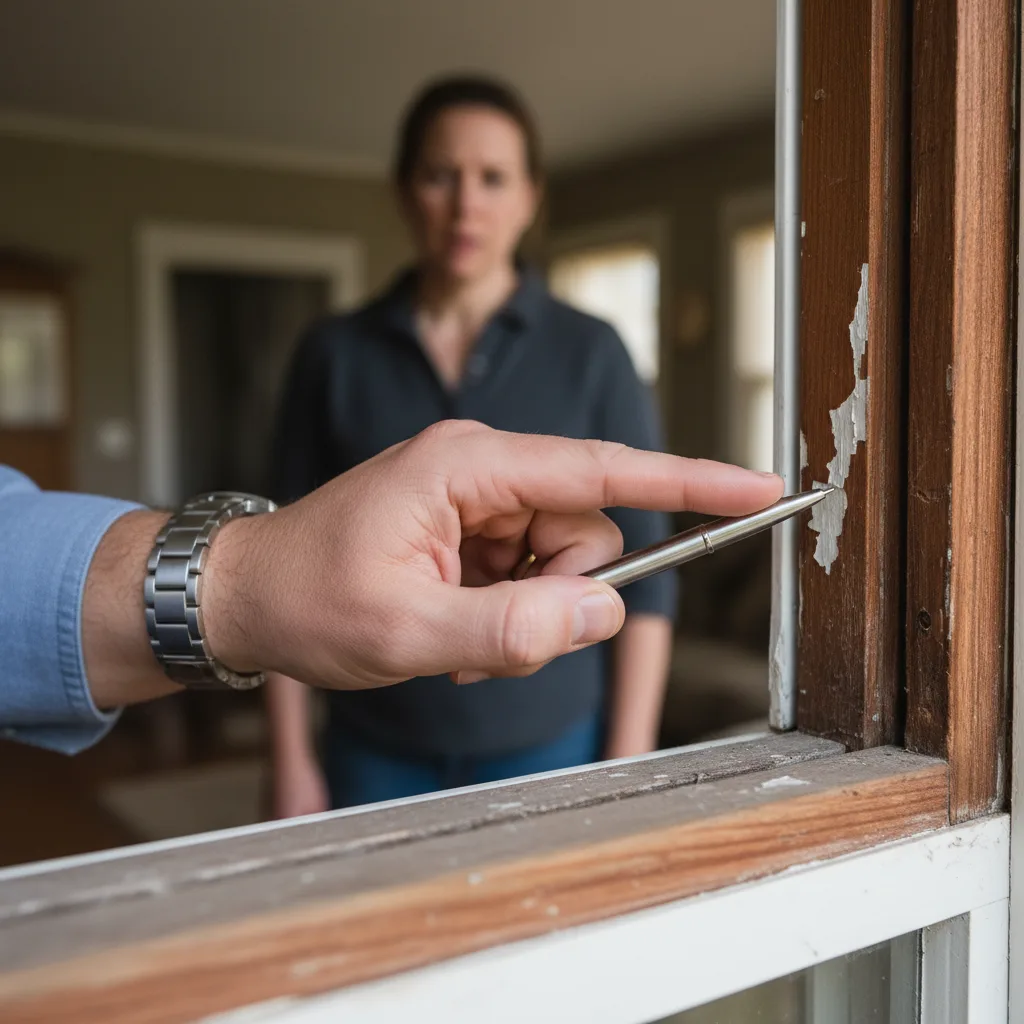
- Peeling or Chipping Paint: In homes built before 1978, this is a major red flag due to the potential for lead-based paint. All defective paint surfaces (interior and exterior) must be scraped and repainted.
- Roofing Issues: An FHA appraiser requires the roof to have at least two years of remaining economic life. (The data, information, or policy mentioned here may vary over time.) Any active leaks, significant damage, or excessive wear will require repair or replacement.
- Inadequate Electrical Systems: Exposed wiring, frayed cables, or an outdated fuse box (instead of a breaker panel) are considered safety hazards that must be corrected.
- Foundation and Structural Defects: Significant foundation cracks, water damage in a crawlspace, or termite damage will immediately halt the process until a qualified professional inspects and remedies the issue.
- Safety and Accessibility: This includes requirements like handrails on all stairways (even short ones with just a few steps), functional smoke detectors, and secure locks on windows and doors.
- Water Heater and Plumbing: The water heater must be properly strapped and vented. Any major plumbing leaks or signs of low water pressure must be fixed.
Are Conventional Appraisals Easier on Saint Petersburg Homes?
Generally, yes. A conventional appraiser's main job is to establish value. They will note property deficiencies, but they only mandate repairs for issues that severely impact the home's livability, safety, or structural integrity. These are often called 'subject to' repairs. For example, a conventional appraiser visiting a historic bungalow in Saint Petersburg might note that the roof has only five years of life left. While they will factor this into the overall valuation, they likely won't require its replacement like an FHA appraiser might. The conventional lens is focused on marketability. Will a typical buyer in this market accept the home in its current state? If the answer is yes, the appraisal usually proceeds without required repairs.
Peeling Paint and Old Roofs: A Tale of Two Appraisals
Let's compare how each appraisal handles two common issues found in older Florida properties:

Peeling Paint:
- FHA Appraisal: If the home was built pre-1978, peeling paint is an automatic 'subject to' repair. The appraiser will note the location, and the seller must have it professionally scraped and repainted before a final inspection can clear the loan.
- Conventional Appraisal: The appraiser will note the peeling paint in their report and may adjust the home's 'condition' rating, which could slightly lower the value. However, they will almost never require it to be fixed unless it's part of a much larger structural problem, like wood rot.
Aging Roof:
- FHA Appraisal: The appraiser must certify the roof is in good condition and has at least two years of life remaining. (The data, information, or policy mentioned here may vary over time.) If there are missing shingles, signs of leaks, or excessive wear, they will call for a roof certification from a licensed roofer. If the certification fails, a repair or replacement is mandatory.
- Conventional Appraisal: The appraiser will note the roof's age and condition. If it's nearing the end of its life, they will reduce the property's appraised value to reflect the upcoming expense. A repair is only mandated if the roof is actively leaking and causing interior damage, making the home unsafe.
Seller's Dilemma: Which Financed Offer is Safer?
For a seller in a competitive market like Tampa, an offer backed by conventional financing is often seen as 'safer' and more attractive than an FHA offer, even if the price is identical. The reason is risk. With a conventional loan, the seller has a much lower chance of being forced into making costly and time-consuming repairs discovered during the appraisal. An FHA appraisal introduces uncertainty; the seller doesn't know what the appraiser might find, and they may not have the funds or desire to fix issues on a home they are leaving. This is why cash offers and conventional offers often beat out FHA offers.
Can an FHA Appraisal Kill a Deal in Tampa?
Absolutely. An FHA appraisal can terminate a deal in two primary ways:
- Required Repairs: The appraiser flags $8,000 worth of required repairs, including a new electrical panel and significant wood rot repair. The seller, who is selling 'as-is', refuses to perform the work. The buyer cannot get the FHA loan without the repairs being completed. Unless the buyer can switch to a different loan type (like a conventional loan) and accept the home as-is, the deal collapses.
- Low Valuation: The appraiser values the property below the agreed-upon purchase price. The buyer can't get financing for the full amount, and the seller is unwilling to lower the price to the appraised value. This creates a stalemate that often ends the transaction.
Unpermitted Additions: How Each Appraisal Handles Them
Unpermitted work, like a converted garage or a Florida room addition, is another area of divergence.
- FHA Appraisal: FHA guidelines require that all additions have the proper permits. An appraiser cannot include the square footage of an unpermitted addition in the total living area and may not assign it any value. In some cases, they may even require the structure to be brought up to code or removed, which is often a deal-breaker.
- Conventional Appraisal: A conventional appraiser has more flexibility. If the unpermitted addition is built to a professional standard ('workmanlike manner'), is safe, and is common for the area, they can often assign it value. They will note its unpermitted status in the report, but as long as it contributes to the home's marketability, it generally won't stop the loan from closing.
The 'Sticky' FHA Appraisal: What Happens When It's Low?
This is one of the most critical distinctions. When an FHA appraisal is completed, the results are tied to an FHA Case Number, which is assigned to the property address, not the borrower. This appraised value stays with the property in HUD's system for six months. If your deal falls through because the home appraised for $320,000 on a $335,000 contract, the next person trying to buy that same home with an FHA loan within six months will be bound by that same $320,000 valuation. It effectively sets a ceiling for FHA financing on that property for half a year.
A conventional appraisal, on the other hand, is private. It is ordered by a specific lender for a specific borrower. If it comes in low and the deal fails, the next buyer (using a different lender) will simply order a brand new appraisal, and the old one has no bearing on their transaction. Choosing between an FHA and conventional loan depends heavily on the type of property you're targeting in Florida. Understanding the appraisal nuances upfront can save you from costly surprises and heartbreak. If you're unsure which path is right for you, discussing your goals with a knowledgeable mortgage strategist can provide the clarity you need to make a confident offer.
Ready to navigate the Florida market with confidence? Apply now to understand your loan options and make a strong, informed offer.
Author Bio
David Ghazaryan is the expert mortgage strategist and founder behind iQRATE Mortgages. With a mission to fund home loans that traditional banks won't touch, David specializes in helping clients with unique financial situations, including those recovering from foreclosure or bankruptcy. He expertly crafts smart, strategic, and stress-free mortgages by leveraging a vast network of over 100 lenders to secure competitive rates for investors and homebuyers alike. Praised for exceptional customer service, David has helped hundreds of families with a 97% satisfaction rate, guiding them to the mortgage they deserve.
References
HUD FHA Single Family Housing Policy Handbook 4000.1









