
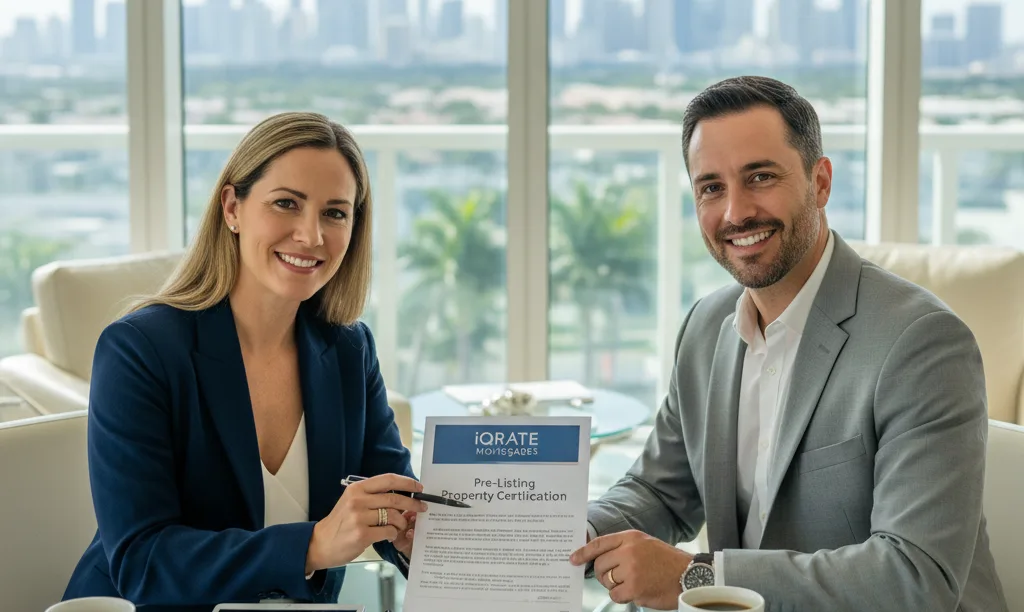

What is a pre-listing property certification?
A pre-listing property certification is a proactive financial vetting process for a home or condominium before it officially hits the market. Think of it as a pre-approval for the property itself, not just the buyer. While a home inspection assesses physical condition, a property certification assesses its financial health and eligibility for a mortgage. An experienced lender reviews critical documents related to the property to identify and address any red flags that would cause a traditional lender to deny a loan.
This process uncovers hidden issues that often surface deep in escrow, such as HOA litigation, insufficient reserve funds, or unpermitted additions. By identifying these problems upfront, it provides a clear roadmap to secure financing, often through specialized portfolio loans, turning a potentially 'unfinanceable' property into a marketable asset.
How do hidden HOA rules kill traditional mortgage approvals?
In Florida's robust condo market, especially in cities like Miami and Naples, hidden HOA rules are a primary reason for last-minute loan denials. Lenders for conventional loans (backed by Fannie Mae and Freddie Mac) require a condominium to be 'warrantable'. If the condo association fails to meet a strict set of criteria, the entire building becomes 'non-warrantable', and most traditional financing options evaporate.
Key factors that render a condo project non-warrantable include:
- Pending Litigation: If the HOA is involved in significant lawsuits, lenders see it as a major risk.
- High Investor Concentration: If more than 50% of the units are rentals rather than owner-occupied, the project is often deemed non-warrantable. (The data, information, or policy mentioned here may vary over time.)
- Insufficient Reserve Funds: HOAs must typically set aside at least 10% of their annual budget for future repairs. Falling short of this signals financial instability. (The data, information, or policy mentioned here may vary over time.)
- Single Entity Ownership: If one individual or company owns more than 10% of the units in the complex, it can violate lender concentration limits. (The data, information, or policy mentioned here may vary over time.)

A buyer could have a perfect 800 credit score and a 50% down payment for a Fort Lauderdale condo, but if the lender's final review discovers the HOA is being sued, the loan will be denied. This leaves the buyer, seller, and agents back at square one.
What specific property types pose the highest financing risk?
Certain properties are inherently more challenging to finance through conventional channels. Identifying these types early is crucial for a successful sale.
Non-Warrantable Condos
As detailed above, these are the most common high-risk properties in Florida. The reasons are purely financial and related to the HOA's management and health. A pre-listing certification is essential for these units, as it confirms which specific lenders have portfolio loan programs willing to finance them.
Homes with Unpermitted Work
Many Florida homes have additions, garage conversions, or enclosed patios that were built without proper permits. When an appraiser for a conventional loan identifies this, two problems arise. First, the unpermitted square footage often cannot be included in the official appraisal value. This can create a significant gap between the sale price and the appraised value, killing the deal. Second, the unpermitted work may violate local zoning codes, creating a legal and financial liability that traditional lenders refuse to take on.
Mixed-Use Properties
Properties containing both residential and commercial space, such as a ground-floor shop with an apartment above, fall outside standard residential lending guidelines. These require specialized commercial or portfolio loans that evaluate the property based on different risk metrics.
How does certifying a listing reduce its days on market?
Time is money in real estate, and a property certification directly addresses the factors that cause listings to stagnate. It accelerates the sale by:
- Eliminating Financing Uncertainty: Buyers and their agents can make offers with confidence, knowing the property's unique challenges have already been solved. This is especially attractive to buyers who have previously lost a home due to a financing issue.
- Creating a Key Marketing Advantage: An agent can market the property as 'Financing Certified' or 'Lender Approved'. This unique selling proposition makes the listing stand out in a crowded Miami market and attracts serious, well-informed buyers.
- Preventing Failed Escrows: The biggest killer of momentum is a deal collapsing after 30 days. This forces the property back on the market, often with a stigma that leads to lowball offers. Certification prevents this by ensuring financeability from day one.

A certified listing in Naples can be positioned as a 'cash-equivalent' deal, attracting stronger offers and potentially closing in 20 days instead of the typical 45-60 day timeline associated with uncertain financing. (The data, information, or policy mentioned here may vary over time.)
What documentation is needed to financially pre-qualify a property?
The required documents depend on the property type, but the goal is to give the lender a complete financial picture.
For Condominiums:
- A completed condo questionnaire (a standardized form detailing the HOA's health)
- The HOA's current, board-approved budget
- The master insurance policy for the association
- Details regarding any ongoing or pending litigation
For Single-Family Homes with Additions:
- A copy of the property survey
- Copies of any available building permits for renovations or additions
- An elevation certificate if the property is located in a designated flood zone
Having these documents ready allows a specialized lender to perform a swift and accurate assessment.
How can this tool be used to win more competitive listings?
For real estate agents, pre-listing certification is a powerful differentiator in a competitive listing presentation. Instead of just promising to market a property, you can offer a tangible solution to its biggest potential hurdle. This demonstrates a higher level of expertise and a proactive strategy to protect the seller's equity and time.
Imagine presenting to a seller in Miami:
'Other agents will list your condo and hope it's financeable. I will partner with my lending specialist to get your property financially certified before we list it. This ensures we only entertain offers from buyers who can actually close, prevents appraisal problems, and protects you from having the deal fall apart weeks from closing. We aren't just selling your home; we are guaranteeing its ability to be sold.'
This approach builds trust and positions you as a strategic partner, not just a sales agent.
What is the process for getting a listing certified with a lender?
The process is straightforward and designed to be handled by the real estate agent or seller in coordination with a mortgage advisor.
- Initial Consultation: Reach out to a mortgage professional who specializes in property certification and portfolio lending. Discuss the property's known issues.
- Document Submission: Provide the lender with the necessary documentation, such as the condo questionnaire or building permits.
- Underwriting Review: The lender's underwriting team performs a full review of the property's financial and legal standing, specifically looking for ways to approve it under their unique loan programs.
- Certification Issued: If the property meets the lender's guidelines, they will issue a formal letter of certification. This letter confirms the property is financeable and outlines the terms available.
- Market with Confidence: The agent can now use this certification as a key feature in MLS remarks, marketing flyers, and open houses to attract qualified buyers.
How does this protect a seller from appraisal repair requirements?
Standard FHA and some conventional loans come with strict Minimum Property Requirements (MPRs). During the appraisal, the appraiser must check for issues like peeling paint, missing handrails, or broken windows. If they find any, they can require the seller to make repairs before the loan can close. This can lead to unexpected costs and delays.
Property certification is often tied to portfolio loans, which are held on the lender's own books. Because the lender is not selling the loan to Fannie Mae or the FHA, they have more flexibility. The appraisal is focused more on establishing value than on enforcing a rigid checklist of minor repairs. This protects the seller from being forced to spend hundreds or thousands of dollars on non-critical fixes just to satisfy an arbitrary guideline, ensuring a smoother and more predictable path to closing. If you're a Florida realtor tired of deals falling apart over financing, or a seller with a unique property, understanding your options is the first step. A proactive financial assessment can turn a liability into a marketable asset and ensure a smooth path to closing.
Ready to turn a complex property into a certified, marketable asset? Don't let financing uncertainties kill another deal. Apply now to get a proactive financial assessment and discover specialized loan options that ensure a smooth closing.
Author Bio
David Ghazaryan is the expert mortgage strategist and founder behind iQRATE Mortgages. With a mission to fund home loans that traditional banks won't touch, David specializes in helping clients with unique financial situations, including those recovering from foreclosure or bankruptcy. He expertly crafts smart, strategic, and stress-free mortgages by leveraging a vast network of over 100 lenders to secure competitive rates for investors and homebuyers alike. Praised for exceptional customer service, David has helped hundreds of families with a 97% satisfaction rate, guiding them to the mortgage they deserve.
References









