


What Is the Federal Housing Administration 90-Day Flip Rule?
The Federal Housing Administration (FHA) 90-day flip rule is a regulation that prevents the FHA from insuring a mortgage on a property that the seller has owned for 90 days or less. In simple terms, if you want to buy a home using an FHA loan, the person or entity selling it to you must have held the title to that property for at least 91 days. The countdown begins on the date the seller's deed of ownership was officially recorded and ends on the date you sign your purchase contract.
This rule is one of the most common and surprising reasons an FHA loan application is halted. Imagine you find a beautifully renovated home in Houston. You make an offer, it's accepted, and you start the mortgage process. Your lender then discovers the seller purchased the home only 60 days ago. Under FHA guidelines, your loan cannot be approved, and the deal is effectively dead until that 91-day mark is passed.
Example Scenario:
- Seller's Purchase Date (Deed Recorded): March 1, 2024
- You Sign a Purchase Contract: May 15, 2024
- Days of Seller's Ownership: 75 days
In this situation, your FHA loan application would be rejected because the seller's ownership is less than 91 days. The rule is strict and lenders have no discretion to ignore it.
Why Was This Anti-Flipping Regulation Created?
The 90-day flip rule was not designed to inconvenience legitimate buyers and sellers. It was established by the Department of Housing and Urban Development (HUD) to protect both homebuyers and the FHA insurance fund from the negative impacts of predatory property flipping.
In a predatory flip, an investor buys a distressed property for a very low price, performs cheap, cosmetic, or even shoddy repairs, and then quickly resells it at a significantly inflated price to an unsuspecting buyer. These buyers, often using FHA loans due to their low down payment requirements, would soon discover hidden structural problems, faulty electrical systems, or plumbing issues that the quick-fix renovation concealed. This led to a high rate of defaults, costing both the homeowner their investment and the FHA its insurance funds.

The rule serves two primary purposes:
- Protecting Buyers: It reduces the likelihood of buyers purchasing a home with undisclosed defects hidden by a rushed renovation. The waiting period encourages more thoughtful and thorough repairs.
- Protecting the FHA Fund: By ensuring properties are valued appropriately and are structurally sound, the rule lowers the risk of loan defaults and subsequent insurance claims, maintaining the stability of the FHA program for all borrowers.
How to Check if Your Target Houston Home Is Subject to the Rule
Before you get too far into the buying process, you or your real estate agent can proactively investigate a property's ownership history. This is a critical due diligence step, especially if the home has been recently renovated and appears to be a 'flip'.
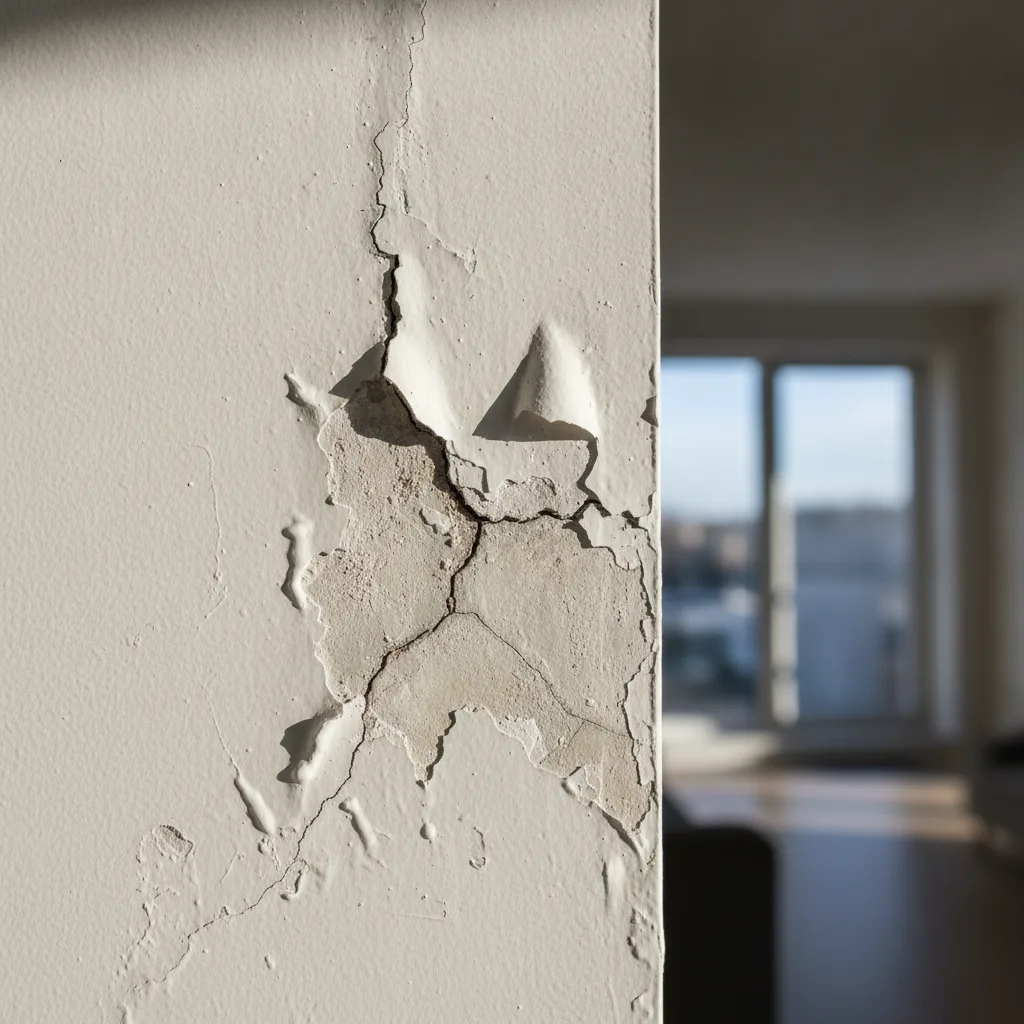
Here are the key steps to take:
- Ask Your Real Estate Agent: Experienced agents who work in markets like Houston are very familiar with this rule. They can pull the property's history through the Multiple Listing Service (MLS) or other professional tools to see recent sales records.
- Review the Title Report: When you go under contract, a title company will conduct a title search. This report will show a clear chain of ownership, including the exact date the current seller's deed was recorded. This is the official date used for the 90-day calculation.
- Check County Records: Property ownership is public record. You can often search the Harris County Appraisal District or County Clerk's office online for recent deed transfers. Look for the 'recording date' of the most recent sale to determine when the 90-day clock started.
Being proactive can save you the cost of an appraisal and inspection on a property you cannot yet purchase with an FHA loan.
Are There Exceptions to the 90-Day Ownership Requirement?
Yes, the FHA recognizes that not all quick resales are predatory flips. The guidelines provide several specific and important exceptions to the 90-day rule. If the property you want to buy falls into one of these categories, you may be able to proceed with your FHA loan without waiting.
Key exceptions include:
- Properties acquired by an employer or relocation agency in connection with the relocation of an employee.
- Resales by HUD of its Real Estate Owned (REO) properties.
- Sales by other U.S. government agencies of single-family properties.
- Sales by nonprofits that have been approved to purchase and resell HUD REO properties.
- Sales of properties located in a Presidentially Declared Major Disaster Area (PDMDA), if a waiver has been issued by HUD.
- Properties acquired by the seller through inheritance.
- Sales by state and federally chartered financial institutions and Government-Sponsored Enterprises (GSEs) like Fannie Mae and Freddie Mac.
If the seller claims an exception applies, they must provide clear documentation to your lender to prove it. For example, an inherited property would require legal documents like a will or probate court order.
Options If the Pasadena Seller Is Inside the 90-Day Window
Discovering that your dream home in Pasadena is within the 90-day window can be disheartening, but it doesn't always mean the deal is off. You have several strategic options to consider:
- Wait It Out: This is the most common and simplest solution. You and the seller must wait to sign the purchase agreement until on or after the 91st day of the seller's ownership. This locks in the price and terms while satisfying FHA requirements. A savvy real estate agent can help structure the timeline to protect both parties during the waiting period.
- Switch Your Loan Program: The 90-day flip rule is exclusive to FHA loans. It does not apply to Conventional, VA, or USDA loans. If you can qualify for another type of mortgage, you can proceed with the purchase immediately. This may require a higher credit score or down payment, but it avoids any delay.
- Verify an Exception: Double-check with the seller if their situation qualifies for one of the official FHA exceptions. They may not be aware that their ownership, for example as a resale from a government agency, makes the property exempt from the rule.
Does This Rule Apply to Conventional or VA Home Loans?
No, this is a critical distinction. The 90-day flip rule is an FHA-only regulation.
- Conventional Loans: Backed by Fannie Mae and Freddie Mac, conventional loans do not have a 90-day flip rule. However, they have their own strict appraisal requirements. If a property is being resold quickly with a large price increase, the appraiser will be required to analyze the recent sale and justify the new value with detailed commentary on the renovations and market conditions. Lenders may also have their own 'overlays' or internal rules for flipped properties, but there is no industry-wide 90-day ban. (The data, information, or policy mentioned here may vary over time.)
- VA Loans: The Department of Veterans Affairs (VA) does not enforce a 90-day flip rule. Similar to conventional loans, the VA's primary concern is that the property's value is supported by the appraisal and that it meets the VA's Minimum Property Requirements (MPRs).
This is why switching loan types is a viable strategy if you are facing a timeline issue with an FHA loan.
How Does a Second Appraisal Work for Price Increases?
Closely related to the 90-day rule is the FHA's rule for flips that occur between 91 and 180 days. If a property is being resold within this timeframe and the new sales price is 100% or more than what the seller paid, the FHA requires a second, independent appraisal.
Example Scenario:
- Seller's Purchase Price: $150,000
- Your Contract Price (120 days later): $310,000
- Price Increase: $160,000 (over 100% increase)
In this case, your lender must:
- Order a second appraisal from a completely different, independent appraiser.
- The second appraisal must confirm that the value increase is justified by the renovations completed and the current market conditions.
- The borrower may not be charged for the cost of this second appraisal; the lender or seller typically covers it.
If the second appraisal comes in low and does not support the high contract price, the loan may not be approved unless the price is renegotiated down to the appraised value.
Can We Just Wait Until Day 91 to Close the Deal?
Yes, absolutely. This is the most practical and frequently used strategy for homebuyers using an FHA loan who want to purchase a recently flipped home. The key is in how you structure the purchase agreement.
It is crucial to understand that the FHA's timeline is based on the date you execute the sales contract, not the closing date. To comply, you must wait until the 91st day of the seller's ownership before you and the seller sign the purchase agreement.
For instance, if the seller's deed was recorded on June 1st, the 91st day would be August 31st. You cannot sign a legally binding contract on August 15th with a closing date of September 1st. You must wait until August 31st or later to sign the initial contract. A properly informed real estate agent can write the contract with these specific dates in mind, ensuring a smooth process once the waiting period is over and your FHA application can proceed without issue. Navigating FHA rules like the 90-day flip rule requires careful timing and expert advice. If you're unsure about a property's eligibility in Houston, working with a mortgage specialist can help you structure the contract correctly and explore all your loan options to secure your new home without delays.
Navigating the complexities of FHA loans and flip rules can be challenging. If you're ready to move forward with a home purchase but need guidance on the right mortgage, our experts are here to help. Apply now to get personalized advice and explore your financing options.
Author Bio
David Ghazaryan is the expert mortgage strategist and founder behind iQRATE Mortgages. With a mission to fund home loans that traditional banks won't touch, David specializes in helping clients with unique financial situations, including those recovering from foreclosure or bankruptcy. He expertly crafts smart, strategic, and stress-free mortgages by leveraging a vast network of over 100 lenders to secure competitive rates for investors and homebuyers alike. Praised for exceptional customer service, David has helped hundreds of families with a 97% satisfaction rate, guiding them to the mortgage they deserve.
References
FHA Single Family Housing Policy Handbook (HUD Handbook 4000.1)









