


What Makes a Luxury Condo in Miami Non-Warrantable?
You’ve found the perfect high-rise condo with ocean views in Miami or a luxury retreat in Naples, secured a purchase agreement, and applied for a jumbo loan. Then, the call comes: the loan is denied not because of your finances, but because the condo project itself is 'non-warrantable'. This is a common and frustrating roadblock in Florida's competitive condo market.
A 'warrantable' condo project meets a strict set of guidelines established by secondary market investors like Fannie Mae and Freddie Mac. Lenders who want to sell their loans to these entities must ensure the condo projects they finance are deemed stable and low-risk. A project that fails to meet one or more of these specific criteria is classified as non-warrantable.
Here are the most common reasons a luxury condo building in cities like Miami or Fort Lauderdale becomes non-warrantable:
- High Investor Concentration: If more than 50% of the units are owned by investors who rent them out rather than occupying them, the project is typically non-warrantable. Lenders believe owner-occupants have a greater vested interest in maintaining the property's value and financial health.
- Single Entity Ownership: The project is ineligible if a single person or entity owns more than 10% of the total units in the building. This rule is designed to prevent one owner from having too much control over the homeowners association (HOA).
- Pending Litigation: If the HOA is involved in significant or 'material' litigation, most conventional lenders will not approve a loan. This could be a lawsuit against the developer for construction defects or a major personal injury lawsuit on the property.
- Incomplete or New Construction: A newly constructed building is non-warrantable until a certain percentage of units (often 90%) have been sold and closed.
- High Commercial Use: If more than 35% of the building's total square footage is used for commercial purposes (retail, offices), it can be flagged as non-warrantable.
- Insufficient HOA Reserves: Lenders want to see a healthy HOA budget with at least 10% of annual income allocated to a reserve fund for future repairs and capital improvements.

Why Traditional Lenders Refuse Jumbo Loans on These Properties
The primary reason most banks and traditional mortgage lenders refuse to finance non-warrantable condos is risk and liquidity. Their business model relies heavily on the ability to sell the loans they originate on the secondary mortgage market to entities like Fannie Mae and Freddie Mac. This process frees up their capital, allowing them to lend to more borrowers.
Since non-warrantable condo projects don't meet the strict criteria set by these government-sponsored enterprises, the loans associated with them cannot be sold. This forces the lender to keep the loan on its own books for the entire term, which ties up a significant amount of capital and exposes them to concentrated risk. A jumbo loan, which already exceeds the conforming loan limits, represents an even larger financial commitment for the lender to hold.
For a traditional lender, a non-warrantable jumbo loan in a bustling market like Miami represents a non-standard, illiquid asset. Rather than create a special set of underwriting rules for these one-off situations, it's simpler and safer for them to just deny the application and focus on loans that fit neatly into the conventional 'box'.
The Portfolio Loan Solution for Your Naples Condo
When the conventional path is closed, a portfolio loan is the key to unlocking financing for your non-warrantable condo. This is a specialized loan product that a bank or financial institution chooses to keep on its own balance sheet, or 'in its portfolio', for the life of the loan.
What is a Portfolio Loan?
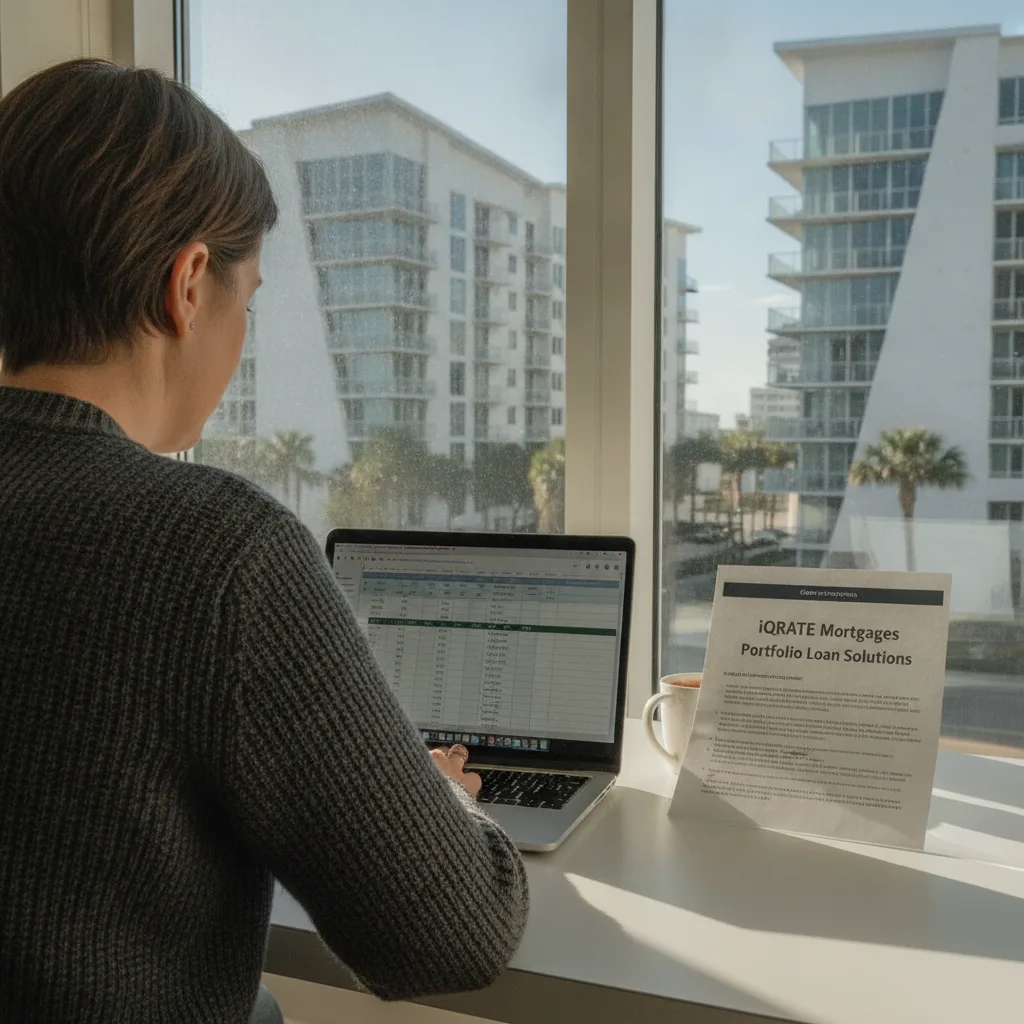
Because the lender isn't planning to sell the loan, it is not bound by the rigid guidelines of Fannie Mae or Freddie Mac. This gives the portfolio lender the freedom to create its own underwriting criteria. They can evaluate the entire loan scenario—including the borrower's financial strength, the property itself, and the specifics of the condo project—based on their own risk tolerance. They perform a common-sense assessment rather than just checking boxes on a standardized form.
How a Portfolio Loan Differs from a Conventional Jumbo Loan
While both are large loans, their structures and requirements are fundamentally different:
- Underwriting Flexibility: A conventional jumbo underwriter's primary job is to ensure the loan file meets every single guideline for saleability. A portfolio underwriter has the discretion to approve a loan on a non-warrantable building if they determine the risk is acceptable, often placing more weight on the borrower's credit history and assets.
- Condo Project Scrutiny: Instead of a simple pass/fail on the warrantability checklist, a portfolio lender will conduct a deeper dive into why the project is non-warrantable. For example, if the issue is pending litigation, they will analyze the nature of the lawsuit to determine its actual financial risk to the HOA. If it’s minor, they may proceed.
- Lender Relationship: Portfolio loans are often offered by smaller community banks, credit unions, and specialized mortgage brokers who have deep knowledge of the local real estate market in places like Naples and understand the nuances of its condo developments.
Rates and Down Payments for Non-Warrantable Condo Loans
Because the lender is assuming more risk by holding the loan, the terms for a portfolio loan on a non-warrantable condo are typically more conservative than a standard jumbo loan.
Are Interest Rates Higher?
Yes, you should expect a slightly higher interest rate. This 'rate premium' compensates the lender for the increased risk and lack of liquidity. For example, if a conventional 30-year fixed jumbo loan is available at 6.75%, a portfolio loan for a non-warrantable condo in Fort Lauderdale might be priced between 7.125% and 7.5%. (The data, information, or policy mentioned here may vary over time.) The exact rate depends on your credit score, the size of your down payment, and the specific lender's pricing.
What About the Down Payment in Naples?
The down payment requirement is almost always higher. While some conventional jumbo loans can be secured with as little as 10% or 20% down, portfolio lenders mitigate their risk by requiring more 'skin in the game' from the borrower.
Be prepared for a down payment requirement of at least 25%. (The data, information, or policy mentioned here may vary over time.) In some cases, especially for properties with multiple risk factors, the lender may ask for as much as 30% or 40% down. This larger equity position gives the lender a substantial cushion if the property value declines.
Can I Still Get a Thirty-Year Fixed Rate?
It is possible to get a 30-year fixed-rate mortgage for a non-warrantable condo, but they are less common and harder to find. (The data, information, or policy mentioned here may vary over time.) Many portfolio lenders prefer to limit their long-term interest rate risk.
More frequently, you will be offered an Adjustable-Rate Mortgage (ARM). Common ARM products for these loans include:
- 5/1 or 5/6 ARM: A fixed rate for the first five years, after which the rate adjusts annually or semi-annually.
- 7/1 or 7/6 ARM: A fixed rate for the first seven years before adjustments begin.
- 10/1 or 10/6 ARM: A fixed rate for the first ten years.
Some lenders may also offer shorter fixed-rate terms, such as a 15-year or 20-year fixed mortgage. The availability of a 30-year fixed product depends entirely on the specific lender's appetite for that type of long-term risk.
Essential HOA Documents for Your Lender
To perform their detailed risk assessment, the portfolio lender will need a comprehensive package of documents from the condo's homeowners association. Whether you're buying in a high-rise in Miami or a boutique building in Naples, gathering these items quickly is crucial for a smooth closing. Your lender will need:
- A Completed Condo Questionnaire: This is the lender's proprietary form that asks detailed questions about the project's finances, ownership, insurance, and litigation status.
- The Current HOA Budget: This shows the project's income and expenses and confirms that at least 10% is being set aside for reserves.
- HOA Financial Statements: Recent balance sheets and income statements to prove the association is financially solvent.
- Recent HOA Meeting Minutes: Lenders review minutes from the last 6-12 months to identify any discussions of special assessments, major repairs, or ongoing resident issues.
- Details of Any Litigation: If there is pending litigation, the lender will need a summary from the HOA's attorney explaining the nature of the case and the potential financial exposure.
- The HOA's Master Insurance Policy: This proves the building is adequately insured against hazards.
How This Financing Affects Future Refinancing
Securing a portfolio loan is an excellent solution, but it's important to understand the long-term implications. Your ability to refinance in the future depends heavily on the condo project's status.
If the issue that made the condo non-warrantable is resolved—for example, a lawsuit is settled, or the investor concentration drops below 50%—the project may become 'warrantable'. If this happens, you can refinance out of your portfolio loan and into a standard, conventional jumbo loan, likely securing a lower interest rate and better terms.
However, if the project remains non-warrantable, you will face the same challenge when you try to refinance. You will need to find another portfolio lender willing to offer non-warrantable condo financing. While the market for these loans exists, your options will always be more limited and potentially more expensive than the conventional mortgage market. This is a critical factor to consider in your long-term homeownership strategy. Navigating non-warrantable condo financing in Florida requires expertise. If you're considering a luxury condo in Miami, Naples, or anywhere in between, working with a mortgage specialist who has established relationships with a network of portfolio lenders is the most effective way to secure financing for your property.
Don't let a 'non-warrantable' label stand between you and your dream Florida condo. Our experts specialize in portfolio loans for unique properties. Ready to find your solution? Apply now to begin the conversation.
Author Bio
David Ghazaryan is the expert mortgage strategist and founder behind iQRATE Mortgages. With a mission to fund home loans that traditional banks won't touch, David specializes in helping clients with unique financial situations, including those recovering from foreclosure or bankruptcy. He expertly crafts smart, strategic, and stress-free mortgages by leveraging a vast network of over 100 lenders to secure competitive rates for investors and homebuyers alike. Praised for exceptional customer service, David has helped hundreds of families with a 97% satisfaction rate, guiding them to the mortgage they deserve.
References
Fannie Mae Condominium Project Standards









