


What are Veteran Affairs Minimum Property Requirements in Texas?
The Veteran Affairs (VA) loan program isn't just about providing financial backing; it's also about protecting veterans from purchasing homes that are unsafe or unsound. To accomplish this, every home financed with a VA loan must meet a set of standards known as Minimum Property Requirements, or MPRs. These national standards apply everywhere, from the bustling streets of Houston to the suburbs of Dallas.
Think of MPRs as a checklist for the home’s fundamental livability. The appraiser is not just determining the home's market value; they are also inspecting its condition to ensure it is 'safe, sound, and sanitary'.

Key areas covered by VA MPRs include:
- Structural Integrity: The foundation must be sound, and the home must be free from significant defects like large cracks or water damage.
- Safe Utilities: Electrical, plumbing, and heating systems must be functional, safe, and have a reasonable future lifespan. A home in San Antonio without a reliable heating source, for instance, would fail.
- Safe Access: The property must have safe and adequate access from a public or private street.
- Water and Sanitation: The home must have a safe water supply, a water heater, and a sanitary sewage disposal system.
- Roofing: The roof must be in good condition and prevent moisture from entering the home. It should have a reasonable amount of life left.
- Hazard-Free Environment: The property must be free of hazards like lead-based paint, asbestos, contaminated soil, or significant pest infestations.
Why did my San Antonio home fail the Veteran Affairs appraisal?
Receiving the news that your chosen home in San Antonio failed its VA appraisal can be disheartening. The failure is almost always tied to a specific violation of the Minimum Property Requirements. The VA appraiser is required to note any condition that does not meet the standards on the appraisal report, officially called a 'Notice of Value' (NOV).
Here are some of the most common reasons a home fails a VA appraisal:
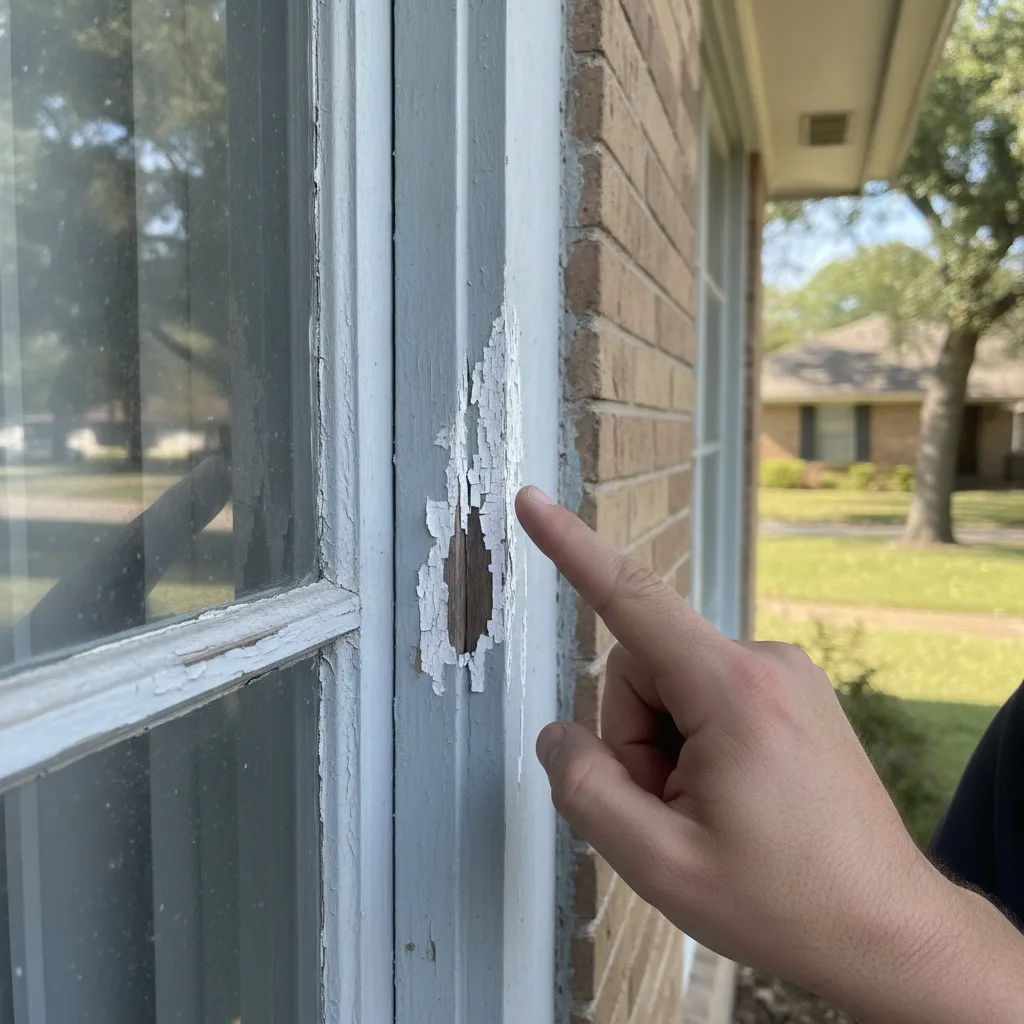
- Peeling or Chipping Paint: In homes built before 1978, this is a major red flag due to the potential for lead-based paint. All loose paint must be scraped and repainted.
- Defective Roofing: A leaky or worn-out roof is a non-starter. The appraiser will look for missing shingles, soft spots, and evidence of water intrusion in the attic.
- Broken or Unsafe Mechanicals: A non-functional HVAC system, faulty electrical wiring (like exposed or frayed wires), or leaking plumbing pipes are immediate failures.
- Water Damage or Rot: Any signs of wood rot on siding, window frames, or structural members must be repaired. This often points to larger moisture issues.
- Inadequate Drainage: The property must have proper grading to ensure water flows away from the foundation, preventing moisture problems.
- Unsafe Stairways or Handrails: Broken steps or missing handrails on staircases, both interior and exterior, are considered safety hazards that require correction.
If the appraisal for your potential San Antonio home comes back 'subject to' repairs, it means the loan cannot close until those specific issues are fixed and reinspected by the appraiser.
Can the seller make the required repairs before closing?
Yes, and this is the most common and successful path forward. Once you receive the Notice of Value detailing the required repairs, the negotiation process begins. Your real estate agent will present the list of MPR-related repairs to the seller.
Most sellers are motivated to make these repairs to save the deal. Here’s how the process typically works:
- Negotiation: You and the seller agree on who will pay for the repairs. In a buyer's market, sellers are more likely to cover all costs. In a competitive market like Austin, you might have to negotiate splitting the costs, though sellers often cover VA-mandated repairs.
- Repairs Completed: The seller hires qualified contractors to complete the work exactly as specified in the appraisal report.
- Re-inspection: Once the work is done, the original VA appraiser is called back to the property for a re-inspection. They will verify that all required repairs have been completed to standard.
- Updated Appraisal: If the repairs are satisfactory, the appraiser issues an updated report clearing the condition. Your lender can then move forward with the final loan approval and closing.
Example: Let's say a home in Houston is under contract for $350,000. The VA appraisal notes that the water heater is not working and there is wood rot on a back porch. The estimated repair cost is $3,000. The seller agrees to pay for the repairs, hires a plumber and a carpenter, and provides receipts. The appraiser returns, verifies the new water heater and repaired porch, and the loan proceeds to closing.
How do I request a Reconsideration of Value from Veteran Affairs?
It is critical to understand the difference between a home failing for MPR violations and the appraisal value coming in lower than the sales price. A Reconsideration of Value (ROV) is a formal process to challenge the appraiser’s opinion of value, not the required repairs.
You cannot use an ROV to argue that peeling paint is acceptable. You can only use it if you and your agent believe the appraiser missed key information and undervalued the property.
To request an ROV, your lender must submit the request on your behalf. You cannot contact the VA or the appraiser directly. Strong evidence is required:
- Better Comparable Sales: You must provide at least three recent, relevant comparable home sales (comps) that the appraiser did not use. These comps must be superior to the ones in the original report and justify a higher value.
- Factual Errors: Point out any clear mistakes in the appraisal report, such as an incorrect square footage, wrong number of bedrooms, or overlooking a significant feature like a brand-new kitchen.
An ROV is not a guarantee of a higher value and can be difficult to win. It should only be pursued when you have compelling, objective evidence to support your case.
What happens to my earnest money if the home fails inspection?
One of the greatest protections for veterans using a VA loan is the VA Amendatory Clause. This clause must be included in every VA sales contract and states that the veteran cannot be penalized if the home appraises for less than the agreed-upon purchase price.
This protection extends to MPR issues. If the appraisal requires repairs and you and the seller cannot reach an agreement to fix them, you can legally walk away from the contract. Because the home did not meet the conditions for VA financing, you are entitled to a full refund of your earnest money deposit.
This clause ensures you are not forced to buy a home that is unsafe or to pay more than its fair market value, protecting both you and your investment.
Should I switch to a different type of home loan now?
If you're unable to resolve the VA appraisal issues, switching loan types is an option, but it comes with significant considerations. It essentially means starting the entire mortgage process over from scratch.
- Switching to a Conventional or FHA Loan: If the required repairs are minor, a conventional or FHA loan might be an option. However, these programs also have their own appraisal standards that may flag the same issues. An FHA appraisal, for example, is also very strict about safety and structural integrity.
- Using a Renovation Loan: For properties needing more extensive work, an FHA 203(k) or Fannie Mae HomeStyle® loan could be a solution. These products allow you to finance the purchase of the home and the cost of the repairs into a single mortgage. This is a powerful tool but involves a more complex process with contractor bids and inspections.
Pros of Switching:
- Potentially salvages the purchase of a home you love.
- Renovation loans provide the funds to make the needed repairs.
Cons of Switching:
- You lose the benefits of your VA loan, including the potential for no down payment and no monthly mortgage insurance.
- The loan process restarts, causing significant delays to your closing date.
- You will have to pay for a new appraisal for the new loan type.
Can I finance the repair costs into my home loan?
Financing repair costs directly into a standard VA purchase loan is generally not possible. The VA loan amount is based on the home's current appraised value, not its potential value after repairs.
However, the VA does offer a VA Renovation Loan. This specialized product allows you to roll the cost of repairs and improvements into your mortgage. It functions similarly to an FHA 203(k) loan but retains the benefits of a VA loan. These loans are less common and not all lenders offer them, but they can be an excellent option if you find a home in a great Dallas neighborhood that needs some work to meet MPR standards. (The data, information, or policy mentioned here may vary over time.)
To use a VA Renovation Loan, you would need:
- To find a lender that offers the program.
- To get detailed bids from licensed contractors for the required work.
- An appraisal that estimates the home's value after the renovations are complete.
The loan amount would then be based on that future value.
How can I avoid appraisal issues on my next offer in Austin?
While you can never guarantee an appraisal will be perfect, you can take proactive steps to minimize the risk of MPR issues, especially in a competitive market like Austin.
- Work with a VA-Experienced Realtor: An agent who understands the VA process can help you spot potential MPR red flags before you even make an offer. They know what appraisers look for and can guide you toward well-maintained properties.
- Conduct a Thorough Walkthrough: When viewing homes, look for obvious warning signs: a visibly old roof, peeling exterior paint, water stains on ceilings, a very old furnace, or soft floors around toilets and tubs.
- Focus on 'Turnkey' Homes: Homes that have been recently updated or meticulously maintained are far less likely to have MPR issues than a fixer-upper or a neglected property.
- Consider a Pre-Offer Inspection: While it costs money, a full home inspection before you make an offer can uncover the exact same issues a VA appraiser would find, giving you leverage to negotiate or the knowledge to walk away early. A failed VA appraisal doesn't have to be the end of your homeownership journey. If you're facing this challenge, having an expert guide you through repair negotiations and financing options is crucial. Contact a mortgage professional who specializes in VA loans to explore your best path forward.
A failed VA appraisal doesn’t have to be a roadblock. Our VA loan specialists are here to guide you through repair negotiations and financing options. Ready to move forward with an expert on your side? Apply now to get started.
Author Bio
David Ghazaryan is the expert mortgage strategist and founder behind iQRATE Mortgages. With a mission to fund home loans that traditional banks won't touch, David specializes in helping clients with unique financial situations, including those recovering from foreclosure or bankruptcy. He expertly crafts smart, strategic, and stress-free mortgages by leveraging a vast network of over 100 lenders to secure competitive rates for investors and homebuyers alike. Praised for exceptional customer service, David has helped hundreds of families with a 97% satisfaction rate, guiding them to the mortgage they deserve.
References
VA Minimum Property Requirements









