


What is the difference between a Loan Estimate and a Closing Disclosure in Reno?
Think of your mortgage documents as a journey. The Loan Estimate (LE) is the map you get at the beginning. It’s a standardized three-page form you receive within three days of applying for a mortgage. Its purpose is to give you a clear, good-faith estimate of your loan terms and closing costs. It allows you to comparison shop between lenders effectively. However, some figures on the LE, particularly those related to third-party services and prepaid accounts, are projections.
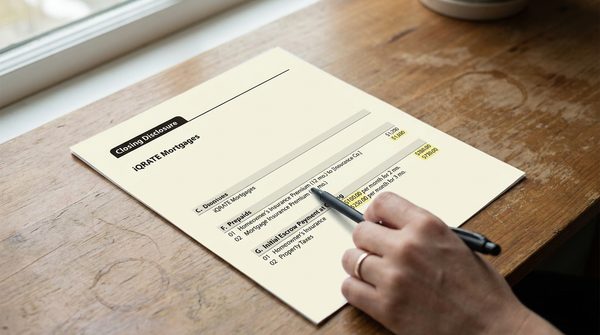
The Closing Disclosure (CD) is your final destination. You receive this five-page document at least three business days before your scheduled closing. This is the official, final breakdown of your loan terms, closing costs, and the exact amount of money you need to bring to the closing table—your 'cash-to-close'. The three-day review period is a mandatory consumer protection rule, giving you time to compare the CD to your LE, ask questions, and resolve any discrepancies.
For a homebuyer in Reno, the LE might estimate annual property taxes based on a general county rate, but the CD will reflect the precise prorated amount for that specific property based on your closing date.
Which closing costs are legally allowed to increase before my closing in Sparks?
Federal regulations under the TILA-RESPA Integrated Disclosure (TRID) rule categorize closing costs into three 'tolerance' buckets. This protects you from last-minute bait-and-switch tactics and sets clear expectations for which fees can change.
Costs That Cannot Increase (Zero Tolerance)
These fees are locked in and cannot change from your Loan Estimate to your Closing Disclosure without a valid 'changed circumstance'.
- Lender or broker fees, such as origination charges or application fees.
- Fees for services from an affiliate of the lender.
- Transfer taxes (government fees for transferring the property title).
- The cost of any third-party service for which the lender requires the use of a particular provider.
Costs That Can Increase by a Maximum of 10% (Limited Tolerance)
This category applies to third-party services that the lender requires and for which they provide a list of approved vendors. The total sum of these fees cannot increase by more than 10% from the LE to the CD.
- Recording fees paid to the Washoe County Recorder's office.
- Fees for services you could shop for, but chose from the lender’s recommended list, like a title insurance company or pest inspection service in Sparks.
Costs That Can Increase Without Limit (Unlimited Tolerance)
This is where most of the 'cash-to-close shock' comes from. These costs are not controlled by the lender and are subject to change.
- Prepaid interest, which depends on your exact closing date.
- Property insurance premiums (homeowners insurance), as you shop for and choose your own provider.
- Initial escrow account deposits for property taxes and insurance.
- Fees for third-party services you shopped for on your own and were not on the lender's list.
- Fees that change due to a valid 'changed circumstance,' such as a change in your loan amount or a lower-than-expected appraisal.

How are property tax and homeowners insurance prorations calculated?
Proration is the process of dividing property expenses between the buyer and seller at closing. The goal is to ensure each party only pays for the days they officially own the home.
Let’s use a realistic example for a home closing in Reno, Nevada, on November 15th. In Washoe County, property taxes are paid in quarterly installments.
- Property's Annual Tax Bill: $3,600 ($300 per month or about $9.86 per day).
- Closing Date: November 15th.
- Tax Period: The seller has already paid the tax installment that covers the period through December 31st.
Since you (the buyer) will own the home from November 15th through December 31st, you must reimburse the seller for the taxes they prepaid for that time.
Calculation:
- Count the days from November 15th to December 31st. This is 47 days (16 in Nov + 31 in Dec).
- Multiply the number of days by the daily tax rate: 47 days x $9.86/day = $463.42.
At closing, you will credit the seller $463.42 for the prepaid property taxes. This amount will be added to your cash-to-close figure on the Closing Disclosure.
What are 'prepaids' and why do they make up a large portion of my cash-to-close?
'Prepaids' are not technically closing costs; they are your own expenses paid in advance at the closing table. They are required by the lender to set up your escrow account (also called an impound account). This account is used by your lender to pay your future property tax and homeowners insurance bills on your behalf.
Your prepaids typically include:
- Homeowners Insurance: You will pay for a full year's premium upfront. If your annual policy is $1,200, that entire amount is due at closing.
- Property Taxes: The lender needs to establish a cushion in your escrow account. They will typically collect two to three months of property taxes at closing. (The data, information, or policy mentioned here may vary over time.) Using our example above ($300/month), this would add another $600 to $900 to your cash-to-close.
- Per-Diem Mortgage Interest: You prepay the interest on your loan from the day of closing through the end of that month. If you close on November 15th, you'll pay for 16 days of interest. Your first official mortgage payment won't be due until January 1st.
These three items combined can easily add thousands of dollars to your final total, which is often the primary reason your final number is higher than the initial estimate.
Can I use seller credits or gift funds to cover these unexpected costs?
Yes, absolutely. Seller credits and gift funds are common ways to manage closing costs, especially when the final cash-to-close is higher than anticipated.
- Seller Credits: This is a specific dollar amount that the seller agrees to contribute toward your closing costs. For example, if you negotiate for the seller to pay $5,000 toward your costs, this amount is deducted from your total cash-to-close on the Closing Disclosure. Lenders typically require these funds to be applied to non-recurring closing costs (like title fees or origination fees) first before they can be used for prepaids. (The data, information, or policy mentioned here may vary over time.)
- Gift Funds: Most loan programs (Conventional, FHA, VA) allow you to use funds gifted from a close relative to cover your down payment and closing costs. You must provide a 'gift letter' signed by the donor stating the money is a true gift with no expectation of repayment, along with documentation showing the transfer of funds.
For a home purchase in Sparks, if your final cash-to-close is $15,000 and you have a $6,000 seller credit, your new out-of-pocket expense is $9,000.
What questions should I ask my loan officer about the final numbers?
When you receive your Closing Disclosure, don't hesitate to ask for clarification. A good loan officer expects your questions and will be happy to provide answers. Here are the key questions to ask:
- 'Can you please walk me through the 'Comparing Loan Estimate and Closing Disclosure Costs' table on page 3 of my CD?'
- 'Why did my estimated cash-to-close increase from the LE? Can you point to the specific line items that changed?'
- 'How many months of property taxes and homeowners insurance are being collected for my initial escrow deposit?'
- 'Can you confirm the per-diem interest calculation is correct based on my closing date?'
- 'I see the seller credit listed. Is it applied correctly to my total costs?'
How can I get a more accurate estimate of my cash-to-close earlier in the process?
While the Loan Estimate is designed to be an estimate, you can take steps to make it more accurate from the start.
- Shop for Homeowners Insurance Early: As soon as you have a property under contract, get quotes for homeowners insurance. Provide your chosen policy's 'declarations page' to your lender. This replaces the lender's estimate with a hard number, eliminating a major variable.
- Discuss Your Closing Date: The day you close affects your prepaid interest and tax prorations. Ask your loan officer to run a scenario based on your target closing date to get a more precise figure.
- Ask for a Detailed Fee Worksheet: Before you get the official LE, ask for an itemized fee sheet. This can provide more detail and context than the standardized form.
What are the most common reasons for a last-minute increase in closing costs?
To summarize, the surprise jump in your cash-to-close figure almost always comes down to a few key areas:
- Initial Escrow Account Funding: This is the number one reason. The collection of a full year's insurance premium plus several months of property taxes significantly increases the final amount due.
- Property Tax Prorations: The actual reimbursement owed to the seller is often calculated late in the process once the title company has the final figures.
- Changes to the Loan: If you decide to buy down your interest rate by paying 'points' or change your loan program, your costs will adjust accordingly.
- Underestimated Third-Party Fees: Sometimes the initial estimate for a service you shop for, like title insurance, is lower than the actual cost from the vendor you choose. Feeling overwhelmed by the numbers? A transparent mortgage strategist can break down your Closing Disclosure line by line, ensuring you close with confidence. Reach out for a clear explanation of your true cash-to-close.
Understanding the numbers is key to a confident home purchase. When you're ready to see what your own Loan Estimate could look like for a property in Reno or Sparks, start a conversation with our team. Apply now to get a clear, transparent breakdown and begin your journey.
Author Bio
David Ghazaryan is the expert mortgage strategist and founder behind iQRATE Mortgages. With a mission to fund home loans that traditional banks won't touch, David specializes in helping clients with unique financial situations, including those recovering from foreclosure or bankruptcy. He expertly crafts smart, strategic, and stress-free mortgages by leveraging a vast network of over 100 lenders to secure competitive rates for investors and homebuyers alike. Praised for exceptional customer service, David has helped hundreds of families with a 97% satisfaction rate, guiding them to the mortgage they deserve.
References
CFPB - What is a Closing Disclosure?









