


The IRRRL Paradox: How a Lower Rate Leads to a Higher Miami Payment
You completed a VA Interest Rate Reduction Refinance Loan (IRRRL) to take advantage of lower interest rates. The goal was simple: reduce your monthly mortgage payment. You signed the paperwork, saw the new, lower interest rate, and felt a sense of financial relief. Then, the first bill for your newly refinanced Miami home arrived, and your jaw dropped. The total payment was higher than before. How is this possible?
The answer lies in understanding the two distinct parts of your mortgage payment: P+I and T+I. Your total payment is often referred to as PITI: Principal, Interest, Taxes, and Insurance.
- Principal and Interest (P+I): This is the portion of your payment that goes directly toward paying off your loan balance and the interest accrued. The VA IRRRL program is specifically designed to reduce the interest part of this equation, which successfully lowers your P+I payment.
- Taxes and Insurance (T+I): This portion of your payment is held by your lender in a special savings account called an escrow account (or impound account). The lender uses these funds to pay your property tax bills and homeowners insurance premiums on your behalf when they come due. This amount is not affected by your interest rate.
The paradox occurs when a significant increase in your T+I overshadows the savings you gained on your P+I. The IRRRL process acts as a catalyst, forcing your lender to perform a mandatory escrow analysis, which brings any existing shortages to light.
A Real-World Example in Miami
Let's imagine a veteran homeowner in Miami with the following mortgage payment before refinancing:
- Original Loan Balance: '$400,000'
- Original Interest Rate: '5.5%'
- Monthly P+I: '$2,271'
- Monthly Escrow (Taxes & Insurance): '$800'
- Total Original Monthly Payment: '$3,071'
They complete a VA IRRRL and secure a new, lower interest rate.
- New Interest Rate: '4.5%'
- New Monthly P+I: '$2,027' (a savings of $244 per month)
However, during the refinance, the lender conducts an escrow analysis. They discover that due to soaring property values and insurance premiums in Miami-Dade County, the annual cost for taxes and insurance has jumped from '$9,600' ('$800' x 12) to '$12,000' ('$1,000' x 12). The account is now underfunded. The new escrow payment must not only cover the new, higher costs but also make up for the previous year's shortfall.
- New Monthly Escrow (to cover future costs): '$1,000'
- Monthly Shortage Repayment (e.g., a '$1,200' shortage spread over 12 months): '$100'
- Total New Escrow Payment: '$1,100'
Now let's calculate the new total payment:
- New P+I: '$2,027'
- New Escrow Payment: '$1,100'
- Total New Monthly Payment: '$3,127'
Despite lowering the interest rate and saving '$244' on principal and interest, the homeowner's total payment increased by '$56' per month. This is the escrow shock that catches so many Florida veterans by surprise. (The data, information, or policy mentioned here may vary over time.)
What Exactly Is an Escrow Account Shortage?
Think of your escrow account as a managed savings account that your mortgage servicer maintains for you. Each month, a piece of your total payment is deposited into it. When your property tax bill or homeowners insurance premium is due, the servicer withdraws the funds and pays the bill for you. It’s a convenient system designed to ensure these critical bills are paid on time, protecting both you and the lender.
A shortage occurs when the amount of money in the escrow account is insufficient to cover the actual costs of taxes and insurance. This happens because the lender estimates your future escrow needs based on the previous year's data. If those costs rise unexpectedly, the account becomes underfunded.
Lenders are required by the Real Estate Settlement Procedures Act (RESPA) to perform an escrow analysis at least once a year. However, a refinance always triggers a new analysis. During this process, the lender:
- Reviews Past Disbursements: They look at what was actually paid out for taxes and insurance over the last 12 months.
- Projects Future Costs: They contact the local tax authority and your insurance provider to get the most up to date figures for the upcoming year.
- Calculates the Difference: If they paid out more than you contributed, the difference is the escrow shortage.
This shortage is a debt you owe to the lender because they covered the higher-than-expected bills for you. They will require you to pay it back.
Why South Florida Property Taxes and Insurance Are Skyrocketing
The root cause of most post-IRRRL payment shock in places like Fort Lauderdale and Miami is the dramatic and rapid increase in the two key components of escrow: property taxes and homeowners insurance.
Aggressive Property Value Appreciation
South Florida's real estate market has seen intense appreciation. While great for equity, this directly impacts your tax bill. County property appraisers reassess home values annually. A higher assessed value results in a higher property tax liability, even if the tax millage rate stays the same. The booming market in cities like Fort Lauderdale means tax bills have been climbing steeply year after year, often outpacing the lender's initial escrow estimates.
The Florida Homeowners Insurance Crisis
This is the bigger and more volatile factor. Homeowners insurance premiums in Florida have become the highest in the nation. Several factors contribute to this crisis:
- Increased Hurricane Risk: A string of powerful and costly hurricanes has led to massive payouts by insurance companies.
- Inflation and Rebuilding Costs: The cost of labor and materials to repair or rebuild homes has surged, making each claim more expensive.
- Insurance Company Instability: Several national insurance carriers have either gone insolvent or pulled out of the Florida market entirely, reducing competition. The remaining carriers, including the state-backed Citizens Property Insurance, have been forced to implement drastic rate hikes to remain solvent.
For many homeowners in Broward and Miami-Dade counties, it's not uncommon to see insurance premiums double in a single year. This alone can create a multi-thousand-dollar escrow shortage. (The data, information, or policy mentioned here may vary over time.)
The VA IRRRL Program and Your Escrow Account
It is critical to understand that the VA IRRRL program has no control over your escrow account. The VA's guidelines for an IRRRL are focused on reducing the veteran's interest rate and principal and interest payment. The program itself does not dictate how a lender calculates or manages your property taxes and insurance.
Your lender's handling of the escrow account is governed by federal law, primarily RESPA. The refinance, whether it's a VA IRRRL or any other type of loan, is simply the event that forces the lender to reconcile the account. They must ensure the escrow account is properly funded to pay the projected future bills. The IRRRL didn't cause the shortage; it just revealed it.
How to Identify an Escrow Shortage After Your Refinance
Your lender is required to be transparent about these changes. The first place to look for evidence of an escrow shortage is on your Closing Disclosure (CD), which you receive a few days before you finalize the refinance. Look for a section detailing the initial escrow payment at closing. A large number here is the first clue.

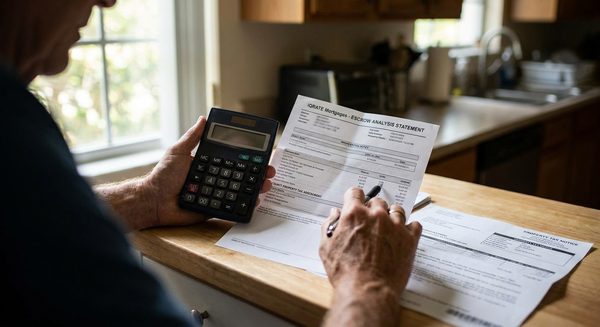
After you close, your new mortgage servicer will send you a New Escrow Statement or an Escrow Analysis Statement. This document provides a detailed breakdown:
- Previous Year's Activity: It will show what was projected versus what was actually paid.
- Shortage/Surplus Calculation: It will have a clear line item stating the exact amount of the shortage or surplus.
- New Payment Calculation: It will detail exactly how your new monthly payment was determined, showing the new P+I, the new monthly escrow deposit for upcoming bills, and the amount being added to recoup the shortage.
If you see that the 'Total Escrow Payment' portion of your monthly bill has increased significantly, a shortage is the reason.
Your Options for Managing a Large Escrow Shortage
When faced with a shortage, your lender will typically give you two primary options to resolve it. They must legally present these choices to you.
- Pay the Shortage in a Lump Sum: You can write a check for the entire shortage amount. This is often the best choice if you have the available funds. By clearing the deficit at once, your new monthly payment will only reflect the new, higher T+I costs without the added burden of the shortage repayment. This results in the lowest possible monthly payment moving forward.
- Spread the Shortage Over 12 Months: This is the default option. The lender will divide the total shortage amount by 12 and add that figure to your monthly mortgage payment for the next year. For example, a '$2,400' shortage will increase your payment by '$200' per month ('$2,400' / 12). While more manageable than a lump sum, this is what causes the payment increase that surprises so many veterans.
In some cases, if the shortage is particularly large (more than one month's escrow payment), the lender may offer to spread the repayment over a longer term, up to 60 months, but this is less common. (The data, information, or policy mentioned here may vary over time.)
Can You Request a Proactive Escrow Analysis in Fort Lauderdale?
Yes, and you absolutely should. You do not have to wait for a refinance or your annual review to understand the health of your escrow account. You can contact your current mortgage servicer at any time and request a new escrow analysis.
Doing this before you start the VA IRRRL process is a powerful strategic move. It gives you a clear picture of any potential shortage and allows you to plan for it. You won't be surprised at the closing table. Knowing the exact figures helps you make an informed decision about whether the IRRRL still makes financial sense and how you will handle the shortage. This simple phone call can prevent months of financial stress and confusion. If you're facing a confusing payment increase after a VA IRRRL or want to plan ahead, understanding your escrow is key. Connect with a mortgage expert who can review your statement, explain the numbers in plain English, and clarify your best path forward.
Navigating the complexities of a VA IRRRL or any refinance can be challenging. If you're ready to get clear answers and see how a lower rate can truly benefit you, apply now to have an expert guide you through the process.
Author Bio
David Ghazaryan is the expert mortgage strategist and founder behind iQRATE Mortgages. With a mission to fund home loans that traditional banks won't touch, David specializes in helping clients with unique financial situations, including those recovering from foreclosure or bankruptcy. He expertly crafts smart, strategic, and stress-free mortgages by leveraging a vast network of over 100 lenders to secure competitive rates for investors and homebuyers alike. Praised for exceptional customer service, David has helped hundreds of families with a 97% satisfaction rate, guiding them to the mortgage they deserve.









