


Why Buying a Home from a Trust in Las Vegas is More Complicated
When you make an offer on a home, your lender needs to be certain the person selling it has the legal right to do so. With a traditional sale, this is simple; the owner's name is on the title. However, when a property is held in a trust, the trust is the legal owner, not the individual living there. This adds a crucial layer of verification for the mortgage underwriter.
The lender’s primary concern is ensuring a clean and insurable title. They must legally confirm that the trust is valid, that the person signing the sales contract (the trustee) has the authority to sell the asset, and that all terms of the trust agreement are being followed. Failure to verify these details could invalidate the sale, leaving the lender with a loan on a property they don't have a legitimate claim to. This careful legal review is what makes the process more complex than a standard transaction.
What Specific Trust Documents Does My Lender Need from the Seller?
To approve your loan for a trust-owned property, your lender will require a specific set of documents from the seller. It’s essential that your real estate agent requests these items as soon as an offer is accepted to avoid delays. The seller's side must provide them promptly.
- The Full Trust Agreement: This is the core legal document that created the trust. It outlines the trust's purpose, identifies the trustees and beneficiaries, and explicitly states the powers granted to the trustee, including the power to sell real estate.
- All Amendments to the Trust: Trusts can be changed over time. The lender needs to see every amendment to ensure the trustee's authority hasn't been modified or revoked.
- A Certificate of Trust (or Trust Certification): This is a summary document that provides the essential details of the trust without revealing private information about beneficiaries or assets. Lenders and title companies often accept this in place of the full trust agreement, but sometimes require both.
- Statement of Partnership or LLC Documents: If the trust is part of a larger business entity, the lender will need the organizing documents for that entity as well to confirm signing authority.
Who Has the Legal Authority to Sign the Purchase Contract for a Trust?
The only individual with the legal authority to sign a purchase contract and closing documents on behalf of a trust is the current, acting trustee. The trustee is the person or entity appointed in the trust agreement to manage the trust's assets.
It's a common mistake to assume the beneficiary or the person who created the trust (the grantor) can sign. If the grantor is also the trustee, they can sign, but they do so in their capacity as trustee. If there are multiple co-trustees, the trust agreement will specify if they must all sign or if one can sign on behalf of the others. The title company and your lender will scrutinize the trust agreement to verify the signer’s identity and authority. An incorrectly signed contract is invalid and will halt the entire mortgage process.
How Can I Verify the Trust's Legal Status Before Making an Offer?
While you can't perform a full legal audit before an offer, you can take steps to protect yourself. Your real estate agent should ask the seller's agent upfront if the property is held in a trust. If it is, they should ask for confirmation that the seller has all the necessary trust documentation readily available.
Once your offer is accepted, the most critical step is to have the title company immediately begin their review. The title officer will request the trust documents from the seller and perform a detailed examination to:
- Confirm the trust is legally valid and was properly established.
- Verify the identity of the current trustee(s).
- Ensure the deed transferring the property into the trust was correctly executed and recorded.
- Confirm the trustee has the specific power to sell the property.
Engaging the title company early is the best way to uncover any potential issues long before your loan is ready to close.
What are Common Title Problems When Buying from a Henderson Trust?
Properties in established communities like Henderson are frequently passed down through generations using trusts. This can sometimes lead to specific title issues that must be resolved before a sale can be finalized.
- Improperly Recorded Deed: The original deed transferring the home into the trust may have been drafted incorrectly or never officially recorded with Clark County. This means the trust doesn't legally own the property yet, and a new deed must be executed and recorded.
- Successor Trustee Issues: If the original trustee has passed away, the successor trustee must prove their authority. This often requires providing a death certificate for the prior trustee and showing the section of the trust that names them as the successor. If this isn't clear, it can create major delays.
- Ambiguous Language: An older trust might have unclear language about the trustee's power to sell assets. If the authority isn't explicitly stated, the title company may require legal clarification or even a court order, which can take weeks.
- Unresolved Liens: Any liens or judgments against the grantor or a previous trustee might attach to the property if the title wasn't cleared properly when the trust was funded.
How Does This Affect the Timeline for a Conventional Loan Approval?
A transaction involving a trust can easily add one to two weeks to a standard closing timeline. A typical 30-day close for a conventional loan can stretch to 45 or even 60 days if the seller is unprepared.
Here’s a realistic example: You’re buying a home in Las Vegas for $600,000 with a 30-day closing. On day 15, the lender's underwriter requests the trust documents. The seller takes five days to locate them. When submitted, the lender discovers an amendment is missing and the signature page is unclear. It takes another week for the seller and their attorney to provide the correct paperwork. This two-week delay could cause your rate lock to expire. A 15-day rate lock extension could cost 0.125% of the loan amount, which on a $480,000 loan would be a $600 fee you have to pay because of the seller's disorganization. (The data, information, or policy mentioned here may vary over time.)
What is a Certificate of Trust and Why is it Important?
A Certificate of Trust, also known as a Trust Certification, is a condensed version of the full trust agreement. It's a formal legal document signed by the trustee that attests to the trust's existence and key provisions without disclosing sensitive personal or financial information.
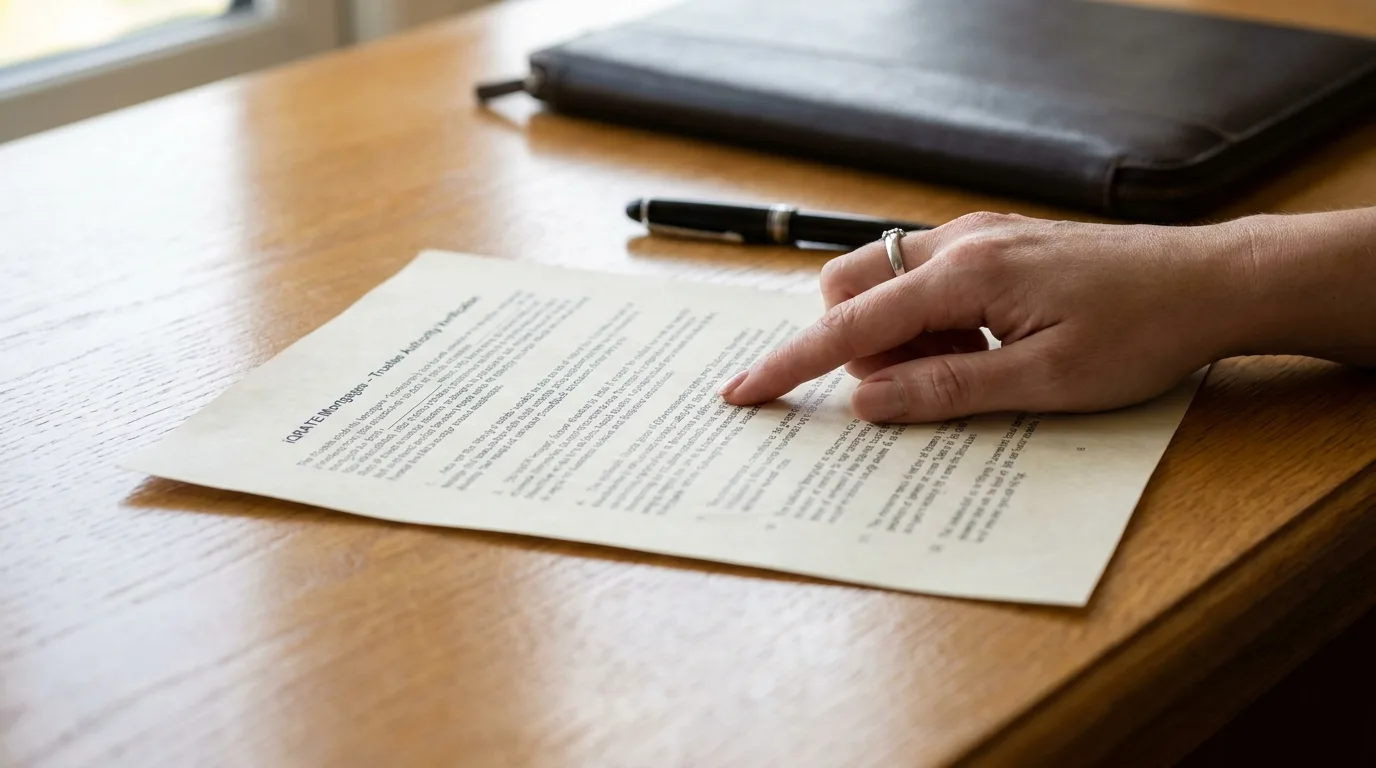
It typically includes:
- The name and date of the trust.
- The name of the current trustee(s).
- The powers of the trustee, specifically confirming the power to sell, buy, or mortgage real estate.
- The trust's tax identification number.
- A statement that the trust has not been revoked or amended in a way that would contradict the certificate.
Its importance lies in efficiency and privacy. It provides the title company and lender with all the information they need to verify the transaction's legality while protecting the private details of the trust's beneficiaries and other assets from public record.
How Can My Real Estate Agent Help Prevent Trust-Related Closing Delays?
A proactive and experienced real estate agent is your best defense against trust-related delays. An agent who understands these transactions will take several key steps:
- Ask the Right Questions Upfront: They will ask the listing agent if the home is in a trust before you even make an offer.
- Request Documents with the Offer: They can include a clause in the purchase contract requiring the seller to provide all necessary trust documentation to the title company within a short timeframe, such as 3-5 business days of acceptance.
- Communicate with the Title Company: Your agent should have a strong relationship with the title company and check in with them early in the process to ensure they have received and reviewed the trust documents.
- Educate You: They will explain the potential for delays and help you build a realistic closing timeline from the start, preventing surprises and stress down the road. Buying a home from a trust requires extra diligence from your financing partner. If you're considering a property in Las Vegas or Henderson that's held in a trust, contact a mortgage professional who is experienced in handling these complex documentation requirements to ensure a smooth and timely closing.
Navigating a mortgage for a trust-owned home requires expertise. If you're ready to proceed with confidence, partner with professionals who specialize in these transactions. Apply now to get started.
Author Bio
David Ghazaryan is the expert mortgage strategist and founder behind iQRATE Mortgages. With a mission to fund home loans that traditional banks won't touch, David specializes in helping clients with unique financial situations, including those recovering from foreclosure or bankruptcy. He expertly crafts smart, strategic, and stress-free mortgages by leveraging a vast network of over 100 lenders to secure competitive rates for investors and homebuyers alike. Praised for exceptional customer service, David has helped hundreds of families with a 97% satisfaction rate, guiding them to the mortgage they deserve.
References
Fannie Mae Selling Guide: Trust Documentation
Consumer Financial Protection Bureau (CFPB): The Closing Process









