


Full vs. Streamline FHA 203(k): What's the Difference?
Finding a home with great potential but in need of repairs is common in the competitive Reno and Sparks real estate markets. The FHA 203(k) loan is a government-insured mortgage designed specifically for this scenario. It allows you to finance both the purchase of the home and the cost of its renovation in one convenient loan. However, it's not a one-size-fits-all product. The program is split into two distinct types: the Limited 203(k), often called the 'Streamline', and the Full 203(k).
The primary difference boils down to the scope and cost of the renovation work you plan to undertake.
The Streamline (Limited) 203(k)
Think of the Streamline 203(k) as the solution for cosmetic and non-structural repairs. It’s designed for homes that are already habitable but could use significant updates to improve their condition and value. Its main feature is a simplified process, but it comes with a firm cap on renovation funds.
- Renovation Cost Limit: The total cost of repairs, including fees, cannot exceed $35,000. Lenders may also require a contingency reserve to be included within this amount.
- Types of Repairs: Limited to non-structural projects. You cannot move load-bearing walls, alter the foundation, or engage in any repairs that would make the home unlivable for a period.
- Simplicity: The paperwork and oversight are less intensive compared to the Full 203(k). You typically do not need a 203(k) Consultant to oversee the project.
The Full (Standard) 203(k)
When a property needs extensive work, including structural repairs or major system replacements, the Full 203(k) is the necessary tool. It’s built for significant rehabilitation projects that may even involve making an uninhabitable property livable again.
- Renovation Cost Minimum: You must have at least $5,000 in planned repairs.
- Types of Repairs: This loan covers almost any type of repair, including structural alterations like moving walls, adding rooms, foundation work, and complete plumbing or electrical system overhauls. It's also used for projects that will render the home uninhabitable during construction.
- HUD Consultant Required: A key requirement is hiring an FHA-approved 203(k) Consultant. This professional acts as a project manager, inspecting the property, preparing a detailed work write-up, and overseeing the construction draws to ensure work is completed to FHA standards.
Common Repairs in Reno Homes for a Streamline 203(k)
Many older homes in Reno have great bones but feature dated aesthetics. The Streamline 203(k) is perfectly suited for these scenarios, allowing you to modernize a property without undertaking a massive overhaul. As long as your total project cost stays under the $35,000 cap, you can finance a wide range of popular upgrades.
Here are some common repairs that fall squarely under the Streamline 203(k) guidelines:
- Flooring: Replacing old carpets with new ones, or installing hardwood, laminate, or tile.
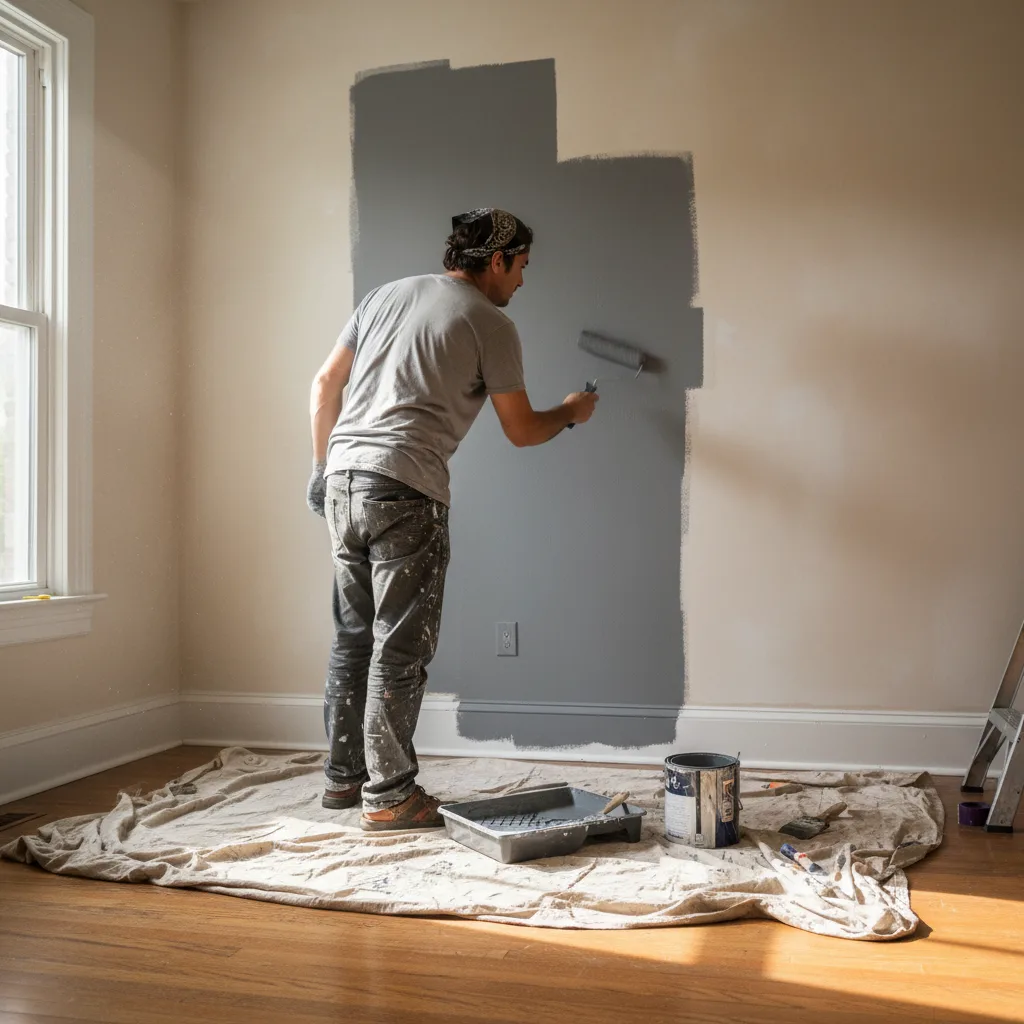
- Painting: A complete interior and exterior paint job.
- Appliance Replacement: Upgrading kitchen appliances like the refrigerator, stove, and dishwasher.
- Minor Kitchen & Bath Remodels: Replacing cabinets, countertops, sinks, and fixtures without changing the room's layout.
- Roofing and Gutters: Repairing or replacing the roof, provided no structural work is needed on the trusses.
- Energy Efficiency Improvements: Installing new windows, doors, and adding insulation.
- HVAC Systems: Repairing or replacing the furnace or air conditioning unit.
- Patio or Deck Repairs: Fixing or refinishing an existing deck, but not building a new one from scratch.

For example, you could buy a home in Reno for $450,000 and use a Streamline 203(k) to finance $30,000 for new windows, a new furnace, and a complete interior paint job. Your total loan amount would be based on $480,000.
When You Absolutely Need a Full 203(k) in Sparks
Sometimes a property in Sparks needs more than just a facelift. If your dream fixer-upper requires major surgery to be safe, functional, and modern, the Full 203(k) is your only option within this program. Any project that involves structural changes or costs more than the Streamline's limit automatically pushes you into the Full 203(k) category.
You will need a Full 203(k) loan for projects such as:
- Structural Alterations: Moving or removing a load-bearing wall to create an open-concept living space.
- Room Additions: Adding a new bedroom, bathroom, or expanding the living room.
- Foundation Repair: Addressing cracks, settling, or other major foundational issues.
- Complete System Overhauls: Projects requiring a total rewiring of the electrical system or re-plumbing of the entire house.
- Projects Costing Over $35,000: Even a large-scale cosmetic remodel, like a high-end kitchen and two bathroom renovations, can easily exceed the Streamline limit.
- Making an Uninhabitable Property Livable: If a bank-owned property has been stripped of its plumbing fixtures and appliances, a Full 203(k) can finance the work needed to restore it.
If you find a home in Sparks that has significant foundation damage, the Full 203(k) is the only way to finance both the purchase and the necessary structural repairs.
How to Find an FHA-Approved 203(k) Contractor in Washoe County
Your choice of contractor is one of the most critical parts of the 203(k) process. They must be licensed, insured, and experienced with the specific documentation and draw schedules required by FHA lenders. Finding the right one in Washoe County involves a few key steps:
- Ask Your Lender: Your mortgage lender is the best first resource. Experienced 203(k) lenders maintain a list of contractors they have successfully worked with on previous projects.
- Verify Licensing and Insurance: Use the Nevada State Contractors Board website to verify that their license is active and in good standing. Ask for proof of liability insurance and worker's compensation.
- Check for 203(k) Experience: Ask potential contractors for references from past 203(k) projects. A contractor who understands the paperwork, inspection process, and draw system will prevent costly delays.
- Get Multiple Detailed Bids: Obtain at least two to three detailed, itemized bids. The bids should break down the costs for labor and materials for each part of the project. This is a requirement for your lender to approve the renovation budget.
The FHA 203(k) Appraisal Process
The appraisal for a 203(k) loan is different from a standard home purchase. Instead of determining the property's current value, the appraiser calculates its 'after-improved value'. This is the projected market value of the home after all your planned renovations are completed.
The process works like this:
- Your lender orders the appraisal.
- You provide the appraiser with a copy of the contractor's detailed work plan and cost estimate.
- The appraiser assesses the property in its current state and reviews the proposed improvements.
- Based on this information and comparable sales of renovated homes in the area, they issue a report with the after-improved value.
Your total loan amount, including the purchase price and renovation costs, cannot exceed 110% of this after-improved value. This protects the lender by ensuring they aren't lending more money than the home will be worth.
How Renovation Funds Are Paid Out
Unlike a personal loan where you get a lump sum of cash, 203(k) renovation funds are held in an escrow account managed by the lender. They are disbursed directly to your contractor in a series of 'draws' as work is completed. This tightly controlled process ensures the money is used exactly as intended.
- Initial Draw: Some lenders may allow a small initial draw at closing to cover material deposits, but this is not always the case.
- Work and Inspection: The contractor completes a phase of the project (e.g., completes demolition and framing).
- Draw Request: The contractor submits a draw request to the lender.
- Inspection: An inspector (or your 203(k) Consultant for Full loans) visits the property to verify the work is complete and meets standards.
- Funds Released: Once the inspection is approved, the lender releases that portion of the funds to the contractor.
This cycle repeats until the project is 100% complete and the final draw is paid out.
Upgrading a Kitchen or Bathroom with a 203(k) Loan
Yes, absolutely. Kitchen and bathroom remodels are among the most popular uses for FHA 203(k) loans because they add significant value and enjoyment to a home. The type of 203(k) loan you use depends entirely on the scope of the remodel.
- Streamline 203(k) for Cosmetic Updates: If your project involves replacing countertops, installing new cabinets in the existing layout, putting in a new backsplash, and upgrading appliances, a Streamline loan is ideal. A project like this in Reno might cost between $15,000 and $25,000, fitting well within the $35,000 cap.
- Full 203(k) for Major Remodels: If you plan to knock down a wall to open the kitchen up to the living room, re-route plumbing for a new island sink, or completely change the bathroom's footprint, you will need a Full 203(k). These structural changes and higher costs automatically require the more comprehensive loan.
What Are the Special Qualification Rules for Renovation Home Loans?
At its core, a 203(k) loan is an FHA loan, so you must meet standard FHA qualification requirements. The main difference is the additional layer of property and project approval.
Key qualification criteria include:
- Credit Score: While FHA guidelines permit scores as low as 580 for maximum financing, most lenders require a minimum credit score in the 620-640 range. (The data, information, or policy mentioned here may vary over time.)
- Down Payment: A minimum down payment of 3.5% is required. This is calculated based on the total loan amount (purchase price + renovation costs).
- Debt-to-Income (DTI) Ratio: While guidelines can be flexible, lenders typically look for a total monthly debt-to-income ratio that does not exceed 43% to 45% of your gross monthly income, though higher ratios may be approved with compensating factors. (The data, information, or policy mentioned here may vary over time.)
- Primary Residence: The property must be your primary residence. You cannot use a 203(k) loan for a vacation home or investment property.
- FHA Mortgage Insurance: Like all FHA loans, you will be required to pay both an Upfront Mortgage Insurance Premium (UFMIP) and an annual Mortgage Insurance Premium (MIP) for the life of the loan or 11 years, depending on your down payment. A fixer-upper can be a smart investment, but navigating the FHA 203(k) loan process requires expertise. If you're considering a renovation project in Nevada, consult with a mortgage professional who understands the specific requirements for contractors, appraisals, and fund disbursement to ensure a smooth and successful home buying journey.
If a fixer-upper in Reno or Sparks has caught your eye, understanding your renovation financing options is the crucial next step. Explore your potential with an FHA 203(k) loan and start the process of creating your dream home. Apply now to see what you qualify for.
Author Bio
David Ghazaryan is the expert mortgage strategist and founder behind iQRATE Mortgages. With a mission to fund home loans that traditional banks won't touch, David specializes in helping clients with unique financial situations, including those recovering from foreclosure or bankruptcy. He expertly crafts smart, strategic, and stress-free mortgages by leveraging a vast network of over 100 lenders to secure competitive rates for investors and homebuyers alike. Praised for exceptional customer service, David has helped hundreds of families with a 97% satisfaction rate, guiding them to the mortgage they deserve.
References









