

What is an Unpermitted Addition and Why is it a Concern for Lenders?
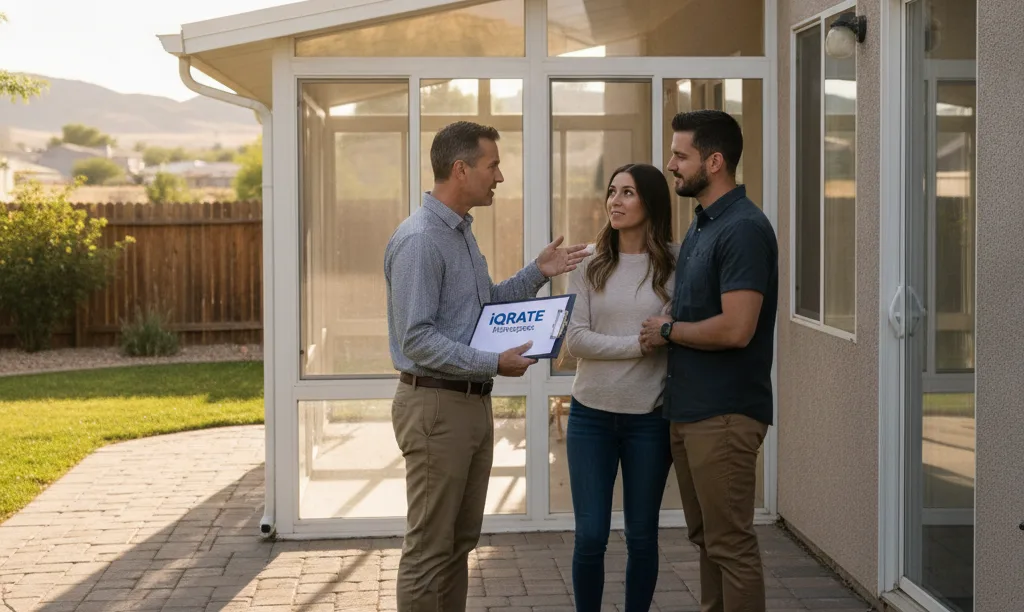
An unpermitted addition is any alteration or new construction on a property that was completed without the required permits from the local building authority, such as the City of Reno or Sparks. This could be a converted garage, a new sunroom, a finished basement, or an added bathroom. For homebuyers and lenders, these additions raise several red flags.
Lenders, especially those backing government-insured loans like the FHA, are primarily concerned with risk. An unpermitted addition introduces significant uncertainty:
- Safety Hazards: Without official inspections, there's no guarantee the electrical, plumbing, and structural work is safe or up to code. This poses a direct risk to the occupants and the property itself.
- Quality of Workmanship: The construction quality might be subpar, leading to future costly repairs. Lenders want to ensure the home they are financing is a durable, long-term asset.
- Insurance Issues: Homeowners insurance policies may not cover damages originating from or affecting unpermitted areas of a home.
- Resale and Marketability: Future buyers may be deterred by the unpermitted status, making the home harder to sell. This impacts the property's value, which serves as the collateral for your loan.
How Do FHA Appraisers in Reno Evaluate Non-Permitted Square Footage?
When an FHA appraiser visits a property in Reno with a potential unpermitted addition, they follow specific guidelines from the U.S. Department of Housing and Urban Development (HUD). Their primary mission is to determine if the property meets the FHA's minimum property requirements for safety, soundness, and security.
The appraiser will not simply ignore the extra space. Instead, they will:
- Assess Workmanship: They evaluate the quality of the construction. Does it look professional? Are the materials used standard and durable? A well-built addition is viewed more favorably than a shoddy DIY project.
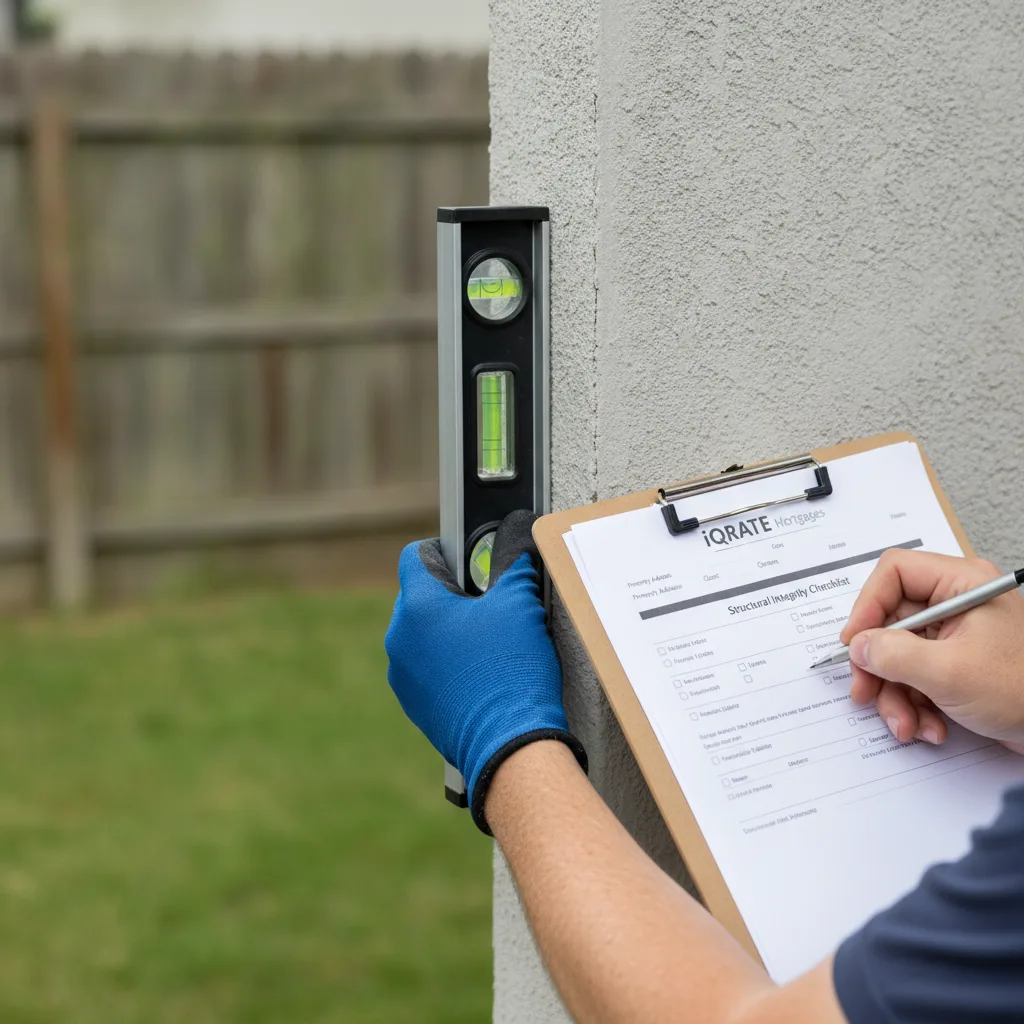
- Verify Structural Integrity: The appraiser checks if the addition is structurally sound and integrated properly with the original home. They look for signs of stress, foundational issues, or improper roofing.
- Evaluate Functionality: They determine if the space is functional and contributes positively to the home's livability.
- Note Compliance: The appraiser must note in their report that the addition appears to lack the required permits. They will also comment on whether the addition conforms to accepted building standards in Washoe County, even if it wasn't officially inspected.

Will the Value of the Unpermitted Addition Be Included in the Appraisal?
This is a critical question, and the answer is nuanced. An FHA appraiser can assign value to an unpermitted addition, but it is almost never a 1-to-1 valuation compared to permitted square footage. The value is based on its contributory value to the property's overall marketability and utility.
How Value is Determined
- Market Reaction: The appraiser analyzes comparable sales in the area. How do other buyers and appraisers in the Reno market treat similar unpermitted spaces? If such additions are common and accepted, they may retain more value.
- Quality and Condition: A high-quality, seamless addition will have a higher contributory value than one that is poorly constructed or obviously not up to code.
Example in Reno: Imagine a 1,500 sq. ft. home listed for $500,000. It has a 300 sq. ft. unpermitted but well-built family room. The appraiser determines that permitted space in the neighborhood is valued at $300 per sq. ft. Instead of adding a full $90,000 (300 sq. ft. x $300), they might assign a contributory value of only $100 per sq. ft., adding just $30,000 to the home's appraised value. This adjustment reflects the risk and potential costs associated with the lack of permits. (The data, information, or policy mentioned here may vary over time.)
In some cases, if the work is shoddy or unsafe, the appraiser may assign zero value to the addition.
What are the Safety and Soundness Requirements for an FHA Loan?
The FHA's core mandate is to ensure the homes it insures are safe, sound, and secure. This principle overrides all other considerations. For an unpermitted addition, this means it must not pose any threat to the health and safety of the occupants.
An appraiser will look for specific issues that would trigger a required repair, such as:
- Exposed or unsafe electrical wiring
- Lack of proper heating or ventilation
- Structural instability (e.g., a sagging roof on an enclosed patio)
- Plumbing that does not function correctly
- Lack of a permanent foundation
If the appraiser identifies any of these issues, they will mark them in the appraisal report as 'subject to repair'. The seller would need to fix these problems to FHA standards before the loan can close.
Can the Seller Get a Retroactive Permit to Solve the Issue in Sparks?
Yes, it is often possible for a seller in Sparks or Reno to obtain a retroactive permit. This process involves contacting the local building department and having them inspect the existing work. However, it's not always a simple fix.
The Retroactive Permitting Process
- Application: The homeowner applies for a permit for the work that was already done.
- Inspection: A city inspector visits the property. This may require opening up walls or ceilings to view the electrical, plumbing, and structural components.
- Compliance: If the work meets current building codes, a permit may be issued. If it doesn't, the inspector will provide a list of required corrections.
- Corrections & Re-Inspection: The homeowner must hire licensed contractors to bring the work up to code, after which another inspection is required.
This process can be time-consuming and expensive for the seller, potentially delaying the closing. However, successfully obtaining a permit resolves all lender concerns and allows the appraiser to include the square footage at its full market value. (The data, information, or policy mentioned here may vary over time.)
Are There Situations Where an FHA Loan is Impossible for These Homes?
While many unpermitted additions can be managed, some situations can be absolute deal-breakers for an FHA loan.
- Major Safety Violations: If an addition has severe structural, electrical, or safety issues that the seller is unwilling or unable to correct, the property will not meet FHA minimum standards.
- Local Ordinance Violations: If the addition violates local zoning laws (e.g., it was built too close to the property line), it may need to be removed entirely. An FHA loan will not be approved in this case.
- Incurable Flaws: If the addition's foundation is failing or it's built in a way that makes bringing it up to code impossible without tearing it down, the property will be ineligible.
How Does This Differ from a Conventional Loan Appraisal?
Conventional loans, which are underwritten to Fannie Mae or Freddie Mac guidelines, can sometimes be more flexible regarding unpermitted additions, but the core principles are similar. In short, the FHA acts as a cautious insurer protecting both the borrower and the lender, while conventional guidelines focus more on the property's financial risk and market value.
FHA Loan Appraisal Focus
- Primary Goal: The appraiser's main objective is to ensure the property meets HUD's strict Minimum Property Requirements for safety, soundness, and security.
- Permit Stance: While a permit is not an absolute requirement, the addition must be safe, structurally sound, and built to a standard that meets local building codes.
- Valuation Method: Value is assigned based on the addition's contribution to the home's utility, but safety and soundness standards are non-negotiable and must be met.
- Repair Requirements: Any condition that violates health, safety, or structural integrity standards must be repaired before the loan can close.
Conventional Loan Appraisal Focus
- Primary Goal: The focus is more on marketability and the property's overall value. The key question is what a typical buyer in the local market would pay for the home in its current state.
- Permit Stance: A permit is also not strictly required, but the appraiser must determine if such additions are common for the area and if the lack of a permit negatively impacts the home's marketability.
- Valuation Method: Value is heavily influenced by market reaction. If similar unpermitted additions in the area sell without issue, the negative impact on value may be minimal.
- Repair Requirements: Lenders may allow certain issues to be overlooked if they do not significantly impact the home's structural integrity or its appeal to future buyers.
What Options Do I Have if the FHA Appraisal Requires Repairs?
If the appraisal report comes back 'subject to repair' for the unpermitted addition, you haven't hit a dead end. You have several options to move forward:
- Seller Pays for Repairs: The most common solution. You can negotiate with the seller to complete and pay for all required repairs before the closing date. This is often the cleanest path forward.
- Negotiate a Lower Price: You could ask the seller for a price reduction to cover the cost of you making the repairs after you own the home. Note: This would likely require you to switch to a different loan product, like an FHA 203(k) rehab loan, as standard FHA loans require repairs to be done pre-closing.
- Use an FHA 203(k) Loan: This loan program allows you to roll the cost of repairs and renovations into your mortgage. It's a great option if the seller won't pay but you still want the house.
- Walk Away: If the seller is unwilling to negotiate and the required repairs are too extensive, you can cancel the purchase contract, assuming you have an appraisal contingency in place, and get your earnest money back. Finding a home with unpermitted work in Nevada doesn't have to end your homeownership journey. Understanding the FHA appraisal process is the first step. If you're facing a similar situation or have questions about financing a unique property, contact a mortgage professional to explore your options and find the right loan for your needs.
Navigating the complexities of financing a home with unpermitted work requires expert guidance. If you're ready to explore your mortgage options and get clear answers for your unique situation, apply now to connect with a professional who can help you move forward with confidence.
Author Bio
David Ghazaryan is the expert mortgage strategist and founder behind iQRATE Mortgages. With a mission to fund home loans that traditional banks won't touch, David specializes in helping clients with unique financial situations, including those recovering from foreclosure or bankruptcy. He expertly crafts smart, strategic, and stress-free mortgages by leveraging a vast network of over 100 lenders to secure competitive rates for investors and homebuyers alike. Praised for exceptional customer service, David has helped hundreds of families with a 97% satisfaction rate, guiding them to the mortgage they deserve.
References
HUD Handbook 4000.1 - FHA Single Family Housing Policy Handbook









