


What is the standard Veteran Affairs loan occupancy timeline?
The Veteran Affairs (VA) loan program is designed to help service members, veterans, and eligible surviving spouses purchase homes. A core tenet of this benefit is the occupancy requirement. When you sign your closing documents, you are certifying your intent to personally occupy the property as your primary residence.
Generally, the timeline is straightforward:
- Move-In Deadline: You are expected to move into the home within a 'reasonable time', which is typically defined as 60 days after the loan closes. (The data, information, or policy mentioned here may vary over time.) Delays beyond 60 days are possible but require a clear explanation and lender approval, such as the property undergoing repairs.
- Duration of Occupancy: The unwritten but universally understood rule is that you intend to live in the home for at least one year. (The data, information, or policy mentioned here may vary over time.)
This one-year guideline causes anxiety for many active-duty service members. If you buy a home in Killeen, for example, you might receive unexpected orders to relocate in six months. The fear is that leaving before the one-year mark violates the loan terms. However, the key word is intent. The VA understands that military life is unpredictable, and rules are in place to protect you when your service requires you to move.
How does a Permanent Change of Station create an exception to the rule?
A Permanent Change of Station (PCS) is the most common and clear-cut exception to the one-year occupancy guideline. The VA explicitly recognizes that a PCS is an unforeseeable and mandatory event. Your original intent was to live in the home, but your military orders superseded that plan.
Because a PCS is not a voluntary move to pursue a new job or simply change scenery, it does not violate your occupancy certification. This provision allows you to:
- Vacate the Property: You can legally move out of your home before the one-year mark to comply with your orders.
- Rent the Property: You are permitted to lease your home to tenants. This can be a smart financial move, allowing you to cover your mortgage payments on the San Antonio property while you are stationed elsewhere.
- Retain Your VA Loan: The loan remains in good standing, and you will not face penalties for non-occupancy as long as the move is due to official orders.
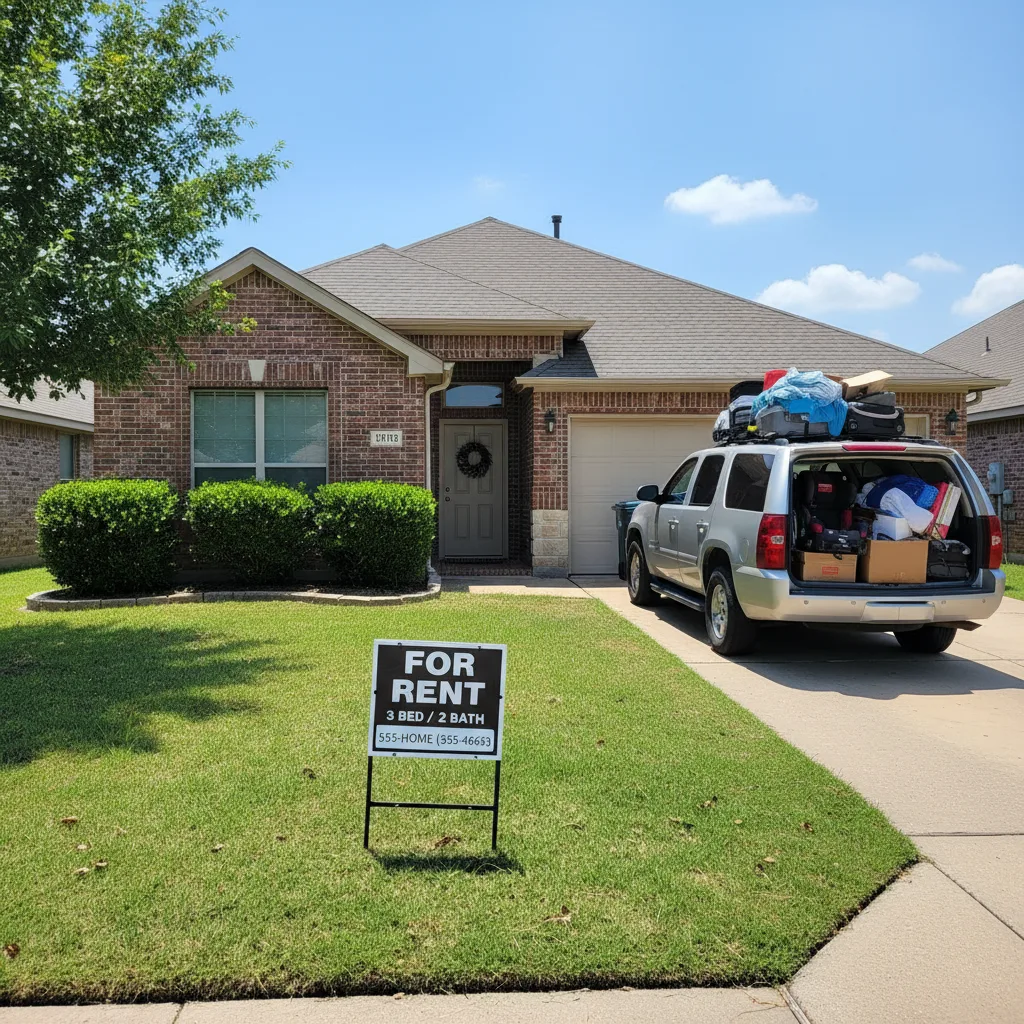
This exception is crucial for military homeowners, providing the flexibility needed to build wealth through real estate without conflicting with service commitments.
What documentation will I need to prove my move is official?
To protect yourself and ensure a smooth process with your mortgage servicer, you must provide clear proof that your move is involuntary and service-related. The primary document you will need is a copy of your official PCS orders.
Key Elements of Your Orders
Your orders should clearly state:
- Your name and rank.
- Your current duty station (e.g., Fort Cavazos in Killeen).
- Your new duty station.
- The reporting date for your new assignment.
This single document is usually sufficient to prove the legitimacy of your move. It is wise to keep both a physical and digital copy readily accessible. When you notify your lender of your move, they will request a copy of these orders for their records. Having it ready prevents delays and demonstrates that you are acting in good faith.
Can my spouse satisfy the occupancy requirement in San Antonio for me?
Yes, this is another key flexibility built into the VA loan program. The VA understands that military life often involves deployments or assignments where the service member cannot be physically present at home. In these situations, the presence of an eligible family member can fulfill the occupancy requirement.
Who Can Occupy the Home on Your Behalf?
- A Spouse: If you are deployed or on an extended temporary duty (TDY) assignment away from your home in San Antonio, your spouse living in the property satisfies the rule.
- A Minor Child: While less common, if a service member is legally required to live in barracks and has a minor child, arrangements can sometimes be made for the child to reside in the home with a legal guardian. This is a more complex situation that requires clear communication with the lender.

This provision is invaluable for military families. It means you can purchase a home at a new duty station even if you know a deployment is on the horizon, confident that your family can move in and establish roots without violating your mortgage terms.
Are there penalties if I rent my Killeen home without proper cause?
Yes, and the penalties can be severe. The VA loan program is a benefit for primary residences, not for purchasing investment properties from the outset. If you knowingly sign an occupancy certification with no intention of living in the home, or if you move out and rent it for a non-qualifying reason (e.g., you just want to live somewhere else), you could be committing mortgage fraud.
Potential consequences include:
- Loan Acceleration: The lender could demand the full repayment of your entire loan balance immediately.
- Foreclosure: If you cannot repay the loan, the lender can foreclose on the property.
- Civil Penalties: You could face fines and be forced to repay any damages the VA incurred.
- Criminal Charges: In serious cases of fraud, federal charges could be brought against you.
It is critical to distinguish between a legitimate move due to orders and a fraudulent attempt to use a VA loan for an investment property. If you bought a home in Killeen and received PCS orders three months later, you are protected. If you simply decided you would rather live in Austin and rented out the Killeen house, you are violating the terms.
How soon after closing my loan can I safely rent out the property?
There is no specific waiting period, like 30 days or six months, after which it becomes 'safe' to rent your property. The determining factor is not the timeline but the reason for your move.
If you close on your home on March 1st and receive official, unexpected PCS orders on March 15th, you can begin the process of renting out your property immediately. The legitimacy of your PCS orders provides the justification. Your lender will not penalize you for renting it out one month after closing, provided you can supply the official documentation proving the move was necessary.
Conversely, waiting a year just to be 'safe' is unnecessary if you have a qualifying reason to move. The one-year mark is a guideline for typical civilian circumstances, not a hard-and-fast rule for active-duty military members facing a PCS.
Does this rule differ for a Veteran Affairs refinance versus a purchase?
The occupancy rules apply to both VA purchase loans and most VA refinances, but with a key difference for one specific refinance type.
- VA Cash-Out Refinance: This type of refinance requires you to certify your intent to occupy the property, just like a purchase loan. You are taking out a new loan and must live in the home as your primary residence.
- VA Interest Rate Reduction Refinance Loan (IRRRL): Also known as a 'Streamline Refinance', the IRRRL has a different standard. For an IRRRL, you only need to certify that you previously occupied the home as your primary residence. This is a major benefit. If you have a VA loan on a home in San Antonio that you have already moved out of due to PCS orders and are now renting, you can still use an IRRRL to lower your interest rate. You do not need to move back into the property.
What steps should I take with my lender before I move?
Proactive communication with your mortgage servicer (the company you send your payments to) is essential. Taking these steps can prevent misunderstandings and protect your financial standing.
- Notify Them Immediately: As soon as you have your official PCS orders in hand, contact your mortgage servicer. Do not wait until after you have already moved.
- Provide Your Documentation: Be prepared to send them a copy of your PCS orders. They will need this for their file to formally document why the property is no longer owner-occupied.
- Update Your Contact Information: Provide them with your new mailing address and contact details to ensure you continue to receive statements and important notices.
- Discuss Your Plans: Inform them of your intent to rent the property. While you do not need their 'permission' with valid orders, keeping them informed is a best practice and maintains a good relationship. If you have questions about your VA loan occupancy requirements or are preparing for a PCS, consulting with a mortgage expert can provide clarity. A specialist familiar with the unique challenges of military life can help you understand your options and ensure you make the best financial decisions for your family.
Understanding your VA loan options during a PCS is key to making a smart move. If you're ready to secure financing for your next home or have questions about your current mortgage, our specialists can provide the clarity you need. Apply now to get expert guidance tailored to your unique military journey.
Author Bio
David Ghazaryan is the expert mortgage strategist and founder behind iQRATE Mortgages. With a mission to fund home loans that traditional banks won't touch, David specializes in helping clients with unique financial situations, including those recovering from foreclosure or bankruptcy. He expertly crafts smart, strategic, and stress-free mortgages by leveraging a vast network of over 100 lenders to secure competitive rates for investors and homebuyers alike. Praised for exceptional customer service, David has helped hundreds of families with a 97% satisfaction rate, guiding them to the mortgage they deserve.








