

What are the Veteran Affairs Minimum Property Requirements?
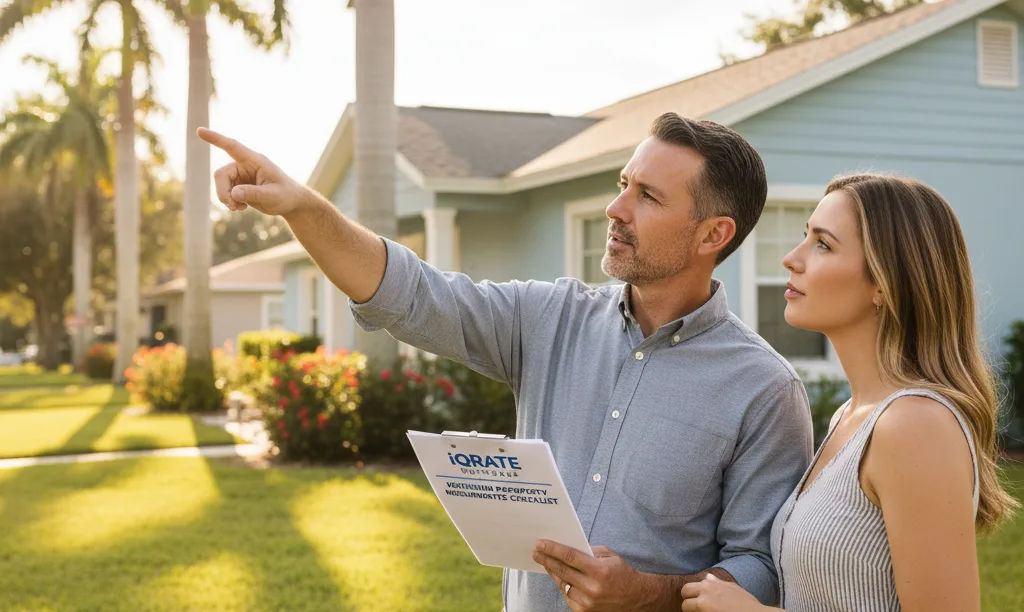
The Department of Veterans Affairs (VA) home loan program isn't just designed to make homeownership accessible; it's also designed to protect veterans from purchasing properties that are unsafe or unsound. To achieve this, the VA establishes a set of standards known as Minimum Property Requirements, or MPRs. An independent VA-assigned appraiser evaluates the property against this checklist to determine its eligibility for financing.
The core principle of MPRs is that a home must be safe, sound, and sanitary. This isn't a cosmetic inspection looking for outdated decor or scuffed floors. Instead, it focuses on the home's fundamental livability and structural integrity.
Key aspects of MPRs include:
- Adequate Living Space: The property must have sufficient space for living, sleeping, cooking, and sanitation.
- Mechanical Systems: All systems, including electrical, plumbing, and heating/cooling (HVAC), must be in good working order and have a reasonable future utility.
- Safe Water and Sanitation: The property must have access to a safe water supply, a water heater, and a functional sewage disposal system.
- Structural Integrity: The home must be structurally sound, free from defects that could compromise its safety or physical security.
- Safe Access: There must be safe and adequate access to the property from a public or private street.
- Freedom from Hazards: The property must be free of hazards that could affect the health and safety of the occupants or the soundness of the structure, such as termite damage, lead-based paint, or faulty construction.
Understanding these requirements is the first step in ensuring a smooth VA loan process, especially when considering an older home in communities like Orlando.
Does the VA require a perfect roof and foundation to approve a loan?
The short answer is no, the VA does not require a 'perfect' home. The standard is 'functional' and 'safe'. This distinction is critical when evaluating major components like the roof and foundation.
Roof Requirements
The appraiser will assess the roof to ensure it is in good condition, provides adequate protection, and has a reasonable remaining useful life. While there's no hard-and-fast rule written in stone, the general expectation is that the roof should have at least three to five years of life remaining. (The data, information, or policy mentioned here may vary over time.)
Signs that a VA appraiser might flag include:
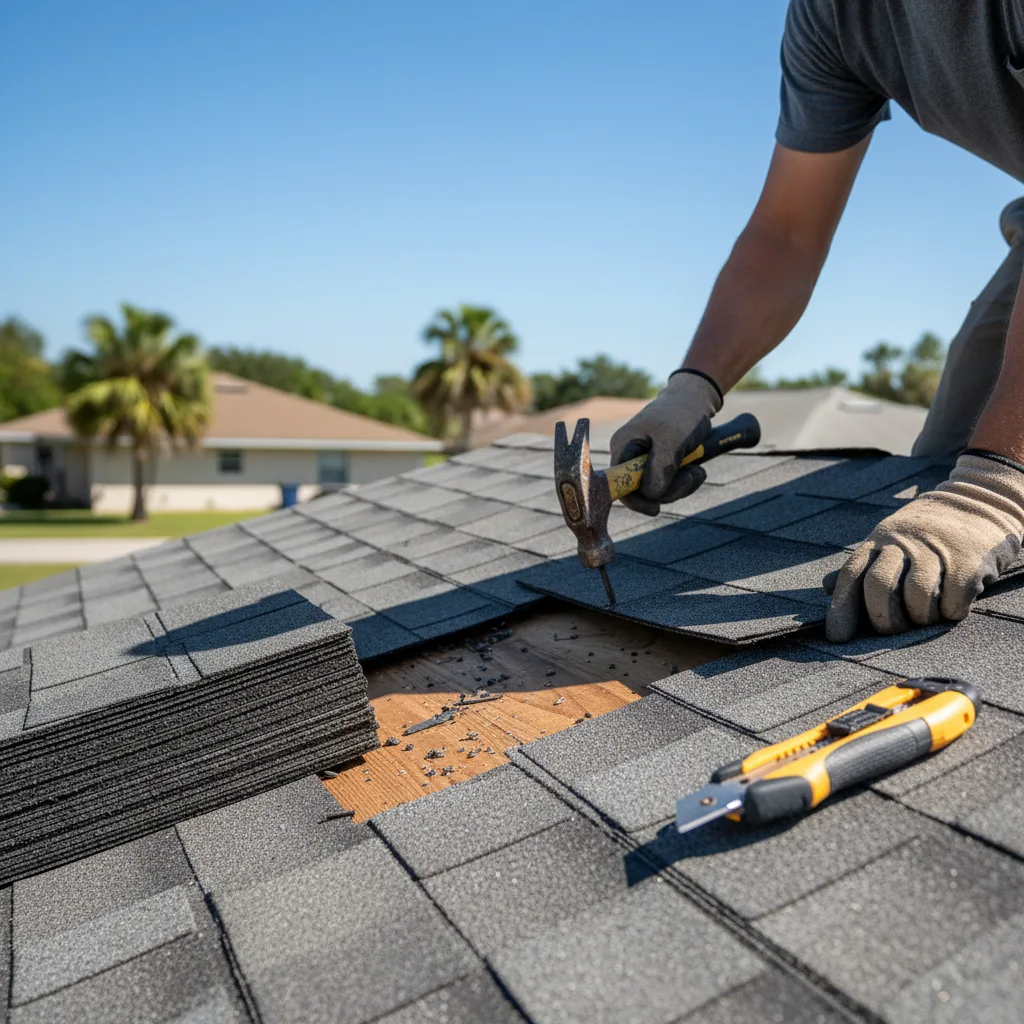
- Multiple missing or damaged shingles.
- Evidence of active leaks or significant water stains on the ceiling.
- Excessive curling or deterioration.
For a home in Kissimmee, where heavy rain and humidity are common, a roof that is nearing the end of its life is a major red flag for an appraiser. If repairs are needed, they must be completed before the loan can close. A simple patch job may suffice for a few missing shingles, but a full replacement could be required for a roof with widespread damage.
Foundation Requirements
Similar to the roof, the foundation must be sound and free of significant defects. Minor settlement cracks, common in Florida's sandy soil, are typically not an issue. However, the appraiser will look for serious structural problems, such as:
- Large, horizontal, or stair-step cracks in the foundation walls.
- Bowing or bulging foundation walls.
- Evidence of significant settlement, such as sloping floors or doors that don't close properly.
If the appraiser suspects a serious foundation issue, they may call for an inspection by a licensed structural engineer. Any required repairs identified by the engineer must be completed to the VA's satisfaction before the loan can be approved.
What are the most common appraisal-required repairs in older Orlando homes?
Older homes in established Orlando neighborhoods often have charm and character, but they can also come with a list of potential MPR issues. Based on Florida's climate and building history, here are the most frequent repairs flagged by VA appraisers.

Wood-Destroying Organisms (Termites)
Florida's warm, damp climate makes it a hotspot for termites and other wood-destroying insects. The VA requires a pest inspection (often called a 'termite inspection') for properties in most of Florida. If the inspection reveals an active infestation or significant prior damage that affects the home's structural integrity, it must be treated and repaired.
Peeling Paint and Lead-Based Paint Hazards
For any home built before 1978, the VA requires that any instance of cracking, scaling, chipping, or peeling paint be addressed. This applies to both interior and exterior surfaces, including sheds and detached garages. The concern is the potential presence of lead-based paint, which is a significant health hazard. The required fix is to scrape the defective paint and repaint the surface.
Outdated or Faulty Electrical Systems
An appraiser will verify that the electrical system is safe and adequate for the home. Common red flags in older properties include:
- Frayed or exposed wiring.
- Knob-and-tube wiring that is still active.
- A lack of functional electrical outlets in key areas.
- An inadequate electrical panel (e.g., less than 60 amps).
Plumbing and Water Issues
All plumbing fixtures must be in working order and free from leaks. The home must have a functional water heater that provides hot water. Appraisers also look for signs of water damage, mold, or excessive moisture, especially in bathrooms, kitchens, and around the foundation.
HVAC System Functionality
In Florida, a functioning air conditioning system is not a luxury; it's a necessity for a home to be considered livable. The appraiser will test the HVAC system to ensure it is working properly. If the AC unit is broken, it must be repaired or replaced.
Is peeling paint really a big deal for a VA appraiser?
Yes, it is a very big deal. While it may seem like a minor cosmetic issue, the VA treats peeling paint as a potential health and safety hazard. The reason is the high probability of lead-based paint in homes constructed before its ban in 1978. Lead is highly toxic, especially to children and pregnant women.
The rule is straightforward: any peeling or chipping paint on any surface must be remedied. This isn't limited to the main house. It includes windowsills, door frames, railings, detached garages, and even sheds.
Example: Imagine you're buying a 1960s bungalow in a historic Orlando neighborhood. The home is in great shape, but the wooden porch railing has several spots where the paint is flaking off. A VA appraiser will note this in their report, and the condition will be 'subject to' repair. The seller will need to have the railing scraped and repainted before the appraiser can perform a final inspection and clear the loan for closing.
Who is responsible for paying for these required repairs?
Typically, the seller is responsible for paying for any MPR-required repairs. When the appraisal report comes back with required repairs, the buyer's agent will present this list to the seller's agent, usually as part of a formal addendum to the purchase contract.
However, the payment responsibility is ultimately a point of negotiation. The seller may agree to complete all repairs, or they may refuse. If the seller refuses, the buyer has a few options:
- Negotiate: The buyer and seller can negotiate a compromise, such as splitting the cost or having the seller provide a credit at closing (though this requires lender approval).
- The Buyer Pays: The buyer can agree to pay for the repairs themselves. This can be risky, as you are investing money into a property you don't yet own. If the deal falls through for another reason, you may not get that money back.
- Cancel the Contract: If the contract includes a VA financing contingency, the buyer can typically walk away from the deal and have their earnest money deposit returned if the property doesn't meet MPRs and the seller is unwilling to make repairs.
Can the repairs be completed after the closing date?
In almost all cases, no. The VA requires that all MPR-related repairs be completed and verified before the loan closes. The process works like this:
- The appraiser completes the initial appraisal and notes any required repairs.
- The responsible party (usually the seller) hires contractors to complete the work.
- Once finished, the lender orders a final inspection, officially known as a 'Completion Report' or VA Form 26-1859. The original appraiser returns to the property to verify that the work has been done satisfactorily.
- Once the appraiser signs off, the loan can proceed to closing.
The only rare exception is an escrow holdback. This is when the lender agrees to set aside a portion of the loan proceeds in an escrow account to cover the cost of repairs after closing. This is uncommon, requires lender and VA approval, and is typically reserved for repairs that cannot be completed before closing due to factors like weather.
How do I know if a Kissimmee fixer-upper is eligible for a VA loan?
A standard VA loan is intended for homes that are move-in ready or require only minor repairs. A true 'fixer-upper' in Kissimmee that has major issues—like a failed roof, a non-functional kitchen, or significant structural damage—will not meet VA Minimum Property Requirements and will not be eligible for standard VA financing.
However, this doesn't mean you can't use your VA loan benefit to buy and renovate a home. The solution is a VA Renovation Loan. This specialized loan allows you to roll the costs of both the home purchase and the necessary renovations into a single mortgage.
Here’s how it works:
- You find a fixer-upper you want to buy.
- You get bids from licensed contractors detailing the work needed to bring the home up to MPR standards (and make other desired upgrades).
- The loan amount is based on the 'as-completed' value of the home after renovations.
- At closing, the seller is paid, and the remaining funds for renovation are placed in an escrow account. These funds are then disbursed to your contractor as work is completed.
This is an excellent option for veterans who want to build sweat equity and customize a home to their liking.
What happens if the seller refuses to make the necessary repairs?
This can be a stressful situation, but you have clear options if the seller won't budge on completing the VA-required repairs.
- Terminate the Purchase Agreement: The most common path. The VA Amendatory Clause, which is part of every VA sales contract, gives you the right to back out of the deal without penalty if the property appraises for less than the sales price. Similarly, a financing contingency protects you if the property fails to meet MPRs and an agreement on repairs cannot be reached. You can cancel the contract and get your earnest money back.
- Switch Loan Programs: You could switch to a different type of loan that might finance the property 'as-is,' such as a conventional renovation loan. However, you would lose the significant benefits of a VA loan, such as no down payment and no private mortgage insurance (PMI).
- Negotiate a Lower Price: You could ask the seller to lower the sales price by the estimated cost of repairs. You would then be responsible for completing the work after closing. This is tricky because you still need to get the home to meet MPRs before the VA loan can close, meaning you'd likely have to pay for the repairs out-of-pocket before you officially own the home.
- Pay for the Repairs Yourself: As mentioned earlier, you can offer to pay for the repairs before closing. This is a high-risk option but can save a deal if you are deeply committed to the property. It's crucial to have a clear agreement in writing to protect your investment. If you're navigating the VA appraisal process for a home in Orlando or Kissimmee, understanding these repair requirements is key. For personalized advice on your specific situation or to explore options like a VA Renovation Loan, consulting with a mortgage strategist can provide clarity and a clear path forward.
Understanding these repair requirements is key to a smooth VA loan process. If you're ready to move forward and get a clear picture of your homeownership goals, our mortgage strategists are here to help. Apply now to get the expert guidance you need.
Author Bio
David Ghazaryan is the expert mortgage strategist and founder behind iQRATE Mortgages. With a mission to fund home loans that traditional banks won't touch, David specializes in helping clients with unique financial situations, including those recovering from foreclosure or bankruptcy. He expertly crafts smart, strategic, and stress-free mortgages by leveraging a vast network of over 100 lenders to secure competitive rates for investors and homebuyers alike. Praised for exceptional customer service, David has helped hundreds of families with a 97% satisfaction rate, guiding them to the mortgage they deserve.
References
VA.gov: About VA Home Loan Appraisals








